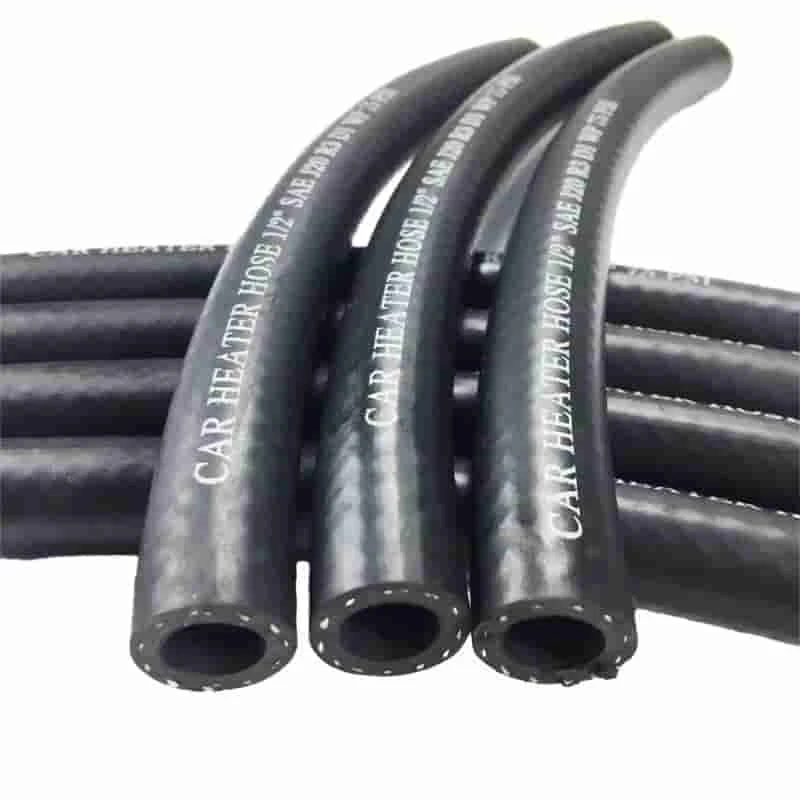
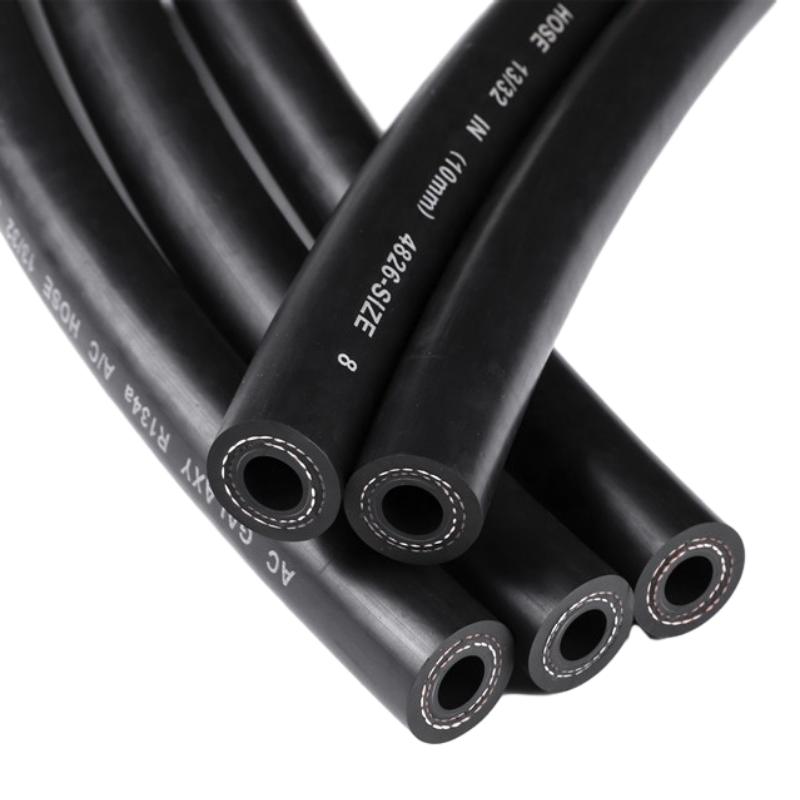
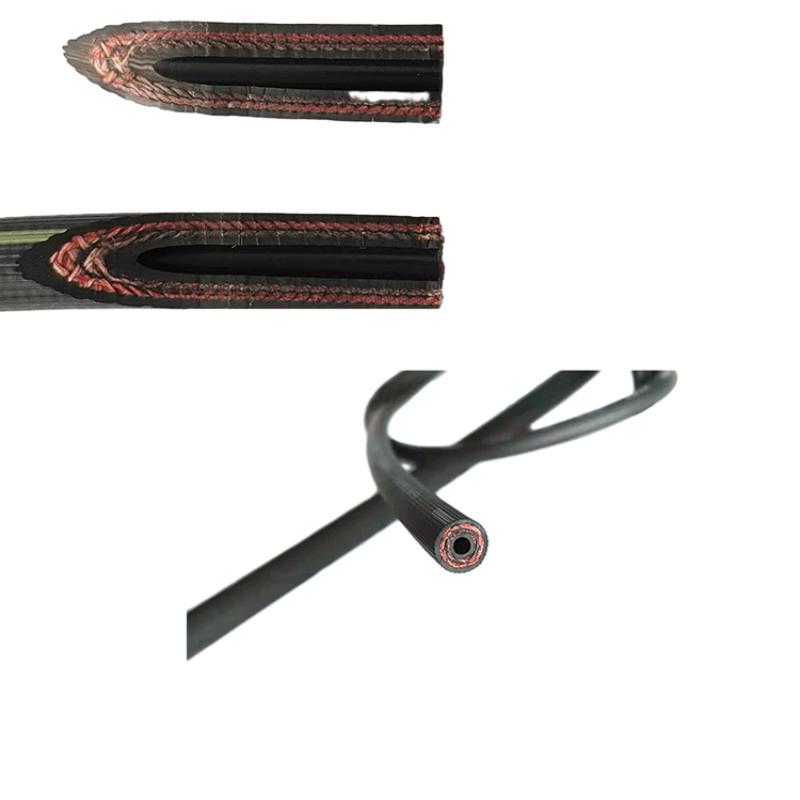
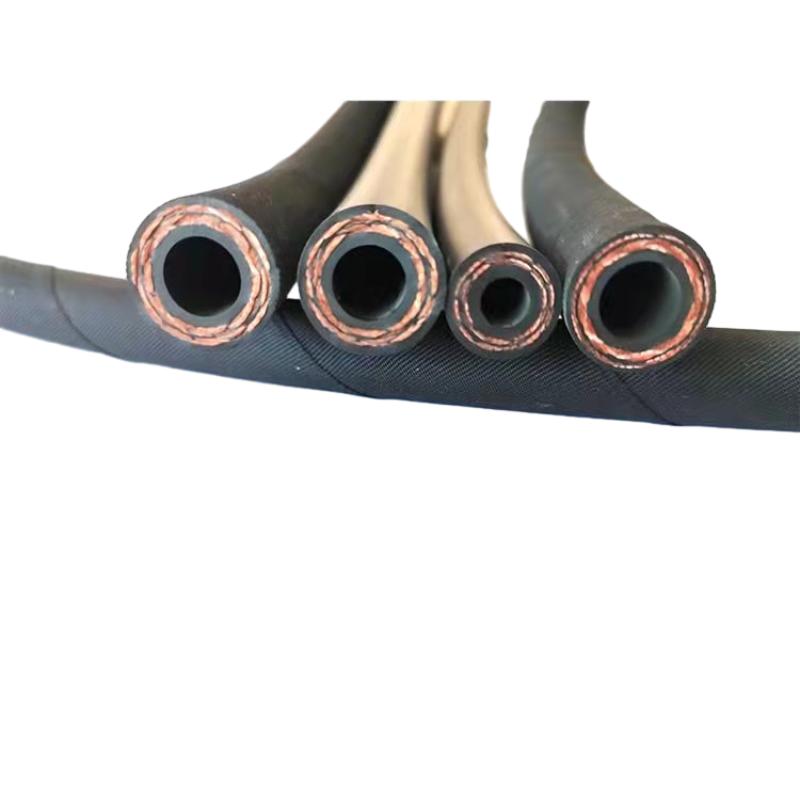
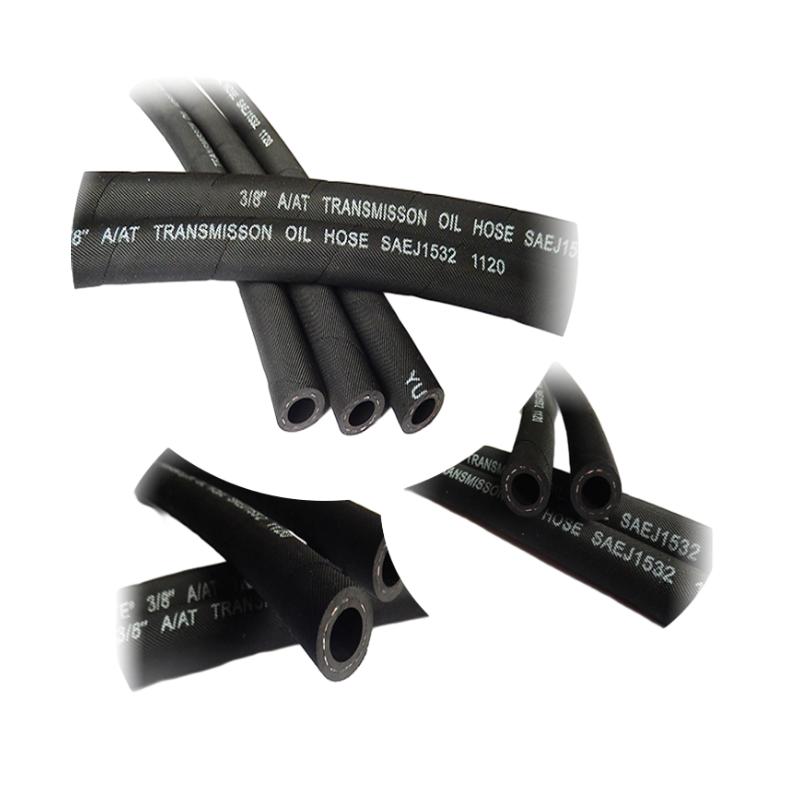
Premium ac flexible hose Solutions for Chile's Automotive Market

Engineering high-performance rubber components to withstand the extreme climatic diversity of the Chilean landscape, from the Atacama Desert to the Patagonian South.

Premium ac flexible hose Solutions for Chile's Automotive Market

Providing specialized rubber hose assemblies designed for durability, thermal stability, and precision fit for the Chilean automotive aftermarket and OEM sectors.

Automotive Rubber Component Landscape in Chile

Analyzing the demand for high-specification shaped hose and HVAC components in the South American hub.

Chile presents a unique challenge for automotive rubber parts due to its extreme geographical span. In the northern regions, intense UV radiation and heat demand formed hose materials that resist ozone cracking and thermal degradation, ensuring that vehicle cooling and AC systems remain operational under desert conditions.

The central valley's bustling urban logistics hubs increase the wear and tear on commercial fleets. This has led to a surge in demand for robust ac hose replacements that can withstand high-frequency vibration and pressure spikes common in stop-and-go city traffic in Santiago.

Furthermore, the southern regions' cold and humid climate requires rubber compounds with superior flexibility at low temperatures. The market is shifting away from generic imports toward precision-engineered components that meet specific regional durability standards.
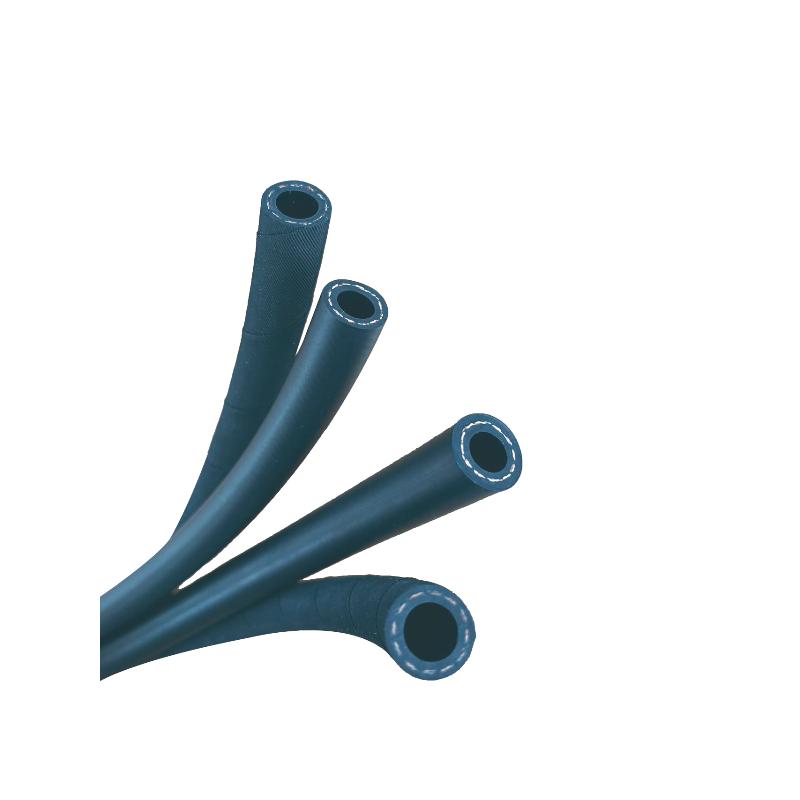
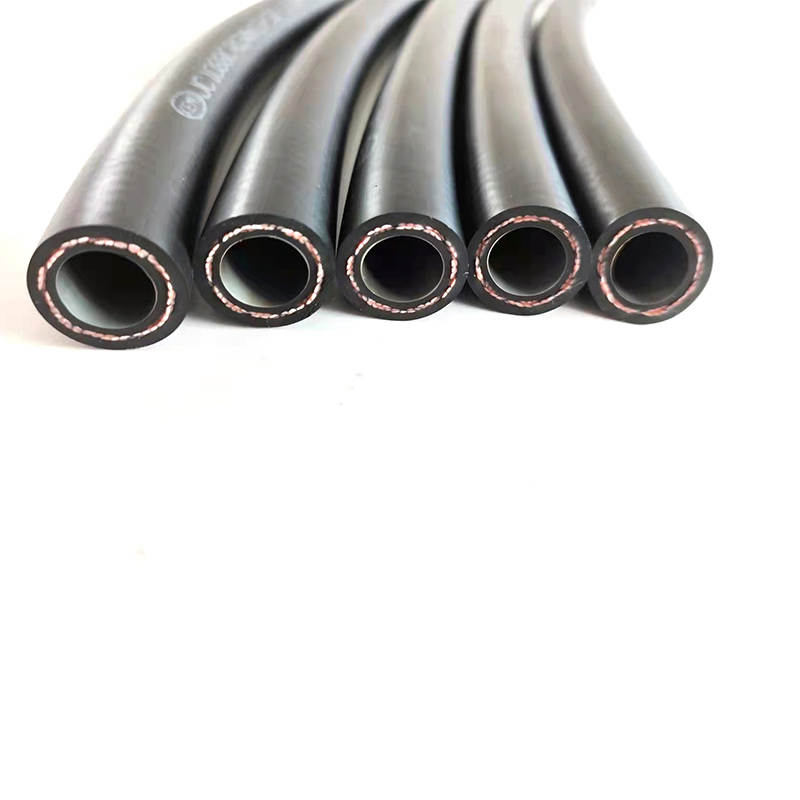
Evolution and Technical Trajectory of Hose Systems

From basic rubber tubes to advanced composite ac charging hose technology.

Market Development History

In the early 2000s, the Chilean market relied heavily on standard natural rubber hoses which suffered from rapid aging. The transition began around 2010 with the introduction of EPDM and nitrile blends, improving the lifespan of critical automotive conduits.

By 2015, the adoption of precision molding techniques allowed for the widespread use of complex geometries, reducing the need for bulky clamps and decreasing leakage rates in high-pressure AC systems.

Recently, the integration of synthetic reinforcement layers has revolutionized the industry, enabling hoses to handle newer, more environmentally friendly refrigerants that require higher pressure tolerances.

Future Development Trends

Smart Material Integration

We anticipate the integration of sensor-embedded rubber to monitor pressure and leakage in real-time, reducing downtime for commercial fleets.

Eco-Friendly Compound Shift

A move toward bio-based elastomers to reduce the carbon footprint of the manufacturing process, aligning with Chile's national sustainability goals.

Ultra-High Precision Molding

Enhanced 3D scanning for molds to create perfectly contoured parts that eliminate installation stress and extend the seal life.

Industry Outlook & Future Projections

Predicting the shift in automotive rubber technology based on search trends and regional economic growth.

EV Thermal Management
Shift toward specialized hoses for electric vehicle battery cooling systems, demanding extreme chemical resistance.
Lightweighting Materials
Implementation of reinforced polymers to reduce vehicle weight while maintaining structural integrity.
Advanced HVAC Sealants
New rubber compounds designed to be compatible with next-gen low-GWP refrigerants.
Rapid Prototyping
Using additive manufacturing to develop custom shapes for vintage car restoration in Chile.

Industry Outlook

Google search trends indicate a rising interest in "energy-efficient HVAC systems" and "EV cooling components" within the Chilean market. This suggests that the future of the rubber hose industry will be inextricably linked to the electrification of transport.

Consequently, manufacturers must pivot toward high-dielectric materials and hoses that can handle the higher thermal loads associated with rapid-charging batteries and high-efficiency heat pumps.

Localized Applications in Chile

Real-world implementation of high-performance automotive rubber solutions across diverse Chilean terrains.

01. Mining Fleet HVAC Maintenance

Deploying heavy-duty ac hose systems for mining trucks in Antofagasta, where dust resistance and extreme heat tolerance are critical for operator safety.

02. Agricultural Machinery in the Central Valley

Utilizing reinforced formed hose for hydraulic and cooling systems in vineyards and fruit orchards, resisting pesticide exposure.

03. Urban Transit Fleet Upgrades

Implementing precision shaped hose replacements for Santiago's public bus fleets to reduce leakage and improve fuel efficiency.

04. Specialized Workshop Service Tools

Providing high-pressure ac charging hose kits for certified automotive technicians throughout Chile's main cities.

05. High-Altitude Vehicle Adaptations

Engineering hoses for vehicles operating in the Andes, focusing on flexibility and pressure stability in low-oxygen and freezing environments.

Brand Story

Global Development Journey of Hebei Kemo Automotive Parts Technology Co., Ltd.

Foundational Excellence

Established with a mission to solve the most persistent leakages and durability failures in automotive rubber systems through advanced material science.

Technical Innovation

Pioneered precision molding processes that allowed for complex geometries, reducing assembly time and increasing seal reliability.

Global Expansion

Extended our reach to South American markets, adapting our product lines to meet the rigorous environmental demands of regions like Chile.

Quality Certification

Achieved international standards for rubber manufacturing, ensuring every component meets strict safety and performance benchmarks.

Sustainable Future

Now focusing on eco-friendly elastomers and EV-ready components to lead the transition toward green mobility.

Complete Automotive Rubber Portfolio for Chile

A comprehensive range of hoses engineered for the diverse requirements of the Chilean automotive industry.

Chilean Market Technical FAQ

Expert answers to common questions regarding automotive rubber components in Chile.

How does UV radiation in Northern Chile affect ac flexible hose lifespan?

High UV exposure can cause rubber oxidation and cracking. We use UV-stabilized EPDM compounds to prevent premature degradation in arid regions.

What is the advantage of a shaped hose over a standard hose in modern engines?

A shaped hose is molded to the exact contour of the engine bay, eliminating kinks and reducing the need for support brackets, which improves flow and reduces vibration wear.

Are your ac charging hose products compatible with R134a and R1234yf?

Yes, our hoses are engineered with barrier layers that are compatible with both traditional and next-generation low-GWP refrigerants.

How often should a formed hose be inspected in heavy-duty mining vehicles?

Given the extreme conditions in Chilean mines, we recommend a detailed visual inspection every 3,000 operating hours for signs of abrasion or thermal hardening.

Can ac hose assemblies be customized for specific vehicle modifications in Chile?

Yes, we offer custom engineering services based on technical drawings to ensure a perfect fit for specialized vehicle modifications.

What certifications ensure the quality of your automotive rubber products?

Our products adhere to IATF 16949 standards, ensuring rigorous quality control from raw material selection to final pressure testing.

Get Expert Technical Support

Contact our engineering team for high-performance rubber solutions tailored for the automotive sector in Chile.

Contact Us Now

If you are interested in our products, you can choose to leave your information here, and we will be in touch with you shortly.