
High-Performance ac flexible hose Solutions for Bolivia

Precision-engineered rubber components designed to withstand the extreme altitude and varied climatic conditions of the Bolivian automotive market.

High-Performance ac flexible hose Solutions for Bolivia

Providing the Bolivian automotive industry with durable, leak-proof, and high-pressure resistant rubber hose systems tailored for diverse terrains and climatic extremes.

Automotive Rubber Hose Market Status in Bolivia

Analyzing the intersection of geography and technical requirements for AC systems.

The automotive landscape in Bolivia is uniquely challenging due to its extreme geography, ranging from the high-altitude Altiplano to the tropical lowlands. This temperature variance puts immense stress on ac hose systems, which must maintain flexibility at freezing mountain temperatures while resisting degradation in humid jungle heat.

Currently, the market relies heavily on aftermarket replacements. There is a growing demand for high-quality formed hose products that offer precise fits for aging vehicle fleets, reducing the need for improvised modifications that often lead to refrigerant leaks in the Andean regions.

Logistical constraints and a fragmented supply chain mean that Bolivian operators prioritize components with long service lives. The transition toward more efficient shaped hose designs is becoming essential to optimize engine bay space and improve the cooling efficiency of vehicles operating in low-oxygen high-altitude environments.
Technical Evolution and Development Trajectory

From standard rubber tubing to precision-engineered automotive fluid conductors.

Market Development History

In the early 2000s, the Bolivian market primarily utilized generic rubber hoses that lacked specific resistance to modern refrigerants, leading to frequent failures in AC systems under high-pressure loads.

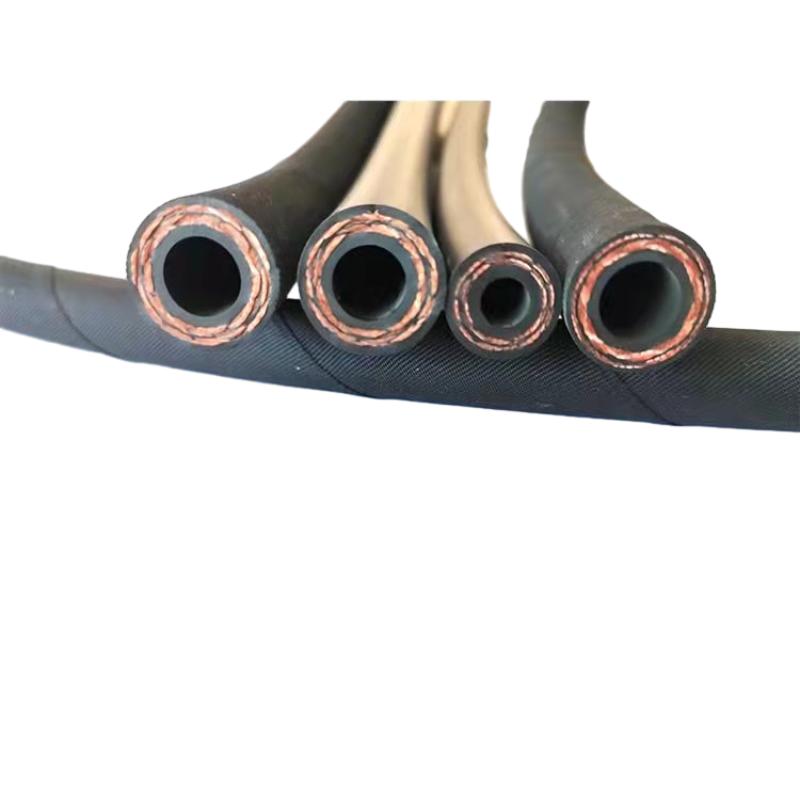
Between 2010 and 2020, the introduction of synthetic EPDM and reinforced layers allowed for the adoption of the ac charging hose, enabling more professional maintenance services in cities like La Paz and Santa Cruz.

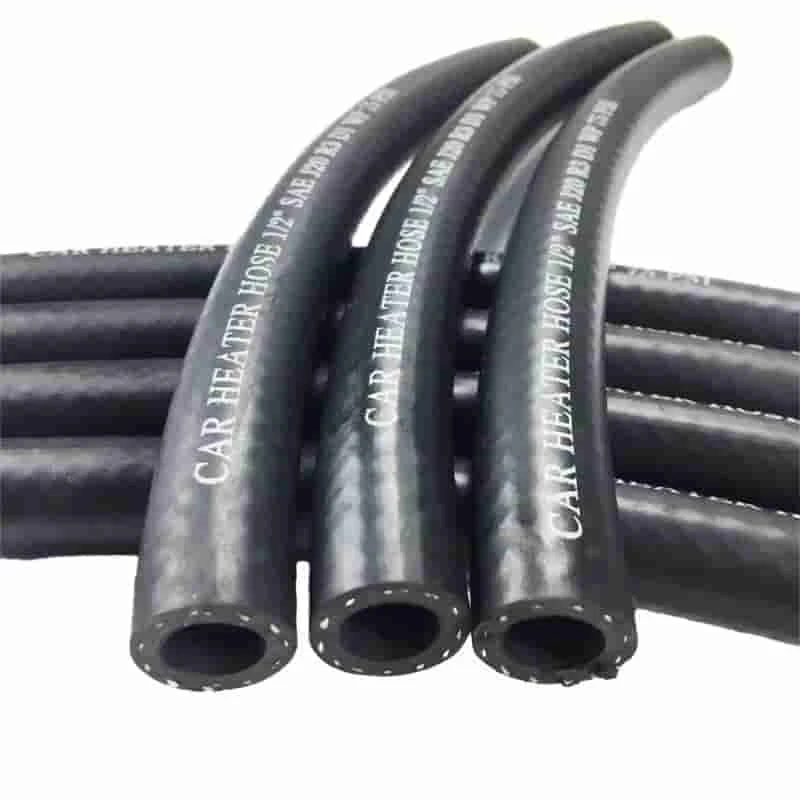
Today, the industry has moved toward "Zero-Leak" standards, utilizing advanced molding techniques for shaped hose components that ensure structural integrity even under the constant vibration of rough Andean roads.

Future Development Trends

Next-Gen Thermal Stability

Development of polymer blends specifically designed to prevent cracking in the extreme UV radiation found at high altitudes in Bolivia.

Smart Integration

Integration of sensors within the hose wall to monitor pressure drops and detect leaks before total system failure occurs.

Eco-Friendly Refrigerant Compatibility

Transitioning all rubber compositions to be fully compatible with R1234yf and other low-GWP refrigerants to meet emerging environmental regulations.

Future Trends and Industry Outlook

Driving the future of automotive rubber manufacturing for the South American market.

Material Innovation
Adopting high-grade fluorinated rubbers to resist the aggressive chemicals found in varied industrial lubricants across Bolivia.
Precision Molding
Utilizing 3D-scanned molds to create perfectly fitted components that eliminate installation errors in local workshops.
Sustainable Sourcing
Reducing carbon footprints by optimizing shipping routes to Bolivian ports and using recyclable rubber compounds.
EV Adaptation
Designing specialized thermal management hoses for the emerging electric vehicle fleet in urban Bolivian centers.

Industry Outlook

Google search trends indicate a significant rise in queries related to "high-durability automotive parts" in Bolivia, reflecting a shift from cheap, disposable components toward long-term reliability. This suggests that the market is maturing, with consumers willing to pay a premium for certified rubber products.

We anticipate that within the next 3-5 years, the integration of composite reinforcements will become standard, allowing hoses to withstand higher operating pressures while reducing overall weight, directly contributing to better fuel efficiency for logistics vehicles crossing the Andes.

Localized Application Scenarios in Bolivia

Real-world implementations of our rubber hose solutions across Bolivian terrains.

1. High-Altitude Logistics in La Paz

Using reinforced shaped hose systems in heavy-duty trucks to prevent collapse under extreme pressure fluctuations during steep climbs in the Altiplano.

2. Tropical Humidity Resistance in Santa Cruz

Deployment of anti-fungal and UV-resistant ac flexible hose components to prevent rubber rot and cracking caused by intense tropical humidity and sun exposure.

3. Mining Fleet Maintenance in Potosí

Implementation of heavy-duty formed hose for mining equipment cooling systems, ensuring durability against abrasive dust and rocky debris.

4. Urban Transit AC Upgrades in Cochabamba

Standardizing city bus fleets with high-efficiency ac hose replacements to ensure passenger comfort during peak summer temperature spikes.

5. Professional Workshop Charging Kits

Equipping specialized automotive centers with precision ac charging hose sets that minimize refrigerant loss during the vacuum and charging process.

Brand Story

Global Development History of Hebei Kemo Automotive Parts Technology Co., Ltd.

Foundational Excellence

Established with a mission to solve the core pain point of premature rubber failure in automotive cooling and AC systems through advanced polymer research.

Technical Breakthroughs

Developed proprietary molding techniques that allowed for the creation of complex geometric hoses with zero wall-thickness variation.

Global Expansion

Extended our reach to the South American market, tailoring product specifications to meet the rigorous demands of Bolivian geography.

Quality Certification

Achieved international IATF 16949 certification, ensuring every component meets the highest automotive safety and durability standards.

Future Vision

Leading the transition toward sustainable, eco-friendly rubber manufacturing to support the global move toward green mobility.

Comprehensive Product Portfolio for Bolivia

A complete range of rubber hose solutions designed for the Bolivian automotive aftermarket and OEM sectors.

Bolivian Market FAQ

Technical answers for common challenges in the local rubber hose industry.

How does altitude affect the lifespan of an ac flexible hose in La Paz?

High altitudes increase UV exposure and cause greater temperature swings, which can lead to rubber embrittlement. Our hoses use reinforced EPDM to maintain elasticity despite these conditions.

What is the advantage of using a formed hose over a standard straight hose?

A formed hose is molded to a specific shape, preventing kinking and reducing stress on connection points, which is critical for the rough roads found in rural Bolivia.

Are your ac charging hose kits compatible with different refrigerant types?

Yes, our charging hoses are engineered with multi-layer barriers to be compatible with R134a and the newer R1234yf standards used in modern vehicles.

How to identify a high-quality shaped hose for heavy-duty trucks?

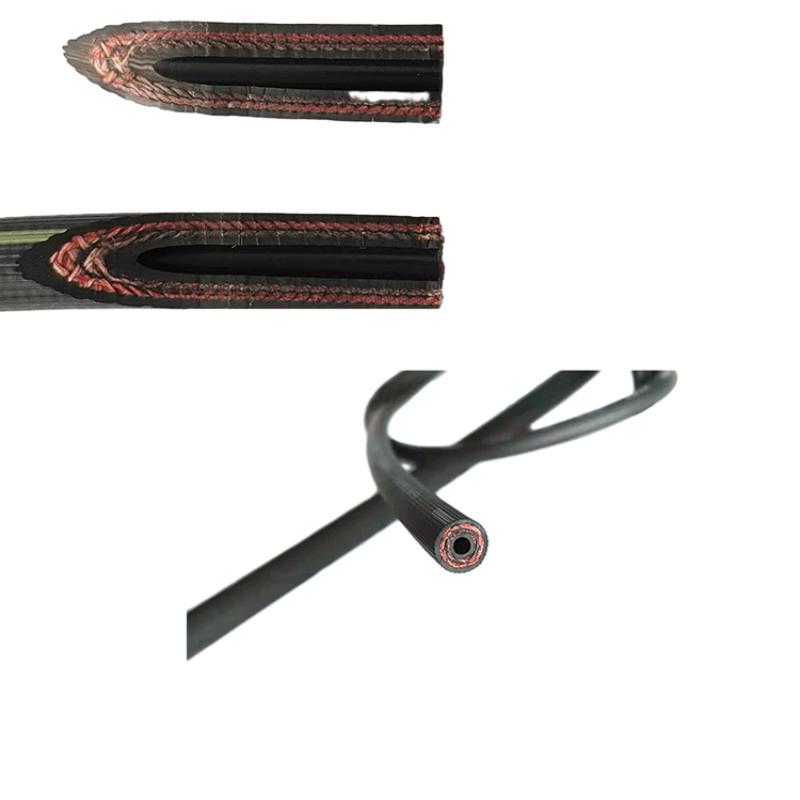
Look for consistent wall thickness and a high-density reinforcement layer. Our shaped hoses undergo rigorous pressure testing to ensure they don't bulge under load.

Why is the ac hose prone to leaking in the humid regions of Santa Cruz?

High humidity and heat accelerate the oxidation of low-grade rubber. We use specialized antioxidants in our compounds to prevent this degradation.

What is the recommended replacement interval for rubber hoses in Bolivian climates?

Due to extreme environmental stress, we recommend a visual inspection every 20,000km and a full replacement of critical AC lines every 5 years.

Get Expert Guidance Today

Partner with the leading expert in automotive rubber solutions for your business in Bolivia.

Contact Us Now

If you are interested in our products, you can choose to leave your information here, and we will be in touch with you shortly.