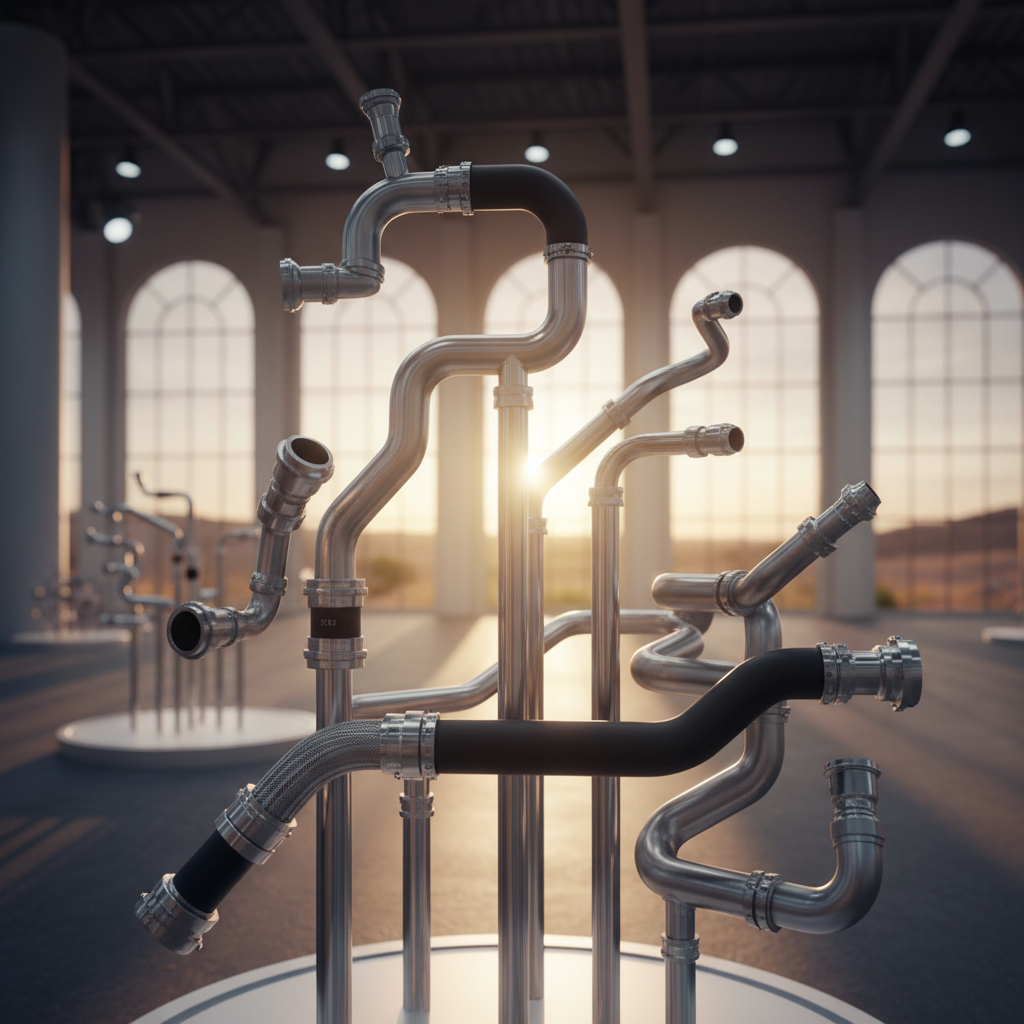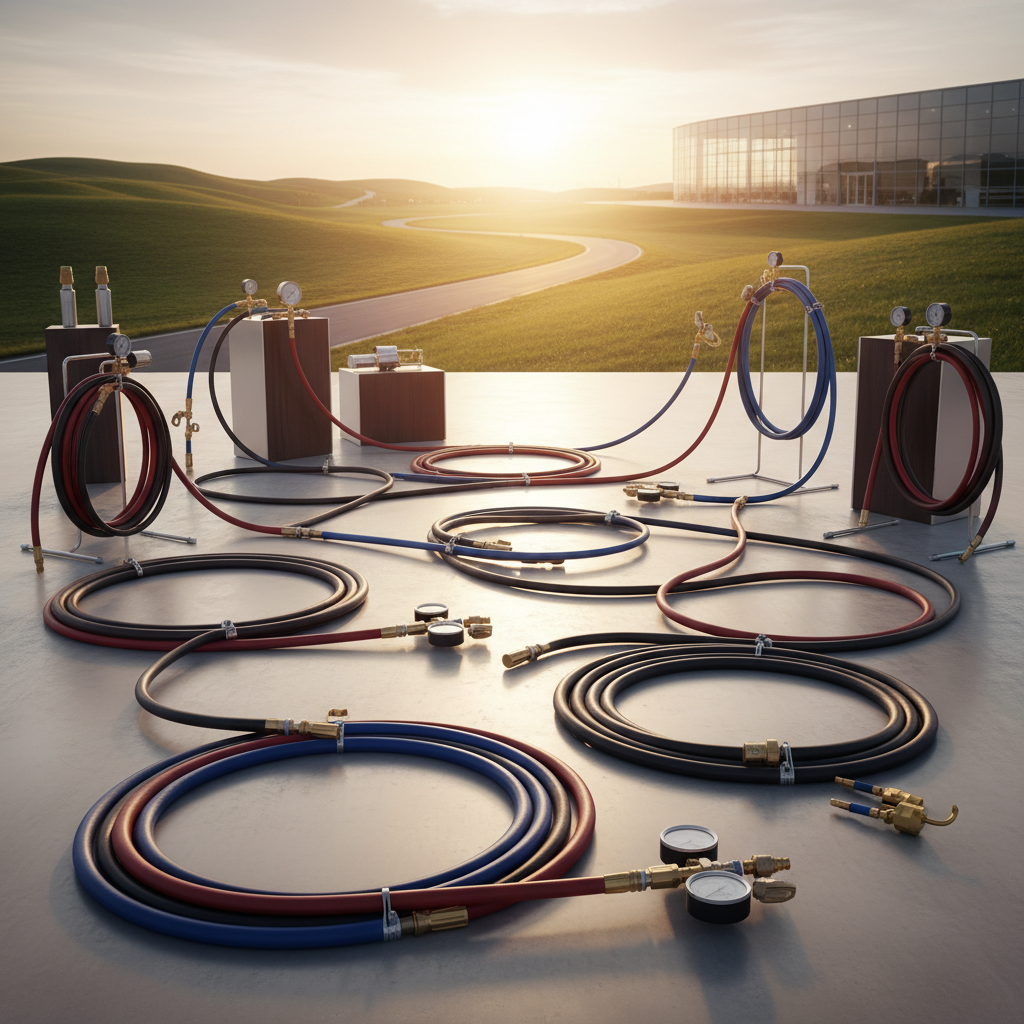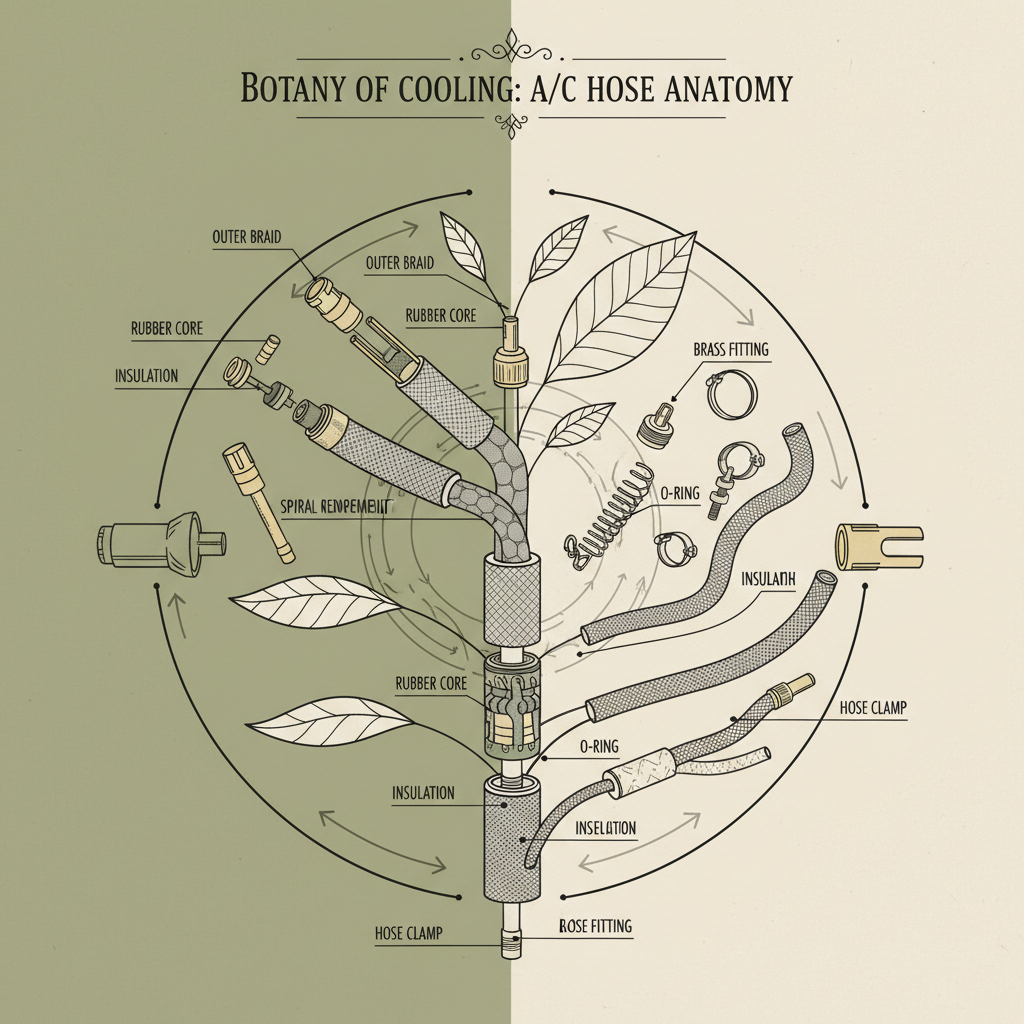
The ac line from condenser to evaporator is a critical component in refrigeration and air conditioning systems, responsible for transporting high-pressure liquid refrigerant between the condenser and the evaporator. Understanding its function, material requirements, and potential failure points is paramount for efficient system operation and longevity. This system, found globally in everything from residential units to large industrial chillers, directly impacts energy consumption, environmental sustainability, and operational costs. Ensuring its integrity through proper design, maintenance, and material selection is vital for reliable performance.
Globally, the demand for efficient cooling solutions is rising dramatically, driven by increasing temperatures, population growth, and expanding industrialization. According to the International Energy Agency (IEA), space cooling accounts for approximately 20% of global electricity consumption, and this figure is projected to triple by 2050. The ac line from condenser to evaporator plays a significant role in this energy equation – leaks or blockages can severely compromise system efficiency, leading to increased energy use and refrigerant emissions.
The challenge lies in balancing cost-effectiveness with long-term reliability and environmental responsibility. Older systems often use materials susceptible to corrosion or degradation, leading to frequent replacements and potential refrigerant leaks. Advancements in material science and manufacturing are offering solutions, but widespread adoption requires careful consideration of cost, compatibility, and performance.

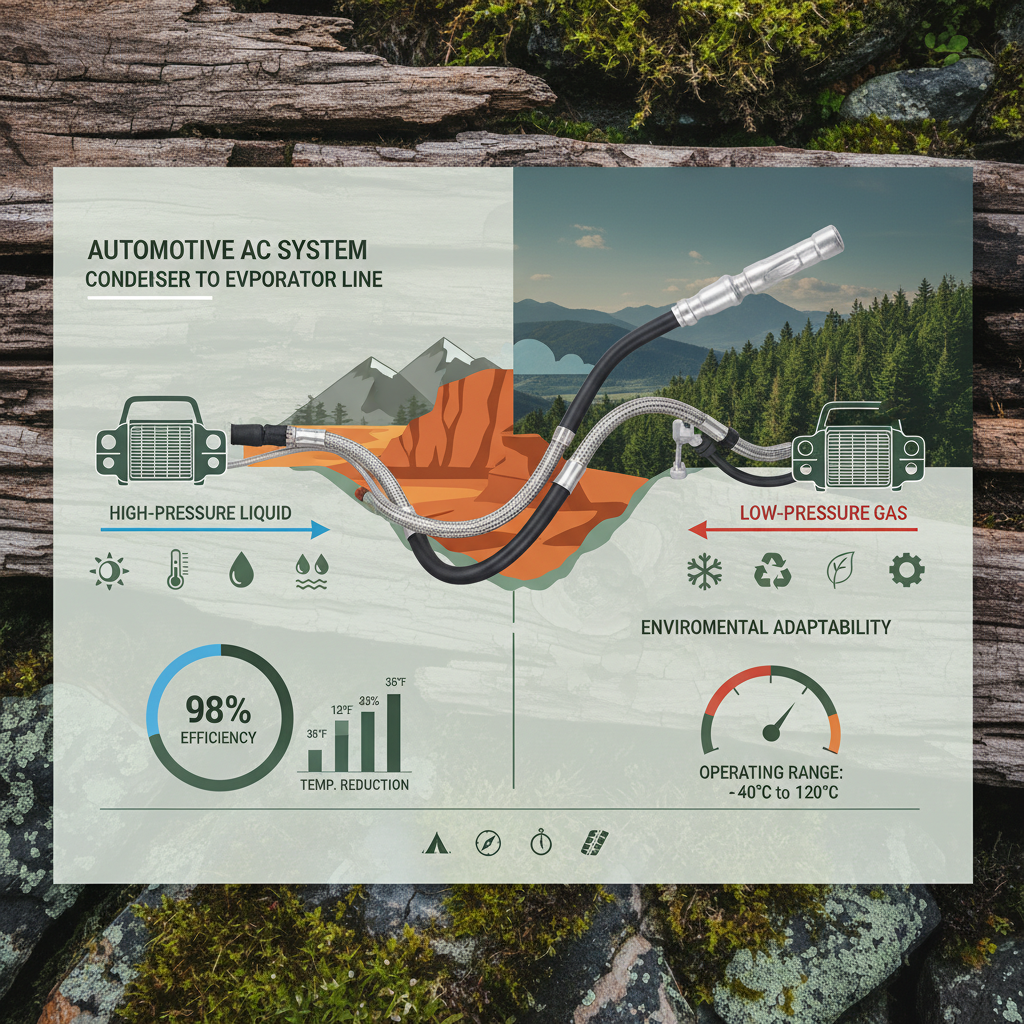
The ac line from condenser to evaporator is often underestimated, yet its performance directly impacts the overall efficiency and lifespan of refrigeration and air conditioning systems. A compromised line can lead to refrigerant leaks, resulting in reduced cooling capacity, increased energy consumption, and potential environmental damage. Regular inspection and maintenance are crucial for preventing these issues.
The material composition of this line is also vital. Traditionally, copper has been the material of choice due to its excellent thermal conductivity and corrosion resistance. However, alternative materials, such as stainless steel and specialized polymers, are gaining traction, offering improved durability and resistance to specific refrigerants.
Leaks in the ac line from condenser to evaporator often stem from corrosion, particularly in coastal environments or industrial areas with corrosive pollutants. Improperly installed connections, such as flared fittings, are also frequent culprits. Vibration fatigue, caused by inadequate support, and mechanical damage from external impacts can also lead to leaks over time. Refrigerant incompatibility with line materials can also cause degradation and eventual leakage.
Regular inspections are crucial for preventing costly failures. A visual inspection should be conducted at least annually, preferably during routine system maintenance. More frequent inspections (quarterly or even monthly) are recommended in harsh environments or for critical applications. Leak detection methods, such as electronic leak detectors or bubble solutions, should be used during these inspections.
Newer refrigerants often have different chemical properties than older ones. Stainless steel is often the preferred material for lines carrying these refrigerants due to its excellent compatibility and corrosion resistance. Specialized polymers are also emerging as viable options, but it's crucial to verify compatibility with the specific refrigerant being used. Copper may be unsuitable for certain newer refrigerants.
Proper support is key. Ensure the line is securely fastened to stable structures using appropriate hangers and clamps. Use vibration-dampening materials between the line and the support structure to absorb vibrations. Avoid running the line directly against vibrating components. Regularly check the supports for looseness or damage.
The lifespan varies greatly depending on the material, environment, and maintenance schedule. Copper lines can last 15-20 years or more with proper care. Stainless steel lines often have a longer lifespan, potentially exceeding 25 years. Polymer lines may have a shorter lifespan, but can be a cost-effective option for specific applications. Regular inspection and preventative maintenance are critical for maximizing lifespan.
Refrigerant leaks can have significant environmental consequences. Many refrigerants are potent greenhouse gases, contributing to climate change. Some older refrigerants also deplete the ozone layer. Properly maintaining the ac line from condenser to evaporator and promptly addressing leaks is essential for minimizing environmental impact and complying with regulations.
The ac line from condenser to evaporator is a seemingly simple component that plays a vital role in the efficiency, reliability, and environmental sustainability of refrigeration and air conditioning systems. Understanding its core function, material requirements, and potential failure points is crucial for professionals in the HVACR industry and anyone seeking to optimize energy consumption and minimize their environmental footprint. Prioritizing quality materials, proper installation, and regular maintenance can significantly extend the lifespan of these systems and reduce long-term costs.
Looking ahead, advancements in material science and monitoring technologies will continue to enhance the performance and reliability of refrigerant lines. Embracing these innovations, coupled with a commitment to responsible refrigerant management, will be essential for creating a more sustainable and efficient cooling future. For high-quality solutions and expert advice, visit our website: www.kemohose.com.