0%

Table of Contents

The ac compressor pipe is a vital component in refrigeration and air conditioning systems, responsible for efficiently circulating refrigerant between the compressor, condenser, expansion valve, and evaporator. Its performance directly impacts the cooling capacity and overall energy efficiency of these systems, making it a critical element in maintaining comfortable indoor environments and preserving temperature-sensitive goods globally. Understanding its materials, design, and maintenance is paramount for professionals in HVACR and related fields.

Globally, the demand for efficient cooling solutions is steadily increasing due to rising temperatures, urbanization, and a growing middle class. This has fueled a corresponding demand for reliable and durable ac compressor pipes. From residential air conditioning units to large-scale industrial refrigeration plants, these pipes play a crucial role in countless applications. The selection and proper implementation of ac compressor pipe technology directly impact energy consumption and environmental sustainability.

The increasing complexities of modern refrigerants and the push for environmentally friendly alternatives necessitate continuous innovation in ac compressor pipe materials and manufacturing processes. A properly functioning ac compressor pipe is not just about cooling; it is a key element in resource management, operational cost reduction, and responsible environmental stewardship.

Understanding Ac Compressor Pipe Technology for Efficient Cooling Systems

Introduction to ac Compressor Pipe

Understanding Ac Compressor Pipe Technology for Efficient Cooling Systems

Ac compressor pipes aren't just conduits; they’re engineered solutions designed to withstand high pressures, extreme temperatures, and the corrosive nature of refrigerants. The integrity of these pipes is fundamental to preventing leaks, ensuring efficient refrigerant flow, and maximizing the lifespan of the entire cooling system. Regular inspection and maintenance of ac compressor pipes are key preventative measures.

The choice of material for an ac compressor pipe greatly impacts its suitability for specific applications. Copper, aluminum alloys, and increasingly, plastic composites are utilized, each offering unique strengths and weaknesses. Selecting the right material considers factors such as cost, compatibility with the refrigerant used, and the operating conditions of the system.

Defining ac Compressor Pipe

An ac compressor pipe, at its core, is a tubular component that facilitates the movement of refrigerant—the working fluid in a cooling cycle—between the various parts of an air conditioning or refrigeration system. These parts include the compressor itself, the condenser, the expansion valve or capillary tube, and the evaporator. The pipe’s primary function is to safely and efficiently transport this refrigerant in either gaseous or liquid form.

The significance of ac compressor pipe extends beyond simple fluid transport. Its design directly impacts the system’s efficiency, reliability, and longevity. A properly sized and installed ac compressor pipe minimizes pressure drop, prevents refrigerant leaks, and ensures optimal heat transfer. This translates to lower energy bills, reduced maintenance costs, and a smaller environmental footprint.

Modern ac compressor pipes are often engineered with specific characteristics to accommodate the evolving refrigerant landscape. With the phasing out of ozone-depleting substances and the introduction of newer, more environmentally friendly refrigerants, pipes must exhibit compatibility and resistance to corrosion from these new fluids.

Key Characteristics of ac Compressor Pipe

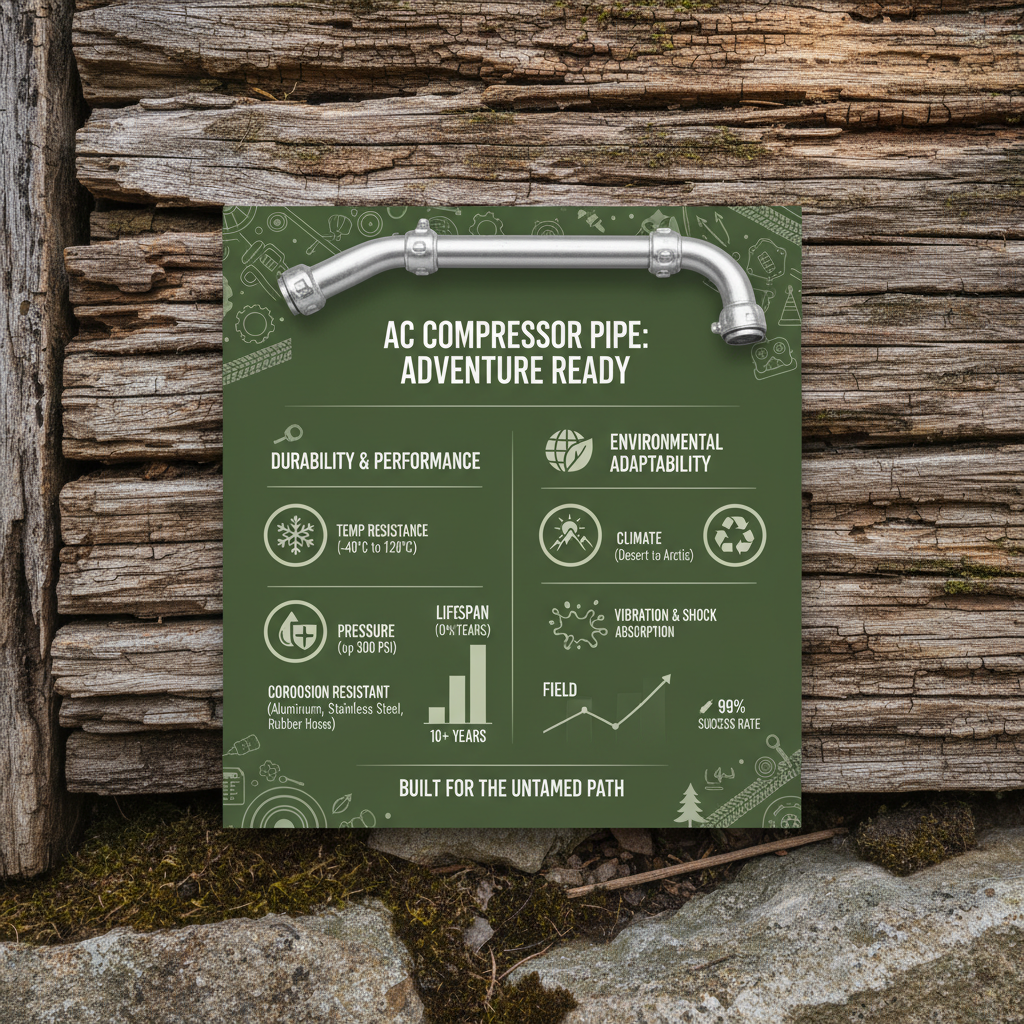
Durability is a paramount characteristic of an effective ac compressor pipe. Systems are subjected to constant pressure fluctuations, temperature variations, and potential physical stress. Pipes must resist corrosion, erosion, and cracking to ensure a long service life and prevent costly refrigerant leaks.

Compatibility with various refrigerants is another critical factor. Different refrigerants have different chemical properties, and the pipe material must be resistant to corrosion or degradation caused by contact with these fluids. This is particularly important as refrigerant formulations continue to evolve towards more environmentally friendly options.

Thermal conductivity plays a role in the efficiency of heat transfer within the system. While not always the primary concern, certain pipe materials can enhance or hinder heat exchange, potentially impacting overall cooling performance. Proper insulation around the pipe can also mitigate thermal losses or gains.

Practical Applications of ac Compressor Pipe

Ac compressor pipes are indispensable in residential air conditioning units, providing cooling for homes and maintaining comfortable indoor climates. Their reliable operation ensures consistent performance, preventing breakdowns and minimizing the need for frequent repairs.

Commercial refrigeration systems, such as those found in supermarkets and restaurants, rely heavily on ac compressor pipes to maintain consistent temperatures for food preservation. Their reliability is essential for preventing spoilage and ensuring food safety standards are met.

Ac Compressor Pipe Performance Metrics


Global Use Cases for ac Compressor Pipe

In industrial settings, like chemical processing plants and power generation facilities, ac compressor pipes are crucial for maintaining precise temperature control in critical processes. Their robust construction and reliable performance are essential for preventing downtime and ensuring operational efficiency.

Transportation refrigeration, including refrigerated trucks and shipping containers, relies heavily on ac compressor pipes to preserve the quality and safety of perishable goods during transit. Maintaining consistent temperatures throughout the supply chain is vital for preventing spoilage and minimizing waste.

Advantages and Long-Term Value

Investing in high-quality ac compressor pipes translates to significant cost savings over the lifespan of a cooling system. Reduced maintenance requirements, fewer refrigerant leaks, and improved energy efficiency all contribute to lower operating expenses.

From an environmental perspective, durable and leak-proof ac compressor pipes minimize refrigerant emissions, contributing to a smaller carbon footprint and compliance with increasingly stringent environmental regulations. Choosing sustainable materials further enhances the environmental benefits.

Reliable ac compressor pipes provide peace of mind, knowing that cooling systems will operate consistently and efficiently, protecting valuable assets and ensuring comfortable living or working conditions. This reliability builds trust and enhances the overall value of the system.

Future Trends in ac Compressor Pipe Technology

The development of new materials, such as advanced polymer composites and corrosion-resistant alloys, is poised to revolutionize ac compressor pipe technology, offering improved durability, lighter weight, and enhanced compatibility with next-generation refrigerants.

Smart pipes equipped with sensors and monitoring systems are emerging, enabling real-time leak detection, predictive maintenance, and optimized system performance. These technologies can significantly reduce downtime and improve energy efficiency.

The integration of digital technologies, such as Building Information Modeling (BIM) and Internet of Things (IoT), is streamlining the design, installation, and maintenance of ac compressor pipe systems, leading to greater efficiency and cost savings.

Summary of Ac Compressor Pipe Material Characteristics

Material Type Corrosion Resistance Cost (1-10) Pressure Rating (PSI)
Copper Excellent 7 500
Aluminum Alloy Good 5 400
Plastic Composite Very Good 6 350
Carbon Steel Fair (requires coating) 4 600
Stainless Steel Excellent 9 700
Polyvinyl Chloride (PVC) Good 3 250

FAQS

What is the typical lifespan of an ac compressor pipe?

The lifespan of an ac compressor pipe varies depending on the material, installation quality, and operating conditions. Copper and stainless steel pipes generally last 20-30 years with proper maintenance. Aluminum alloys typically last 15-20 years, while plastic composites can range from 10-15 years. Regular inspections and preventative maintenance can significantly extend the lifespan of any ac compressor pipe. Factors like refrigerant type and exposure to corrosive environments also influence longevity.

How do I identify a leak in an ac compressor pipe?

Identifying a leak can involve visual inspection for oil stains around joints and connections, as oil often accompanies refrigerant leaks. A refrigerant leak detector is a more reliable method, as it can pinpoint the exact location of the leak. Reduced cooling performance, hissing sounds, and ice formation on the pipes are also indicators of potential leaks. It’s crucial to address leaks promptly to prevent further damage and refrigerant loss.

What type of ac compressor pipe is best for saltwater environments?

In saltwater environments, corrosion is a significant concern. Stainless steel ac compressor pipes are the most resistant to saltwater corrosion due to their chromium content, which forms a protective oxide layer. Alternatively, plastic composite pipes specifically designed for marine applications can also provide excellent corrosion resistance. Copper, while generally corrosion-resistant, is more susceptible to corrosion in prolonged saltwater exposure.

Can I repair a leaking ac compressor pipe myself?

Repairing a leaking ac compressor pipe requires specialized tools and knowledge of refrigerant handling procedures. It's generally not recommended for DIY repairs, as improper handling of refrigerants can be harmful to the environment and pose safety risks. A qualified HVACR technician should handle repairs, ensuring proper evacuation, leak sealing, and refrigerant recharge, in compliance with relevant regulations.

How does pipe diameter affect ac system performance?

Pipe diameter significantly impacts refrigerant flow and system performance. Undersized pipes can create excessive pressure drop, reducing cooling capacity and increasing energy consumption. Oversized pipes can lead to inefficient refrigerant circulation. Proper pipe sizing is determined by factors such as system capacity, refrigerant type, and pipe length, and should be calculated by a qualified HVACR professional.

What are the environmental considerations when choosing an ac compressor pipe material?

Environmental considerations include the material's recyclability, embodied energy during production, and potential for refrigerant leakage. Copper is highly recyclable, while aluminum also has good recycling rates. Plastic composites can be more challenging to recycle. Choosing pipes with low permeability to prevent refrigerant leaks is crucial to minimize greenhouse gas emissions and protect the ozone layer. Additionally, selecting materials that minimize energy consumption during system operation contributes to a smaller environmental footprint.

Conclusion

In conclusion, the ac compressor pipe is a seemingly simple component that plays a pivotal role in the efficiency, reliability, and sustainability of cooling systems globally. Understanding its characteristics, applications, and future trends is critical for professionals and consumers alike. From selecting the right materials to implementing proactive maintenance strategies, prioritizing ac compressor pipe performance translates to significant benefits.

As we move towards a future characterized by increasing energy demands and environmental concerns, continued innovation in ac compressor pipe technology will be essential. Investing in research and development, embracing sustainable materials, and integrating smart technologies will pave the way for more efficient, environmentally friendly, and reliable cooling solutions. For superior quality ac compressor pipes, visit our website: www.kemohose.com.

Kevin Rodriguez

Kevin Rodriguez

Kevin Rodriguez is a Quality Control Engineer at KEMO, specializing in the rigorous testing of our rubber hoses. He’s proficient in operating and interpreting data from advanced testing equipment like flexure testers and internal volume dilatometers. Kevin is responsible for verifying that all KEMO products meet or exceed both domestic
Previous Understanding Ac Condensate Hoses For Efficient HVAC System Operation
Next Essential Guide to AC Compressor Lines for Efficient Cooling Systems