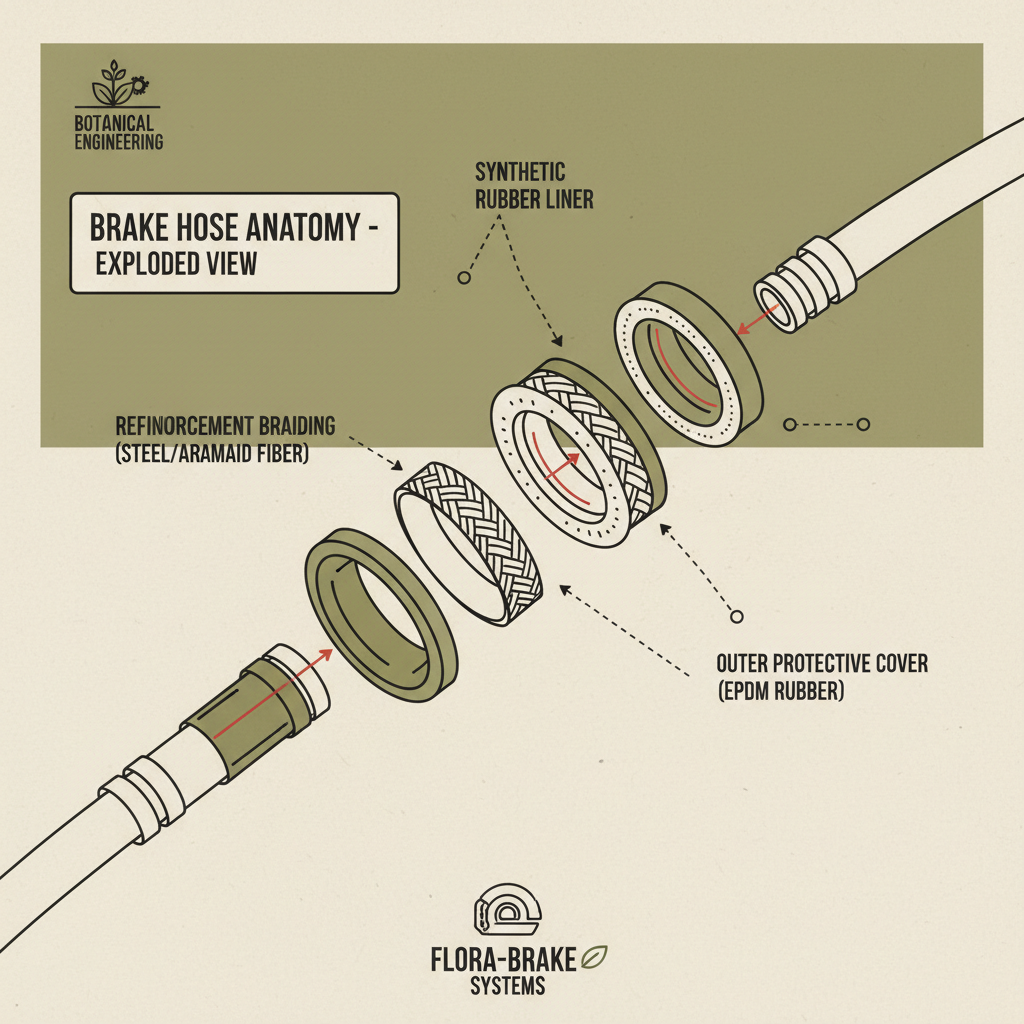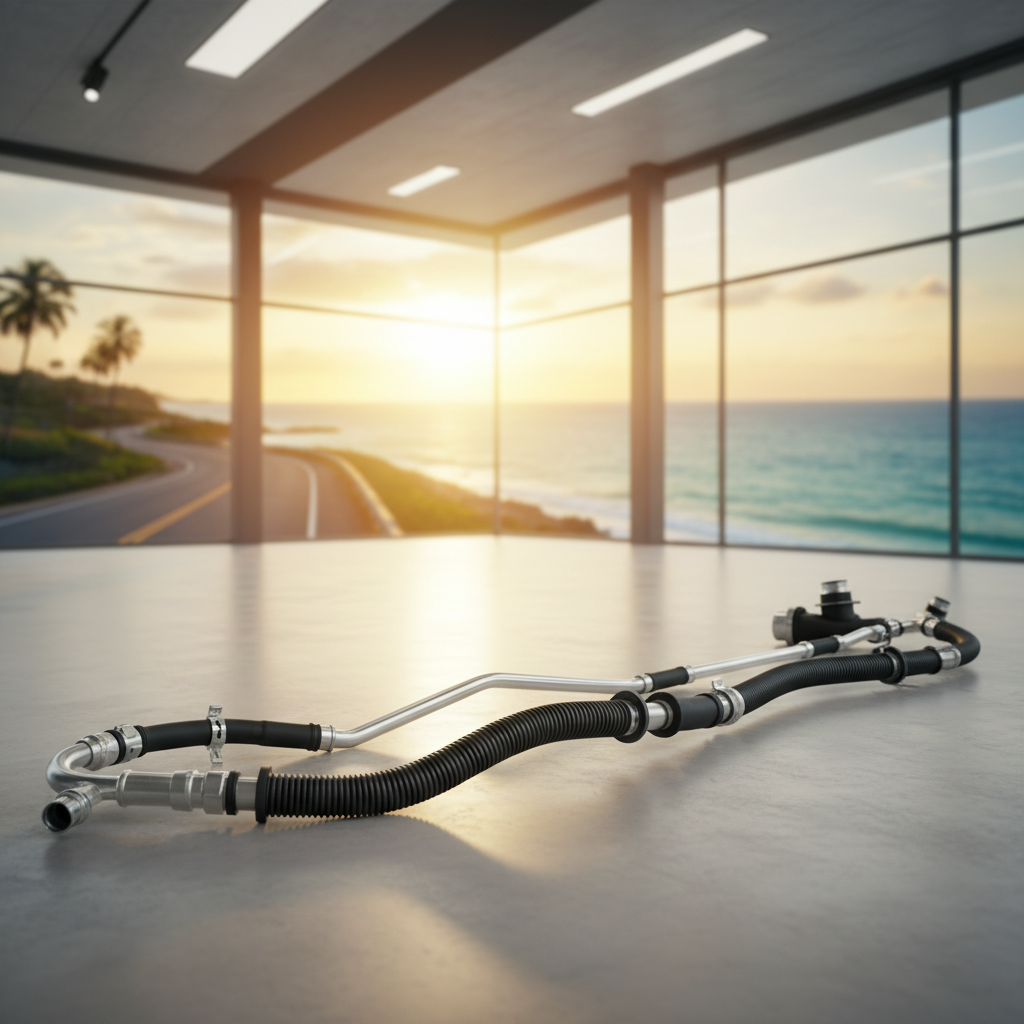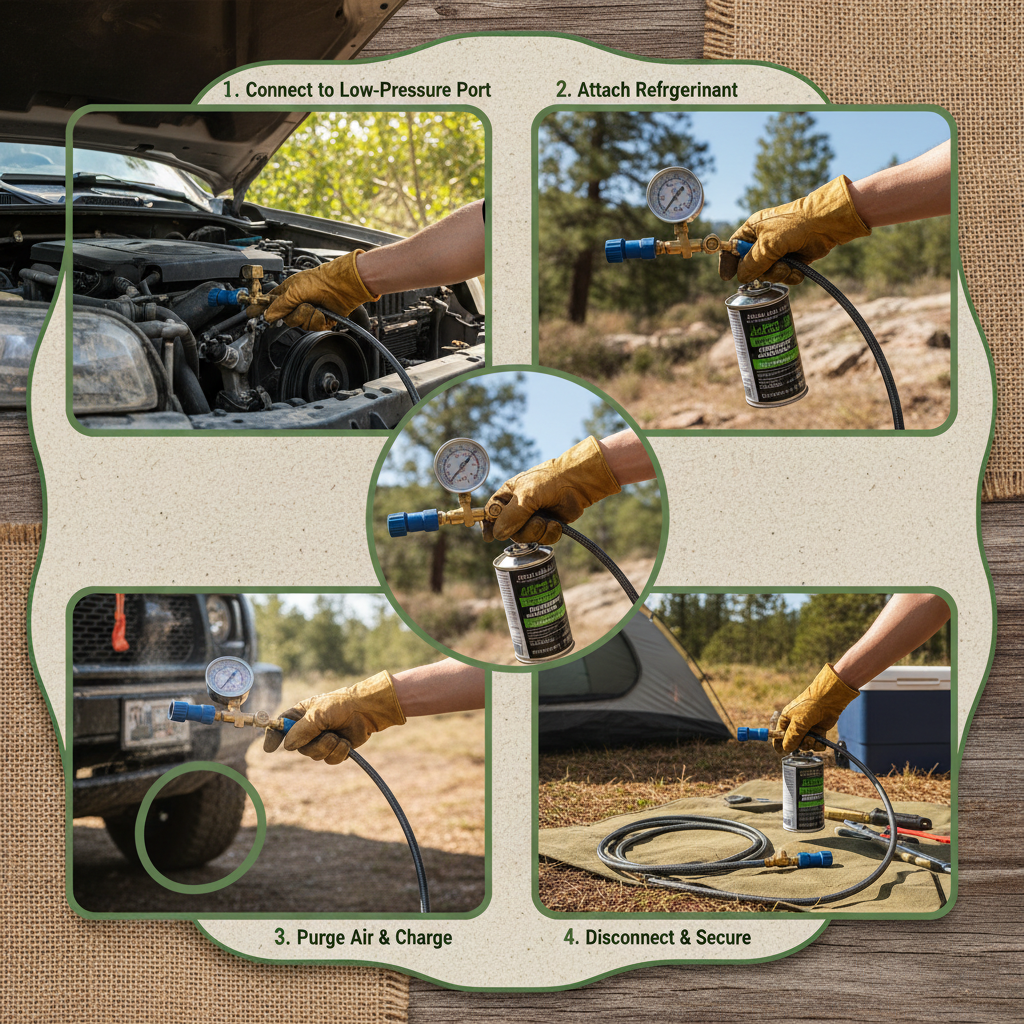
Look, I've spent years knee-deep in dust and concrete, watching projects rise from the ground. And let me tell you, the unsung heroes of a comfortable ride aren’t the leather seats or the fancy sound system, it’s the air conditioning, and specifically, the air conditioning pipes for cars that make it all happen. We’re talking about a system that has to withstand constant vibration, extreme temperatures, and the corrosive effects of road salt. It’s not glamorous, but without robust air conditioning pipes for cars, your summer road trip becomes a sweat lodge.
The demand is only increasing, too. Globally, vehicle ownership is on the rise, particularly in developing nations. According to the UN, vehicle production is projected to continue climbing, and with that comes a greater need for reliable climate control. It’s not just about comfort anymore; in some climates, it’s a safety issue. Heatstroke is a real danger, and a functioning AC system can be a lifesaver. We’re seeing manufacturers push for more efficient systems, demanding air conditioning pipes for cars that can handle higher pressures and new refrigerant types.
And it’s a tightrope walk. You’ve got cost pressures from the automakers, increasingly stringent environmental regulations, and the constant need for improved performance. I’ve seen too many systems fail prematurely because corners were cut on the piping. That’s why understanding the intricacies of these components is critical – it’s not just about moving refrigerant; it’s about delivering a reliable, safe, and efficient cooling experience for drivers worldwide.

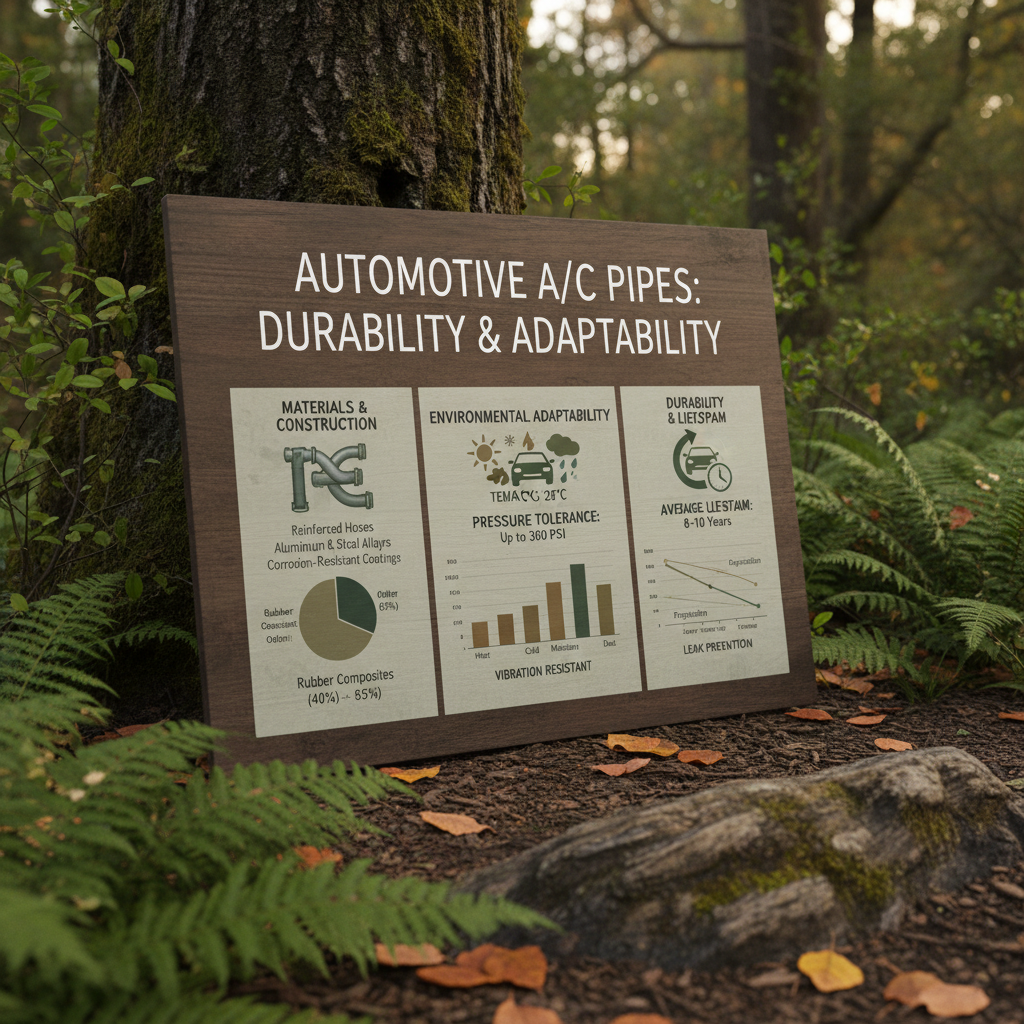
You wouldn’t think about it, but these pipes are the arteries of your car’s cooling system. They aren't just tubes, they’re engineered to withstand serious punishment. We’re talking about extreme temperature swings, constant flexing from engine vibration, and exposure to corrosive materials. A failure means no cooling, plain and simple. And a failure on the road, especially in extreme heat, can be downright dangerous.
What I see on-site is that a lot of problems come down to material selection and manufacturing quality. Cheap materials mean premature corrosion and leaks. Poorly formed bends create stress points. It's tempting for manufacturers to cut costs here, but it always comes back to haunt them in warranty claims and customer dissatisfaction. That's why a focus on durability and reliability in air conditioning pipes for cars is paramount.
The lifespan of air conditioning pipes for cars really depends on the operating environment and the quality of the materials used. Generally, you can expect them to last between 8 and 12 years, but in harsh conditions—like areas with heavy road salt use or extreme temperatures—they might need replacing sooner. Regular inspections are key to identify potential problems early. It’s a lot better to catch a small leak than to deal with a complete system failure.
Both aluminum and copper have their pros and cons. Copper offers excellent corrosion resistance and can handle high pressures, but it's heavier and more expensive. Aluminum is lighter and more affordable, but it's more susceptible to corrosion, especially in the presence of certain refrigerants. Increasingly, manufacturers are using aluminum alloys with protective coatings to address the corrosion issue. The "better" material really depends on the specific application and budget.
Leaks can occur due to several factors. Corrosion is a major culprit, particularly in areas exposed to road salt. Vibration can also cause fatigue cracks in the pipes and at the joints. Improper installation, such as poorly formed brazes or loose connections, can also lead to leaks. Even impacts from road debris can damage the pipes. It’s essential to use qualified technicians for installation and repairs.
One of the most common signs of damaged AC pipes is a noticeable decrease in cooling performance. You might also hear a hissing sound coming from the engine compartment, which could indicate a refrigerant leak. Oil stains around the pipes or compressor are another telltale sign. A qualified technician can use a leak detector to pinpoint the exact location of the damage.
Sometimes, minor leaks can be repaired by brazing or welding. However, if the pipe is severely corroded or damaged, replacement is usually the best option. Trying to repair a badly damaged pipe can be a temporary fix that ultimately leads to further problems. It's always best to consult with a qualified technician to determine the most appropriate course of action.
We’re seeing increasing research into the use of advanced polymer composites for air conditioning pipes for cars. These materials offer significant weight savings and can be engineered to be highly corrosion-resistant. Additive manufacturing (3D printing) is also opening up new possibilities for creating complex pipe designs and customized solutions. The goal is to find materials that are lighter, stronger, and more durable than traditional options.
In the end, air conditioning pipes for cars may seem like a small component, but they’re absolutely critical to the overall performance, safety, and comfort of a vehicle. From material selection to manufacturing precision, every detail matters. Understanding the challenges and embracing innovation are key to delivering reliable and efficient cooling systems in a constantly evolving automotive landscape.
Looking ahead, the focus will be on sustainability, efficiency, and cost-effectiveness. The automotive industry will continue to demand lighter-weight materials, more durable designs, and smarter systems. If you’re looking for reliable air conditioning pipes for cars, visit our website at www.kemohose.com to explore our range of high-quality products.

 Afrikaans
 Albanian
 Amharic
 Arabic
 Armenian
 Azerbaijani
 Basque
 Belarusian
 Bengali
 Bosnian
 Bulgarian
 Catalan
 Cebuano
 Corsican
 Croatian
 Czech
Czech
 Danish
 Dutch
Dutch
 Esperanto
 Estonian
 Finnish
 French
 Frisian
 Galician
 Georgian
 German
 Greek
Greek
 Gujarati
 Haitian Creole
 Hausa
Hausa
 Hawaiian
 Hebrew
 Hindi
Hindi
 Miao
Miao
 Hungarian
 Icelandic
 Igbo
Igbo
 Indonesian
 Irish
Irish
 Italian
 Japanese
 Javanese
 Kannada
 Kazakh
 Khmer
Khmer
 Rwandese
 Korean
 Kurdish
 Kyrgyz
 Lao
Lao
 Latin
Latin
 Latvian
 Lithuanian
 Luxembourgish
 Macedonian
 Malgashi
 Malay
Malay
 Malayalam
 Maltese
 Maori
Maori
 Marathi
 Mongolian
 Myanmar
 Nepali
 Norwegian
 Norwegian
 Occitan
 Pashto
 Persian
 Polish
 Portuguese
 Punjabi
 Romanian
 Russian
 Samoan
 Scottish Gaelic
 Serbian
 Sesotho
 Shona
Shona
 Sindhi
 Sinhala
 Slovak
 Slovenian
 Somali
 Spanish
 Sundanese
 Swahili
 Swedish
 Tagalog
 Tajik
Tajik
 Tamil
Tamil
 Tatar
Tatar
 Telugu
 Thai
Thai
 Turkish
 Turkmen
 Ukrainian
 Urdu
Urdu
 Uighur
 Uzbek
Uzbek
 Vietnamese
 Welsh
Welsh
 Bantu
Bantu
 Yiddish
 Yoruba
 Zulu
Zulu
 English