The humble ac condensate hose is a critical, often overlooked component of modern HVAC systems. Its primary function – safely removing condensation produced by air conditioning units – prevents water damage, maintains indoor air quality, and ensures the efficient operation of cooling systems in homes, businesses, and industrial settings. Understanding the nuances of ac condensate hose selection, installation, and maintenance is therefore crucial for property owners, HVAC technicians, and building managers alike, contributing significantly to long-term system reliability and preventing costly repairs.
Globally, the demand for efficient and reliable cooling solutions is steadily increasing, driven by rising temperatures and expanding urbanization. This growth directly translates to a greater need for effective ac condensate drainage systems. According to reports from the International Energy Agency, global energy demand for cooling is expected to triple by 2050. A key aspect of achieving this cooling demand sustainably involves ensuring the proper functioning of all system components, including the often-neglected ac condensate hose.
The challenges presented by inadequate condensate drainage – ranging from minor leaks to significant structural damage – underscore the importance of investing in high-quality ac condensate hoses and adhering to best practices for their installation and upkeep. Ignoring this small but vital component can lead to substantial financial burdens and health risks associated with mold growth.
The Importance of Ac Condensate Hoses
Ac condensate hoses are frequently underestimated, yet they are a vital part of any air conditioning system. Their proper function directly impacts the longevity and efficiency of cooling units. A clogged or damaged ac condensate hose can lead to water leaks, which can cause significant damage to property, promote mold growth, and even compromise indoor air quality.
Beyond structural damage, the presence of mold resulting from condensate leaks can pose serious health risks, particularly for individuals with allergies or respiratory sensitivities. Regularly inspecting and maintaining ac condensate hoses is a proactive measure that can prevent these issues, ensuring a safe and comfortable indoor environment.
Defining Ac Condensate Hoses
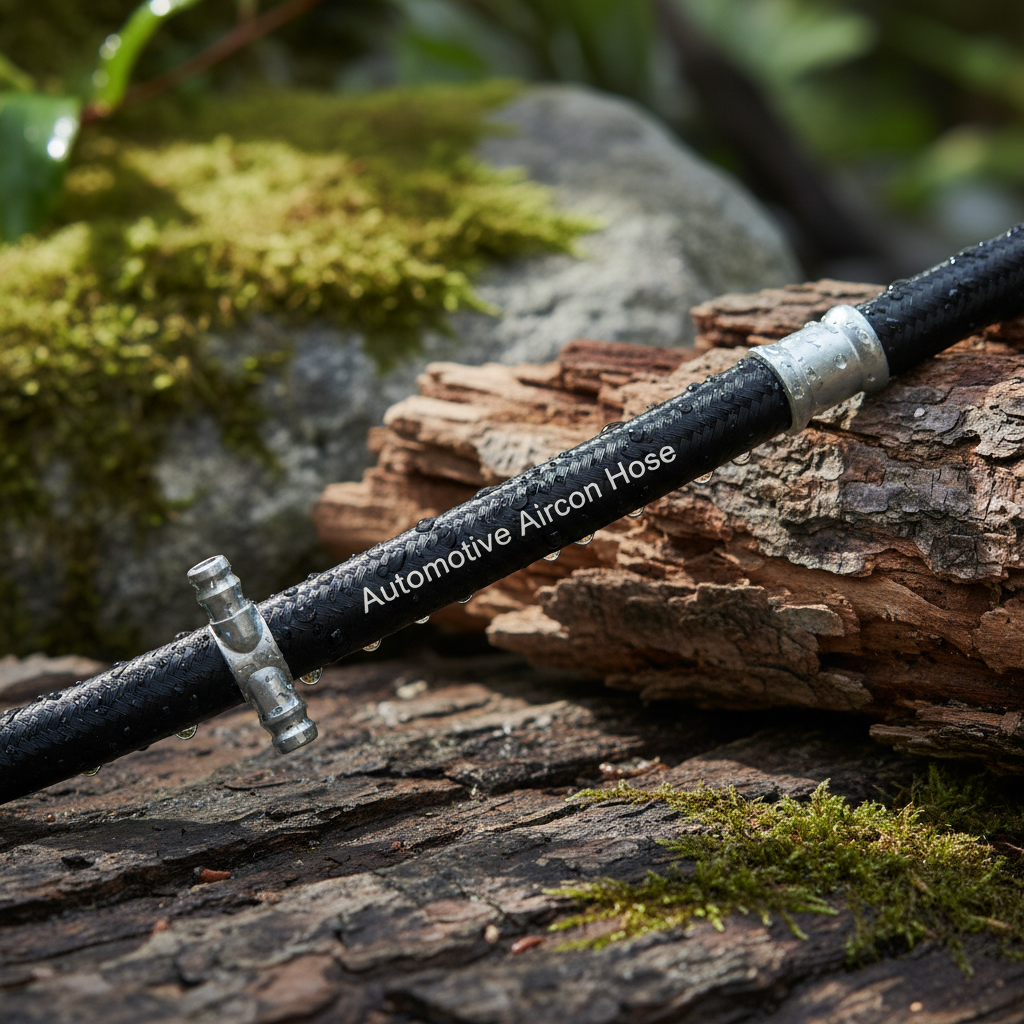
An ac condensate hose is a flexible tube designed to drain the water that accumulates as a byproduct of the air conditioning process. As air is cooled, moisture is extracted from it, resulting in condensation. This condensate is collected in a drain pan and then channeled through the ac condensate hose to a designated drainage point, typically a floor drain, outside the building, or a condensate pump system.
The hose itself is typically made from materials resistant to mold and mildew, and capable of withstanding the continuous flow of water. Modern ac condensate hoses are available in a variety of lengths and diameters to accommodate different HVAC system configurations and drainage requirements. Selecting the correct size and material is crucial for optimal performance and preventing leaks.
Ac condensate hoses are not simply plumbing components; they play a key role in maintaining the overall health and efficiency of a building’s climate control system and contributing to responsible water management practices.
Core Components and Material Science
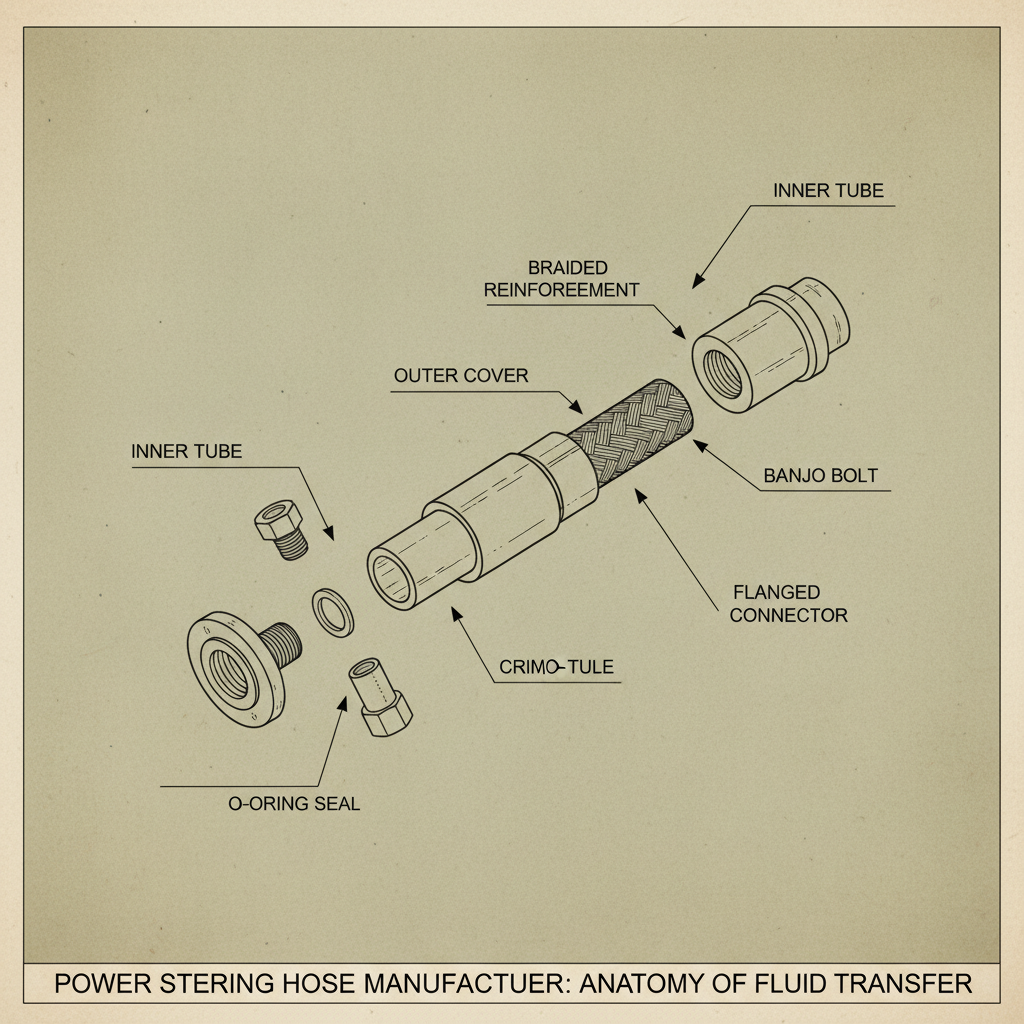
The core components of an ac condensate hose are relatively simple: the hose body itself, typically reinforced for durability, and any necessary connectors or fittings. However, the material science behind the hose’s construction is crucial for its performance and longevity. Historically, rubber hoses were common, but they were prone to cracking and degradation over time.
Today, the most effective ac condensate hoses are constructed from materials like polyethylene, polypropylene, or PVC. These materials offer superior resistance to mold, mildew, UV radiation, and chemicals commonly found in HVAC systems. Furthermore, many modern hoses incorporate antimicrobial additives to actively inhibit the growth of biological contaminants within the hose itself. Reinforcement layers, often made of braided nylon or polyester, enhance the hose's strength and prevent kinking or collapsing under pressure.
The choice of material also impacts the hose’s flexibility and temperature resistance. High-quality ac condensate hoses can withstand a wide range of temperatures, ensuring reliable performance in both hot and cold climates. The connectors and fittings are typically made from durable plastics or metals, providing a secure and leak-proof connection.
Key Performance Characteristics
Several key characteristics define the performance of an ac condensate hose. Durability is paramount; the hose must withstand continuous water flow, potential exposure to chemicals, and the stresses of installation and maintenance. Resistance to kinking and collapsing is also vital, as these issues can restrict water flow and lead to backups.
Another crucial factor is the hose's ability to resist mold and mildew growth. The internal surface of the hose provides a breeding ground for these contaminants if not properly protected. Antimicrobial additives and smooth inner surfaces help to minimize this risk, ensuring cleaner and healthier drainage.
Ac Condensate Hose Performance Comparison
Global Applications of Ac Condensate Hoses
Ac condensate hoses are ubiquitous in any application utilizing air conditioning, from residential homes to large-scale commercial and industrial facilities. In humid climates, their importance is amplified, as condensation rates are significantly higher. The widespread adoption of split-system air conditioners and mini-split systems has further increased the demand for reliable ac condensate drainage solutions.
In post-disaster relief operations, portable air conditioners are often deployed to provide temporary cooling and dehumidification. These units rely heavily on ac condensate hoses to manage the resulting water, preventing unsanitary conditions and promoting a healthier environment for those affected. Similarly, in remote industrial zones where access to permanent drainage infrastructure is limited, robust ac condensate hoses are essential for maintaining the operation of critical cooling equipment.
Advantages and Long-Term Value
Investing in high-quality ac condensate hoses offers significant long-term value. The primary advantage is the prevention of costly water damage and mold remediation. A single leak, if left unchecked, can result in thousands of dollars in repairs. Beyond the financial benefits, proper condensate drainage contributes to improved indoor air quality and a healthier living or working environment.
Choosing durable, antimicrobial hoses also reduces the frequency of replacements, minimizing maintenance costs and environmental impact. The peace of mind that comes with knowing your system is protected from water damage and mold growth is an intangible benefit that adds significant value.
Furthermore, the use of sustainable materials in hose construction aligns with growing environmental concerns and supports responsible building practices.
Future Trends and Innovations
The future of ac condensate hose technology is likely to be driven by a focus on sustainability, smart technology, and improved materials. We can anticipate the development of biodegradable or recyclable hose materials, reducing the environmental footprint of HVAC systems. Integrating sensors into hoses to detect clogs or leaks remotely is another emerging trend, enabling proactive maintenance and preventing potential damage.
The increasing adoption of smart building technologies will also influence the evolution of ac condensate hose systems. Data collected from these systems can be used to optimize cooling performance, identify potential issues, and improve overall energy efficiency. Advanced antimicrobial coatings and self-cleaning technologies are also being explored to further enhance hose durability and reduce maintenance requirements.
As building codes and environmental regulations become more stringent, the demand for innovative and sustainable ac condensate drainage solutions will continue to grow.
FAQS
The lifespan of an ac condensate hose varies depending on the material, climate, and maintenance practices. Generally, a well-maintained hose made of durable materials like polyethylene or PVC can last between 5 to 10 years. However, hoses exposed to harsh chemicals, extreme temperatures, or frequent UV radiation may have a shorter lifespan. Regular inspections and cleaning are crucial for maximizing longevity.
Common signs of a clogged ac condensate hose include water leaking from the indoor unit, a buildup of water in the condensate drain pan, or a musty odor. You can attempt to clear a clog by flushing the hose with a wet/dry vacuum or gently using a plumbing snake. If the clog persists, it's best to consult an HVAC technician.
No, it's essential to use a hose specifically designed for ac condensate drainage. Standard garden hoses or other types of tubing may not be resistant to mold and mildew, and they may not be able to withstand the continuous flow of water. Using the wrong type of hose can lead to leaks, contamination, and ultimately, system failure.
In humid climates, a polyethylene or PVC hose with antimicrobial additives is the best choice. These materials are highly resistant to mold and mildew growth, which is particularly important in environments with high humidity. Look for hoses that are specifically labeled as being suitable for humid environments.
It’s recommended to inspect your ac condensate hose at least twice a year – ideally, during the spring and fall when you schedule routine HVAC maintenance. Check for cracks, kinks, leaks, or signs of mold growth. Promptly address any issues to prevent further damage.
Replacing an ac condensate hose can be a DIY project for some homeowners with basic plumbing knowledge. However, it's important to disconnect the power to the air conditioning unit before starting any work. If you're not comfortable working with plumbing or electrical components, it's best to hire a qualified HVAC technician to ensure the job is done safely and correctly.
Conclusion
Ac condensate hoses may appear unassuming, but they represent a crucial link in the functionality, efficiency, and safety of modern cooling systems. From preventing costly water damage and mold growth to contributing to improved indoor air quality and sustainable building practices, the benefits of prioritizing these components are substantial. Understanding their core components, selecting appropriate materials, and implementing regular maintenance practices are essential for maximizing their lifespan and ensuring optimal performance.
Looking ahead, innovations in materials science and smart technology promise to further enhance the reliability and sustainability of ac condensate drainage systems. By embracing these advancements and adopting proactive maintenance strategies, we can create more efficient, healthier, and environmentally responsible cooling solutions for the future. For all your ac condensate hose needs, visit our website today: www.kemohose.com.