
Look, I spend more time in hard hats and steel-toed boots than most folks do in an office. I’ve seen a lot of things go wrong on construction sites, and a surprising number of those problems come down to simple hose failures – specifically, issues with aircon hose. It’s not glamorous, but keeping the cooling systems running for welders, generators, and even the site offices is critical. A busted hose means downtime, lost productivity, and potentially, a serious safety hazard. We’re talking about keeping guys cool in the heat, preventing equipment overheating, and ensuring everything stays on schedule.
Over the years, I’ve learned that not all aircon hose is created equal. There’s a massive difference between the cheap stuff you pick up at a hardware store and the industrial-grade hoses that can withstand the rigors of a construction environment. The quality dictates everything – durability, flexibility, resistance to abrasion, and ultimately, the cost of replacing it when (not if) it fails. I’ve seen hoses crack, kink, and burst under pressure, and I’ve learned to recognize the signs of a hose that’s about to give up the ghost.
The real headache isn’t just the immediate repair. It’s the ripple effect. A broken hose can shut down a critical process, forcing workers to stop what they're doing, waiting for a replacement. And then there's the time spent tracking down the right hose, often dealing with suppliers who don't understand the specific demands of the job. Finding a reliable aircon hose supplier, one that understands the construction industry’s needs, is worth its weight in gold.
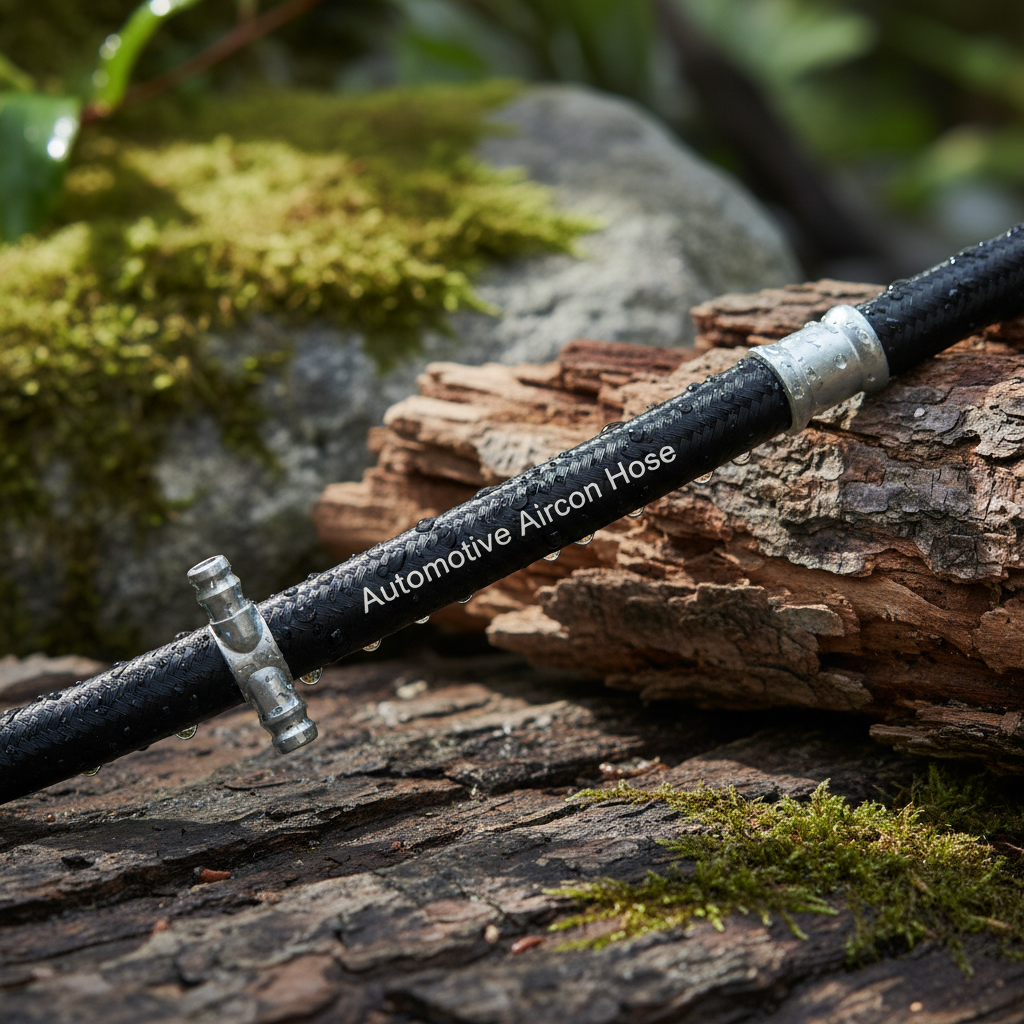
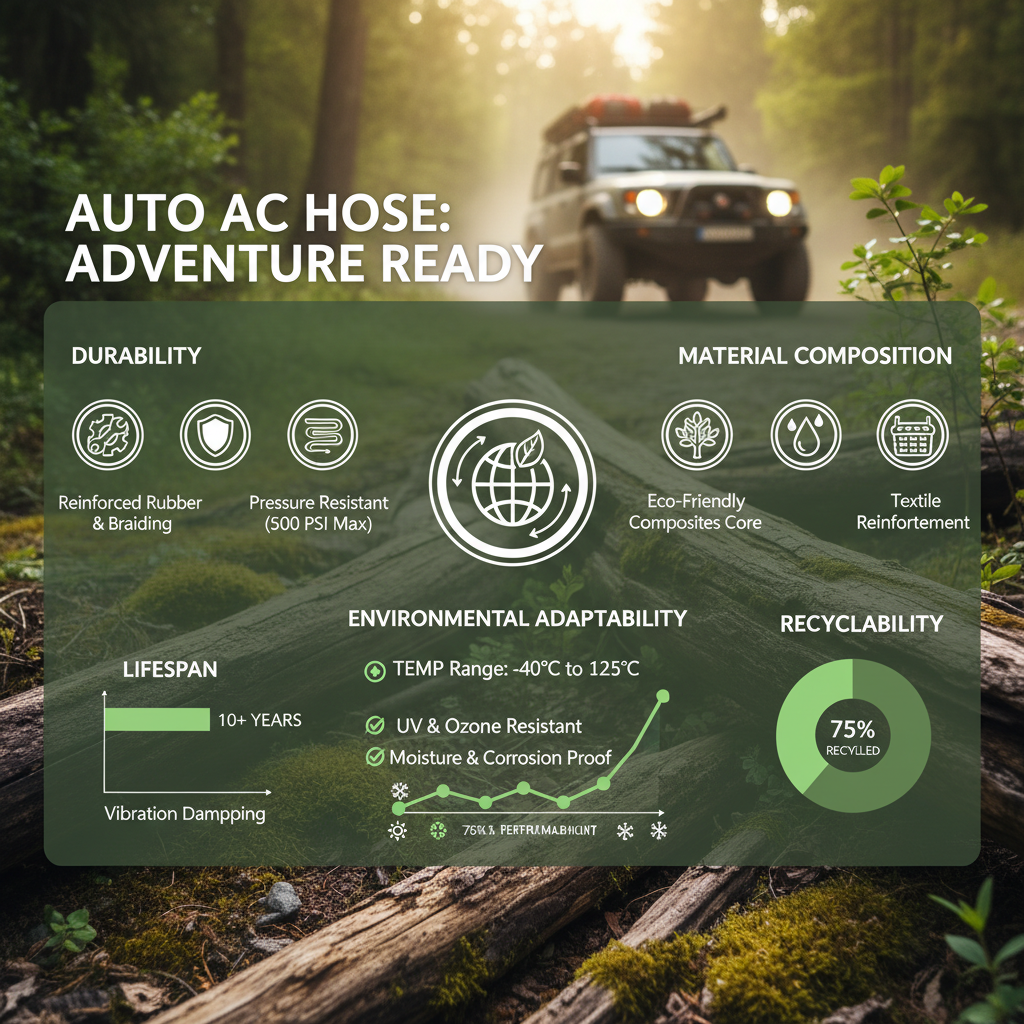
I've seen firsthand how a seemingly small component like aircon hose can make or break a project. It's not about being picky; it’s about understanding the environment. Construction sites are brutal – extreme temperatures, constant movement, abrasive materials. A standard garden hose simply won't cut it. We need hoses that can handle high pressure, resist punctures, and maintain their flexibility even in freezing temperatures.
The cost of downtime is astronomical. When a welder’s cooling system fails due to a faulty hose, it’s not just a five-minute fix. It’s lost productivity, potential delays in the schedule, and potentially, rework if the weld cools improperly. Investing in quality aircon hose upfront is a fraction of the cost of dealing with the consequences of a failure.
The most common error is underestimating the environment. Construction sites are tough on equipment. People often opt for cheaper hoses that aren’t rated for the abrasion, temperature extremes, or chemical exposure they'll face. This leads to premature failure, downtime, and ultimately, higher costs. Investing in a hose designed for the specific application is always the smartest move.
There's no set schedule, but regular inspection is key. Look for cracks, bulges, kinks, or any signs of wear and tear. If the hose is exposed to harsh chemicals or extreme temperatures, it will likely need to be replaced more frequently. A good rule of thumb is to replace the hose at the first sign of damage, rather than waiting for it to fail completely.
Burst pressure is the maximum pressure a hose can withstand before it ruptures. It's a critical specification because it indicates the hose’s safety margin. Always choose a hose with a burst pressure significantly higher than the operating pressure of your cooling system. This provides a safety buffer and reduces the risk of a catastrophic failure.
Store hoses in a cool, dry place, away from direct sunlight and extreme temperatures. Avoid kinking or bending the hose too tightly, as this can damage the reinforcement layer. Coiling the hose loosely is preferable. Also, make sure the hose is clean and free of any debris before storing it.
Yes, absolutely. Manufacturers are exploring more advanced polymers and composite materials to increase durability and reduce weight. There’s also a growing interest in bio-based materials as a more sustainable alternative to traditional petroleum-based products. These new materials often offer improved resistance to abrasion, chemicals, and UV radiation.
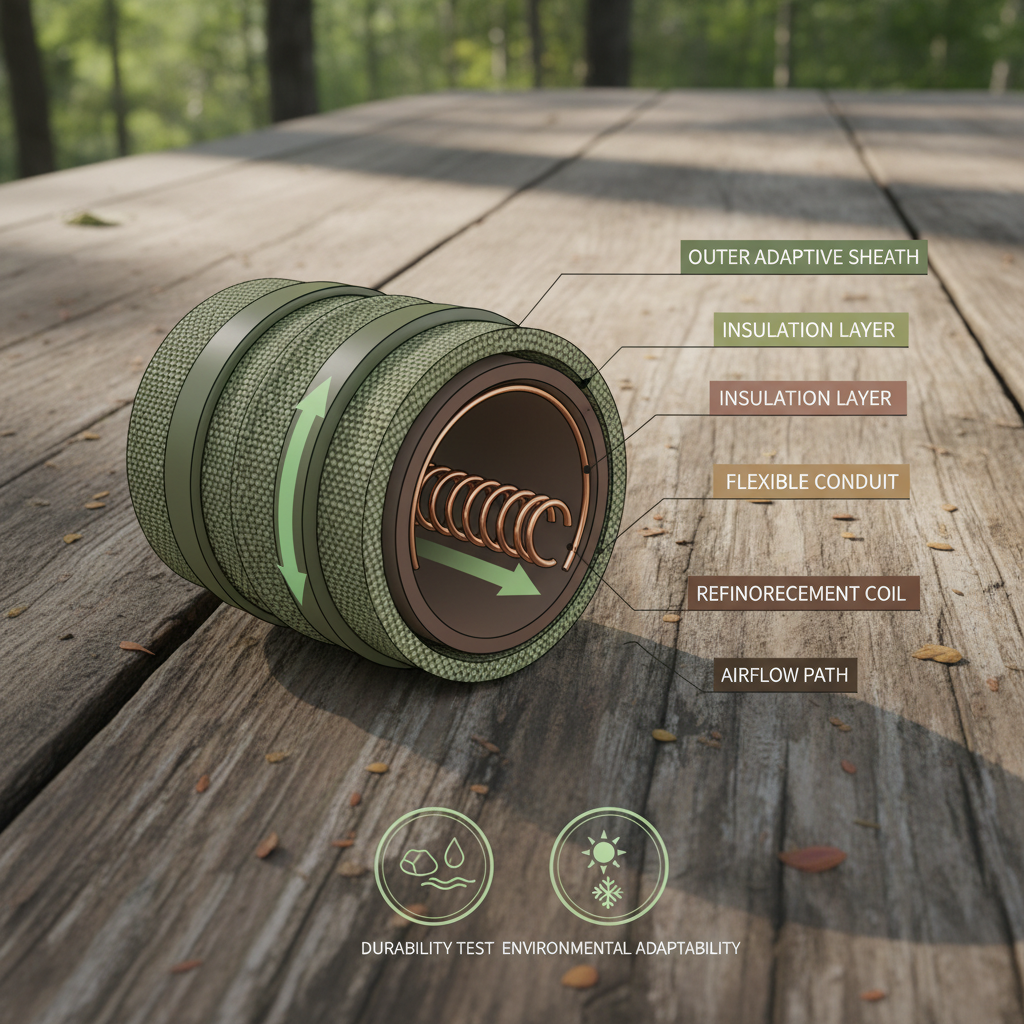
Braided hoses offer good flexibility and are suitable for general-purpose applications. Spiral-wound hoses provide higher pressure resistance and are less prone to kinking. They are ideal for applications where the hose needs to withstand high pressure or be routed in tight spaces. The choice depends on the specific requirements of your cooling system.
In the end, aircon hose may not be the most glamorous component on a construction site, but it's undeniably one of the most critical. Investing in quality hoses, understanding their specifications, and implementing proper storage and maintenance practices can save you time, money, and potentially, a lot of headaches. It’s about proactively preventing problems, not just reacting to them.
I urge you to take the time to evaluate your current hose setup and consider upgrading to a more durable and reliable solution. A small investment upfront can pay significant dividends in the long run. And if you’re unsure which hose is right for your application, don’t hesitate to consult with a specialist. Visit our website at www.kemohose.com to learn more about our range of industrial-grade aircon hose and find the perfect solution for your needs.

 Afrikaans
 Albanian
 Amharic
 Arabic
 Armenian
 Azerbaijani
 Basque
 Belarusian
 Bengali
 Bosnian
 Bulgarian
 Catalan
 Cebuano
 Corsican
 Croatian
 Czech
Czech
 Danish
 Dutch
Dutch
 Esperanto
 Estonian
 Finnish
 French
 Frisian
 Galician
 Georgian
 German
 Greek
Greek
 Gujarati
 Haitian Creole
 Hausa
Hausa
 Hawaiian
 Hebrew
 Hindi
Hindi
 Miao
Miao
 Hungarian
 Icelandic
 Igbo
Igbo
 Indonesian
 Irish
Irish
 Italian
 Japanese
 Javanese
 Kannada
 Kazakh
 Khmer
Khmer
 Rwandese
 Korean
 Kurdish
 Kyrgyz
 Lao
Lao
 Latin
Latin
 Latvian
 Lithuanian
 Luxembourgish
 Macedonian
 Malgashi
 Malay
Malay
 Malayalam
 Maltese
 Maori
Maori
 Marathi
 Mongolian
 Myanmar
 Nepali
 Norwegian
 Norwegian
 Occitan
 Pashto
 Persian
 Polish
 Portuguese
 Punjabi
 Romanian
 Russian
 Samoan
 Scottish Gaelic
 Serbian
 Sesotho
 Shona
Shona
 Sindhi
 Sinhala
 Slovak
 Slovenian
 Somali
 Spanish
 Sundanese
 Swahili
 Swedish
 Tagalog
 Tajik
Tajik
 Tamil
Tamil
 Tatar
Tatar
 Telugu
 Thai
Thai
 Turkish
 Turkmen
 Ukrainian
 Urdu
Urdu
 Uighur
 Uzbek
Uzbek
 Vietnamese
 Welsh
Welsh
 Bantu
Bantu
 Yiddish
 Yoruba
 Zulu
Zulu
 English