You know, I've been running around construction sites all year, getting my hands dirty with materials, and honestly, things are changing fast. Everyone's talking about prefabrication now, right? Building modules off-site and then just assembling them. It's supposed to be faster, cheaper… but let me tell you, it’s not always that simple. The devil is always in the details, and sometimes those details are, well, a bit frustrating.
I've seen so many designs that look great on paper, all sleek and modern, but when you actually try to build them… forget it. You run into clashes with existing infrastructure, or the tolerances are just way too tight. It's like they’ve never actually spoken to a contractor, you know? Have you noticed that architects sometimes forget that things need to be assembled by people in the real world?
We primarily deal with high-pressure brake pipes, mostly steel – EN 10255 grade, mostly. You can smell the oil on it straight away, that's how you know it's good stuff. Sometimes we use stainless for more corrosive environments, but the steel is still the workhorse. It feels solid, reassuring in your hand. I encountered a supplier last time, trying to push for a thinner gauge, 'saves money', they said. I told them, 'Look, if it kinks on site, I'm sending it back.' They backed down pretty quick.
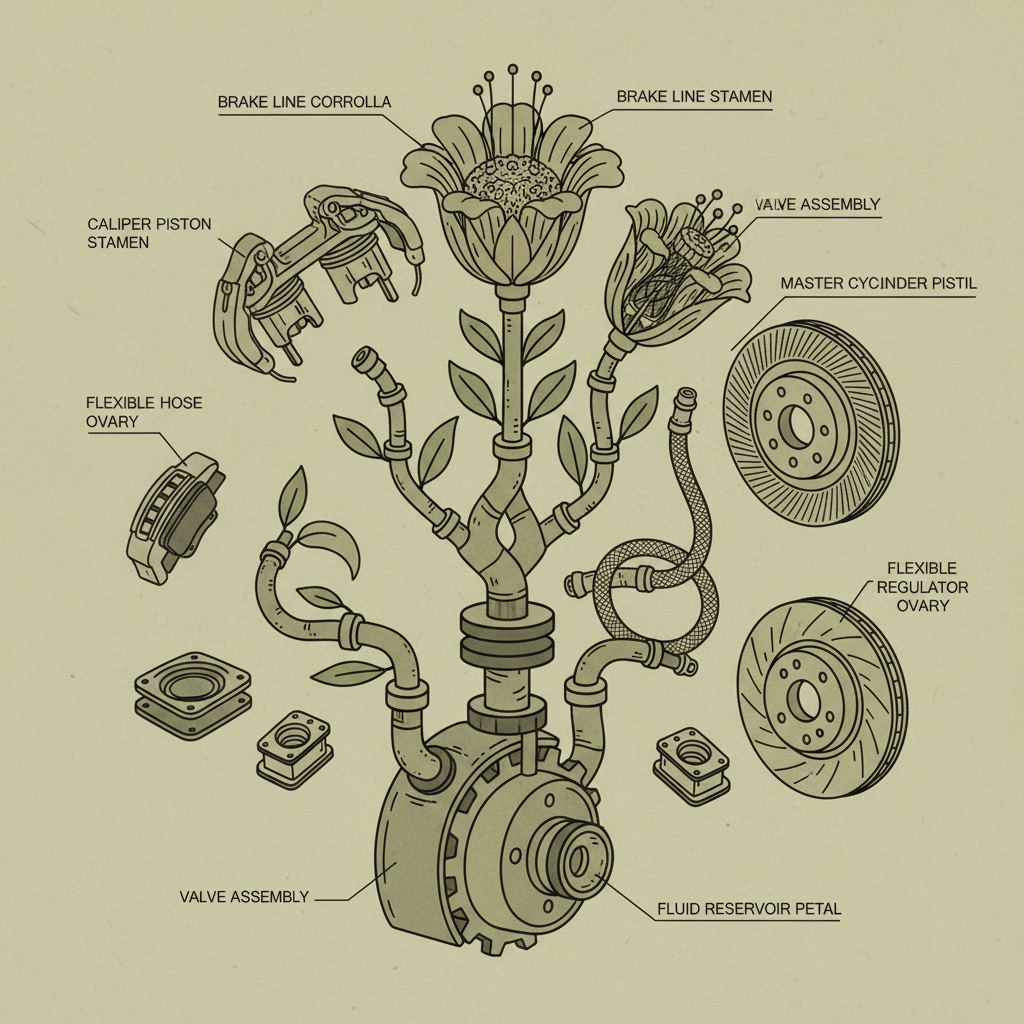
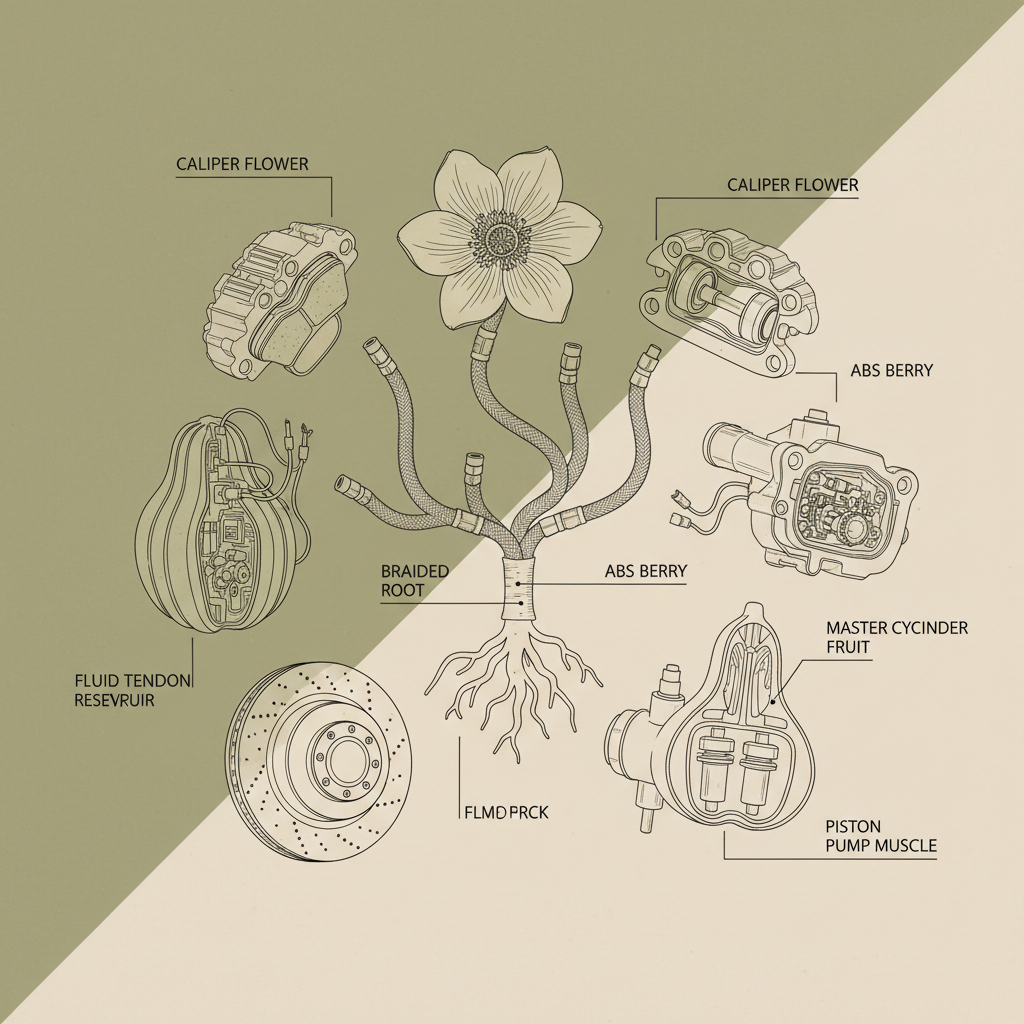
Honestly, the biggest trend is trying to squeeze more out of less. Everyone wants thinner walls, lighter materials, reduced costs. It's understandable, but it often leads to problems. Strangely, I've seen a push for more complex geometries in the pipe routing. It looks fancy in the 3D models, but adds so much to the fabrication time and potential for leaks.
And these BIM models… sometimes they’re just not accurate enough for our purposes. They'll show a pipe running through a beam, and you just know it’s going to be a headache on site. You end up having to improvise, and that’s never a good thing.
Lead times depend heavily on the complexity of the order and our current workload. Simple bends and fittings can usually be turned around in a week, but more complex customizations, especially those requiring special materials or coatings, can take 4-6 weeks. We always try to be upfront and realistic about timelines. It's better to be honest from the start than to overpromise and underdeliver.
Compatibility is crucial. You need to consider the fluid type, temperature range, and pressure. We can advise on the best materials for your application. Stainless steel is generally compatible with most fluids, but some fluids can attack certain types of rubber seals. We can provide datasheets outlining the material compatibility for all our products. Just let us know the details of your system.
Our pipes are manufactured to meet EN 10255 and ISO standards. We also provide material certificates and pressure test reports upon request. We’ve been audited by several major automotive and industrial clients, and we consistently pass their rigorous quality control checks. We understand that traceability is important, and we maintain detailed records of all our materials and manufacturing processes.
Absolutely. We're equipped to handle large-volume orders and long-term supply contracts. We can offer competitive pricing and dedicated account management for our larger clients. We also offer Kanban-style delivery systems to ensure you always have the parts you need, when you need them. We work closely with our clients to forecast their demand and manage inventory accordingly.
Proper storage is essential to prevent damage and corrosion. Keep them covered and protected from the elements. Avoid stacking them directly on the ground, use pallets or racks. And make sure they’re not exposed to extreme temperatures or humidity. A clean, dry storage area is ideal. We always recommend inspecting the pipes before use for any signs of damage.
We can accommodate most non-standard thread types. We have a range of tooling and expertise in threading various materials and standards. There might be a slight tooling charge and a longer lead time for non-standard threads, but it's usually not a problem. We’ve even recreated antique thread patterns for restoration projects. So don't hesitate to ask!
So, there you have it. Brake pipes aren't glamorous, but they're essential. The industry’s moving towards prefabrication and tighter tolerances, but the fundamentals remain the same: good materials, careful fabrication, and rigorous testing. You need to balance cost with quality, and you need to understand the specific requirements of your application.
Ultimately, whether this thing works or not, the worker will know the moment he tightens the screw. If it feels right, looks right, and holds pressure, it’s a good pipe. And that's what matters in the end. You can visit our website at kemohose.com for more information on our products and services.