You know, these days everyone’s talking about smart hoses, self-sealing connections, the whole nine yards. Honestly, it's a bit much. I’ve been lugging these things around construction sites for twenty years, and a good, reliable hose is a good, reliable hose. But things are changing. The pressure’s higher now, the fuels are different… gotta keep up, I guess.
What I’ve noticed lately is everyone chasing the newest material. Carbon fiber this, polymer that. Look, fancy stuff's great, but if it can’t stand up to a dropped wrench or a boot stomp, it’s useless. I saw a carbon fiber hose shatter like glass last year at a petrochemical plant… not pretty. And the smell! Some of these new polymers… seriously, it smells like burning tires when they get hot. It’s just… unpleasant.
And the designers? Oh, the designers. They sit in their offices, drawing up these beautiful hoses with all sorts of intricate fittings. Have you noticed how many hoses have fittings that are impossible to get a wrench on? Or those quick-disconnects that leak after two uses? It’s infuriating. I encountered this at the Xiangyang Chemical Factory last time, a whole shipment of hoses with fittings that didn't match anything we had on site. A complete waste of time and money.
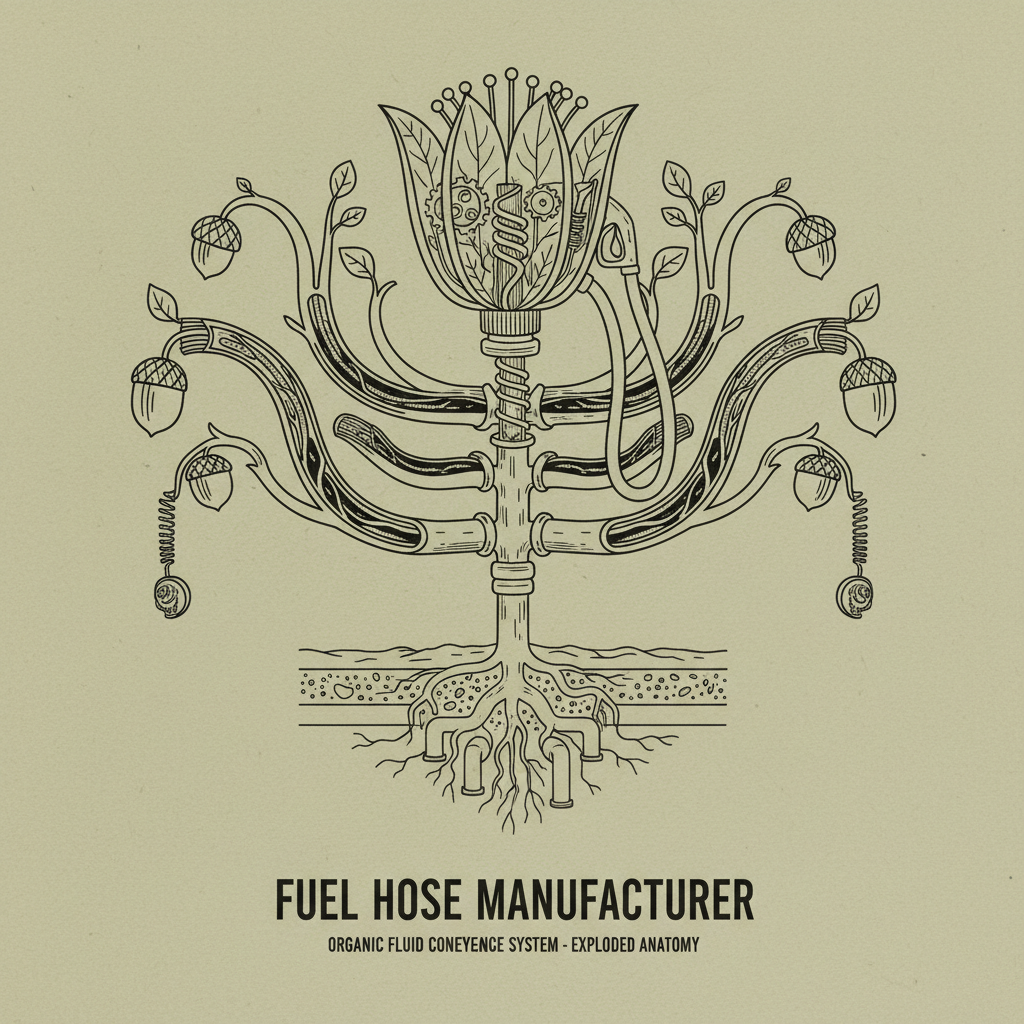
The Current Landscape of fuel hose manufacturer
To be honest, the fuel hose manufacturing scene has gotten a lot more competitive. Used to be, you had a few big players, and that was it. Now, you’ve got factories popping up everywhere, especially in Asia. Which, on one hand, means lower prices. On the other hand… well, quality control can be a problem. I've been seeing a lot more inconsistencies. And this whole push for bio-fuels... Strangely enough, that's thrown a wrench into everything. The older hoses just aren't compatible.
We’re seeing a big demand for hoses that can handle E85 and biodiesel blends. It’s not just about the fuel itself, it’s about the additives. They can really eat away at the rubber if you’re not careful. I’ve seen some hoses swell up like balloons after just a few weeks with the wrong fuel. It's a mess.
Common Design Pitfalls in fuel hose manufacturer
I think the biggest mistake designers make is overcomplicating things. They try to pack too many features into a single hose. Quick-connectors, automatic shut-offs, temperature sensors… It’s all good in theory, but in practice, it just creates more points of failure. I prefer simplicity. A solid hose, a good clamp, and a reliable connection. That's all you need. Anything else is just asking for trouble.
Another thing: kink resistance. It's always an issue. Nobody seems to be able to make a hose that never kinks, especially when you're trying to maneuver it around tight corners. And the fittings. Oh god, the fittings. I swear, half the time I’m on site, I’m just trying to get a fitting to thread properly. It's a constant battle.
And don’t even get me started on color coding. Different fuels, different colors… sounds logical, right? Except, nobody can ever remember which color goes with which fuel. Half the time, they just guess. It's a recipe for disaster.
Material Selection & Handling for fuel hose manufacturer
Now, the rubber… that’s key. You want something with good oil resistance, good temperature stability, and good abrasion resistance. Nitrile rubber is a good all-around choice, but it’s not ideal for everything. For gasoline, you really want Viton. It’s expensive, but it holds up much better. You can feel the difference – Viton is smoother, more resilient. It doesn’t have that cheap, plasticky feel some of the other rubbers have.
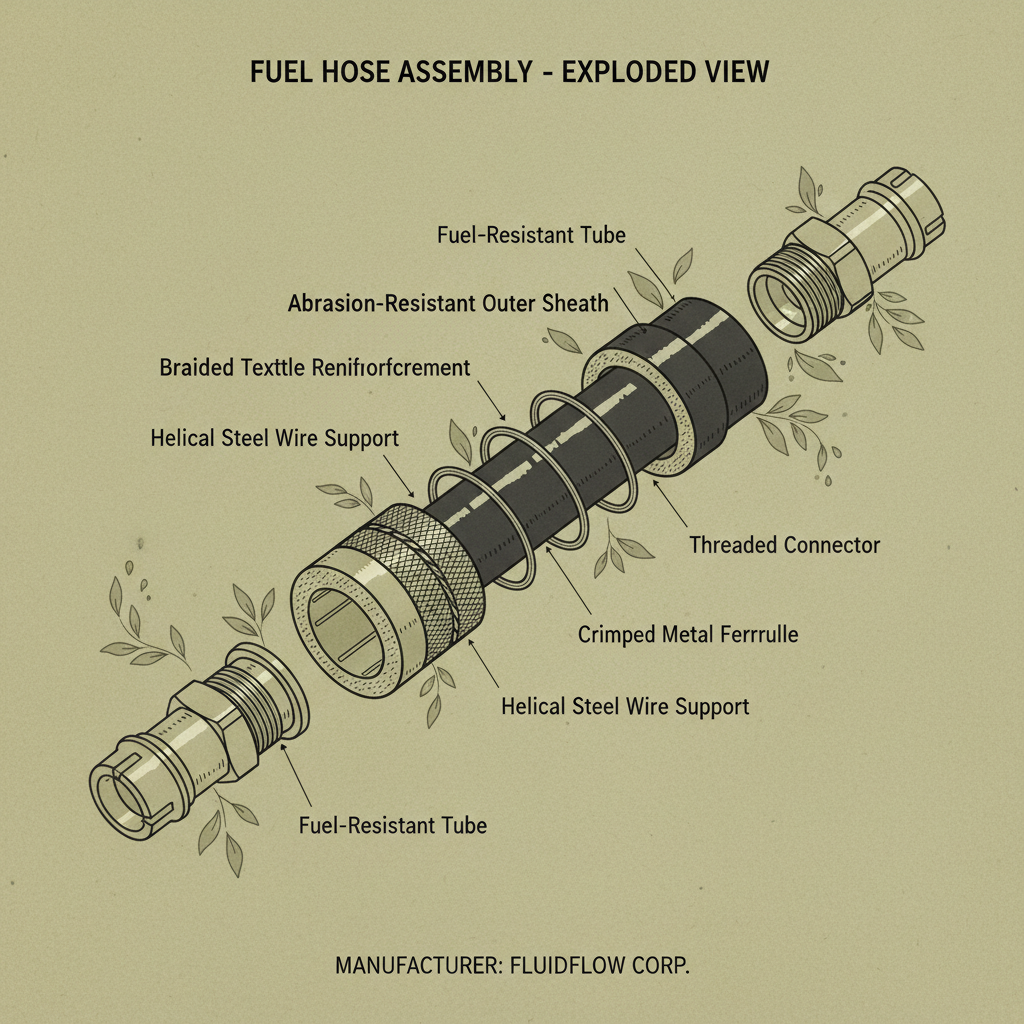
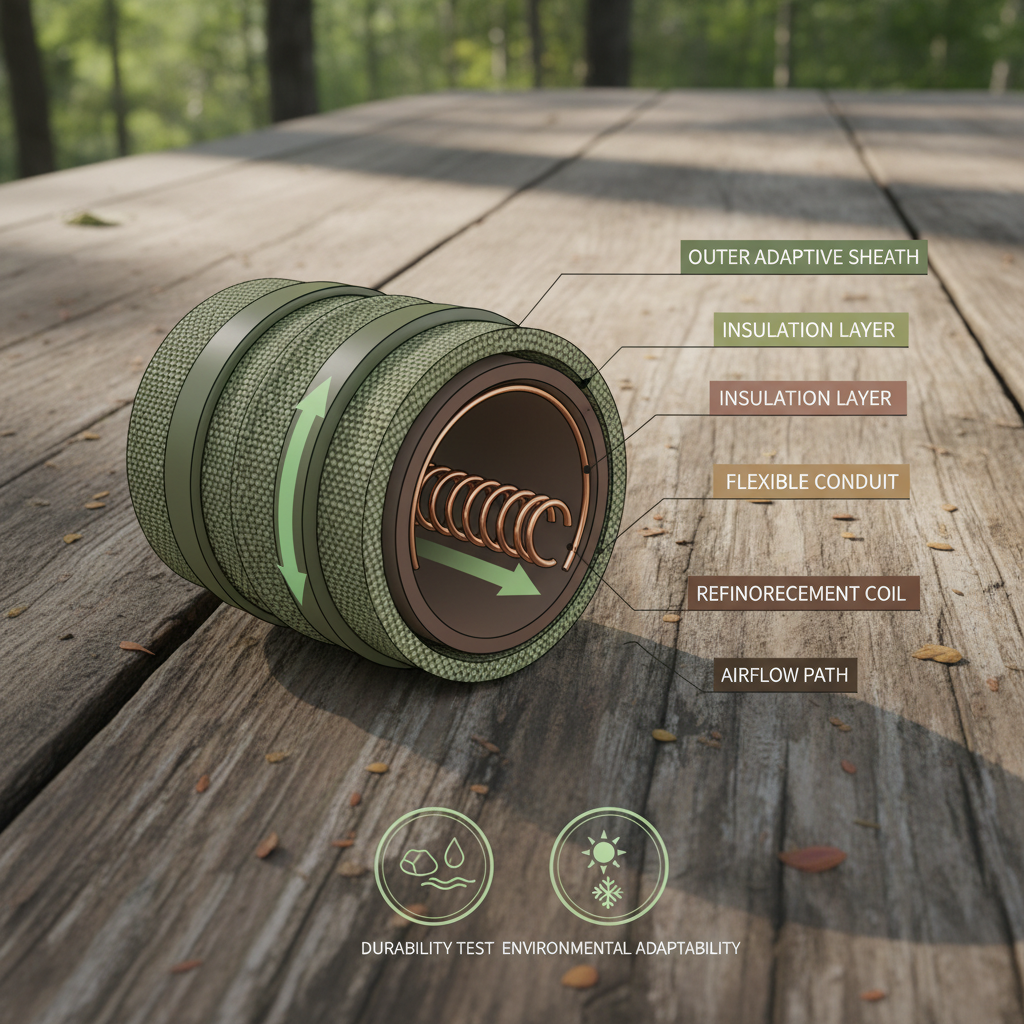
And the reinforcement layers! That's where things get interesting. Used to be, it was all wire braid. Still good, but heavy. Now, you're seeing a lot more spiral-wound reinforcement with textile fibers. Lighter weight, more flexible, but sometimes not as durable. I’ve seen some of those textile-reinforced hoses delaminate after a while, especially if they’re exposed to harsh weather. And handling these materials? You gotta treat them right. Keep them out of direct sunlight, avoid sharp bends, and don’t store them near chemicals.
I remember this one time, we were storing a bunch of hoses near a container of hydraulic fluid. The fluid leaked, and it ate right through the rubber. A complete loss. Anyway, I think a good hose should smell… well, like rubber. If it smells like anything else, that’s a bad sign.
Real-World Testing of fuel hose manufacturer
Lab testing is fine and dandy, but it doesn’t tell you the whole story. You need to test these hoses in the real world. Pressure testing, obviously. But also, bend testing, crush testing, abrasion testing… I like to take a hose and just… abuse it. Run it over with a forklift, leave it out in the sun for a week, soak it in different fuels. See what happens.
We also do a lot of leak testing. Fill the hose with water, pressurize it, and look for any drips. It sounds simple, but it’s incredibly effective. We even have a test where we repeatedly bend the hose while it’s pressurized. That’ll usually reveal any weak spots.
fuel hose manufacturer Performance Metrics
User Applications & Unexpected Usage of fuel hose manufacturer
You'd be surprised how people use these hoses. Of course, there's the obvious stuff – fueling vehicles, transferring liquids. But I've seen them used for everything from irrigation to drainage to makeshift conveyor belts. I even saw a guy using one to siphon beer at a picnic once. Don't ask.
What's interesting is how often people try to adapt the hoses for things they weren't designed for. They'll cut them, splice them, add fittings… it’s always a mess. And then they complain when it leaks or breaks. It's like, come on, man. Use the right tool for the job.
Advantages, Disadvantages & Customization of fuel hose manufacturer
The advantage of a good fuel hose is… well, it doesn’t leak. It’s reliable. It does its job. Sounds simple, right? But that’s all you really need. The disadvantage? They can be expensive, especially the high-quality ones. And they’re not indestructible. They'll eventually wear out, crack, or get damaged. But that’s just the nature of the beast.
Customization… we do a lot of that. Last month, that small boss in Shenzhen who makes smart home devices insisted on changing the interface to , and the result was a three-week delay and a whole lot of wasted material. He swore it was the future of fuel transfer. I just… I don’t even know anymore. Anyway, sometimes you need a specific length, a specific fitting, or a specific material. We can usually accommodate that. But it adds to the cost, of course.
Performance Characteristics of Different fuel hose manufacturer Types
We’ve got a lot of different hose types, each with its own strengths and weaknesses. Nitrile is good for general purpose, but not ideal for all fuels. Viton is excellent for gasoline, but expensive. EPDM is good for water and some chemicals, but not oil. Polyurethane is lightweight and flexible, but not very durable. PVC is cheap, but brittle. There’s no one-size-fits-all solution.
It really depends on the application. What fuel are you using? What’s the temperature? What’s the pressure? What’s the environment? You need to consider all of these factors when choosing a hose. And don’t just go for the cheapest option. You’ll regret it in the long run.
I’ve seen too many hoses fail because someone tried to save a few bucks. A failed hose can cause a lot of damage, not to mention the safety risks. So, it’s worth spending a little extra to get a good quality hose.
Comparison of Fuel Hose Types
| Hose Material |
Fuel Compatibility |
Temperature Resistance (°C) |
Durability Score (1-10) |
| Nitrile Rubber |
Gasoline, Diesel, Oil |
-40 to 100 |
7 |
| Viton |
Gasoline, Biofuels, Chemicals |
-50 to 200 |
9 |
| EPDM Rubber |
Water, Coolant, Some Chemicals |
-50 to 150 |
6 |
| Polyurethane |
Oils, Fuels, Chemicals |
-30 to 80 |
8 |
| PVC |
Water, Light Oils |
-20 to 60 |
4 |
| Composite Rubber |
Wide Range of Fuels & Chemicals |
-40 to 180 |
8 |
FAQS
Depends on use, honestly. But generally, you're looking at about 2-3 years of heavy use. Sun exposure, abrasion, fuel type… it all adds up. We recommend regular inspection – look for cracks, swelling, or any signs of wear. And don’t push it. Replacing a hose is a lot cheaper than cleaning up a fuel spill.
Extremely important. That layer is what prevents the hose from kinking and bursting. Wire braid is the strongest, but it’s heavy. Spiral-wound is lighter, but not as durable. You gotta balance weight and strength depending on the application. I’ve seen hoses with cheap reinforcement layers fail under pressure, and it’s not a pretty sight.
I don’t recommend it. Trying to patch a fuel hose is just asking for trouble. It’s a temporary fix at best, and it could easily fail under pressure. The best thing to do is just replace the hose. It’s safer, and it’ll save you a headache in the long run.
Keep ‘em out of the sun, away from heat and chemicals, and ideally, coiled loosely. Don't store them kinked or bent sharply, that will weaken the material. A cool, dry, dark place is best. And make sure they're not being crushed by anything heavy.
There's a lot of research going into bio-based polymers and self-sealing hoses. I'm skeptical about the self-sealing stuff, to be honest. Seems like another thing that could fail. But the bio-based polymers are interesting. If they can get the durability up to par, that could be a game-changer.
Going for the cheapest option. Seriously. It always comes back to bite you. You get what you pay for. A good quality hose will last longer, be more reliable, and ultimately save you money in the long run. Don't skimp on safety!
Conclusion
Ultimately, there's a lot that goes into a good fuel hose. Materials, design, testing… it’s not as simple as it looks. But at the end of the day, it all comes down to reliability. You need a hose that can handle the job, day in and day out, without leaking, cracking, or failing.
And honestly, whether this thing works or not, the worker will know the moment he tightens the screw. That's the real test. If he’s confident, if it feels solid, then you’ve got a good hose. If he's hesitating, if he’s worrying… well, you might want to rethink your choice. For more information and to find the right fuel hose for your needs, visit our website: www.kemohose.com