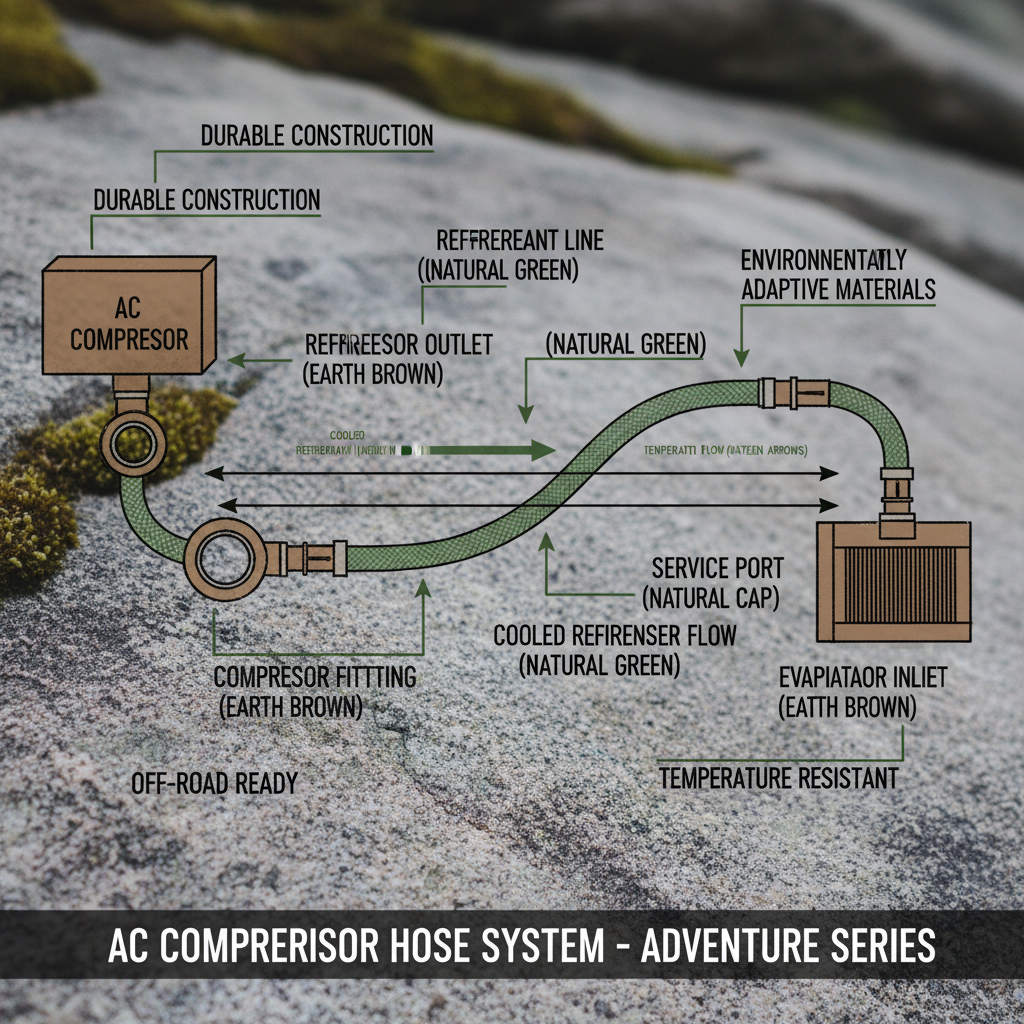
The ac compressor hose is a critical component in vehicle air conditioning systems, responsible for safely transporting high-pressure refrigerant between the compressor and the condenser. Its integrity directly impacts cooling performance and system longevity. Understanding its construction, materials, and proper maintenance is vital for automotive technicians, vehicle owners, and manufacturers alike. A failing ac compressor hose can lead to refrigerant leaks, reduced cooling efficiency, and even compressor damage, resulting in costly repairs.
Globally, the automotive industry relies heavily on robust and reliable ac compressor hoses. With increasing demand for vehicle comfort, particularly in warmer climates, the importance of these hoses continues to grow. The development of new materials and manufacturing techniques is constantly focused on improving durability, reducing weight, and minimizing environmental impact. The production and distribution of ac compressor hoses support a significant supply chain involving raw material suppliers, manufacturing facilities, and automotive parts distributors.
Furthermore, advancements in automotive technology, such as electric and hybrid vehicles, are driving innovation in ac compressor hose design to accommodate new refrigerant types and system configurations. This ensures continued cooling efficiency while aligning with evolving environmental regulations and vehicle performance standards.
The Core Components of an ac compressor hose
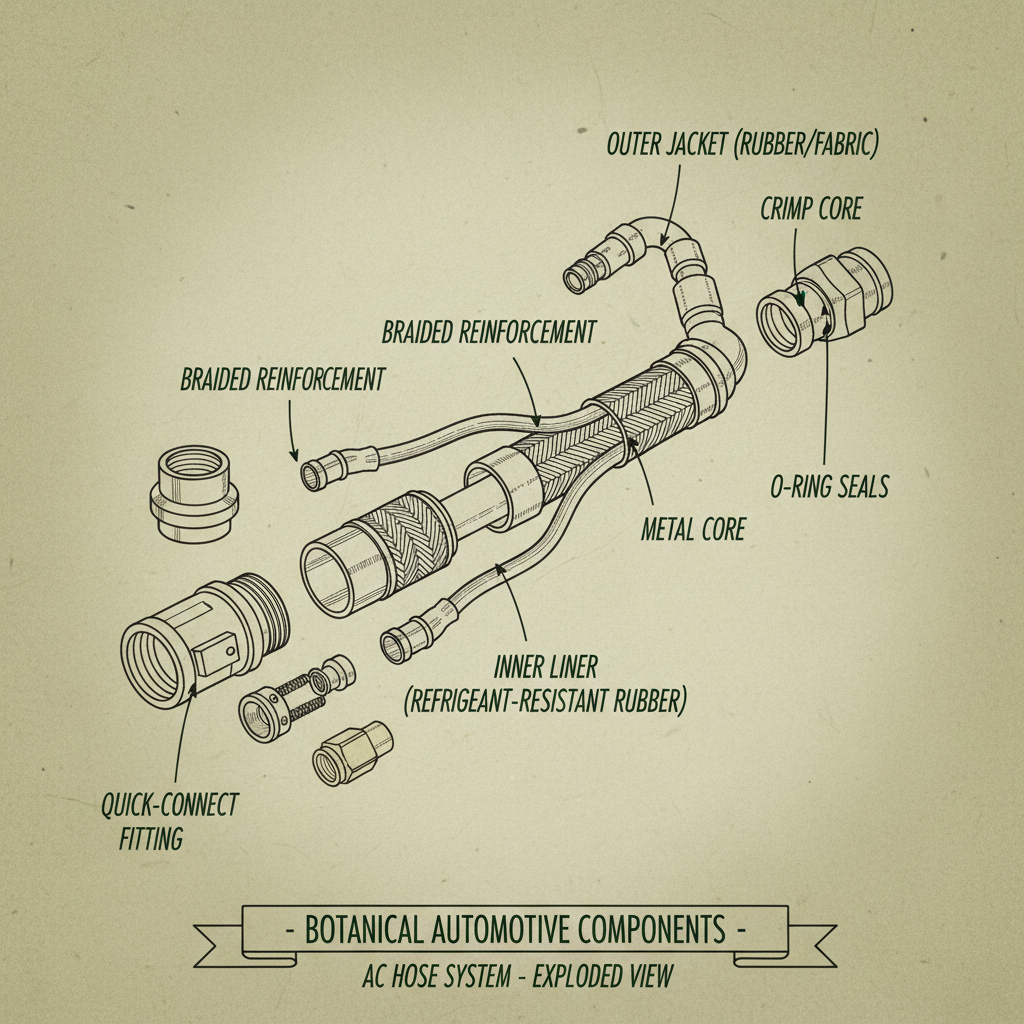
An ac compressor hose isn’t simply a rubber tube. It's a carefully engineered assembly comprised of several key components working in synergy. The inner tube, typically made of a synthetic rubber compound, provides a barrier against refrigerant permeation and ensures compatibility with different refrigerant types. Surrounding this is a reinforcement layer, often constructed from braided steel wire or textile fibers, offering the necessary strength to withstand high pressures.
Finally, the outer cover protects the hose from abrasion, weathering, and chemical exposure. The quality of each component significantly impacts the overall performance and lifespan of the ac compressor hose. The fittings, crucial for secure connections, are often made of aluminum or steel and are designed to prevent leaks even under extreme conditions.
Material Science in ac compressor hose Manufacturing
The selection of materials for an ac compressor hose is paramount, dictated by the specific refrigerant used in the system and the operating conditions. Traditional hoses utilized neoprene and nitrile rubber compounds, but modern applications increasingly favor materials like HNBR (Hydrogenated Nitrile Butadiene Rubber) and EPDM (Ethylene Propylene Diene Monomer) due to their superior resistance to heat, oil, and various refrigerants, including the newer HFO (Hydrofluoroolefin) refrigerants.
These advanced elastomers exhibit better long-term stability, minimizing the risk of cracking or degradation over time. Furthermore, the reinforcement materials have evolved from solely steel braiding to incorporate hybrid constructions with textile fibers, optimizing strength-to-weight ratios. The choice of materials directly affects the hose’s durability, flexibility, and overall reliability.
Manufacturers constantly research and implement innovative materials to enhance performance and meet stringent industry standards, ensuring compatibility with evolving automotive technologies and environmental regulations surrounding refrigerant use.
Durability and Resistance Factors
Durability of an ac compressor hose is not solely dependent on material selection. Environmental factors such as temperature fluctuations, exposure to chemicals (road salt, oil spills), and mechanical stress play a significant role in its lifespan. High temperatures can accelerate rubber degradation, while prolonged exposure to harsh chemicals can compromise the integrity of both the inner tube and outer cover.
Resistance to ozone cracking, abrasion, and permeation are also crucial considerations. Automotive manufacturers often conduct rigorous testing, including pressure cycling, thermal shock, and chemical exposure tests, to validate the durability of ac compressor hoses under simulated real-world conditions. Proper hose routing and secure mounting within the vehicle’s engine compartment are essential to minimize mechanical stress and prevent chafing.
The ability to withstand these stresses directly impacts the reliability of the entire air conditioning system.
Performance Metrics of ac compressor hose
Evaluating the performance of an ac compressor hose involves a range of critical metrics. Burst pressure, working pressure, and tensile strength are fundamental indicators of its ability to withstand high-pressure refrigerant flow and mechanical stress. Permeation rate, the measure of refrigerant leakage through the hose wall, is another crucial factor, influencing cooling efficiency and environmental impact.
Flexibility, or bend radius, determines the hose's ability to conform to complex engine compartment layouts without kinking or restricting refrigerant flow.
Ac Compressor Hose Performance Comparison
Global Applications of ac compressor hose
The application of ac compressor hoses extends far beyond passenger vehicles. Commercial trucks, buses, and construction equipment rely on these hoses to maintain comfortable cabin environments for operators, ensuring productivity and safety. In agricultural machinery, hoses are essential for cooling systems used in harvesting and processing equipment.
Globally, major automotive manufacturing hubs in countries like Germany, Japan, the United States, and China are key consumers of ac compressor hoses. Emerging markets in Asia and South America, with growing vehicle ownership, are also driving demand.
Advantages and Long-Term Benefits
Investing in high-quality ac compressor hoses yields significant long-term benefits. Reduced refrigerant leaks translate to lower environmental impact and cost savings on refrigerant refills. Enhanced system efficiency leads to improved fuel economy and reduced wear and tear on the compressor, extending its lifespan.
The improved reliability of a robust ac compressor hose minimizes the risk of breakdowns and unexpected repair costs, ensuring vehicle uptime and owner satisfaction. Furthermore, the use of durable materials contributes to a more sustainable automotive industry by reducing the need for frequent replacements.
Future Trends in ac compressor hose Technology
The future of ac compressor hose technology is intertwined with the evolution of automotive technology and environmental regulations. The increasing adoption of electric and hybrid vehicles is driving the development of hoses compatible with new refrigerant types, such as CO2 and HFOs, which require different material properties to ensure safe and efficient operation.
Furthermore, advancements in hose manufacturing techniques, such as automated braiding and laser welding, are improving production efficiency and quality control.
Smart hoses incorporating sensors to monitor pressure, temperature, and refrigerant levels are also emerging, providing valuable diagnostic data and predictive maintenance capabilities.
Summary of Ac Compressor Hose Challenges and Solutions
| Challenge |
Material Compatibility |
Pressure Resistance |
Long-Term Durability |
| Refrigerant Leakage |
HNBR and EPDM materials |
Braided Steel Reinforcement |
Regular Inspection and Replacement |
| High Operating Pressures |
Advanced Polymer Compounds |
Multi-Layer Construction |
Robust Fitting Designs |
| Environmental Exposure |
UV-Resistant Outer Cover |
Abrasion-Resistant Materials |
Protective Hose Routing |
| Temperature Fluctuations |
HNBR with Wide Temperature Range |
Flexible Hose Design |
Thermal Insulation |
| Compatibility with New Refrigerants |
Testing with CO2 and HFOs |
Reinforcement Optimized for New Refrigerants |
Material Innovations |
| Hose Kinking and Restriction |
Flexible Hose Materials |
Optimized Hose Routing |
Larger Hose Diameter |
FAQS
The typical lifespan of an ac compressor hose varies depending on driving conditions, climate, and hose quality, but generally ranges from 5 to 10 years. Factors such as extreme temperatures, exposure to road chemicals, and frequent pressure cycling can shorten its lifespan. Regular inspections are recommended to identify signs of wear and prevent premature failure.
Signs of a leaking ac compressor hose include a noticeable decrease in cooling performance, a hissing sound near the engine compartment, visible oily residue around hose connections, or the presence of refrigerant odor. A professional ac system inspection with leak detection dye is the most reliable method for confirming a leak.
The compatibility of an ac compressor hose with different refrigerants depends on its material composition. HNBR and EPDM hoses are generally compatible with R-134a and newer HFO refrigerants. However, older hoses made of neoprene or nitrile may not be compatible with HFOs and may require replacement.
While temporary repair kits are available, repairing a damaged ac compressor hose is generally not recommended due to safety concerns and potential for leaks. Refrigerant systems operate under high pressure, and improper repairs can lead to serious injury. It’s best to have a qualified technician replace the hose.
The reinforcement layer, typically braided steel wire or textile fibers, provides the necessary strength and burst resistance to withstand the high pressures within the ac system. Without a robust reinforcement layer, the hose could rupture, leading to refrigerant loss and potential compressor damage. The layer also prevents kinking and maintains hose shape.
Ac compressor hoses should be stored in a cool, dry place, away from direct sunlight and extreme temperatures. Avoid bending or twisting the hose excessively, and protect it from physical damage. Ensure the hose ends are capped to prevent contamination. Follow the manufacturer's storage guidelines for optimal performance.
Conclusion
In conclusion, the ac compressor hose is a vital component of any vehicle’s air conditioning system, playing a crucial role in cooling performance, system reliability, and environmental sustainability. Understanding its construction, material science, and performance characteristics is essential for ensuring optimal operation and preventing costly repairs. Advancements in materials and manufacturing techniques continue to improve the durability, efficiency, and compatibility of ac compressor hoses with evolving automotive technologies and refrigerant types.
Looking ahead, the future of ac compressor hose technology will be shaped by the increasing demand for eco-friendly refrigerants and the integration of smart sensors for predictive maintenance. Investing in high-quality hoses and adhering to proper maintenance practices will not only enhance vehicle comfort but also contribute to a more sustainable and efficient automotive industry. For reliable ac compressor hoses, visit our website at kemohose.com.