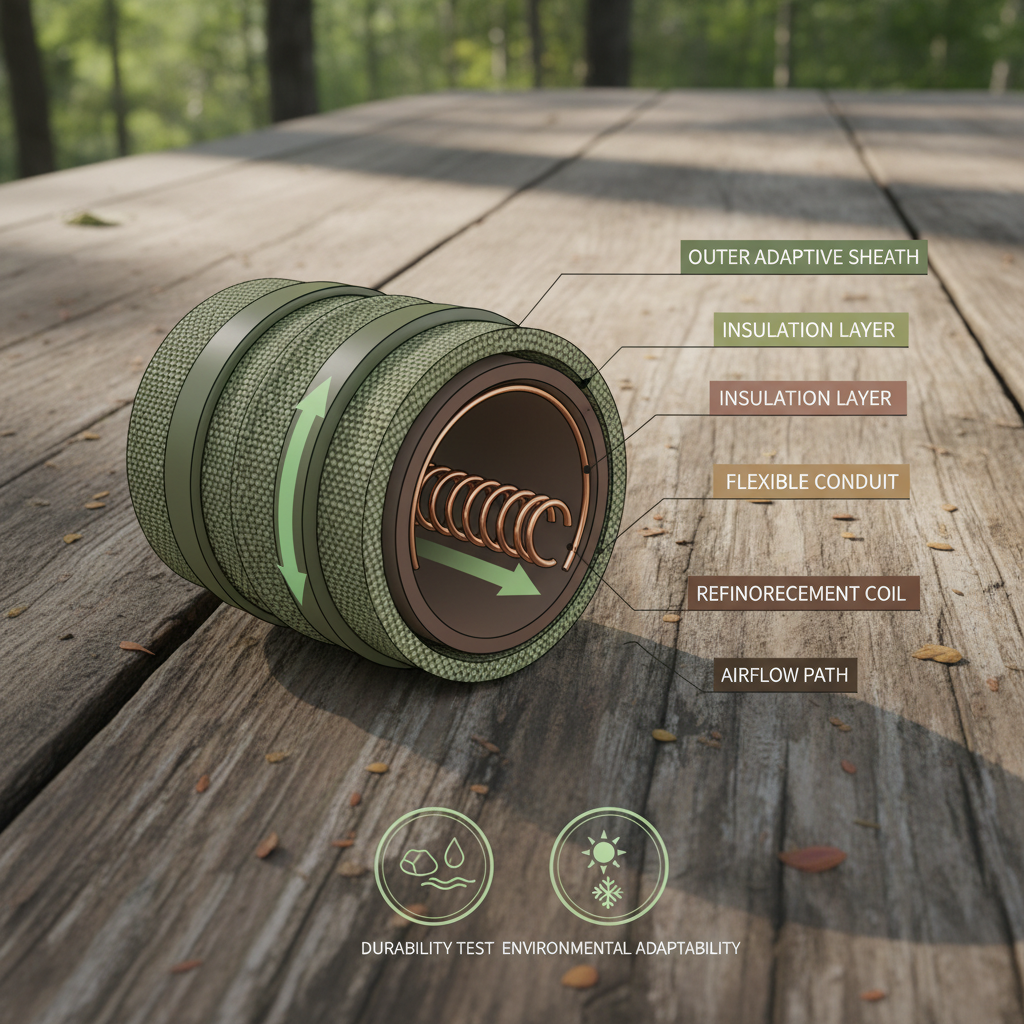
ac compressor lines are vital components in refrigeration and air conditioning systems, playing a crucial role in the efficient transfer of refrigerant. Their reliability directly impacts the performance and longevity of these systems, which are essential for maintaining comfortable indoor environments and preserving perishable goods globally. Understanding their construction, materials, and maintenance is paramount for professionals and end-users alike.
The demand for high-quality ac compressor lines is driven by the increasing need for efficient cooling solutions in residential, commercial, and industrial sectors. Global climate change is further accelerating this demand, with a greater emphasis on energy-efficient and environmentally friendly refrigeration technologies. Innovation in materials and manufacturing processes is constantly evolving to meet these challenges.
Properly functioning ac compressor lines are essential for minimizing energy consumption and reducing the environmental impact of cooling systems. Regular inspection and maintenance of these lines can prevent costly repairs and ensure optimal performance, ultimately contributing to a more sustainable future.
Introduction to ac compressor lines
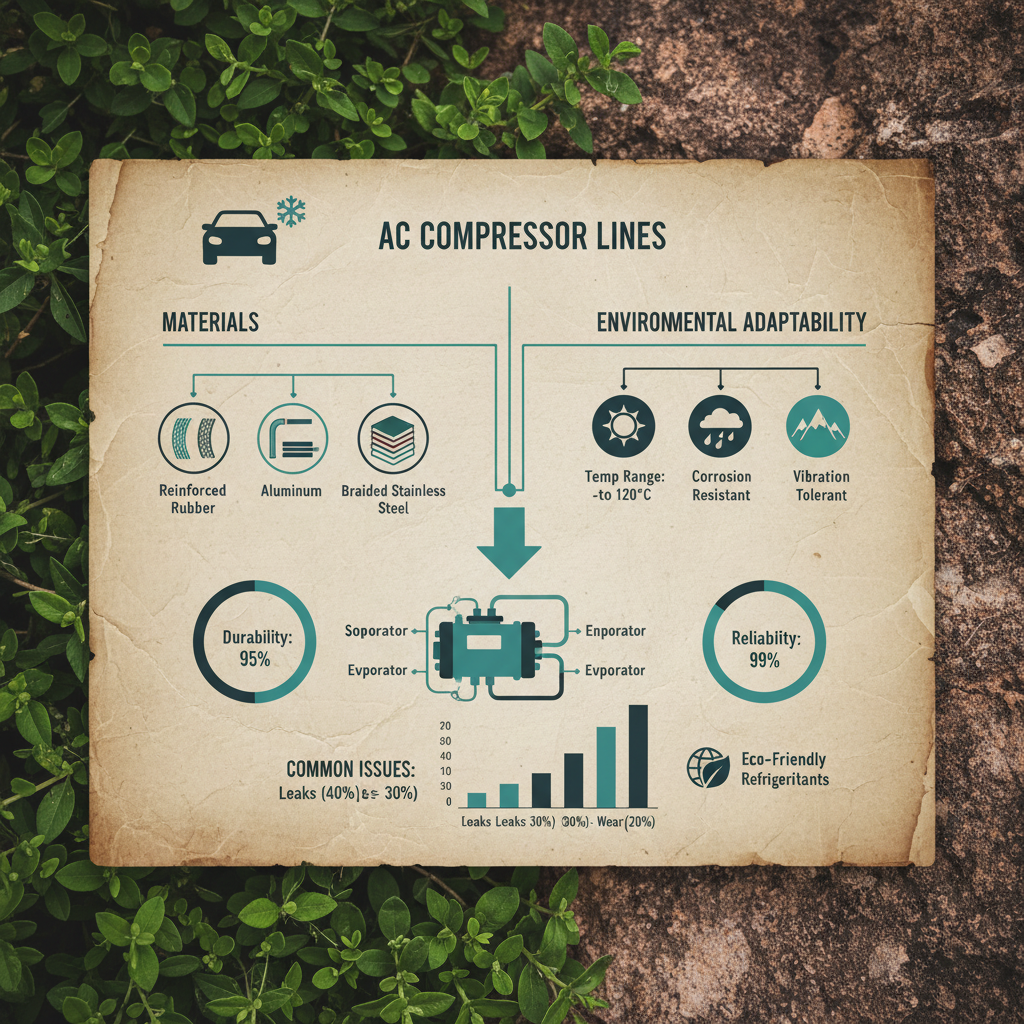
Ac compressor lines, typically constructed from rubber, steel, or thermoplastic materials, serve as the critical pathways for refrigerant circulation within an air conditioning or refrigeration system. They must withstand high pressures and temperatures while maintaining leak-proof integrity. ac compressor lines play a vital role in system efficiency.
The selection of appropriate ac compressor lines depends on the specific refrigerant used, operating conditions, and application requirements. Different materials offer varying degrees of chemical compatibility, temperature resistance, and burst strength. Understanding these properties is essential for ensuring long-term reliability and preventing system failures.
Defining ac Compressor Lines
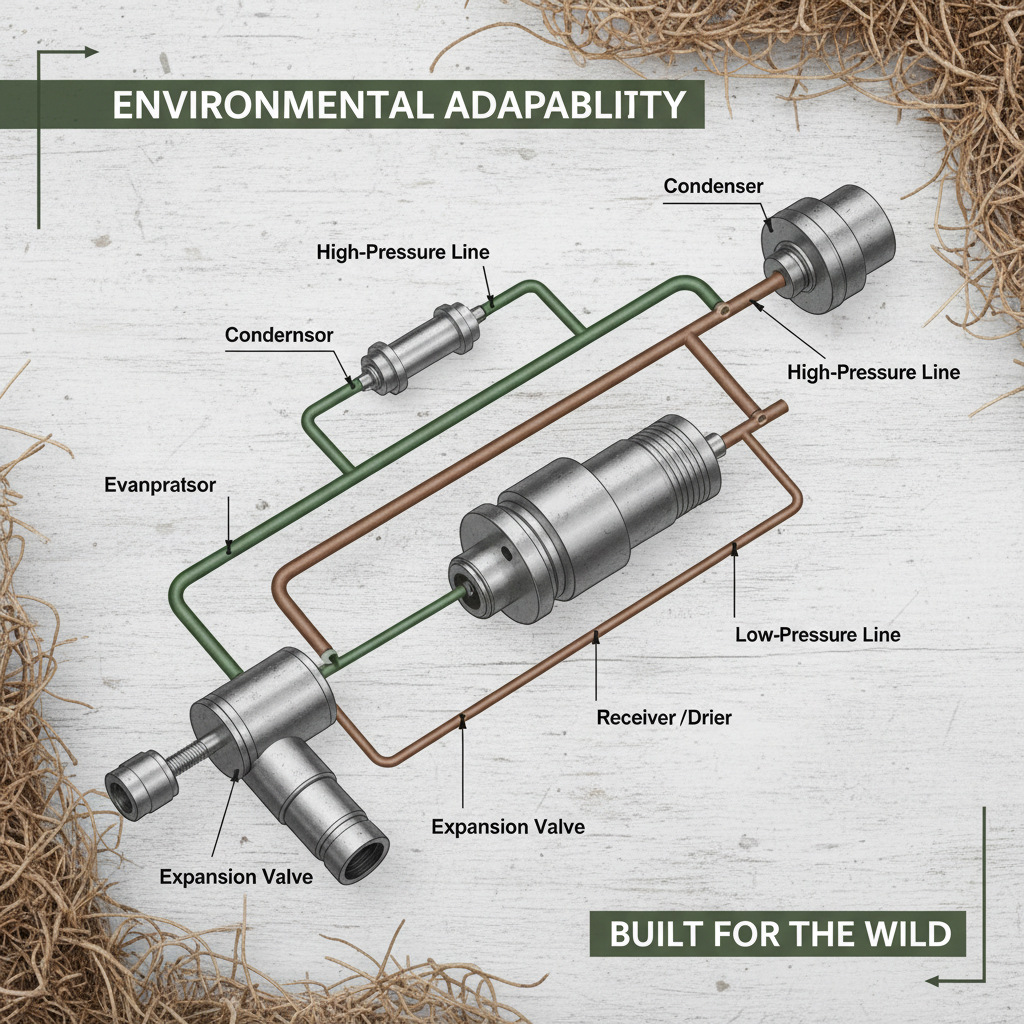
Ac compressor lines are the flexible hoses or rigid tubing that connect the compressor, condenser, evaporator, and other components of a refrigeration or air conditioning system. Their primary function is to transport refrigerant—the working fluid that absorbs and releases heat—throughout the cycle.
These lines aren't merely conduits; they are engineered to withstand the extreme pressures and temperatures inherent in the refrigeration process. They are designed to prevent refrigerant leaks, which can not only reduce system efficiency but also pose environmental hazards.
The design and material of ac compressor lines are dictated by the refrigerant type (e.g., R-134a, R-410A), operating pressures, and temperature ranges. Selecting the correct line is vital for system longevity and optimal performance.
Key Factors in ac Compressor Line Design
Durability is paramount in ac compressor line design. The lines must withstand constant pressure fluctuations, vibration, and exposure to harsh environmental conditions. High-quality materials and robust construction techniques are critical for preventing failures and ensuring a long service life.
Chemical compatibility is another key consideration. Refrigerants can be corrosive to certain materials, leading to degradation and leaks. The lines must be constructed from materials that are resistant to the specific refrigerant used in the system, ensuring long-term integrity.
Temperature resistance is crucial, particularly in systems operating in extreme climates. Ac compressor lines must maintain their flexibility and structural integrity across a wide temperature range, preventing cracking or brittleness that could lead to leaks. ac compressor lines are frequently designed with this in mind.
Global Applications of ac Compressor Lines
Ac compressor lines find widespread use in residential air conditioning systems, providing cooling for homes and apartments worldwide. Their application extends to commercial buildings, including offices, retail stores, and hotels, where large-scale cooling is essential for occupant comfort and productivity.
The transportation industry relies heavily on ac compressor lines in vehicle air conditioning systems, ensuring comfortable travel for passengers and preserving perishable goods in refrigerated trucks and trailers. This is particularly vital in regions with high temperatures.
ac Compressor Line Performance by Method
Advantages and Long-Term Value
Employing high-quality ac compressor lines reduces the risk of refrigerant leaks, leading to lower energy consumption and reduced operational costs. This translates to significant savings for both residential and commercial customers over the system’s lifespan.
Durable ac compressor lines minimize the need for frequent repairs and replacements, enhancing system reliability and reducing downtime. This is particularly important in critical applications where uninterrupted cooling is essential, like in data centers or hospitals.
Future Trends in ac Compressor Line Technology
The development of more environmentally friendly refrigerants is driving innovation in ac compressor line materials. New materials are needed that are compatible with these refrigerants and offer improved performance and reduced environmental impact.
The integration of smart sensors into ac compressor lines will enable real-time monitoring of pressure, temperature, and leak detection. This data can be used for predictive maintenance, optimizing system performance and preventing costly failures.
Automation in the manufacturing of ac compressor lines is increasing precision and reducing production costs. Advanced manufacturing techniques like 3D printing are also being explored for creating customized line configurations.
Challenges and Solutions in ac Compressor Line Implementation
One common challenge is ensuring compatibility between ac compressor lines and the evolving range of refrigerants. Solutions involve continuous materials research and development, along with standardized testing protocols.
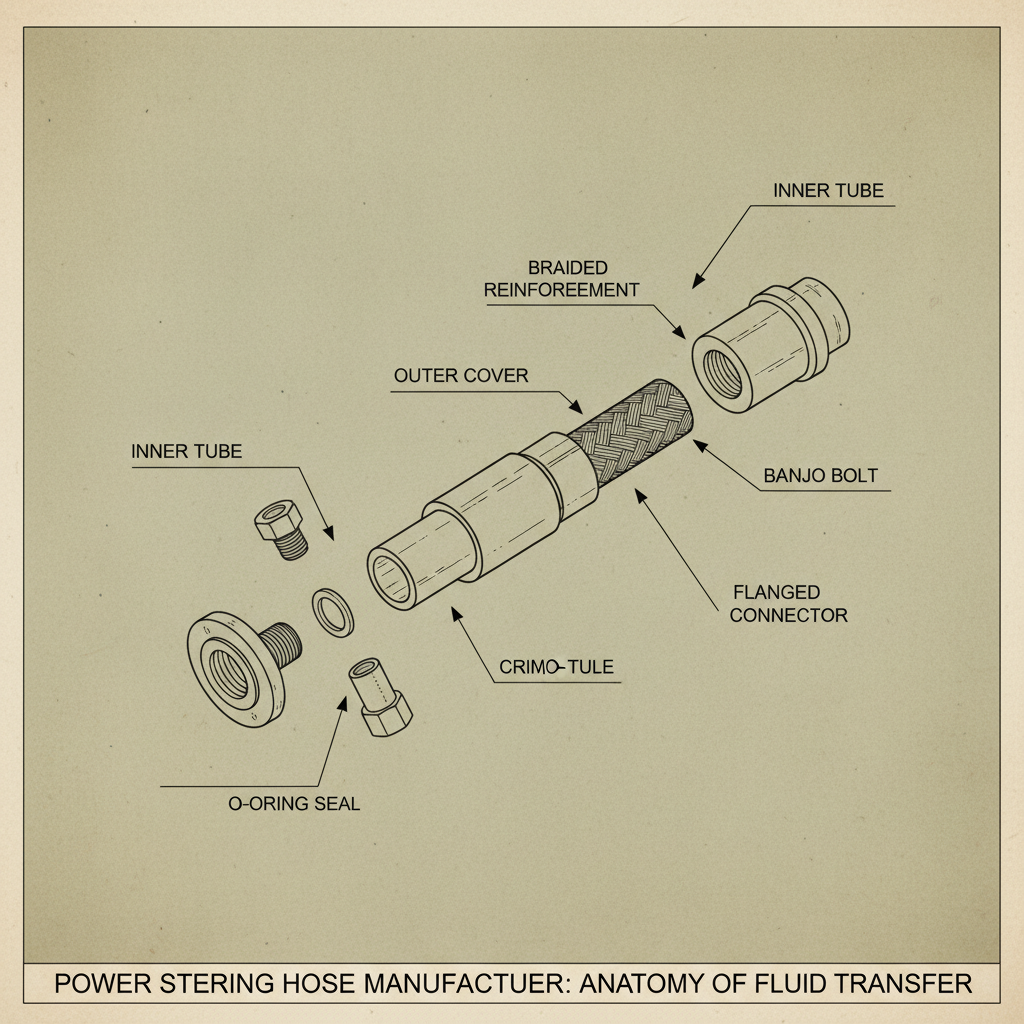
Another challenge is maintaining the flexibility and durability of lines in demanding applications. The use of reinforced materials, such as braided stainless steel, and advanced polymer compounds can address this issue.
Proper installation is critical to prevent leaks and ensure long-term performance. Training and certification programs for HVAC technicians can help ensure that lines are installed correctly and that potential issues are identified and addressed promptly.
Summary of ac Compressor Line Challenges and Solutions
| Challenge |
Impact on System |
Solution |
Implementation Cost (1-10) |
| Refrigerant Compatibility |
Material Degradation, Leaks |
Material Research & Development |
7 |
| High Pressure & Temperature |
Line Rupture, System Failure |
Reinforced Materials |
6 |
| Vibration & Flex Fatigue |
Cracking, Leaks |
Flexible Polymer Compounds |
5 |
| Improper Installation |
Leaks, Reduced Efficiency |
Technician Training |
4 |
| Corrosion |
Line Weakening, Leaks |
Protective Coatings |
6 |
| Environmental Factors (UV, Ozone) |
Material Degradation |
UV-Resistant Materials |
5 |
FAQS
The lifespan of ac compressor lines can vary significantly depending on factors such as the material, operating conditions, and maintenance practices. Generally, rubber lines may last 5-7 years, while steel-braided lines can potentially last 10-15 years or more with proper care. Regular inspection for cracks, abrasions, and leaks is essential for maximizing lifespan.
It’s recommended to inspect ac compressor lines at least annually during routine HVAC system maintenance. A professional technician should check for signs of wear, damage, or leaks. More frequent inspections may be necessary in harsh environments or for systems operating under heavy load. Early detection of problems can prevent costly repairs and system failures.
Common signs of a failing ac compressor line include a noticeable drop in cooling performance, hissing sounds near the lines (indicating a leak), oily residue on the line surfaces, and increased energy bills. If you observe any of these symptoms, it’s crucial to have the system inspected by a qualified technician immediately.
Minor damage to ac compressor lines, such as small abrasions, may sometimes be repaired with specialized patching materials. However, significant damage, cracks, or leaks generally require complete line replacement. Attempting to repair severely damaged lines can be unsafe and may lead to further problems. ac compressor lines replacements are often the safest and most reliable option.
The best material for ac compressor lines depends on the refrigerant type and operating conditions. Steel-braided rubber lines offer good durability and flexibility for many applications. Thermoplastic lines are becoming increasingly popular due to their resistance to corrosion and compatibility with newer refrigerants. Always consult with an HVAC professional to determine the most suitable material for your specific system.
Different refrigerants have varying chemical properties and compatibility requirements. Certain refrigerants can degrade specific line materials, leading to leaks and system failure. For example, lines designed for R-22 may not be suitable for R-410A. It’s crucial to select lines specifically rated for the refrigerant used in your system to ensure long-term reliability and safety.
Conclusion
In conclusion, ac compressor lines are indispensable components of modern refrigeration and air conditioning systems. Their reliable performance is crucial for efficient cooling, energy conservation, and environmental sustainability. Understanding the key factors influencing their design, material selection, and maintenance is paramount for professionals and end-users alike.
Looking ahead, continued innovation in materials, manufacturing processes, and smart technologies will further enhance the performance and longevity of ac compressor lines. Prioritizing regular inspection, preventative maintenance, and the use of high-quality components will ensure the long-term reliability and efficiency of these critical systems. For quality lines, visit our website: www.kemohose.com