Fuel line types are critical components in a vast range of industries, from automotive and aerospace to agriculture and chemical processing. These lines, responsible for the safe and efficient transportation of fuels, have evolved significantly over time, driven by demands for increased safety, durability, and compatibility with new fuel technologies. Understanding the diverse range of fuel line types available is crucial for ensuring optimal performance, preventing costly failures, and adhering to stringent regulatory standards.
The global market for fuel lines is substantial, influenced by factors such as increasing vehicle production, expanding industrialization in developing economies, and the growing emphasis on fuel efficiency and emissions control. According to market research reports, the automotive fuel line segment represents a significant portion of the overall demand. The UN’s Sustainable Development Goal 7 (Affordable and Clean Energy) further drives the need for reliable fuel transportation infrastructure.
The selection of the appropriate fuel line type is paramount, as different fuels and operating conditions necessitate specific material properties and construction techniques. Ignoring these factors can lead to fuel leaks, corrosion, and ultimately, system failures. This overview will delve into the various fuel line types, their characteristics, applications, and future trends.
Introduction to Fuel Line Types
Fuel line types aren't simply conduits for fuel; they are engineered systems designed to withstand the specific pressures, temperatures, and chemical properties of the fuel they transport. From the traditional rubber hoses found in older vehicles to the advanced fluoropolymer lines used in modern aircraft, the variety reflects the diverse requirements of different applications. The selection process often involves a trade-off between cost, performance, and longevity.
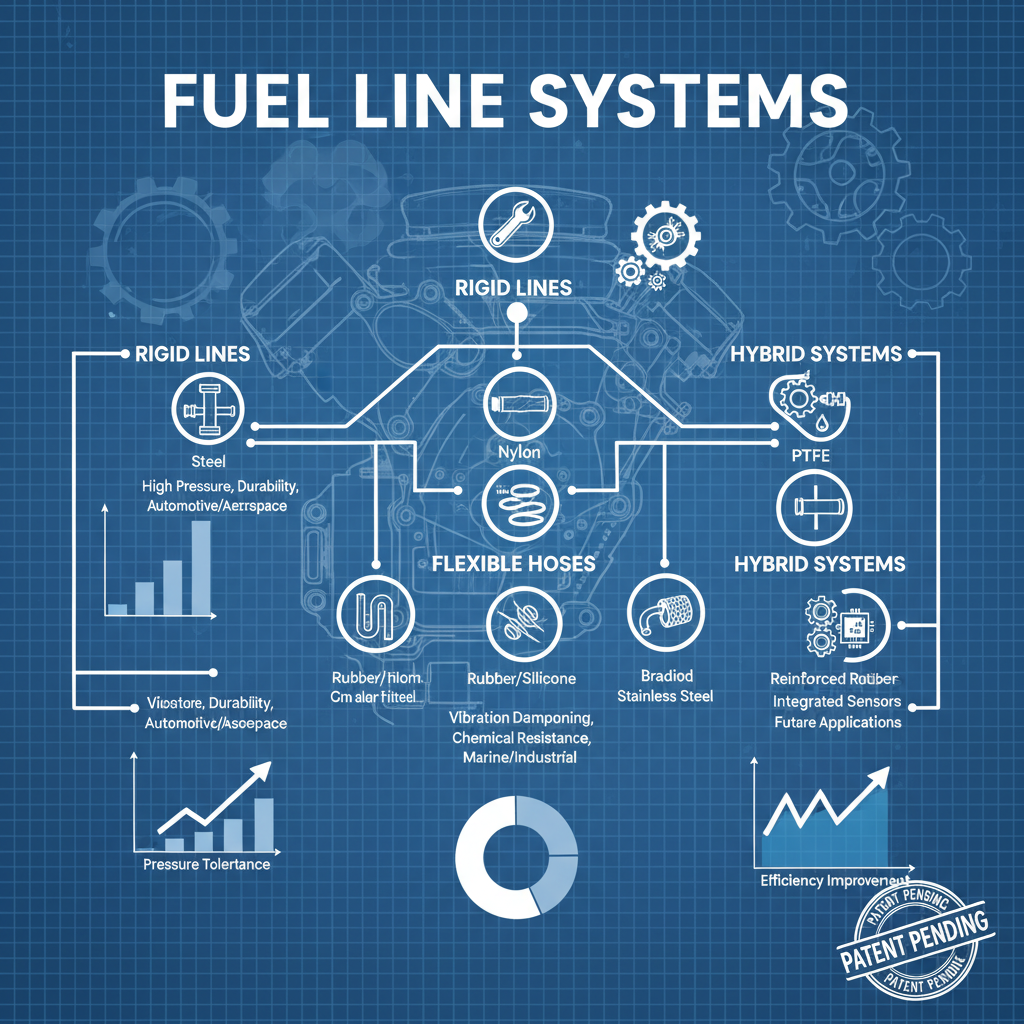
Understanding the different classifications, like those based on material (rubber, PTFE, nylon, etc.), construction (braided, corrugated, smooth bore), and intended use (low-pressure, high-pressure, fuel injection), is fundamental to making informed decisions. Incorrect selection can lead to leaks, reduced engine performance, and even safety hazards. fuel line types are designed to meet and exceed the standards of their respective industries.
Defining Fuel Line Types
Fuel line types refer to the various materials and construction methods used to create tubing designed to safely transport fuel from a storage tank to an engine or other combustion device. These lines are categorized based on several factors, primarily the material used in their construction, which dictates their chemical resistance, temperature tolerance, and pressure handling capabilities. Different fuels, such as gasoline, diesel, ethanol blends, and aviation fuels, demand different levels of compatibility.
Beyond the core material, construction plays a significant role. Braided fuel lines, for example, offer enhanced strength and resistance to kinking, while corrugated lines provide flexibility. The internal diameter and wall thickness are also critical parameters, influencing flow rate and burst pressure. Modern fuel line designs increasingly incorporate features such as leak detection systems and anti-static properties.
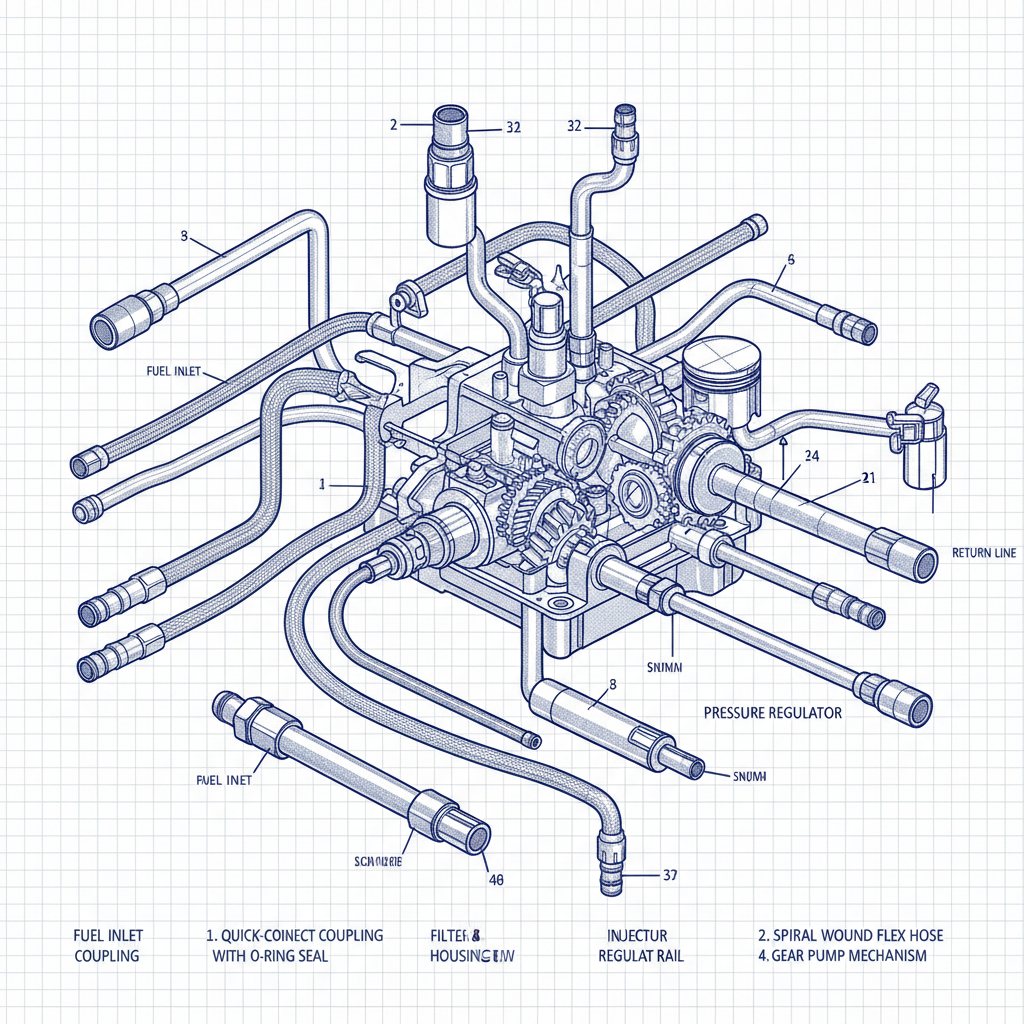
The definition extends beyond just the hose or tube itself; it includes the fittings, clamps, and connectors used to assemble a complete fuel delivery system. Properly specified and installed fuel lines are essential for the reliable operation of any fuel-powered system, connecting the energy source to its point of use.
Key Characteristics of Fuel Lines
Several key characteristics define the suitability of a fuel line for a specific application. Durability is paramount, as fuel lines are exposed to harsh environments, including temperature fluctuations, vibration, and potential abrasion. A robust fuel line must resist cracking, swelling, and degradation over its expected lifespan.
Chemical compatibility is another critical factor. The fuel line material must be resistant to the specific fuel it will carry, preventing corrosion, leaching, and contamination. Compatibility also extends to additives and stabilizers often present in modern fuels. Pressure rating is essential; the line must be able to withstand the maximum pressure generated by the fuel system without bursting or leaking. Finally, flexibility is important for ease of installation and to prevent stress cracking.
Temperature resistance is also crucial. Fuel lines can experience wide temperature swings, from sub-freezing conditions to scorching engine heat. The material must maintain its integrity and flexibility across this range. Furthermore, permeation resistance – the ability to prevent fuel from diffusing through the line wall – is increasingly important due to environmental concerns and emission regulations.
Global Applications of Fuel Lines
The applications of fuel line types are widespread and impact nearly every sector reliant on combustion engines or fuel-powered equipment. The automotive industry is a major consumer, utilizing various fuel line types for gasoline, diesel, and alternative fuel vehicles. Aerospace employs high-performance fluoropolymer lines capable of withstanding extreme temperatures and pressures.
Agriculture relies on fuel lines for tractors, harvesters, and other machinery, often requiring robust lines that can withstand harsh field conditions. In the marine industry, fuel lines must be resistant to saltwater corrosion and UV degradation. Industrial applications include fuel delivery systems for generators, pumps, and other stationary equipment. In remote industrial zones, the reliability of fuel lines is paramount.
Furthermore, fuel line types are critical in emergency response situations, such as powering generators during natural disasters. The increasing use of biofuels and alternative fuels is also driving innovation in fuel line materials, demanding compatibility with new chemical compositions.
Comparative Performance of Fuel Line Types
Advantages and Long-Term Value
Investing in high-quality fuel line types yields numerous advantages, starting with enhanced safety. Reliable fuel lines minimize the risk of leaks, reducing the potential for fires and environmental contamination. Reduced maintenance costs are another significant benefit; durable lines require less frequent replacement, saving time and money.
Improved fuel efficiency is also achievable. Lines with smooth bores and consistent diameters promote optimal fuel flow, maximizing engine performance. Furthermore, selecting the appropriate fuel line type for the specific fuel being used extends the lifespan of the entire fuel system, protecting other components from corrosion and damage.
Future Trends in Fuel Line Technology
The future of fuel line technology is intertwined with the evolution of fuels and engine designs. The increasing adoption of biofuels and alternative fuels (such as hydrogen) is driving the development of new materials that are compatible with these fuels' unique chemical properties. Nanomaterials are being explored for their potential to enhance fuel line strength, permeation resistance, and chemical compatibility.
Digital fuel lines, incorporating sensors to monitor pressure, temperature, and fuel quality, are emerging as a way to improve system diagnostics and predictive maintenance. Automation in manufacturing processes is leading to more precise and consistent fuel line production, enhancing quality and reliability.
Challenges and Innovative Solutions
Despite advancements, several challenges remain in the field of fuel line technology. The increasing complexity of fuel formulations, with higher ethanol content and novel additives, requires ongoing materials research to ensure compatibility. The demand for lighter-weight fuel lines, particularly in the automotive and aerospace industries, necessitates the development of stronger yet less dense materials.
Corrosion remains a persistent problem, especially in marine and industrial environments. Innovative coating technologies and corrosion-resistant alloys are being developed to address this issue. Furthermore, the need for more sustainable fuel line materials is driving research into bio-based polymers and recyclable materials. fuel line types are crucial in facing these challenges.
Implementing robust quality control procedures and employing advanced testing methods are crucial for ensuring that fuel lines meet stringent safety and performance standards.
Summary of Fuel Line Selection Criteria
| Fuel Type Compatibility |
Pressure Rating (PSI) |
Temperature Range (°C) |
Expected Service Life (Years) |
| Gasoline (Ethanol-Blended) |
150 |
-40 to 120 |
5-7 |
| Diesel |
200 |
-40 to 150 |
7-10 |
| Aviation Fuel (Jet A) |
300 |
-54 to 135 |
10-15 |
| Ethanol (E85) |
100 |
-40 to 85 |
3-5 |
| Hydrogen |
750 |
-40 to 100 |
4-6 |
| Biodiesel |
180 |
-40 to 140 |
6-8 |
FAQS
Rubber fuel lines are generally more affordable and flexible, making them suitable for low-pressure applications. However, they are susceptible to degradation from exposure to fuels, especially ethanol blends. PTFE (Teflon) lines offer superior chemical resistance, temperature tolerance, and durability, making them ideal for high-pressure and demanding applications, although they are more expensive and less flexible. Selecting the appropriate material depends on the specific fuel type and operating conditions.
The recommended replacement interval for fuel lines varies depending on the material, operating conditions, and manufacturer's recommendations. As a general guideline, rubber fuel lines should be inspected annually and replaced every 5-7 years. PTFE lines can last significantly longer, often 10-15 years or more, but regular inspection is still essential. Signs of degradation, such as cracking, swelling, or leaks, warrant immediate replacement.
Working with fuel lines requires extreme caution due to the flammability of fuels. Always disconnect the battery before working on the fuel system. Ensure adequate ventilation to prevent the accumulation of fuel vapors. Avoid open flames or sparks in the vicinity. Use appropriate safety equipment, such as gloves and eye protection. Dispose of old fuel lines and fuel properly.
Repairing a leaking fuel line is generally not recommended. While temporary patches may seem like a quick fix, they are often unreliable and can create a greater safety hazard. Replacing the entire fuel line is the safest and most effective solution. Using the wrong repair method can lead to further leaks and potential fuel fires.
Ethanol is a corrosive agent that can degrade many rubber and plastic materials commonly used in fuel lines. Ethanol-blended fuels (such as E10 and E85) require fuel lines specifically designed to withstand ethanol's corrosive effects. Using incompatible fuel lines can lead to fuel leaks, reduced engine performance, and costly repairs. Always verify fuel line compatibility before using ethanol-blended fuels.
Selecting the correct fuel line size is crucial for maintaining optimal fuel flow and preventing pressure drops. The appropriate size depends on the fuel pump's output, engine's fuel demand, and the length of the fuel line. Refer to the vehicle's service manual or consult with a fuel system specialist to determine the correct size. Using a fuel line that is too small can restrict fuel flow, while a line that is too large can reduce fuel pressure.
Conclusion
In conclusion, fuel line types represent a critical component in the safe and efficient operation of countless systems across diverse industries. Understanding the various materials, constructions, and applications is paramount for ensuring reliability, preventing failures, and maximizing performance. From the traditional rubber hoses to the cutting-edge fluoropolymer lines, the ongoing advancements in fuel line technology are driven by the need for greater durability, chemical compatibility, and environmental responsibility.
Looking ahead, the integration of smart sensors, the development of sustainable materials, and the adaptation to alternative fuels will shape the future of fuel line technology. Prioritizing quality, adhering to industry standards, and embracing innovation are essential for navigating the evolving landscape and ensuring the continued safe and reliable delivery of fuel. For a wide selection of high-quality fuel lines, visit our website: www.kemohose.com.