0%

Table of Contents

The ac charging hose with gauge is a critical component in maintaining and servicing air conditioning systems, ranging from automotive applications to large-scale industrial cooling. Its primary function is to safely and accurately transfer refrigerant during charging, recovery, and evacuation procedures. Understanding the nuances of these hoses – their construction, pressure ratings, and the integrated gauge functionality – is paramount for technicians and engineers ensuring optimal system performance and preventing environmental harm. Proper use of an ac charging hose with gauge directly impacts efficiency, longevity, and the overall cost of maintaining climate control solutions.

Globally, the demand for effective refrigerant handling tools like the ac charging hose with gauge is constantly growing, driven by an increasing number of vehicles, expanding HVAC infrastructure, and stricter environmental regulations surrounding refrigerant emissions. The automotive sector alone represents a massive market, with millions of vehicles requiring regular AC service. Furthermore, regulations like the Kigali Amendment to the Montreal Protocol are pushing for the adoption of lower-GWP (Global Warming Potential) refrigerants, necessitating specialized tools and techniques, including precision hoses with accurate gauges for proper handling.

Beyond automotive, the expanding commercial and industrial sectors heavily rely on efficient and reliable cooling systems. The ac charging hose with gauge plays a crucial role in servicing these systems, ensuring businesses and industries can maintain optimal operating temperatures. The increasing awareness of energy conservation and the push for sustainable cooling solutions further elevate the importance of precise refrigerant management facilitated by these essential tools.

Essential Guide to ac charging hose with gauge for Efficient Fluid Transfer

The Core Functionality of an ac charging hose with gauge

Essential Guide to ac charging hose with gauge for Efficient Fluid Transfer

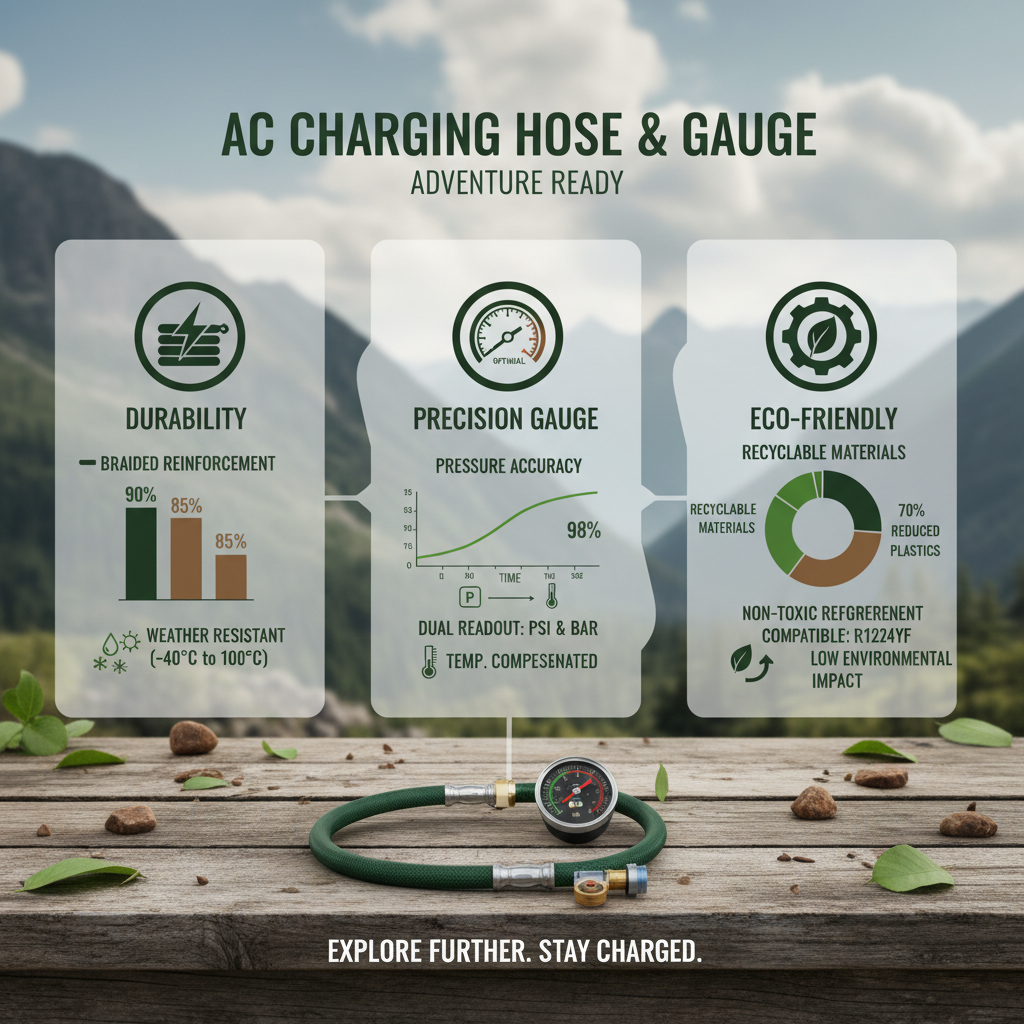
At its core, the ac charging hose with gauge is engineered to facilitate the transfer of refrigerant between a service machine and an air conditioning system. The "hose" component must be flexible, durable, and resistant to degradation from various refrigerants. Crucially, it must withstand high pressures encountered during charging and recovery. The integrated gauge provides a real-time pressure reading, allowing technicians to monitor the charging process and ensure correct refrigerant levels.

This functionality is not merely about convenience; it's about precision and safety. Incorrect refrigerant charge levels can lead to reduced cooling efficiency, compressor damage, or even system failure. A reliable ac charging hose with gauge empowers technicians to diagnose problems, perform accurate repairs, and maintain optimal system performance, ultimately saving customers time and money.

Understanding Refrigerant Compatibility and Hose Materials

Different refrigerants require specific hose materials to prevent degradation and ensure a leak-proof connection. Historically, R-12 systems used hoses compatible with mineral oils. However, the transition to newer refrigerants like R-134a and HFC blends, as well as the upcoming adoption of low-GWP refrigerants like R-1234yf and CO2, demands hoses made from materials like rubber blends with enhanced chemical resistance. Using the incorrect hose can lead to swelling, cracking, and ultimately, refrigerant leaks.

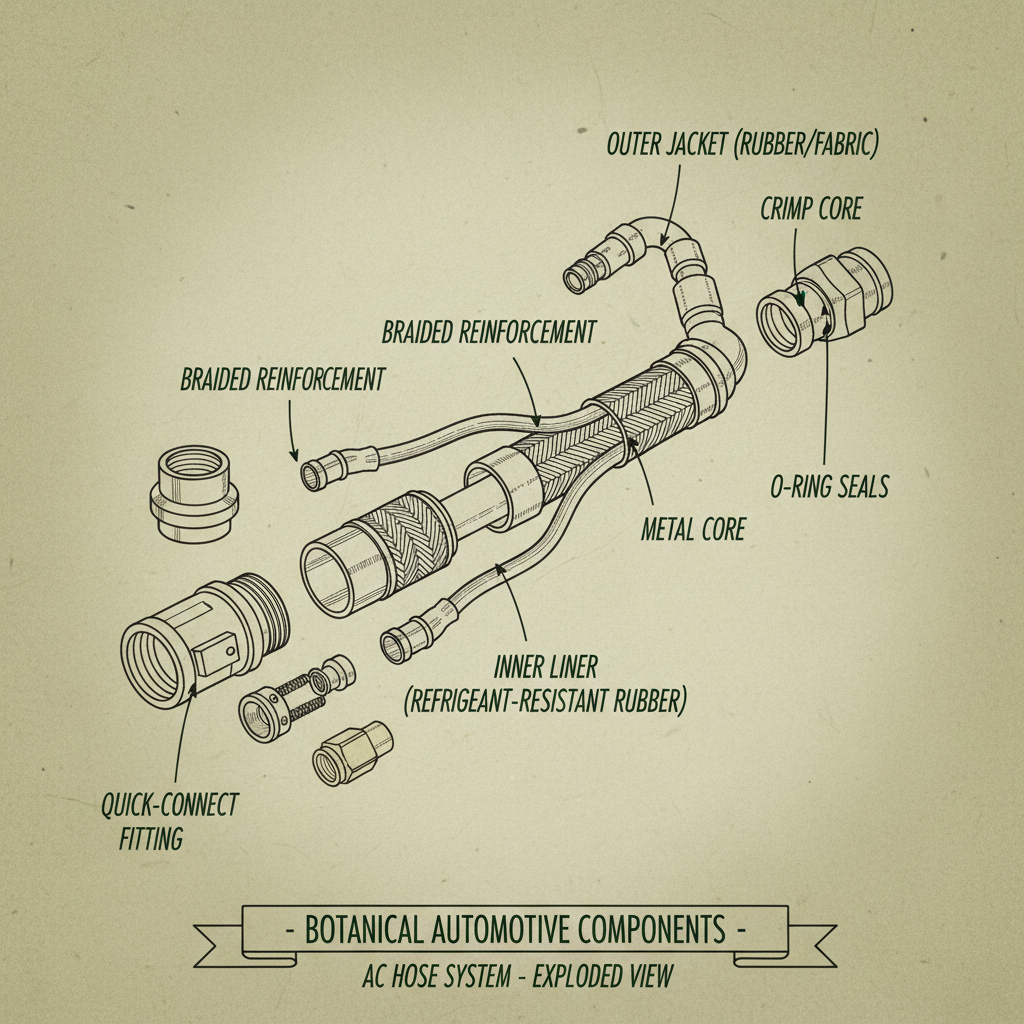
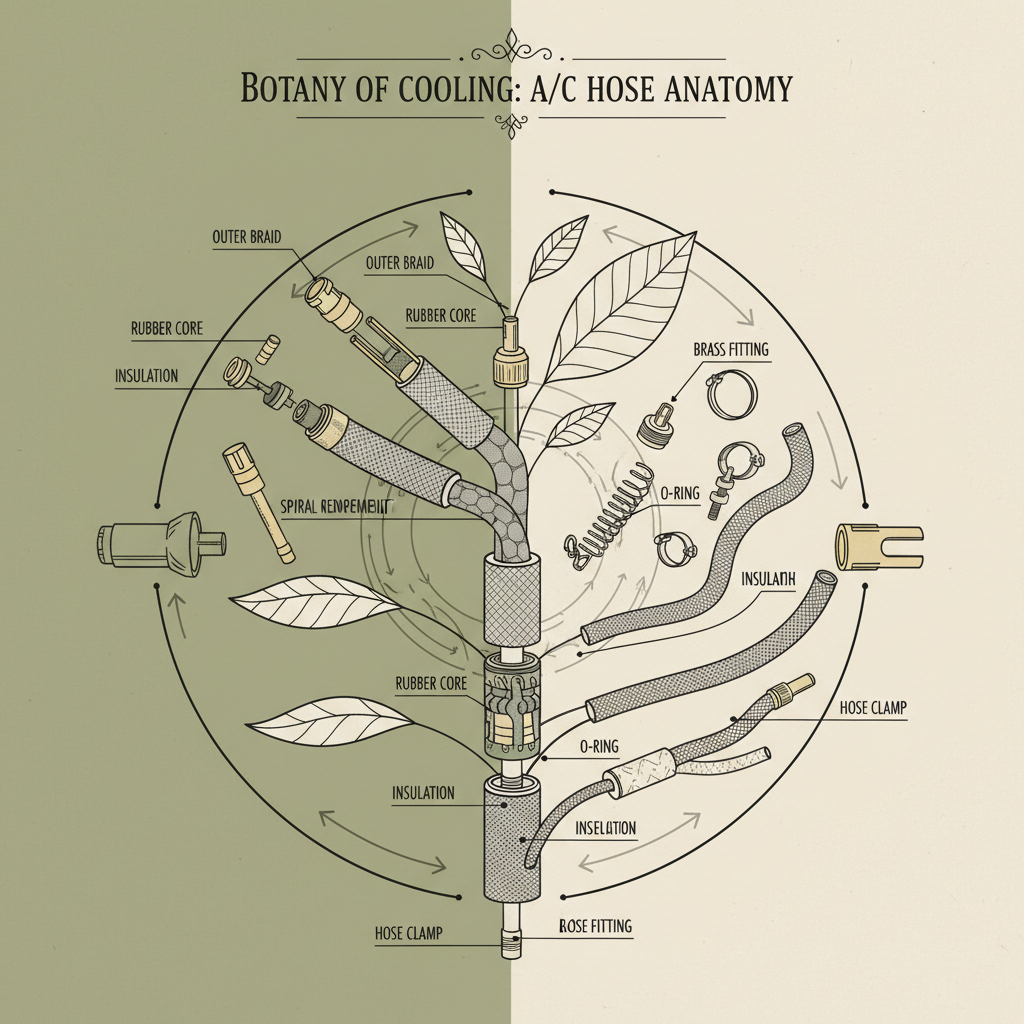
The modern ac charging hose with gauge is often constructed with a combination of materials, including a synthetic rubber inner tube, a reinforced braided layer (often steel or nylon for strength), and an outer protective cover. The specific materials used dictate the hose’s compatibility with different refrigerants, its burst pressure rating, and its overall lifespan.

Therefore, technicians must always verify the hose’s compatibility with the refrigerant being used before commencing any service work. Many hoses are color-coded or clearly labeled to indicate their suitable refrigerant types, ensuring proper application and avoiding potentially costly errors.

The Importance of Gauge Accuracy and Calibration

The integrated gauge on an ac charging hose with gauge isn’t just for show – it’s the primary instrument for accurately monitoring refrigerant pressures. Precise pressure readings are essential for determining the system’s charge level, identifying potential leaks, and diagnosing performance issues. A gauge that is inaccurate can lead to overcharging or undercharging the system, both of which can have detrimental effects.

Gauge accuracy is not static; it can drift over time due to various factors, including physical shock, temperature fluctuations, and general wear and tear. Regular calibration is therefore crucial. Calibration involves comparing the hose's gauge reading to a known, certified pressure standard and adjusting it as needed. Technicians should adhere to a regular calibration schedule, typically annually or after any significant impact or damage to the hose.

Investing in a high-quality ac charging hose with gauge with a traceable calibration certificate is a wise decision. A calibrated gauge provides confidence in the accuracy of readings, leading to more reliable diagnoses and effective repairs.

Key Performance Indicators of ac charging hose with gauge

Several key performance indicators (KPIs) define the quality and reliability of an ac charging hose with gauge. These include burst pressure, working pressure, temperature range, refrigerant compatibility, and gauge accuracy. Burst pressure indicates the maximum pressure the hose can withstand before failing, while working pressure represents the safe operating limit during regular use.

A wider temperature range ensures the hose remains flexible and functional in various climates. Proper refrigerant compatibility prevents material degradation and ensures leak-free operation. However, gauge accuracy remains paramount, influencing the precision of refrigerant charging and system diagnosis.

ac charging hose with gauge Performance Ratings


Global Applications Across Industries

The ac charging hose with gauge finds application in a remarkably diverse range of industries. The automotive sector represents the largest single market, with every vehicle equipped with an AC system requiring regular servicing, including refrigerant charging and recovery. Commercial refrigeration, including supermarkets and food processing plants, relies on these hoses for maintaining optimal cooling temperatures.

Furthermore, industrial HVAC systems in manufacturing facilities, data centers, and hospitals utilize ac charging hoses with gauges for ensuring climate control and process efficiency. Even niche applications, such as aerospace and marine cooling systems, depend on specialized hoses designed to withstand harsh environments and stringent safety standards.

Long-Term Benefits and Cost Analysis

Investing in a high-quality ac charging hose with gauge delivers significant long-term benefits. Increased diagnostic accuracy reduces troubleshooting time and minimizes incorrect repairs, saving both labor costs and customer downtime. A reliable hose prevents refrigerant leaks, protecting the environment and avoiding potential fines associated with refrigerant emissions.

Furthermore, a durable hose reduces the need for frequent replacements, lowering overall tool expenses. A precisely calibrated gauge leads to optimal system performance, improving energy efficiency and reducing operating costs. The peace of mind knowing your tools are reliable and accurate is a benefit that extends beyond mere financial considerations.

Future Trends and Technological Advancements

The future of the ac charging hose with gauge is intertwined with the evolving landscape of refrigerant technology and automotive innovation. The transition to low-GWP refrigerants necessitates the development of hoses specifically designed for compatibility with these new compounds. Smart hoses with digital gauges and wireless connectivity are emerging, offering real-time data logging, remote diagnostics, and integration with cloud-based service platforms.

Automation is another trend, with automated charging and recovery systems incorporating advanced hose technology for precise control and reduced technician intervention. The increasing emphasis on sustainability will drive the demand for eco-friendly hose materials and manufacturing processes.

Comparative Analysis of Advanced ac charging hose with gauge Features

Feature Traditional Hose Digital Hose Automated Hose
Gauge Accuracy ± 3% ± 1% ± 0.5%
Data Logging None Yes Yes, Automated
Refrigerant Compatibility Limited Wide Range Universal
Connectivity None Bluetooth/Wi-Fi Integrated System
Cost $50 - $100 $200 - $400 $500+ (System Integration)
Ease of Use Simple Moderate Minimal Technician Input

FAQS

What is the lifespan of a typical ac charging hose with gauge?

The lifespan of an ac charging hose with gauge varies depending on usage, storage conditions, and the quality of the hose. Generally, a well-maintained hose can last 3-5 years. However, factors like frequent use with harsh refrigerants, exposure to extreme temperatures, and physical damage can significantly shorten its lifespan. Regular inspection for cracks, leaks, and gauge accuracy is crucial for ensuring safe and reliable operation.

How often should I calibrate the gauge on my ac charging hose with gauge?

It’s recommended to calibrate the gauge on your ac charging hose with gauge at least once a year, or anytime it's subjected to physical shock or significant temperature changes. Calibration ensures accurate pressure readings, which are vital for proper refrigerant charging and system diagnosis. Many professional calibration services are available to provide traceable certificates, verifying the gauge's accuracy against known standards.

What are the key differences between R-134a and R-1234yf compatible hoses?

R-1234yf is a newer refrigerant with different chemical properties than R-134a. R-1234yf hoses require a specialized barrier layer to prevent refrigerant permeation, as R-1234yf is more prone to leaking through standard hose materials. Using an R-134a hose with R-1234yf can result in refrigerant loss, inaccurate readings, and potential system damage. Always verify hose compatibility before use.

How do I properly store my ac charging hose with gauge when not in use?

Proper storage is crucial for extending the life of your ac charging hose with gauge. After each use, purge the hose of any remaining refrigerant and store it in a clean, dry, and cool environment. Avoid exposing the hose to direct sunlight, extreme temperatures, or harsh chemicals. Coil the hose loosely to prevent kinking and store it in a protective case to prevent damage from abrasion or impact.

What safety precautions should I take when using an ac charging hose with gauge?

Always wear appropriate personal protective equipment (PPE), including safety glasses and gloves, when working with refrigerants. Ensure the hose is securely connected to both the service machine and the AC system to prevent leaks. Never exceed the hose's maximum working pressure. Always follow proper refrigerant recovery and recycling procedures to minimize environmental impact. Regularly inspect the hose for damage before each use.

Can I use an ac charging hose with gauge to vacuum an AC system?

While some ac charging hoses with gauges can be used for vacuuming, it's essential to ensure the hose is rated for the deep vacuum levels required for AC system evacuation. Standard hoses may not be able to maintain a sufficient vacuum, leading to incomplete evacuation and reduced system performance. Dedicated vacuum hoses are often preferred for optimal results and to prevent potential damage to the charging hose.

Conclusion

The ac charging hose with gauge is an indispensable tool for any technician working with air conditioning and refrigeration systems. Its core functionality, combined with advancements in materials, gauge accuracy, and smart technology, plays a pivotal role in ensuring efficient system performance, minimizing environmental impact, and reducing operating costs. Understanding refrigerant compatibility, calibration protocols, and proper storage techniques are paramount for maximizing the hose’s lifespan and reliability.

Looking ahead, we can expect continued innovation in ac charging hose with gauge technology, driven by the demand for sustainable refrigerants and automated service solutions. Embracing these advancements will empower technicians to deliver superior service, adapt to evolving industry standards, and contribute to a more environmentally responsible future.


Robert Miller

Robert Miller

Robert Miller serves as the Senior Engineering Manager at Hebei KEMO Auto Parts Technology Co., Ltd. With over 15 years of experience in automotive hose development, Robert leads KEMO’s R&D team in innovating high-performance solutions for AC, brake, and power steering systems. He’s instrumental in collaborating with research institutions and
Previous Understanding the Ac Compressor Discharge Hose Function Durability and Future Trends
Next Essential Guide to ac charging hose Applications and Future Trends