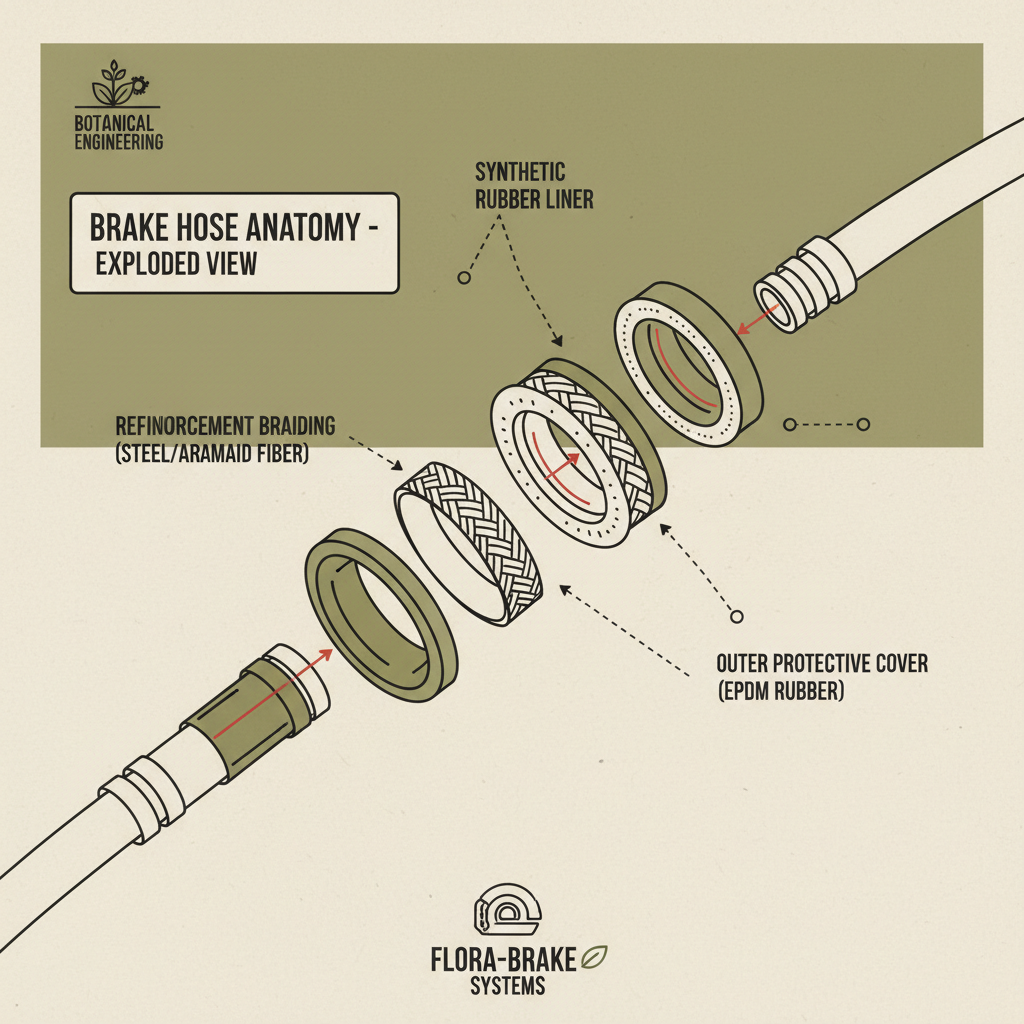
Maintaining optimal cabin temperature is not merely a matter of comfort but a critical aspect of vehicle safety and efficiency. At the heart of this system are auto air conditioning lines, the specialized conduits that transport refrigerant between the compressor, condenser, evaporator, and expansion valve. When these lines are engineered to the highest standards, they ensure a seamless thermodynamic cycle that protects passengers from extreme external climates.
On a global scale, the demand for high-performance auto air conditioning lines has surged due to the increasing complexity of modern vehicle engines and the shift toward electric mobility. The integration of advanced rubber compounds and reinforced barriers is essential to prevent refrigerant leakage, which not only degrades cooling performance but also contributes to atmospheric environmental concerns.
Understanding the nuances of these components allows automotive engineers and fleet managers to improve vehicle longevity and reduce maintenance costs. By focusing on materials that withstand high pressures and corrosive road salts, the automotive industry can ensure that cooling systems remain reliable throughout the entire lifecycle of the vehicle, regardless of the operating environment.
Global Relevance and Industry Context of AC Lines
The global automotive landscape is currently facing a dual challenge: the need for increased energy efficiency and the necessity of passenger comfort in increasingly volatile weather patterns. According to ISO standards for thermal management, the integrity of auto air conditioning lines is paramount, as even a minor leak can lead to a total system failure, forcing the compressor to overwork and increasing fuel consumption or battery drain in EVs.
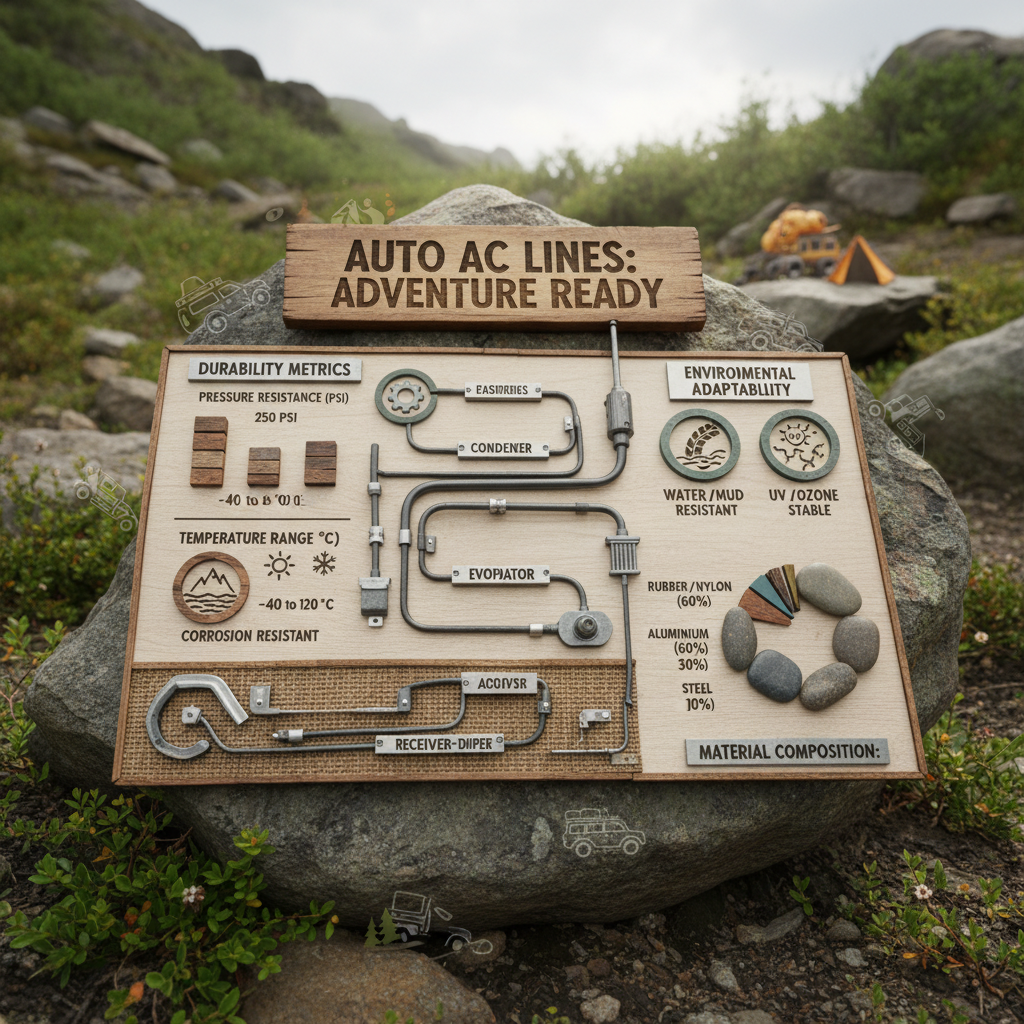
In regions like Southeast Asia and the Middle East, where extreme heat is a constant, the stress placed on rubber hoses is immense. The industry has shifted toward multi-layer synthetic elastomers that can withstand temperature fluctuations from -40°C to over 120°C. This global demand pushes manufacturers to innovate beyond standard rubber, incorporating nylon barriers and outer braiding to prevent permeate loss of refrigerants like R-134a or the newer R-1234yf.
Defining Auto Air Conditioning Lines and Their Function
In simple technical terms, auto air conditioning lines are the circulatory system of a vehicle's HVAC (Heating, Ventilation, and Air Conditioning) unit. They consist of a series of high-pressure and low-pressure hoses that transport refrigerant in both liquid and gaseous states. These lines connect the compressor—which pressurizes the gas—to the condenser, where heat is released, and finally to the evaporator, where the cabin is cooled.
Beyond simple transport, these lines are engineered to act as a barrier. Modern automotive requirements demand that the hoses be impermeable to moisture and air, as any contamination within the refrigerant loop can lead to internal corrosion of the compressor. This makes the selection of the inner liner material critical to the overall health of the vehicle's cooling system.
From a broader industrial perspective, the precision manufacturing of these lines reflects a commitment to environmental sustainability. By ensuring a leak-proof seal, manufacturers prevent the release of potent greenhouse gases into the atmosphere, aligning automotive production with global climate goals and stringent environmental regulations.
Key Engineering Factors for Maximum Durability
One of the primary factors in the longevity of auto air conditioning lines is Material Compatibility. The rubber must be chemically resistant to the oils used for compressor lubrication and the specific chemical makeup of the refrigerant. If the material is incompatible, the hose may soften or crack over time, leading to catastrophic leaks.
Pressure Resistance is equally critical. High-side lines must endure significant pressure spikes during peak summer operation without expanding or bursting. The use of high-tensile textile or steel braiding provides the necessary structural reinforcement, ensuring that the auto air conditioning lines maintain their shape and integrity under extreme load.
Finally, Vibration Dampening plays a vital role. Because the AC lines are mounted near the engine or motor, they are subject to constant mechanical vibration. Engineers design these hoses with specific flexibility profiles to absorb these shocks, preventing the fittings from loosening and reducing the risk of stress-induced fatigue at the connection points.
Global Applications and Industrial Use Cases
The application of high-grade auto air conditioning lines extends far beyond standard passenger cars. In the commercial trucking industry, where long-haul vehicles operate for days without stopping, the reliability of these lines is a matter of driver health and safety. A failure in the AC system during a desert crossing can lead to heat exhaustion, making heavy-duty reinforced lines a non-negotiable requirement.
Furthermore, in specialized industrial zones—such as mining sites or remote arctic research stations—vehicles are equipped with modified AC lines that can handle extreme temperature swings. These "ruggedized" versions often feature extra outer shielding to protect against abrasion from debris and chemical exposure from industrial runoff, ensuring that the thermal management system remains operational in the harshest conditions on earth.
Performance Comparison of AC Line Material Types
Long-Term Value and Reliability Benefits
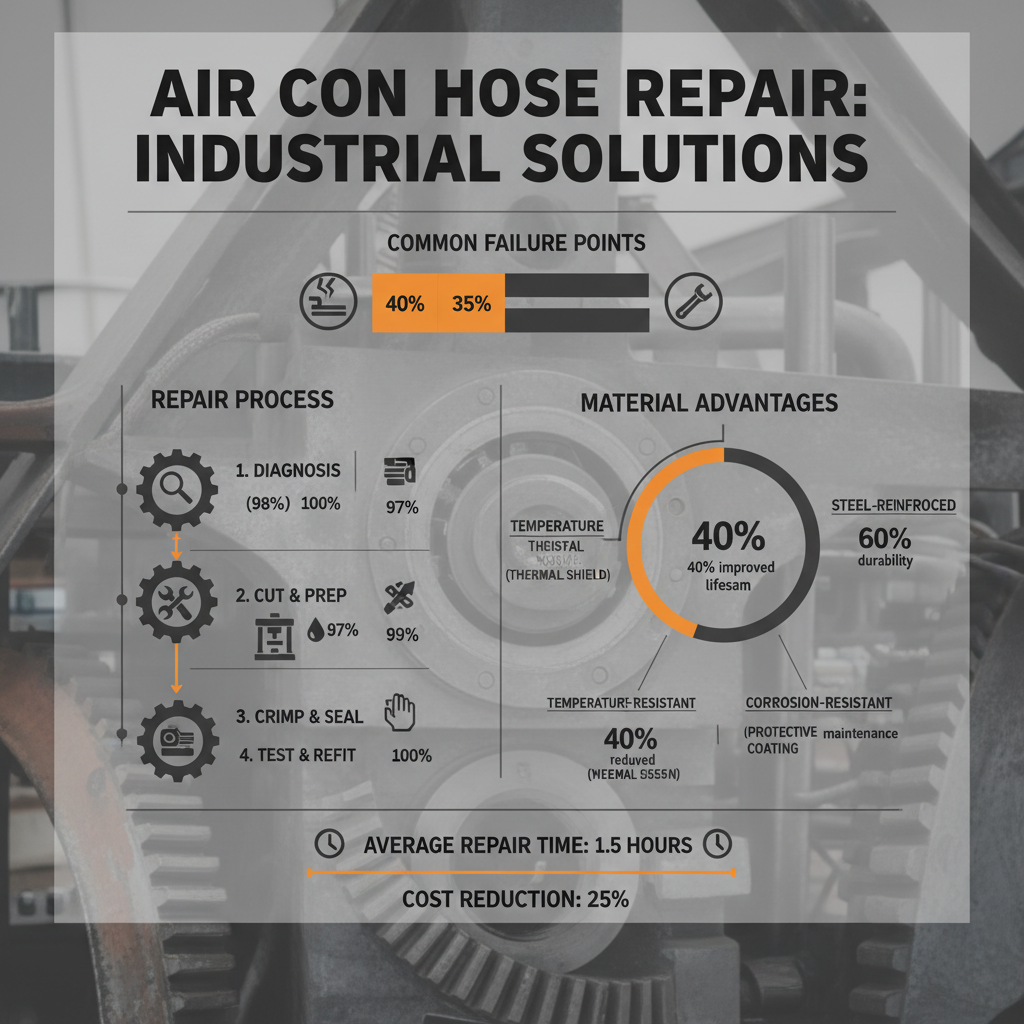
Investing in premium auto air conditioning lines provides tangible long-term economic value. While lower-cost alternatives may seem attractive initially, they often suffer from premature permeation—where the refrigerant slowly seeps through the hose walls. This leads to frequent "re-gas" appointments, increasing the total cost of ownership and causing unnecessary downtime for commercial fleets.
Beyond the financial aspect, there is a significant safety and psychological benefit. A reliable cooling system reduces driver fatigue and increases alertness, especially during long journeys in high-temperature environments. When a customer trusts that their vehicle's thermal management is robust, it enhances their overall confidence in the vehicle's brand and engineering quality, fostering a deeper sense of trust and loyalty.
Future Trends in Sustainable Cooling Materials
The automotive industry is currently undergoing a digital and green transformation, and auto air conditioning lines are evolving accordingly. One of the most prominent trends is the shift toward bio-based elastomers that reduce the carbon footprint of manufacturing without sacrificing the pressure-bearing capabilities of the hose.
Additionally, with the rise of Electric Vehicles (EVs), thermal management has become more complex. EVs often use "heat pumps" that require AC lines to move heat in both directions to warm the battery and the cabin. This requires lines that are more thermally conductive in specific areas yet perfectly insulated in others, leading to the development of hybrid-material hoses.
We are also seeing the integration of "smart" monitoring systems. Future auto air conditioning lines may incorporate embedded sensors capable of detecting microscopic leaks or pressure drops in real-time, alerting the driver via the dashboard before a complete system failure occurs, thus moving maintenance from reactive to predictive.
Overcoming Common Challenges in AC Line Installation
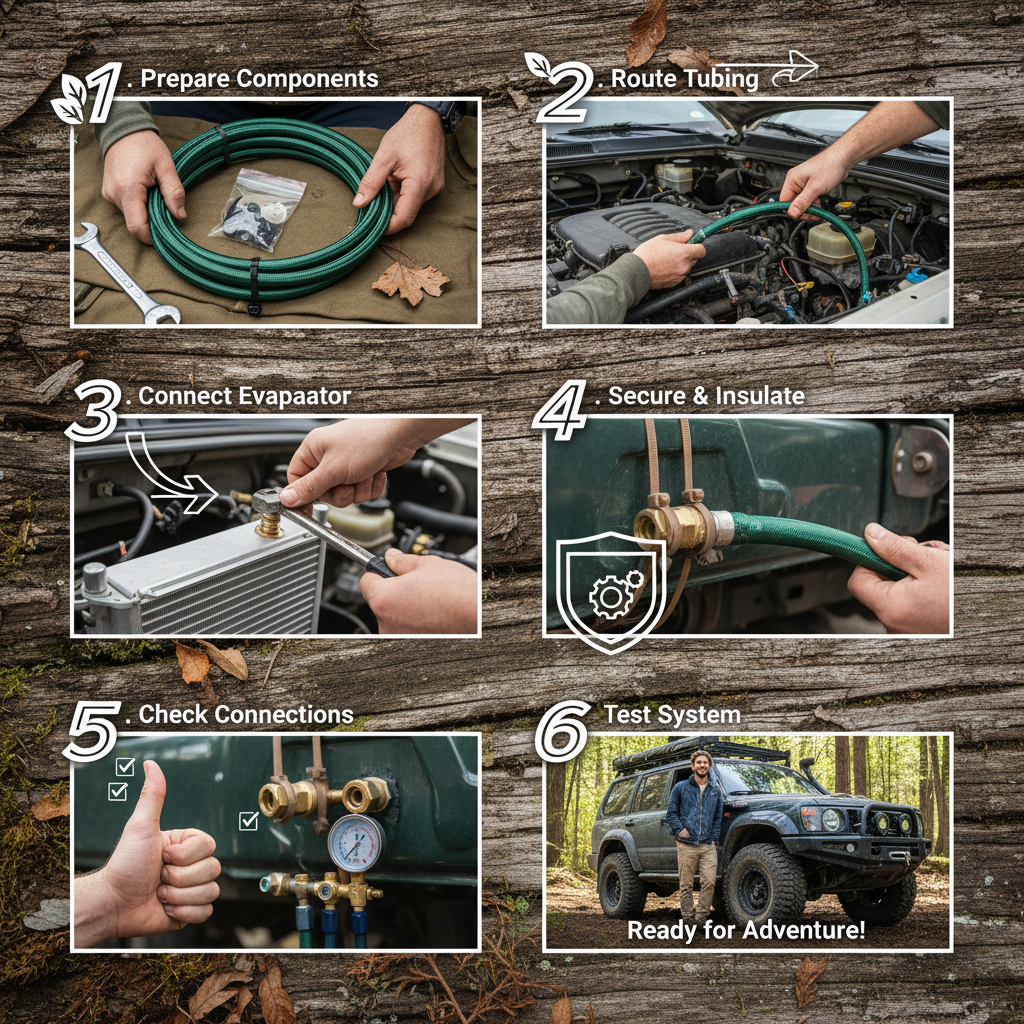
One of the most frequent challenges in the installation of auto air conditioning lines is the risk of "kinking" during assembly. A kinked hose restricts the flow of refrigerant, creating a bottleneck that puts excessive strain on the compressor and reduces cooling efficiency. To solve this, expert installers use precision routing guides and specialized clamps that secure the hose without compressing the inner diameter.
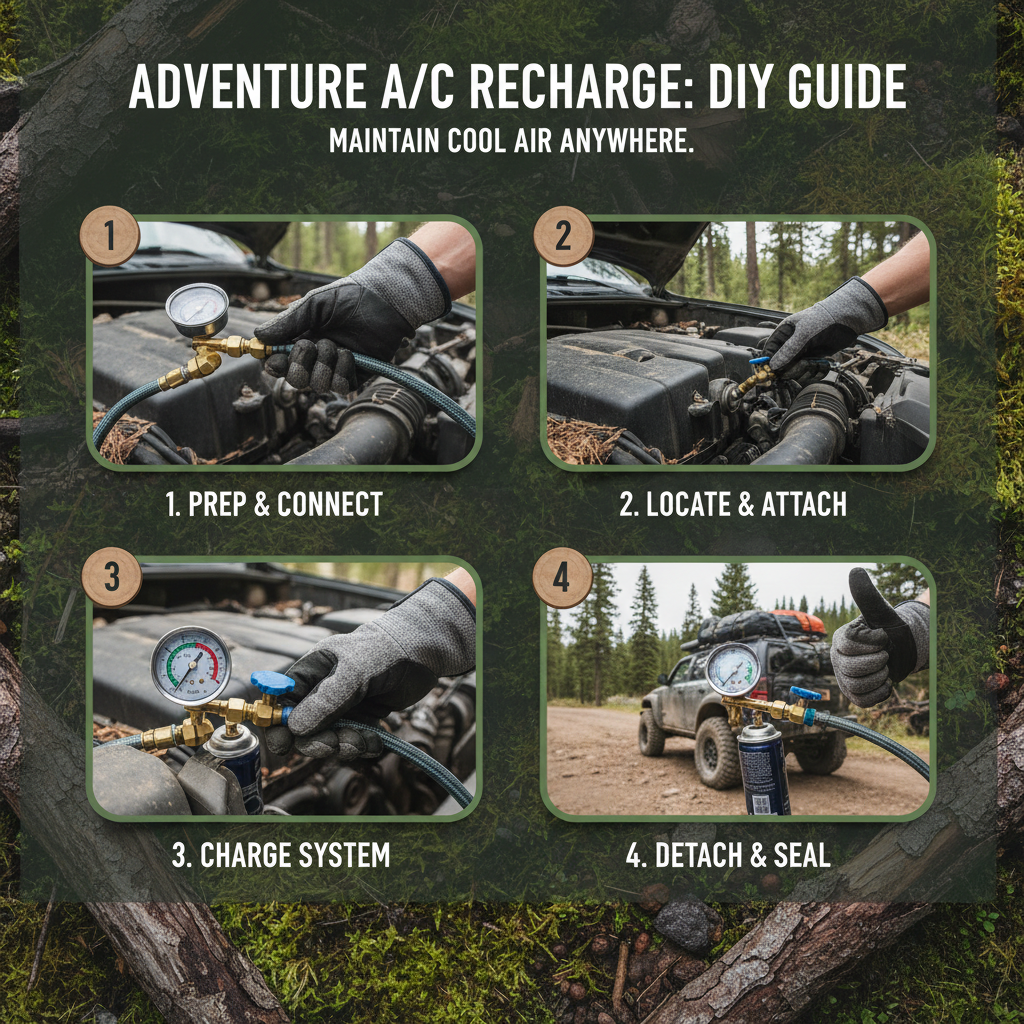
Another common issue is contamination during the replacement process. If air or moisture enters the lines while they are open, it can create acid when mixed with refrigerant, eating away at the system from the inside. The solution is a rigorous vacuuming process using a professional vacuum pump to ensure all non-condensables are removed before the system is recharged.
Lastly, ensuring a perfect seal at the crimped fittings is vital. Many failures occur at the junction where the rubber meets the metal. Utilizing automated hydraulic crimping machines ensures a consistent, leak-proof bond that can withstand the high-frequency vibrations of the engine bay, effectively eliminating the most common point of failure in AC systems.
Analysis of AC Line Material Performance and Application
| Material Type |
Pressure Rating |
Permeation Rate |
Recommended Use |
| Standard EPDM |
Medium |
Moderate |
Economy Passenger Cars |
| Nylon-Lined Rubber |
High |
Low |
Premium SUVs/Trucks |
| Steel-Braided Hose |
Very High |
Moderate |
Heavy Duty Machinery |
| Fluoropolymer (FKM) |
High |
Extremely Low |
EVs & High-End Luxury |
| Composite Hybrid |
Medium-High |
Low |
Hybrid Vehicles |
| Reinforced PVC |
Low-Medium |
High |
Low-Pressure Auxiliary Lines |
FAQS
The most common sign is a gradual loss of cooling efficiency or a total lack of cold air. You may also notice oily residue around the hose connections, as refrigerant is mixed with lubricant. Using a UV dye leak detection kit is the most professional way to pinpoint exactly where the leak is occurring in the lines.
No, they are not. AC lines are specifically engineered for each vehicle's chassis and compressor layout. Differences in diameter, fitting types, and overall length mean that using a non-compatible hose can lead to kinks, leaks, or complete system failure. Always use OEM-spec or precision-matched aftermarket lines.
Yes, absolutely. For example, newer R-1234yf refrigerants may require different barrier materials to prevent permeability compared to the older R-134a. Using a hose not rated for your specific refrigerant can lead to faster gas loss and potential chemical degradation of the inner liner.
It is strongly discouraged. Because AC lines operate under high pressure, tape or external sealants will fail almost immediately. Internal leak-stop sealants can also clog the expansion valve and damage the compressor. The only reliable solution is to replace the damaged section or the entire hose.
We recommend a visual inspection during every annual vehicle service. Look for signs of dry-rotting, cracking, or fraying of the outer braid. In high-corrosion areas (like snowy regions with road salt), inspections should be more frequent to ensure the metal fittings haven't rusted through.
Metal lines (usually aluminum) are used for rigid sections where the hose doesn't need to move. Rubber lines are used where flexibility is needed to accommodate engine vibration and movement. A complete system uses a combination of both, connected by high-pressure crimped fittings.
Conclusion
In summary, auto air conditioning lines are far more than simple tubes; they are high-performance engineering components that balance pressure resistance, material compatibility, and environmental sustainability. From the selection of synthetic elastomers to the precision of hydraulic crimping, every detail contributes to the efficiency of the vehicle's thermal management system and the comfort of its occupants.
As the industry pivots toward electric vehicles and greener refrigerants, the importance of high-quality AC lines will only grow. We encourage fleet managers and automotive enthusiasts to prioritize long-term durability over short-term cost savings to ensure safety and environmental compliance. For premium automotive hosing solutions, visit our website: www.kemohose.com.