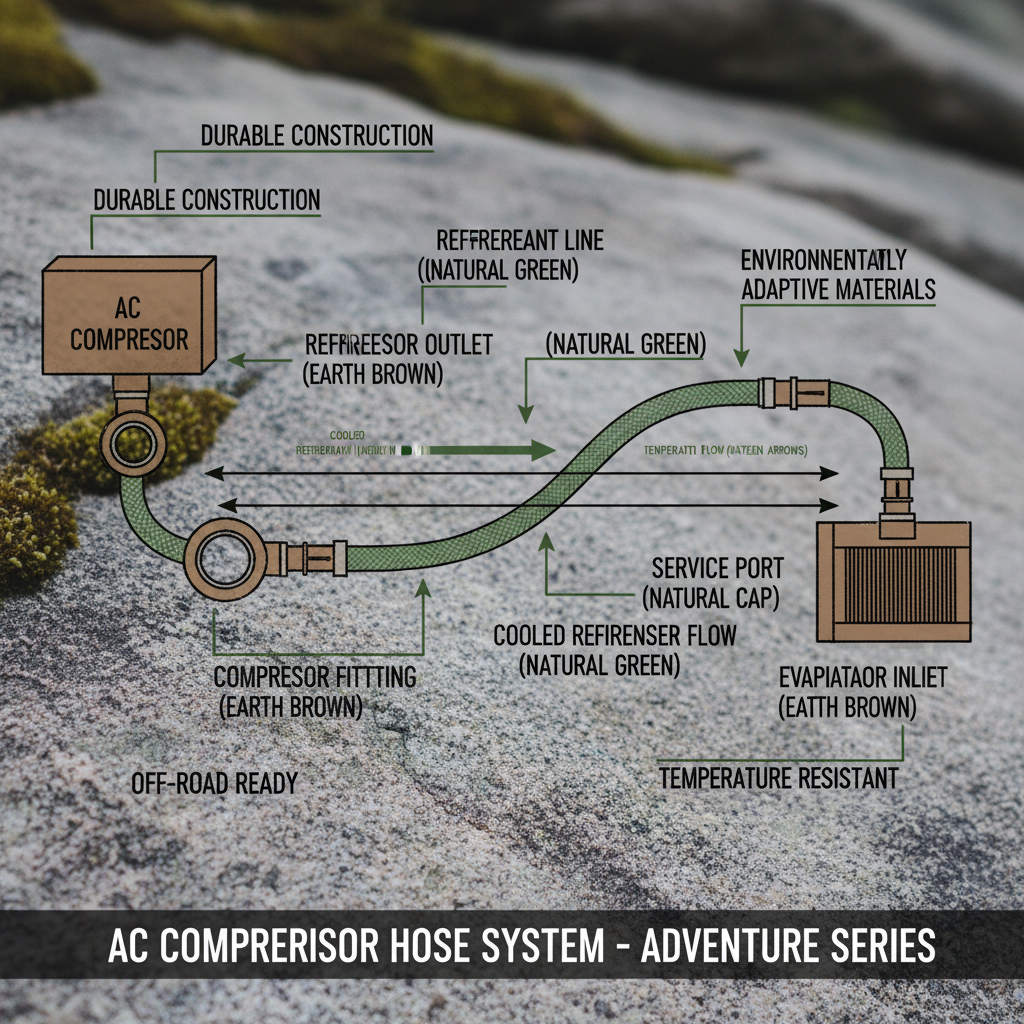
The ac compressor discharge hose is a critical component in vehicle air conditioning systems, responsible for safely transporting high-pressure, high-temperature refrigerant gas from the compressor to the condenser. Understanding its function, construction, and maintenance is essential for automotive technicians, vehicle owners, and anyone involved in the automotive industry. Its reliability directly impacts the efficiency and longevity of the entire cooling system, contributing to passenger comfort and preventing costly repairs. This exploration dives deep into the intricacies of the ac compressor discharge hose.
Globally, the automotive industry is a major economic driver, and the demand for efficient and reliable air conditioning systems is consistently high, especially in warmer climates. The ac compressor discharge hose, though seemingly a small part, plays a significant role in meeting this demand. Production volumes are substantial, and the industry is continually evolving to meet stricter environmental regulations and improve system performance. Innovations in materials and manufacturing processes are ongoing, aiming to create hoses that are more durable, lightweight, and environmentally friendly.
The rise of electric vehicles (EVs) presents new challenges and opportunities for ac compressor discharge hose technology. While the fundamental principles remain the same, the integration of these hoses into EV cooling systems requires specialized design considerations and materials to handle the unique operating conditions and refrigerant types used in EVs. A robust and well-maintained ac compressor discharge hose is fundamental to the effective operation of any vehicle’s climate control system.
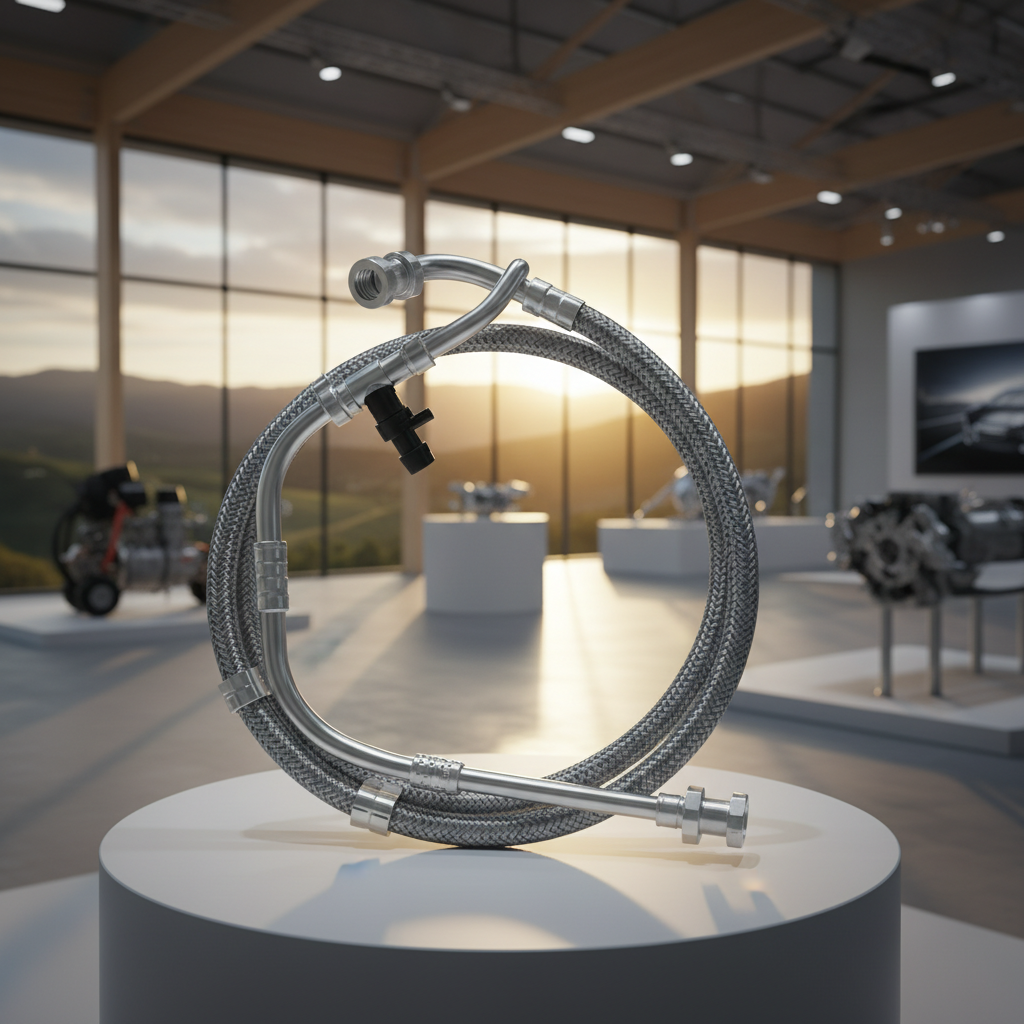

The ac compressor discharge hose isn't merely a conduit for refrigerant; it's an engineered component designed to withstand extreme pressures and temperatures. Its integrity is paramount for efficient cooling and preventing potentially hazardous refrigerant leaks. Ensuring its proper functioning is vital for both vehicle performance and environmental safety.
Modern automotive air conditioning systems operate at significantly higher pressures than older designs, demanding hoses that can maintain their structural integrity under these conditions. Advancements in materials science have led to the development of hoses with improved burst strength, heat resistance, and chemical compatibility, enhancing both reliability and longevity.
The lifespan of an ac compressor discharge hose typically ranges from 5 to 10 years, depending on driving conditions, climate, and the quality of the hose itself. Exposure to extreme temperatures, road debris, and frequent flexing can accelerate wear and tear. Regular inspections are crucial for identifying potential issues before they lead to failure.
Signs of a leaking ac compressor discharge hose include a noticeable drop in cooling performance, a hissing sound near the compressor or condenser, and the presence of oil residue around the hose connections. A professional ac system diagnostic is recommended to pinpoint the exact location of the leak.
Yes, ac compressor discharge hoses are available in various materials, including rubber and thermoplastic. Rubber hoses are more common in older vehicles, while thermoplastic hoses are often found in newer models due to their superior durability and resistance to permeability. Each type has its own advantages and disadvantages depending on the specific application.
Repairing an ac compressor discharge hose is generally not recommended for DIYers. The ac system contains high-pressure refrigerant that can be hazardous if handled improperly. It requires specialized tools and knowledge to safely evacuate the system, replace the hose, and recharge it with refrigerant. It's best left to a qualified automotive technician.
Using the correct refrigerant is crucial. Different refrigerants require hoses with specific liner materials to prevent degradation and ensure compatibility. Mixing refrigerants or using an incompatible refrigerant can damage the hose and other ac system components, leading to costly repairs.
Environmental regulations, such as those aimed at reducing greenhouse gas emissions, are significantly impacting ac compressor discharge hose design. The move towards lower-GWP refrigerants like HFO-1234yf necessitates the development of hoses specifically engineered to be compatible with these new refrigerants and minimize leakage.
In conclusion, the ac compressor discharge hose, while often overlooked, is a fundamental component of any effective air conditioning system. Its design, construction, and maintenance are critical for ensuring reliable performance, passenger comfort, and environmental responsibility. Understanding its role, from material science to future innovations, is essential for automotive professionals and enthusiasts alike.
Looking ahead, continued advancements in materials, manufacturing processes, and sensor technology will further enhance the durability, efficiency, and sustainability of ac compressor discharge hoses. Regular inspections and preventative maintenance remain key to maximizing their lifespan and ensuring optimal system performance. For reliable ac compressor discharge hose solutions, visit our website: www.kemohose.com.