Shaped hose, though seemingly a niche product, plays a crucial role in a vast array of industries, from agriculture and construction to emergency response and resource management. Its adaptability and specialized designs address unique fluid transfer challenges across diverse terrains and applications. Understanding the nuances of shaped hose – its materials, construction, and applications – is becoming increasingly important as global infrastructure demands evolve and the need for efficient, reliable fluid handling solutions grows.
The global market for industrial hoses, including shaped hose, is experiencing steady growth driven by factors like increasing infrastructure development in emerging economies, rising demand for efficient irrigation systems, and the need for safe and reliable chemical and fuel transport. The United Nations estimates that global infrastructure investment will reach trillions of dollars in the coming decades, necessitating innovative solutions like specialized shaped hose to facilitate these projects. This demand isn’t just economic; shaped hose often plays a critical role in disaster relief and humanitarian aid.
Ultimately, shaped hose represents more than just a flexible conduit; it embodies engineering precision, material science advancement, and a commitment to solving complex logistical problems. From delivering clean water to remote communities to safely transporting hazardous materials, shaped hose is an integral component of a more connected and resilient world.
The Fundamental Role of shaped hose
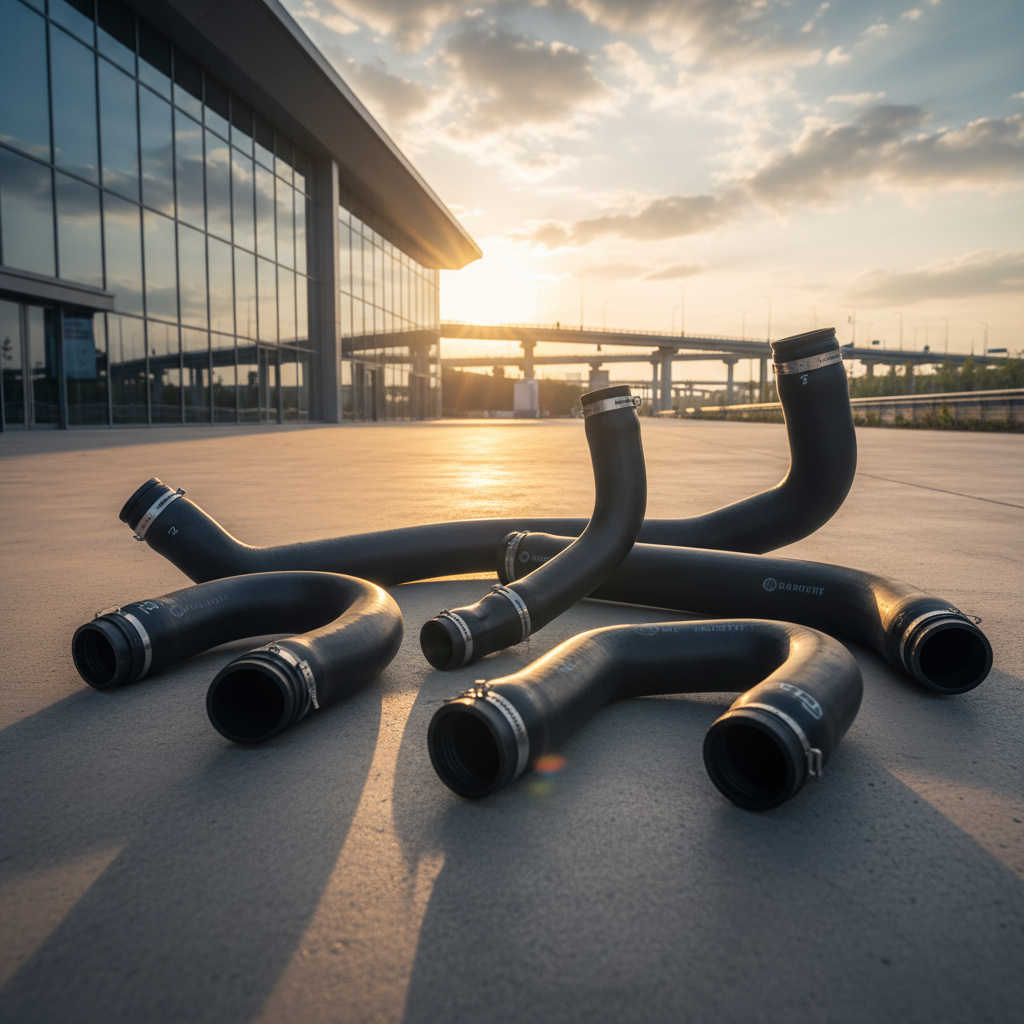
The primary function of shaped hose extends far beyond simply conveying fluids. It's about providing a tailored solution to complex transfer problems. Unlike standard hoses, shaped hose incorporates bends, curves, and specialized fittings designed for specific applications and often for limited-space environments. This adaptability allows for efficient and reliable fluid handling in scenarios where traditional hoses would be impractical or impossible to use.
Consider applications in complex machinery or confined industrial settings. Standard hoses often require multiple fittings and awkward bends, leading to potential leak points and reduced flow efficiency. Shaped hose streamlines these processes, providing a single, integrated solution that minimizes connections and maximizes performance. This is a key element in maintaining operational integrity and reducing downtime.
Defining and Understanding shaped hose
Shaped hose is a type of flexible tubing engineered with pre-formed bends, curves, and customized fittings to facilitate fluid transfer in complex or restricted spaces. It differs from traditional, straight-run hoses through its deliberate design to navigate obstacles and optimize fluid flow within a specific system. The “shape” isn’t merely aesthetic; it’s integral to its functionality.
In modern industry, shaped hose addresses a critical need for space optimization and streamlined operations. From automotive engine cooling systems to agricultural irrigation networks and even specialized medical equipment, shaped hose provides a reliable and efficient solution where conventional hoses fall short. Its adaptability is invaluable in rapidly changing industrial landscapes.
Beyond industrial applications, shaped hose is increasingly important in humanitarian efforts, especially in providing potable water to disaster-stricken areas or establishing temporary fluid transfer systems in refugee camps. Its lightweight nature and ease of deployment make it a critical asset in emergency response scenarios.
Core Components of shaped hose Design
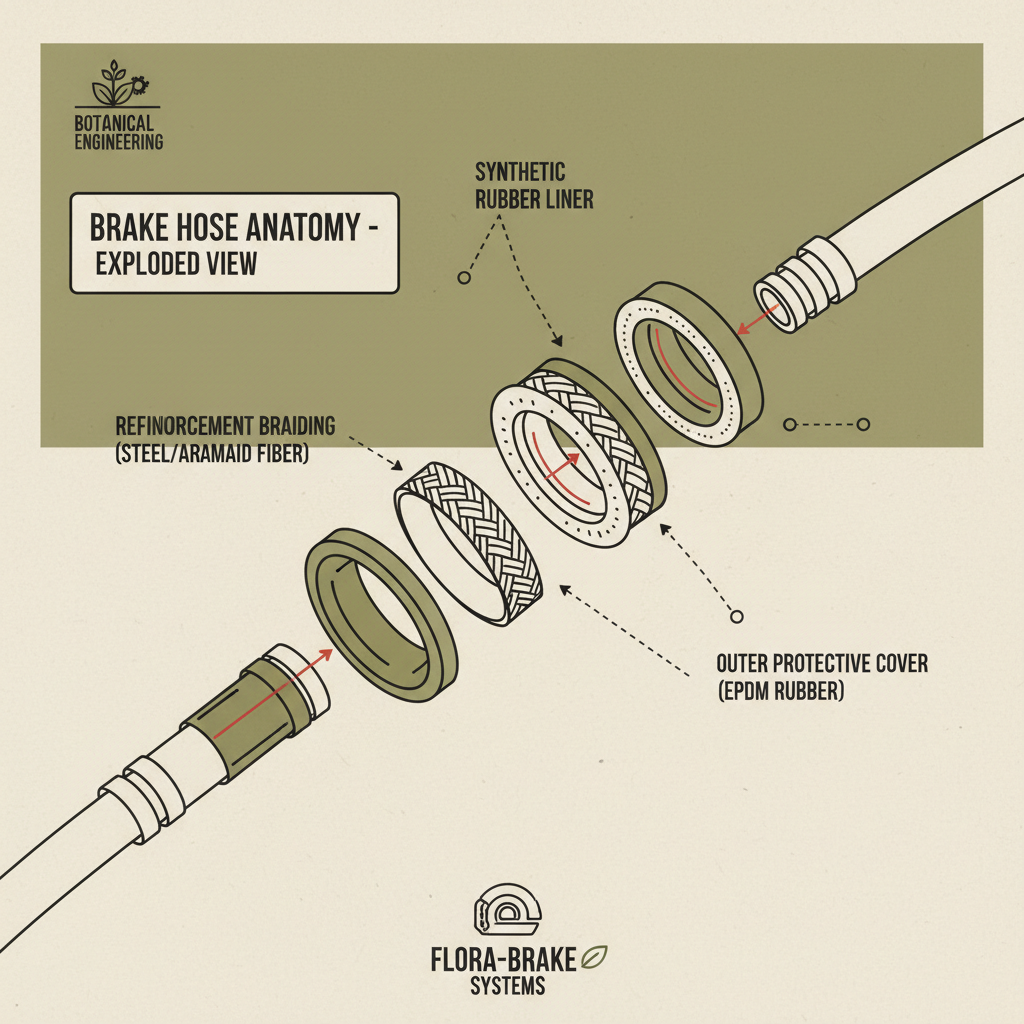
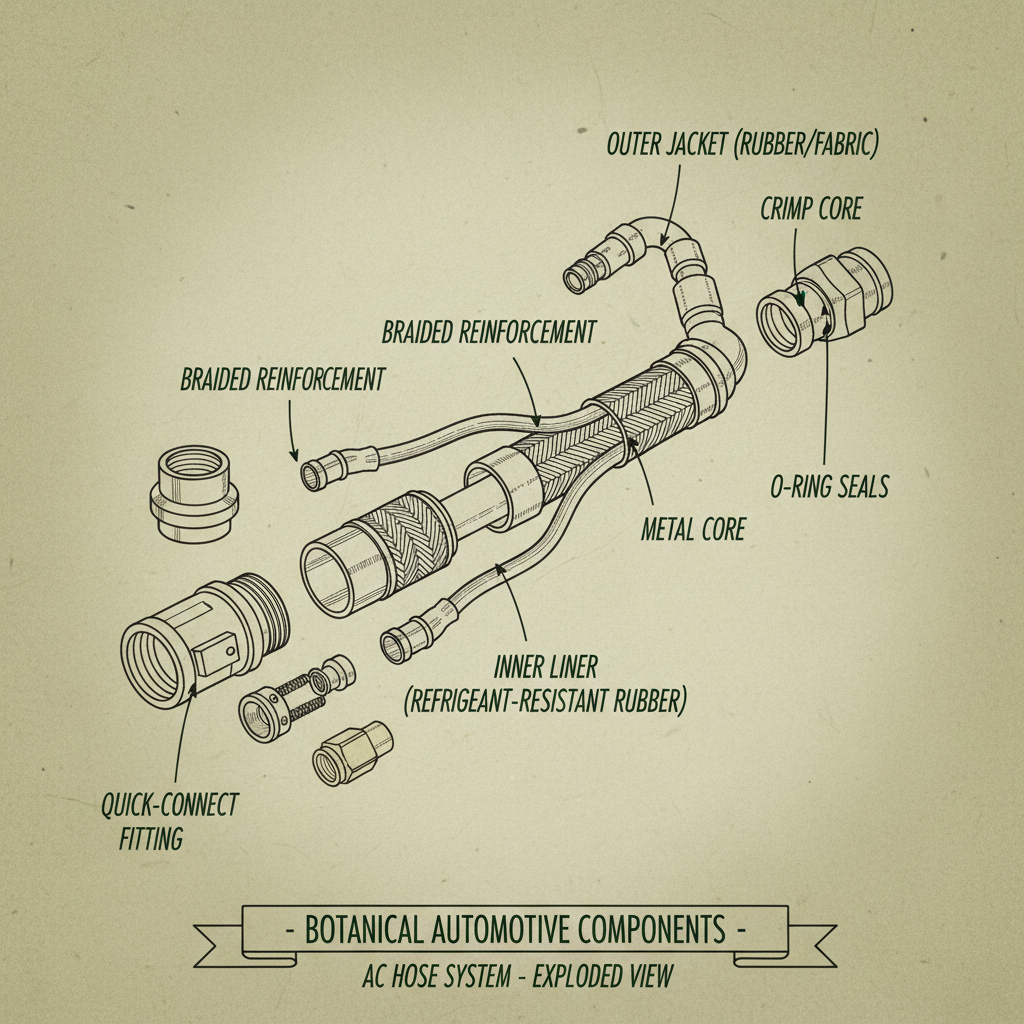
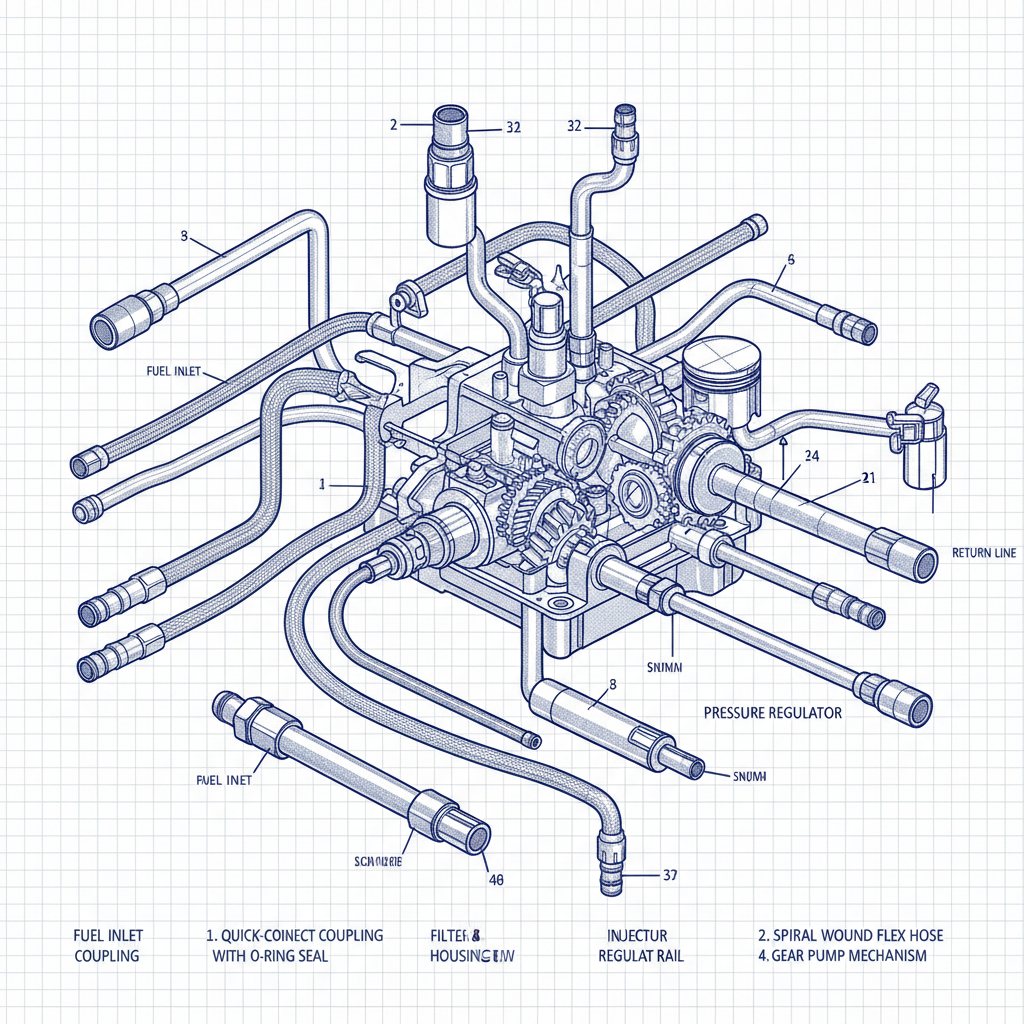
The functionality of shaped hose relies on several key design components working in synergy. First is the core material – typically a reinforced rubber, thermoplastic, or composite material chosen for its resistance to specific fluids, temperatures, and pressures. This material provides the structural integrity and flexibility needed for the hose to maintain its shape and withstand operational stresses.
Next, the reinforcement layers, often consisting of braided textiles or spiraled steel wire, enhance the hose’s pressure resistance and prevent kinking or collapsing. These layers are crucial for maintaining consistent fluid flow and extending the hose’s lifespan. Finally, the specialized fittings – often custom-engineered – ensure a secure and leak-proof connection to the system.
The shaping process itself is a crucial aspect. Methods include mandrel bending, where the hose is formed around a shaped tool, and hydraulic forming, which uses fluid pressure to create the desired curves and bends. The choice of shaping method depends on the material, the complexity of the shape, and the required precision.
Key Performance Characteristics of shaped hose
One of the most vital characteristics of shaped hose is its pressure rating, which dictates the maximum fluid pressure it can safely handle. This rating is determined by the hose’s material, reinforcement layers, and construction quality. Another important factor is its temperature range, as exposure to extreme temperatures can degrade the material and compromise its integrity.
Chemical compatibility is also crucial, particularly in industries dealing with corrosive or hazardous fluids. Shaped hose must be constructed from materials that are resistant to the specific chemicals being transferred to prevent degradation and ensure safe operation.
Shaped Hose Performance Metrics by Construction Method
Global Applications of shaped hose
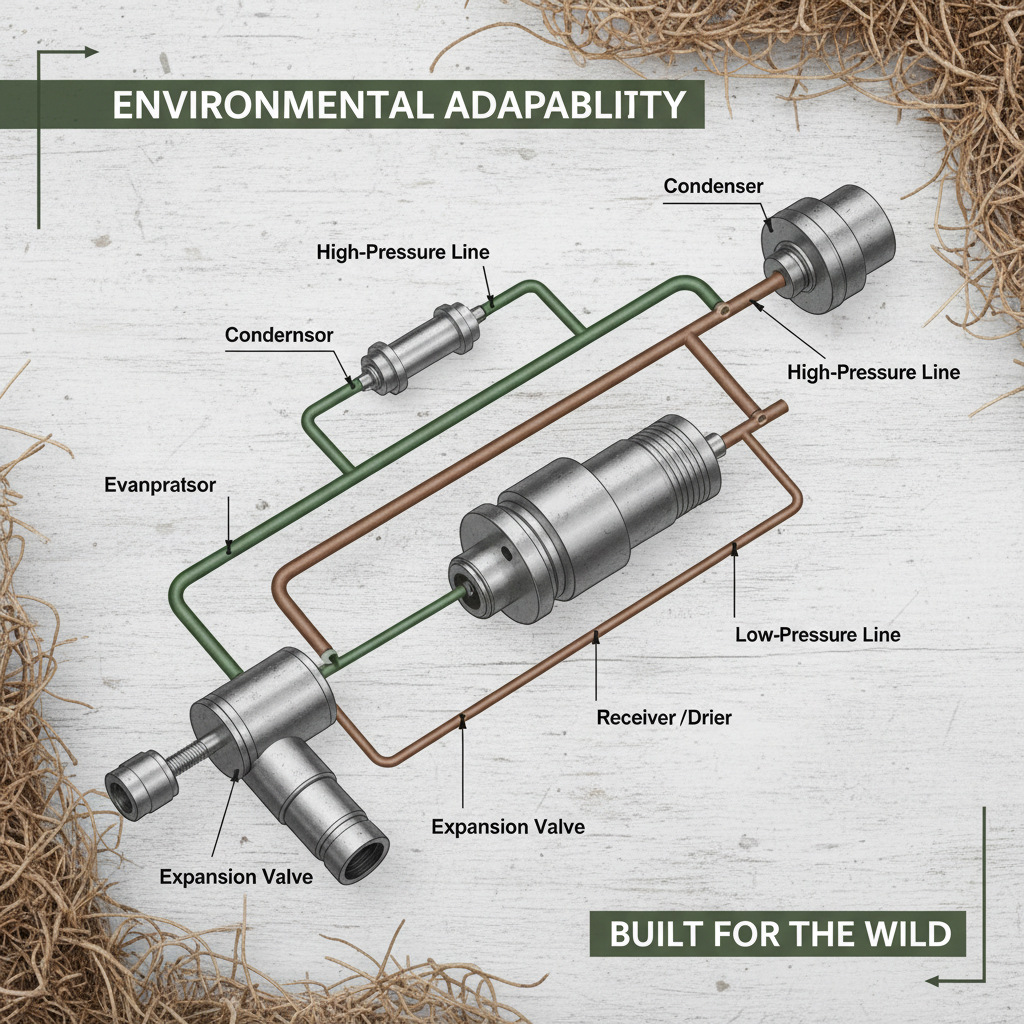
Shaped hose finds widespread use in the automotive industry, specifically in engine cooling systems, power steering lines, and air conditioning conduits. Its ability to navigate the tight confines of an engine compartment and withstand high temperatures and pressures makes it an ideal solution.
In agriculture, shaped hose is integral to precision irrigation systems, delivering water directly to plant roots with minimal waste. Its flexibility allows it to conform to uneven terrain and optimize water distribution. Furthermore, shaped hose is heavily used in chemical processing plants for the safe and efficient transfer of corrosive fluids.
Advantages and Long-Term Value of shaped hose
The primary advantage of shaped hose lies in its space-saving design and reduced installation costs. By eliminating the need for multiple fittings and bends, it simplifies system layouts and minimizes potential leak points, resulting in lower maintenance requirements. This translates to significant cost savings over the hose's lifecycle.
Beyond the economic benefits, shaped hose contributes to improved safety. Reduced connections minimize the risk of leaks and spills, especially when handling hazardous materials. Its durability and resistance to wear and tear ensure reliable operation, reducing the potential for catastrophic failures. This reliability builds trust and enhances operational security.
Future Trends in shaped hose Technology
The future of shaped hose is intertwined with advancements in materials science and manufacturing techniques. Research into new polymer blends and composite materials promises to yield hoses with even greater chemical resistance, temperature tolerance, and flexibility. The development of smart hoses – incorporating sensors to monitor pressure, temperature, and flow rate – is also gaining traction.
Furthermore, advancements in 3D printing and additive manufacturing are opening up new possibilities for customized shaped hose designs. This allows for the creation of complex geometries tailored to specific applications, pushing the boundaries of what’s possible with fluid transfer systems. A move towards more sustainable materials and manufacturing processes will also drive innovation in the shaped hose sector.
Future Trends in shaped hose Technology
The future of shaped hose is intertwined with advancements in materials science and manufacturing techniques. Research into new polymer blends and composite materials promises to yield hoses with even greater chemical resistance, temperature tolerance, and flexibility. The development of smart hoses – incorporating sensors to monitor pressure, temperature, and flow rate – is also gaining traction.
Furthermore, advancements in 3D printing and additive manufacturing are opening up new possibilities for customized shaped hose designs. This allows for the creation of complex geometries tailored to specific applications, pushing the boundaries of what’s possible with fluid transfer systems. A move towards more sustainable materials and manufacturing processes will also drive innovation in the shaped hose sector.
The integration of AI-powered predictive maintenance systems will enable operators to monitor hose health in real-time, anticipate potential failures, and schedule preventative maintenance, minimizing downtime and maximizing operational efficiency.
Summary of Shaped Hose Performance Factors
| Material Type |
Pressure Resistance (PSI) |
Temperature Range (°C) |
Chemical Compatibility Rating (1-5) |
| Rubber (EPDM) |
250 |
-40 to 120 |
4 |
| Thermoplastic (PVC) |
200 |
-20 to 60 |
3 |
| Composite (Polyester/Steel) |
400 |
-50 to 150 |
5 |
| PTFE (Teflon) |
300 |
-70 to 260 |
5 |
| Silicone |
150 |
-60 to 200 |
4 |
| Polyurethane |
350 |
-30 to 80 |
3 |
FAQS
Shaped hose offers several key advantages, including reduced installation time and costs by eliminating the need for multiple fittings and bends. It streamlines fluid flow, minimizes leak points, and allows for operation in confined spaces where traditional hoses wouldn’t fit. This leads to improved efficiency, reduced maintenance, and enhanced safety.
Selecting the appropriate shaped hose requires careful consideration of several factors, including the fluid being transferred, the operating pressure and temperature, the chemical compatibility requirements, and the physical space constraints. Consulting with a hose specialist or referring to manufacturer specifications is highly recommended to ensure optimal performance and safety.
Common materials include various rubbers (EPDM, Nitrile), thermoplastics (PVC, Polypropylene), and composites (Polyester/Steel). The choice of material depends on the specific application and its requirements for chemical resistance, temperature tolerance, and pressure capacity. PTFE (Teflon) and Silicone are often used for specialized applications.
Repairing shaped hose can be challenging due to its complex geometry and specialized construction. Minor damage may be repairable using appropriate hose clamps and patching materials, but significant damage generally requires replacement. Safety should always be the priority; damaged hoses should be inspected by a qualified professional before any repair attempts are made.
The lifespan of shaped hose varies depending on the application, operating conditions, and material quality. With proper maintenance and operation within specified limits, a shaped hose can last for several years. Regular inspections for wear and tear, leaks, and material degradation are crucial for maximizing its service life.
Yes, several industry standards and certifications ensure the quality and safety of shaped hose. These include standards set by organizations like ISO (International Organization for Standardization) and SAE (Society of Automotive Engineers). Compliance with these standards indicates that the hose has been tested and meets specific performance requirements.
Conclusion
Shaped hose, through its adaptability, specialized design, and continuous material and manufacturing advancements, has become a critical component in numerous industries. Its ability to address complex fluid transfer challenges, optimize space utilization, and enhance safety makes it an invaluable solution for a wide range of applications, from automotive and agriculture to chemical processing and emergency response. Understanding its core principles and staying abreast of emerging trends is crucial for maximizing its benefits.
Looking ahead, we can anticipate even greater innovation in shaped hose technology, driven by the demand for sustainable materials, smart functionality, and customized solutions. Continued research and development will undoubtedly unlock new possibilities for shaped hose, further solidifying its role as a cornerstone of modern infrastructure and efficient fluid handling systems.