0%

Table of Contents

The reliable operation of braking systems is paramount in any vehicle, and the brake hose plays a critical role in ensuring that safety. The availability of high-quality brake hose for sale is therefore a global concern, impacting industries ranging from automotive manufacturing to transportation and emergency services. A robust supply chain for these essential components is crucial for maintaining vehicle safety standards worldwide.

The demand for brake hose for sale is driven by factors like increasing vehicle production, stringent safety regulations, and the growing need for replacement parts due to wear and tear. According to industry reports, the automotive brake hose market is projected to continue its growth trajectory, especially in emerging economies where vehicle ownership is rapidly increasing. This emphasizes the importance of accessible and dependable sourcing.

Understanding the specifications, materials, and proper installation of brake hoses is vital for professionals and consumers alike. Failing brake hoses can lead to catastrophic accidents, highlighting the critical nature of their quality and maintenance. This guide aims to provide a comprehensive overview of brake hose for sale, covering key factors, applications, and future trends.
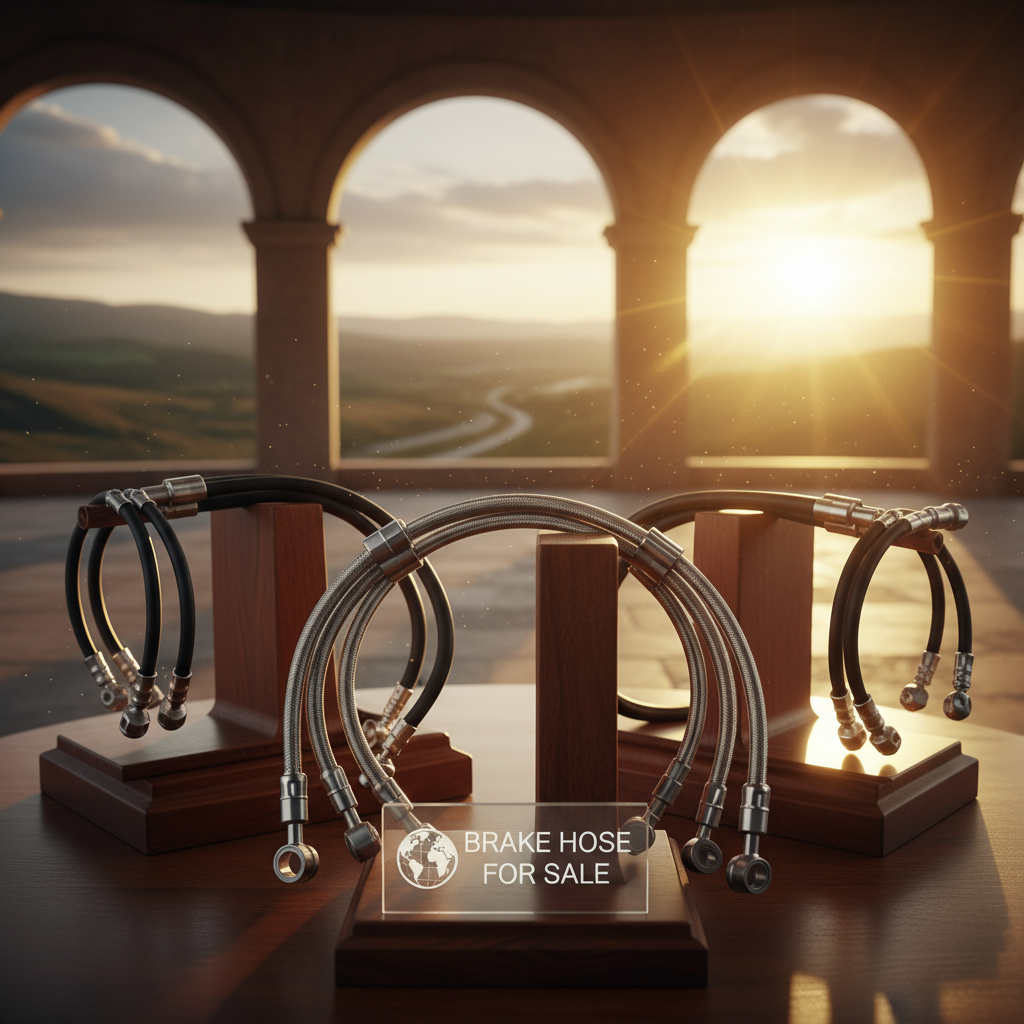
Comprehensive Guide to Brake Hose for Sale and Vehicle Safety

The Importance of Brake Hose Quality

Comprehensive Guide to Brake Hose for Sale and Vehicle Safety

The quality of a brake hose directly impacts the effectiveness and reliability of a vehicle’s braking system. Inferior hoses can be prone to cracking, swelling, or bursting, leading to brake failure and potentially hazardous situations. Investing in high-quality hoses ensures optimal performance and driver safety.

Factors such as material composition, manufacturing processes, and pressure testing are crucial indicators of brake hose quality. Automotive manufacturers and regulatory bodies enforce strict standards to ensure that brake hoses for sale meet these requirements, protecting consumers and upholding safety standards.

Global Market Dynamics of Brake Hose

The global market for brake hose is influenced by several key factors, including automotive production volumes, the growth of the aftermarket for vehicle parts, and evolving safety regulations. Emerging economies, particularly in Asia-Pacific, are experiencing significant growth in vehicle ownership, driving demand for both original equipment (OE) and replacement brake hoses.

Supply chain disruptions, raw material costs, and geopolitical factors can also impact the availability and pricing of brake hoses for sale. Manufacturers are increasingly focusing on diversifying their sourcing strategies and investing in advanced manufacturing technologies to mitigate these risks.

Furthermore, the rise of electric vehicles (EVs) is prompting innovation in brake hose technology. While EVs often utilize regenerative braking systems, traditional hydraulic braking systems are still essential for emergency stops and overall safety, maintaining the demand for high-performance brake hoses.

Defining Brake Hose and Its Role

A brake hose is a flexible component of a vehicle’s hydraulic braking system, designed to transmit brake fluid from the master cylinder to the brake calipers or wheel cylinders at each wheel. This fluid pressure applies the brakes, enabling the vehicle to slow down or stop.

Unlike rigid brake lines, brake hoses are engineered to withstand the constant flexing and movement that occur as the suspension travels. They must be durable, resistant to corrosion, and capable of maintaining consistent pressure to ensure reliable braking performance. The availability of quality brake hose for sale is crucial for maintaining vehicle safety.

Modern brake hoses are typically constructed from reinforced rubber compounds, often incorporating layers of braided steel or Kevlar for added strength and durability. Proper hose selection and installation are essential to prevent leaks and maintain optimal braking efficiency.

Key Characteristics of Quality Brake Hoses

Several key characteristics define a high-quality brake hose. First and foremost is pressure resistance - the hose must be able to withstand the maximum pressure generated by the braking system without leaking or bursting.

Secondly, durability is paramount. Hoses should resist cracking, swelling, and degradation due to exposure to heat, chemicals, and UV radiation. This longevity minimizes the need for frequent replacements.

Brake Hose Performance Metrics


Applications Across Industries

The need for reliable brake hose extends beyond passenger vehicles. Commercial trucks, buses, motorcycles, and even specialized vehicles like construction equipment and agricultural machinery rely on dependable braking systems.

Furthermore, the automotive racing industry demands extremely high-performance brake hoses capable of withstanding extreme temperatures and pressures. These hoses are often constructed from specialized materials like Teflon or stainless steel.

Benefits of Investing in Reliable Brake Hoses

Investing in high-quality brake hoses provides a multitude of benefits, foremost among them being enhanced safety. A properly functioning braking system drastically reduces the risk of accidents and protects both the driver and other road users.

Beyond safety, reliable brake hoses contribute to improved vehicle performance and reduced maintenance costs. Durable hoses require less frequent replacements, saving time and money in the long run.

Future Trends and Innovations in Brake Hose Technology

The automotive industry is constantly evolving, and brake hose technology is keeping pace. Researchers are exploring new materials and manufacturing processes to create lighter, stronger, and more durable hoses.

One emerging trend is the development of “smart” brake hoses that incorporate sensors to monitor pressure, temperature, and wear. This data can be used to predict potential failures and optimize maintenance schedules.

Summary of Brake Hose Quality Assessment Criteria

Material Composition Pressure Rating (PSI) Burst Strength (PSI) Longevity/Lifespan (Years)
Reinforced Rubber 2000 6000 3-5
Stainless Steel Braided 3000 9000 5-7
Teflon Lined Stainless Steel 3500 10500 7-10
Kevlar Reinforced Rubber 2500 7500 4-6
High-Temperature Rubber 2200 6600 3-5
Silicone Rubber 2800 8400 4-6

FAQS

What is the typical lifespan of a brake hose?

The typical lifespan of a brake hose varies depending on factors such as material, driving conditions, and maintenance. However, as a general guideline, rubber brake hoses should be inspected every two years and replaced every five years, while stainless steel hoses can last up to ten years or longer. Regular inspections are vital to catch wear and tear before a failure occurs. Always adhere to manufacturer recommendations and consider the intensity of use.

How can I tell if my brake hose needs replacing?

Several signs indicate that a brake hose needs replacing. These include visible cracks, bulges, or abrasions on the hose surface. Leaking brake fluid, a spongy brake pedal feel, or a decrease in braking performance are also warning signs. If you notice any of these issues, it’s crucial to have a qualified mechanic inspect and replace the hose immediately to ensure safe operation.

What is the difference between rubber and stainless steel brake hoses?

Rubber brake hoses are more affordable but less durable than stainless steel hoses. Stainless steel hoses offer superior resistance to swelling, cracking, and corrosion, resulting in a longer lifespan and more consistent braking performance. Stainless steel hoses are often preferred for high-performance applications and vehicles subjected to demanding driving conditions.

Are there specific regulations regarding brake hose standards?

Yes, brake hoses are subject to stringent regulations set by organizations like the Department of Transportation (DOT) and the Society of Automotive Engineers (SAE). These standards ensure that brake hoses meet specific performance and safety requirements. Look for hoses that are DOT and SAE approved to guarantee they meet industry benchmarks.

Can I install brake hoses myself, or should I hire a professional?

Installing brake hoses requires specialized knowledge and tools, and improper installation can lead to brake failure. It is strongly recommended to have a qualified mechanic install brake hoses to ensure proper fitment, bleeding of the system, and overall safety. Working with brake systems can be dangerous, and professional installation guarantees the job is done correctly.

What is the importance of proper brake hose routing?

Proper brake hose routing is crucial to prevent kinking, chafing, and contact with other vehicle components. A kinked or damaged hose can restrict fluid flow, reducing braking effectiveness. Hoses should be routed securely and protected from abrasion to ensure reliable operation. Incorrect routing can lead to premature failure and compromise safety.

Conclusion

In conclusion, the integrity of brake hoses is fundamental to vehicle safety and performance. Understanding the factors that contribute to quality, the evolving market dynamics, and the emerging trends in technology is crucial for both industry professionals and vehicle owners. Prioritizing regular inspection, proper maintenance, and the selection of high-quality hoses is essential for mitigating risks and ensuring reliable braking capabilities.

Looking ahead, continued innovation in materials and manufacturing processes will drive the development of even more durable, efficient, and safer brake hoses. By staying informed about these advancements and embracing best practices, we can collectively enhance road safety and minimize the potential for accidents. Visit our website today to explore our selection of brake hose for sale and find the perfect solution for your needs.

Brian Williams

Brian Williams

Brian Williams is a Senior Buyer at KEMO Auto Parts, responsible for sourcing raw materials and components essential to the manufacturing process. He has a strong understanding of supply chain management and a proven track record of negotiating favorable terms with vendors. Brian ensures a consistent supply of high-quality materials
Previous Find High Quality Car Aircon Pipes for Sale and Enhance Vehicle Cooling
Next Understanding Car AC Pipe Price Factors and Global Market Trends