
Premium Air Brake Hose & Lines for Truck Safety
Sep . 12, 2025 08:40 Back to list
Premium Air Brake Hose & Lines for Truck Safety
Introduction to Air Brake Hose Systems
In the demanding world of commercial vehicle operation, the reliability of braking systems is paramount for safety and operational efficiency. Central to these systems is the air brake hose, a critical component responsible for transmitting compressed air from the air compressor and reservoir through various valves to the brake chambers. These hoses are engineered to withstand extreme pressures, temperatures, and environmental conditions, ensuring consistent and responsive braking performance for heavy-duty trucks, buses, and trailers. Understanding their technical specifications, manufacturing precision, and application nuances is essential for B2B decision-makers and engineers seeking optimal performance and compliance.
Industry Trends in Air Brake Systems
The heavy-duty vehicle industry is continuously evolving, driven by stringent safety regulations, performance demands, and sustainability goals. Key trends impacting air brake lines for trucks include the development of lighter, more durable materials, enhanced resistance to harsh chemicals and extreme temperatures, and improved flexibility for easier installation and routing. There's a growing emphasis on modular designs and quick-connect systems that reduce maintenance time and costs. Furthermore, the integration of advanced driver-assistance systems (ADAS) and autonomous vehicle technologies requires increasingly precise and reliable air brake components, pushing manufacturers to innovate in material science and production techniques. The shift towards electric and hybrid commercial vehicles also introduces new challenges, requiring brake lines that can operate efficiently alongside regenerative braking systems and under different thermal management conditions.
The Manufacturing Process of Air Brake Hoses
The production of a high-quality air brake hose is a multi-stage process, meticulously controlled to ensure adherence to global safety and performance standards. This detailed process ensures each hose delivers optimal performance and durability:
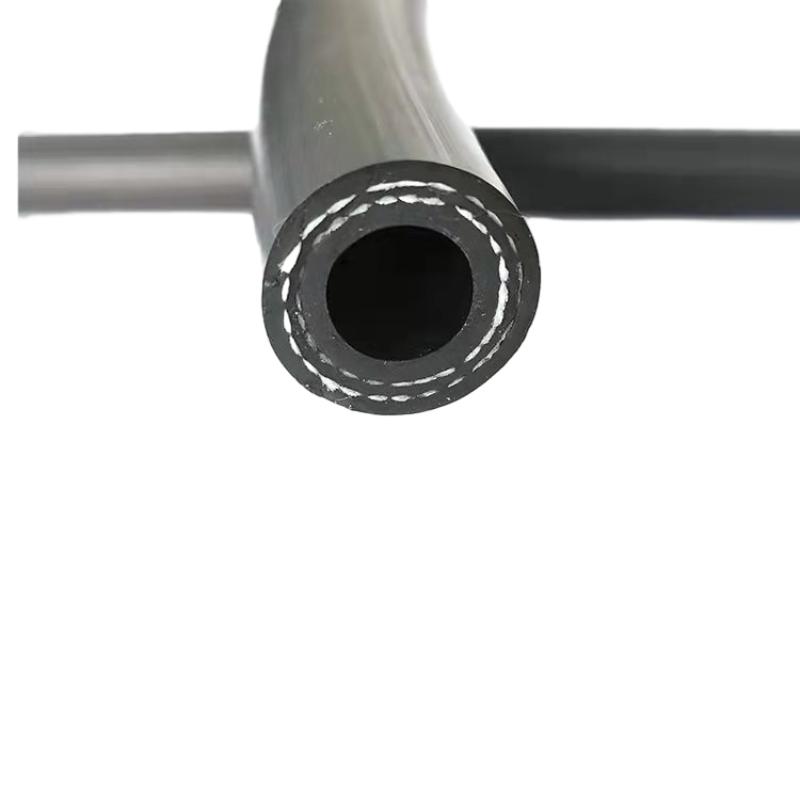
- Material Selection: The core of the hose typically comprises a synthetic rubber (e.g., EPDM, NBR) chosen for its resistance to heat, oil, and ozone. Reinforcement layers are critical, often made from high-tensile synthetic fibers (polyester, aramid) or braided steel wire, providing burst strength and preventing expansion under pressure. The outer cover is usually a robust synthetic rubber blend, offering abrasion, weather, and chemical resistance.
- Extrusion of Inner Tube: The selected rubber compound is extruded through a die to form a seamless, precise inner tube, which ensures air tightness and a smooth flow path.
- Reinforcement Layer Application: Utilizing advanced braiding or spiraling machinery, the reinforcement layers are precisely applied over the inner tube. This step is crucial for the hose's pressure rating and structural integrity. For certain applications, multiple layers of reinforcement may be applied.
- Outer Cover Extrusion: A protective outer cover is then extruded over the reinforced core. This layer acts as the primary defense against external damage, environmental factors, and UV radiation.
- Vulcanization: The assembled hose is subjected to a vulcanization process (curing) under controlled temperature and pressure. This chemical process transforms the raw rubber compounds into a highly elastic and durable material, permanently setting the hose's properties.
- End Fitting Attachment (Crimping): Precision-engineered fittings, often manufactured via CNC machining for exact tolerances, are hydraulically crimped onto the hose ends. This ensures a secure, leak-proof connection capable of withstanding operational pressures and vibrations.
- Testing and Quality Assurance: Every batch undergoes rigorous testing to comply with international standards such as ISO 3996 (Road vehicles - Brake hose assemblies for hydraulic braking systems), SAE J1402 (Hydraulic Brake Hose), FMVSS 106 (Federal Motor Vehicle Safety Standard), and ANSI/UL standards for specific applications. Tests include burst pressure, tensile strength, ozone resistance, impulse testing, bend radius, and adhesion tests. Service life is typically designed for millions of pressure cycles or specific mileage benchmarks, ensuring long-term reliability.
Target industries for these hoses include transportation (heavy-duty trucking, bus manufacturing), construction equipment, agricultural machinery, and specialized industrial vehicle manufacturing. Advantages in typical scenarios include superior corrosion resistance due to advanced outer cover materials, and energy saving through optimized internal diameters that reduce pressure drop, ensuring efficient air delivery to the brake chambers.
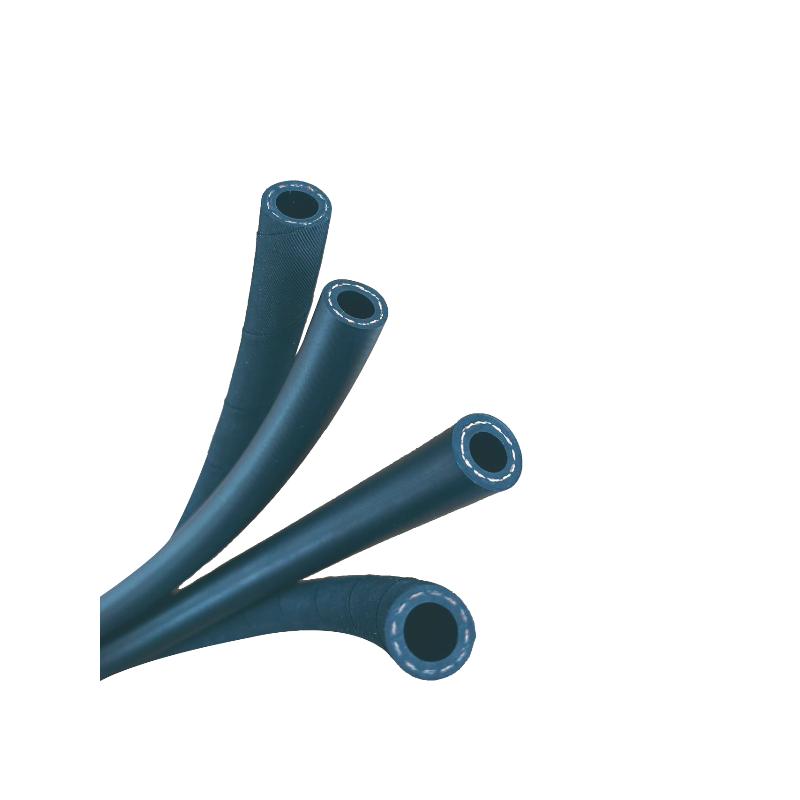
Technical Specifications and Parameters
The performance of an air brake hose is defined by a series of critical technical parameters. These specifications ensure the hose meets the operational demands of diverse applications and complies with industry safety standards. Here's a typical range of specifications:
| Parameter | Value/Range | Standard Compliance |
|---|---|---|
| Inner Diameter (ID) | 4mm to 25mm (3/16" to 1") | SAE J1402, DIN 74310 |
| Working Pressure | 1.0 MPa (145 psi) to 1.7 MPa (250 psi) | FMVSS 106, ISO 3996 |
| Burst Pressure | 4.0 MPa (580 psi) to 6.8 MPa (1000 psi) | Min. 4x Working Pressure |
| Temperature Range | -40°C to +100°C (-40°F to +212°F) | SAE J1402, DIN 74310 |
| Material (Inner Tube) | EPDM, NBR Synthetic Rubber | ASTM D2000, ISO 1629 |
| Reinforcement | High-tensile polyester braid, Aramid fiber, Steel wire | ISO 11840, ASTM D638 |
| Outer Cover | Weather & Abrasion Resistant Synthetic Rubber | ASTM D412, ASTM D1149 (Ozone) |
| Bend Radius | Varies by ID, e.g., 50mm for 1/2" ID | SAE J1402 Compliance |
These specifications are crucial for engineers and procurement specialists to select the appropriate hose for their specific application, considering factors such as system pressure, environmental exposure, and desired service life. Adherence to these parameters ensures both operational integrity and regulatory compliance.
Core Technical Advantages
Modern air brake tubing offers significant technical advantages that contribute to the overall performance, safety, and cost-effectiveness of heavy-duty vehicles. These advantages are a direct result of advanced material science and manufacturing precision:
- Exceptional Durability and Service Life: Engineered with multi-layer reinforcement and high-grade synthetic rubber, these hoses resist fatigue from constant pressure cycling, vibration, and flexing. This leads to an extended service life, reducing the frequency of replacements and associated maintenance downtime.
- Superior Corrosion and Chemical Resistance: The outer covers are formulated to withstand exposure to road salts, cleaning agents, fuel spills (for specific applications like air brake hose for fuel line connections), UV radiation, and ozone. This ensures the integrity of the hose is maintained even in harsh operating environments, preventing premature degradation.
- Optimized Flow Characteristics for Energy Efficiency: Smooth, consistent inner tubes minimize pressure drop and turbulence, ensuring efficient transmission of compressed air. This directly translates to responsive braking and can contribute to marginal energy savings by reducing the load on the air compressor, thereby impacting fuel efficiency for the vehicle fleet.
- Broad Temperature Tolerance: Capable of operating reliably across an extreme temperature range (typically -40°C to +100°C), these hoses maintain flexibility in sub-zero conditions and resist hardening or cracking under high heat, critical for diverse geographical operations.
- Enhanced Safety Features: Designed with high burst pressure ratings and consistent quality control, they minimize the risk of sudden failures, contributing significantly to vehicle safety and accident prevention. Compliance with international standards further assures their reliability.
Application Scenarios and Target Industries
The versatility and robustness of modern air brake chamber hose make it indispensable across a multitude of heavy-duty applications and industries:
- Commercial Transportation: The most prominent application, encompassing heavy-duty trucks, tractor-trailers, long-haul buses, and municipal transit vehicles. Hoses connect components like air reservoirs, brake valves, and brake chambers, forming the vital network for brake actuation. This includes flexible connections to axles, ensuring reliable performance under dynamic suspension movements.
- Construction and Mining Equipment: Used in large excavators, bulldozers, dump trucks, and mobile cranes where robust braking power is critical for safety on uneven terrain and in challenging environments. The hoses must endure abrasive conditions, heavy vibrations, and wide temperature swings.
- Agricultural Machinery: Employed in large tractors, harvesters, and specialized farm equipment, particularly those with air braking systems for trailers or implements, ensuring safe operation and stopping power in field conditions.
- Industrial Vehicles: Forklifts, airport ground support equipment, and other specialized industrial vehicles that rely on air brakes for effective material handling and operational safety within industrial complexes.
- Rail Applications: While primarily using dedicated rail brake hoses, some specialized rail maintenance vehicles or ancillary equipment may utilize components drawing from heavy-duty commercial vehicle air brake technology.
Each application demands specific characteristics from the air brake pipe, such as resistance to abrasion, ozone, or specific chemical exposure, highlighting the need for customized solutions and robust material selection.
Customized Solutions for Diverse Needs
Recognizing that no two applications are identical, leading manufacturers offer highly customized air brake line solutions. This approach goes beyond standard off-the-shelf products, providing precise configurations that optimize performance, fit, and longevity for specific vehicle models or operational environments. Customization options include:
- Length and Diameter: Hoses can be cut to exact lengths and fitted with appropriate inner diameters to match vehicle specifications and ensure optimal air flow without excess material.
- End Fitting Types: A wide array of end fittings, including JIC, NPT, Metric, DIN, and quick-disconnect couplers, can be factory-crimped. Custom angles and materials (e.g., brass, steel, stainless steel) for fittings are available to meet specific pressure ratings and corrosion resistance requirements.
- Material Composition: Tailored inner tube and outer cover compounds can be selected for enhanced resistance to specific chemicals, extreme temperatures, or abrasion levels. For instance, specific formulations for cold weather flexibility or higher heat resistance in engine compartment applications.
- Reinforcement Levels: The number and type of reinforcement braids (textile, wire) can be adjusted to achieve specific burst pressure ratings or flexibility characteristics.
- Protective Sleeves and Covers: External protection such as spiral wrap, fire sleeves, or textile braiding can be added for extra abrasion resistance, heat shielding, or aesthetic requirements.
- Assembly Design: Pre-assembled kits with multiple hoses, color coding, and identification tags can streamline installation processes for OEMs and large fleet operators.
These customized solutions not only ensure perfect fit and optimal performance but also contribute to cost savings by reducing installation time, minimizing waste, and extending the operational life of the components.
Vendor Comparison: Choosing the Right Partner
Selecting the right supplier for air brake hose assemblies is a strategic decision that impacts vehicle safety, operational uptime, and overall total cost of ownership. Beyond basic product specifications, a comprehensive evaluation of vendors is crucial. Key differentiators include manufacturing expertise, adherence to international standards, R&D capabilities, and after-sales support.
| Criteria | Leading Manufacturer (e.g., Kemohose) | Standard Vendor |
|---|---|---|
| Product Range & Customization | Extensive portfolio, highly customizable lengths, fittings, materials (e.g., specialized EPDM for extreme cold/heat). | Limited standard sizes, fewer material options, minimal customization. |
| Quality & Certifications | ISO 9001, IATF 16949 certified. Adherence to SAE J1402, FMVSS 106, DIN 74310, ISO 3996. Rigorous batch testing. | Basic certifications, potential gaps in specific international compliance. Less frequent batch testing. |
| R&D and Innovation | Continuous investment in new materials, manufacturing processes, and smart hose solutions (e.g., embedded sensors). | Primarily focuses on cost optimization for existing designs, limited innovation. |
| Technical Support & Expertise | Dedicated engineering support, application consulting, detailed product documentation, training. | Basic product information, limited technical assistance for complex integration. |
| Lead Time & Logistics | Optimized supply chain, flexible production, global distribution network, reliable lead times. | Variable lead times, potentially less flexible for urgent orders, regional distribution. |
Choosing a partner like Kemohose, with extensive experience and a commitment to quality, ensures access to cutting-edge technology, superior product reliability, and comprehensive support, ultimately leading to enhanced operational safety and efficiency for your fleet or product line.
Real-World Application Case Studies
Examining practical implementations highlights the tangible benefits of high-quality air brake air line components:
Case Study 1: Long-Haul Trucking Fleet Upgrade
A major logistics company operating a fleet of 500 long-haul trucks experienced frequent failures of their existing air brake hose assemblies, primarily due to abrasion and extreme temperature fluctuations in diverse climates. The failures led to unexpected downtime and increased maintenance costs. By transitioning to a premium, custom-engineered air brake line solution with enhanced EPDM rubber for greater flexibility in cold weather and a reinforced outer cover for abrasion resistance, the fleet observed a 40% reduction in hose-related failures over two years. This resulted in significant cost savings from reduced replacement parts and labor, as well as improved vehicle uptime and driver safety. The company reported positive feedback on the durability and consistent performance, even in challenging winter conditions.
Case Study 2: Municipal Bus Transit System
A large city transit authority faced issues with standard air brake hoses on their bus fleet, particularly in high-traffic, stop-and-go urban environments where continuous braking cycles put immense stress on components. The frequent flexing and exposure to urban pollutants degraded standard hoses prematurely. A bespoke solution was developed, featuring an optimized hose with superior ozone resistance and a specialized fitting design to better absorb vibration. Over a three-year period, the transit authority reported an increase in hose service life by 30% compared to previous components. This not only improved the safety record of their fleet but also significantly lowered operational expenses associated with routine brake system maintenance, ensuring more reliable public transport services.
Ensuring Trust: Certifications and Authoritative Compliance
Authoritativeness and trustworthiness are built on a foundation of rigorous quality control and adherence to international standards. As a leading provider, our products consistently meet or exceed the following benchmarks:
- ISO 9001:2015 Certification: Demonstrates a commitment to a robust quality management system across all manufacturing processes, from design to delivery.
- IATF 16949: Specific to the automotive industry, this certification ensures the highest quality standards for suppliers of components to automotive OEMs.
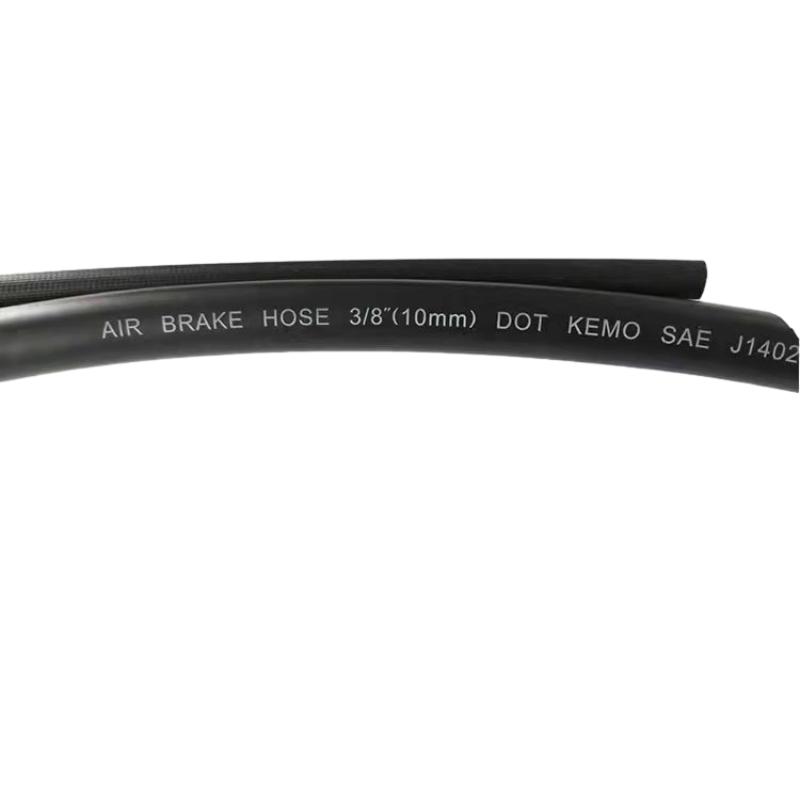
- SAE J1402 Compliance: Adherence to the Society of Automotive Engineers (SAE) standard for air brake hose ensures compatibility and performance within North American heavy-duty vehicle systems.
- FMVSS 106 Compliance: Meeting the Federal Motor Vehicle Safety Standard for brake hoses signifies product suitability for use in vehicles sold in the United States, underscoring safety and reliability.
- DIN 74310 and ISO 3996: Compliance with these German and International Organization for Standardization benchmarks ensures global applicability and performance integrity.
Our long-standing relationships with major OEMs and fleet operators, alongside decades of service in the industry, attest to our proven track record and the reliability of our products.
Frequently Asked Questions (FAQ)
- Q: What is the typical lifespan of an air brake hose?
- A: The lifespan varies based on operating conditions, maintenance, and material quality. However, high-quality hoses are designed to last for millions of pressure cycles, often exceeding 5-7 years in typical heavy-duty applications, provided they are regularly inspected for wear and tear.
- Q: How do environmental factors affect air brake hoses?
- A: Extreme temperatures (hot and cold), UV exposure, ozone, and exposure to road chemicals (salt, oil) can accelerate degradation. Our hoses are engineered with advanced compounds and protective covers to mitigate these effects, offering superior resistance to environmental challenges.
- Q: Are your air brake hoses suitable for all types of heavy vehicles?
- A: Yes, our extensive range and customization capabilities allow us to provide hoses suitable for trucks, buses, trailers, construction equipment, and agricultural machinery, meeting the specific requirements of various vehicle manufacturers and operational demands.
- Q: What are the key signs that an air brake hose needs replacement?
- A: Visual inspection should look for cracks, abrasions, bulges, leaks (indicated by hissing sounds or soapy water tests), or hardening/softening of the rubber. Any of these signs warrant immediate replacement to prevent brake system failure.
Lead Time, Warranty, and Customer Support
At Kemohose, we understand the critical nature of timely delivery and reliable support for our B2B partners.
- Lead Time & Fulfillment: Standard air brake hose orders typically have a lead time of 2-4 weeks, depending on volume and specific customization requirements. For urgent requests or large-scale projects, we offer expedited production and flexible logistics solutions, including global shipping. Our robust supply chain and optimized inventory management ensure consistent and predictable delivery schedules.
- Warranty Commitments: All our air brake hoses come with a comprehensive 12-month warranty from the date of purchase, covering manufacturing defects and material failures under normal operating conditions. This commitment reflects our confidence in the quality and durability of our products, providing peace of mind to our customers.
- Dedicated Customer Support: Our team of technical specialists and customer service professionals is available to provide expert advice, technical specifications, and troubleshooting assistance. From initial consultation and custom design to post-sales support and warranty claims, we are committed to ensuring a seamless experience for our partners. Contact us via phone, email, or our online portal for prompt assistance.
Conclusion
The integrity and performance of the air brake hose are non-negotiable elements in the safe and efficient operation of heavy-duty vehicles. By integrating advanced materials, rigorous manufacturing processes, and adherence to global standards, Kemohose provides air brake hose solutions that stand apart in durability, reliability, and performance. Our commitment to customized solutions, backed by strong technical support and comprehensive warranties, ensures that B2B partners receive not just a component, but a critical safety and operational asset built for the long haul. Choose a partner that prioritizes precision, innovation, and unwavering quality to keep your fleet moving safely and efficiently.
References
- SAE J1402: Hydraulic Brake Hose - Air Brake Hose for Heavy Duty Vehicles. Society of Automotive Engineers, Warrendale, PA.
- FMVSS 106: Brake Hoses. National Highway Traffic Safety Administration (NHTSA), U.S. Department of Transportation.
- ISO 3996: Road vehicles - Brake hose assemblies for hydraulic braking systems - Specification. International Organization for Standardization, Geneva, Switzerland.
- ASTM D2000: Standard Classification System for Rubber Products in Automotive Applications. ASTM International, West Conshohocken, PA.
- "The Handbook of Rubber Industries" by S.K. Dey & S.K. Chakraborty, Chemical Publishing Co.
Latest news
-
Transmission Oil Cooler Pipe Maintenance and Selection Guide
NewsApr.16,2026
-
Ultimate Guide to Choosing Transmission Oil Cooler Line Hose
NewsApr.09,2026
-
Essential Guide to Transmission Oil Cooler Hose 5/16 for Vehicle Longevity
NewsApr.07,2026
-
Understanding the Critical Role of Transmission Oil Cooler Hose 1 2 for Vehicle Longevity
NewsApr.04,2026
-
Understanding Transmission Oil Coolant Lines For Optimal Vehicle Performance
NewsMar.31,2026
-
Comprehensive Guide to Oil Coolant Pipe Selection and Industrial Applications
NewsMar.28,2026
 Afrikaans
 Albanian
 Amharic
 Arabic
 Armenian
 Azerbaijani
 Basque
 Belarusian
 Bengali
 Bosnian
 Bulgarian
 Catalan
 Cebuano
 Corsican
 Croatian
 Czech
Czech
 Danish
 Dutch
Dutch
 Esperanto
 Estonian
 Finnish
 French
 Frisian
 Galician
 Georgian
 German
 Greek
Greek
 Gujarati
 Haitian Creole
 Hausa
Hausa
 Hawaiian
 Hebrew
 Hindi
Hindi
 Miao
Miao
 Hungarian
 Icelandic
 Igbo
Igbo
 Indonesian
 Irish
Irish
 Italian
 Japanese
 Javanese
 Kannada
 Kazakh
 Khmer
Khmer
 Rwandese
 Korean
 Kurdish
 Kyrgyz
 Lao
Lao
 Latin
Latin
 Latvian
 Lithuanian
 Luxembourgish
 Macedonian
 Malgashi
 Malay
Malay
 Malayalam
 Maltese
 Maori
Maori
 Marathi
 Mongolian
 Myanmar
 Nepali
 Norwegian
 Norwegian
 Occitan
 Pashto
 Persian
 Polish
 Portuguese
 Punjabi
 Romanian
 Russian
 Samoan
 Scottish Gaelic
 Serbian
 Sesotho
 Shona
Shona
 Sindhi
 Sinhala
 Slovak
 Slovenian
 Somali
 Spanish
 Sundanese
 Swahili
 Swedish
 Tagalog
 Tajik
Tajik
 Tamil
Tamil
 Tatar
Tatar
 Telugu
 Thai
Thai
 Turkish
 Turkmen
 Ukrainian
 Urdu
Urdu
 Uighur
 Uzbek
Uzbek
 Vietnamese
 Welsh
Welsh
 Bantu
Bantu
 Yiddish
 Yoruba
 Zulu
Zulu
 English