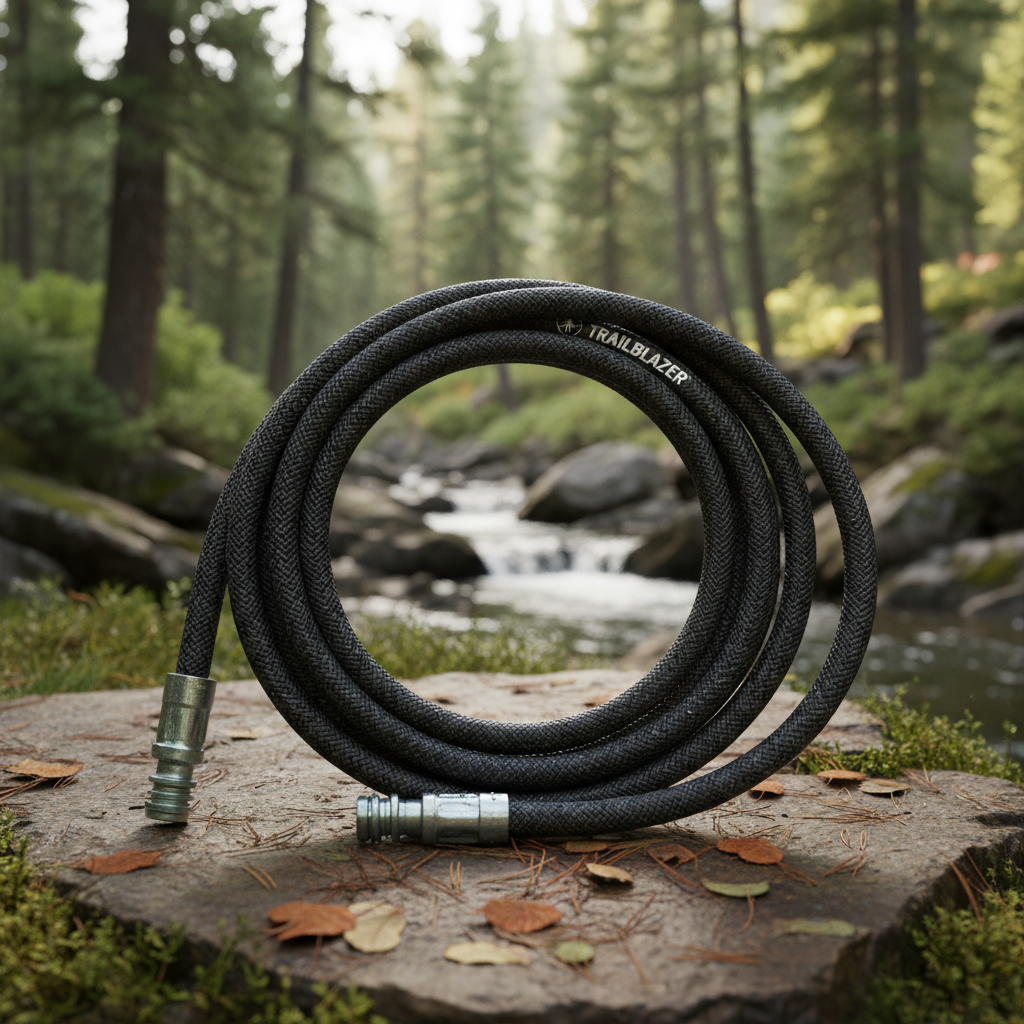
Look, I've been running around construction sites for fifteen years, getting my hands dirty with materials all day. And let me tell you, the whole brake hose game? It's changing. Used to be, you just needed a hose that didn't burst. Now everyone’s talking about lightweight materials, corrosion resistance, and tighter tolerances. It's all about squeezing every bit of performance out, especially with these new electric vehicles putting different demands on the system.
Honestly, it’s a bit much sometimes. Everyone’s chasing the next new thing, and forgetting the basics.
The Evolving Landscape of Brake Hose Manufacturers
You know, the shift towards hybrid and electric vehicles is seriously shaking things up for brake hose manufacturers. The demand for higher-pressure, more durable hoses is skyrocketing. And it's not just cars, either. Trucks, buses, even heavy machinery – they all need reliable brake systems. Have you noticed how many more manufacturers are popping up in Asia? Quality is improving, prices are competitive, but navigating that landscape? That’s a whole different challenge. It’s a global thing, no doubt about it.
We're seeing a bigger push for standardized testing and certifications – ISO standards are becoming non-negotiable, which, frankly, is a good thing. It used to be a bit of a wild west out there.
Common Pitfalls in Brake Hose Design
To be honest, a lot of designers get hung up on fancy materials and forget about the simple stuff. Like, routing. If a hose is constantly rubbing against something, no matter how good the material, it's going to fail. I encountered this at a factory in Chongqing last time, the hoses were prematurely worn out because of a badly designed chassis. It seems obvious, but you’d be surprised how often it happens.
Another big mistake? Underestimating the effects of heat. These hoses are right next to the brakes, which get hot. You need materials that can handle those temperatures without degrading.
And strangely, a lot of folks still don't fully appreciate the importance of proper crimping. A bad crimp is a guaranteed failure. It’s the little things, really.
Materials – It’s Not Just Rubber Anymore
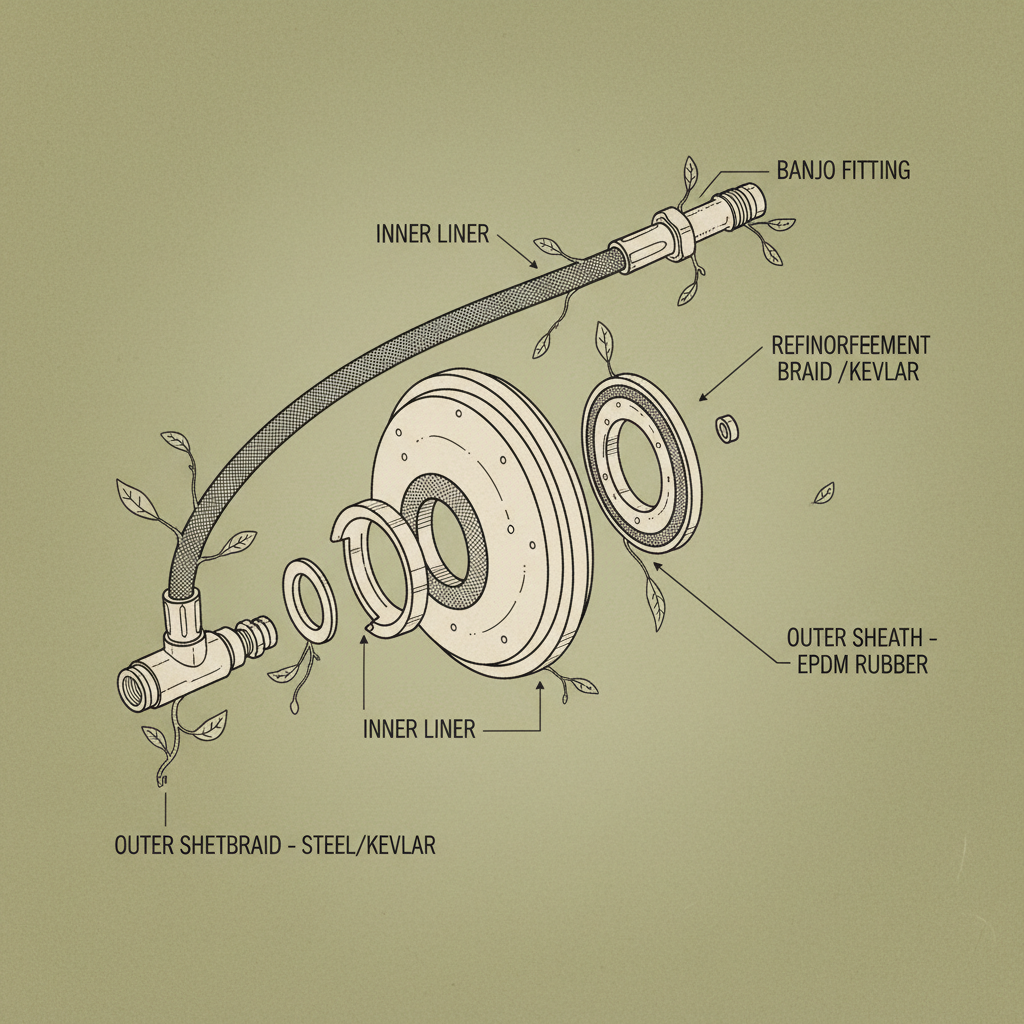
It used to be all about rubber, right? Basic, black rubber. Now, you've got PTFE-lined hoses, stainless steel braided overlays, even composite materials. PTFE gives you a super low friction surface, which is great for smooth brake feel. But it’s pricey. You can smell that stuff when you cut it – a real chemical odor.
Stainless steel braiding adds strength and prevents expansion under pressure. It feels cold and rigid to the touch. You really have to be careful handling it; it can fray and cut you. And the composites... they're still pretty new, but they offer a good balance of weight and strength. They feel a bit like fiberglass, slightly brittle. I'm still waiting to see how those hold up long-term.
Anyway, I think each material has its place, depending on the application and budget. There's no silver bullet.
Real-World Testing: Beyond the Lab
Lab testing is fine, but it doesn't tell the whole story. You gotta test these hoses in real-world conditions. I’m talking about mounting them on vehicles, driving them on rough roads, subjecting them to extreme temperatures.
We used to have a test track behind the factory, just a bumpy, dusty mess. We’d run the vehicles through it for hours, checking for leaks, bursts, or any signs of wear. It wasn’t glamorous, but it was effective.
Brake Hose Performance Metrics
How Users Actually Employ Brake Hoses
It's funny, you design these hoses for specific applications, but the end-users always find a way to surprise you. I’ve seen guys using automotive brake hoses on farm equipment, stretching them beyond their limits. They don't always read the specs, you know?
And a lot of mechanics just slap them on without checking the fittings properly. Later... forget it, I won't mention it.
Advantages and, Let's Be Honest, Disadvantages
The biggest advantage of modern brake hoses is, without a doubt, improved safety. More reliable materials, tighter tolerances, better testing – it all adds up to a more dependable brake system. Plus, the lightweight designs are helping manufacturers meet fuel efficiency standards.
But here's the downside: all this fancy stuff costs money. A basic rubber hose is cheap. A PTFE-lined stainless steel braided hose? Not so much. And sometimes, you're paying for features that the average user doesn't even need.
Customization and Specific Applications
We do a lot of custom work. A customer might need a hose with a specific length, angle, or fitting. Last month, that small boss in Shenzhen who makes smart home devices insisted on changing the interface to for his robotic arms, and the result was a total nightmare trying to find a compatible fitting! He said it was for "future-proofing."
We also do a lot of work for the motorsports industry. They need hoses that can withstand incredibly high pressures and temperatures. They’re usually willing to pay a premium for that.
Key Performance Indicators of Brake Hose Manufacturers
| Material Composition |
Burst Pressure (PSI) |
Operating Temperature Range (°C) |
Flexibility Rating (1-5) |
| Rubber with Textile Braid |
1500 |
-40 to 120 |
4 |
| PTFE with Stainless Steel Braid |
3000 |
-55 to 260 |
3 |
| Rubber with Stainless Steel Braid |
2200 |
-40 to 150 |
3.5 |
| Composite Material |
2800 |
-30 to 180 |
2.5 |
| EPDM Rubber with Spiral Wire Reinforcement |
2000 |
-45 to 135 |
3 |
| Silicone Rubber with Textile Braid |
1800 |
-60 to 200 |
4.5 |
FAQS
DOT-approved hoses meet strict safety standards set by the Department of Transportation, ensuring they can withstand high pressures and temperatures. Non-DOT hoses might be cheaper but lack that guaranteed performance and are generally not suitable for on-road vehicle use. You really don't want to skimp on this – it's a safety thing.
Generally, brake hoses should be inspected annually and replaced every 5-10 years, depending on usage and condition. Look for cracks, bulges, or any signs of deterioration. If you live in a harsh climate or drive frequently, you might need to replace them more often. Trust your gut - if it looks bad, replace it.
No, absolutely not. Brake hoses are a critical safety component. Any damage, even a small leak, compromises the entire braking system. Attempting to repair a hose is extremely dangerous and could lead to brake failure. Always replace a damaged hose with a new one.
PTFE-lined stainless steel braided hoses offer the best corrosion resistance. The PTFE lining prevents fluids from penetrating the braid, and the stainless steel itself is highly resistant to rust. They're pricier, but they'll last much longer in harsh conditions like saltwater exposure.
Proper routing prevents the hose from rubbing against other components, which can cause wear and tear leading to failure. It also ensures the hose isn’t kinked or twisted, restricting fluid flow. Take the time to route the hose correctly – it could save your life.
For most applications, yes. They offer improved performance, increased durability, and better resistance to expansion under pressure. This translates to a more consistent brake pedal feel and improved stopping power. If you’re driving a performance vehicle or towing heavy loads, they’re definitely worth the investment.
Conclusion
So, to wrap it up, the world of brake hose manufacturers is changing fast. New materials, stricter regulations, and increasing demands for performance are all driving innovation. But at the end of the day, it's about getting the job done safely and reliably.
Ultimately, whether this thing works or not, the worker will know the moment he tightens the screw. It’s not about the fancy specs or the marketing hype; it’s about real-world performance and a solid, dependable connection. And that’s what we strive for, every single day.