The modern automotive climate control system is a marvel of engineering, but its efficiency relies heavily on the integrity of the automotive ac duct hose. These specialized components are responsible for transporting chilled air from the evaporator to the cabin vents, ensuring that passengers remain comfortable regardless of the external weather conditions. Without a high-quality ducting system, even the most powerful compressor would fail to deliver cooling effectively.
In the global automotive landscape, the demand for precision-engineered rubber and composite hoses has surged as vehicle designs become more aerodynamic and engine compartments more crowded. The automotive ac duct hose must withstand extreme temperature fluctuations, vibrations, and chemical exposure while maintaining a leak-proof seal. This balance of flexibility and durability is what separates premium automotive components from generic replacements.
Understanding the technical specifications and material science behind these hoses is crucial for manufacturers, technicians, and fleet managers. By focusing on the synergy between thermal insulation and structural rigidity, the industry is moving toward more sustainable and energy-efficient HVAC systems. This comprehensive guide explores the critical role, materials, and future innovations of the automotive ac duct hose in today's transport sector.
Global Industry Context of Automotive AC Duct Hose
On a global scale, the automotive HVAC market is expanding rapidly, driven by rising temperatures in emerging economies and a general increase in consumer expectations for cabin comfort. According to industry standards aligned with ISO quality management, the precision of the automotive ac duct hose is critical to reducing the energy load on the engine, which in turn lowers CO2 emissions.
The primary challenge facing the industry is the transition toward Electric Vehicles (EVs). Unlike internal combustion engines, EVs rely entirely on battery power for climate control, meaning any inefficiency in the automotive ac duct hose—such as thermal leakage or air restriction—directly reduces the vehicle's driving range.
Technical Definition and System Integration
An automotive ac duct hose is a specialized flexible conduit designed to channel conditioned air from the HVAC evaporator unit to the various interior vents of a vehicle. Unlike high-pressure refrigerant lines, duct hoses are primarily concerned with airflow volume, thermal insulation, and the prevention of condensation buildup on the exterior of the hose.
These hoses are typically integrated into a complex network that includes the blower motor, the cabin filter, and the distribution manifold. The integration must be seamless to prevent "whistling" noises or air turbulence, which can degrade the perceived quality of the vehicle's interior. Modern designs often utilize a mix of EPDM rubber and thermoplastic polymers to achieve the necessary bend radii.
From a humanitarian and safety perspective, effective ducting is not just about luxury; it is about driver alertness. In extreme heat, the ability of the automotive ac duct hose to deliver rapid cooling prevents heat stroke and reduces fatigue, significantly lowering the risk of road accidents in tropical and subtropical regions.
Core Components and Performance Factors
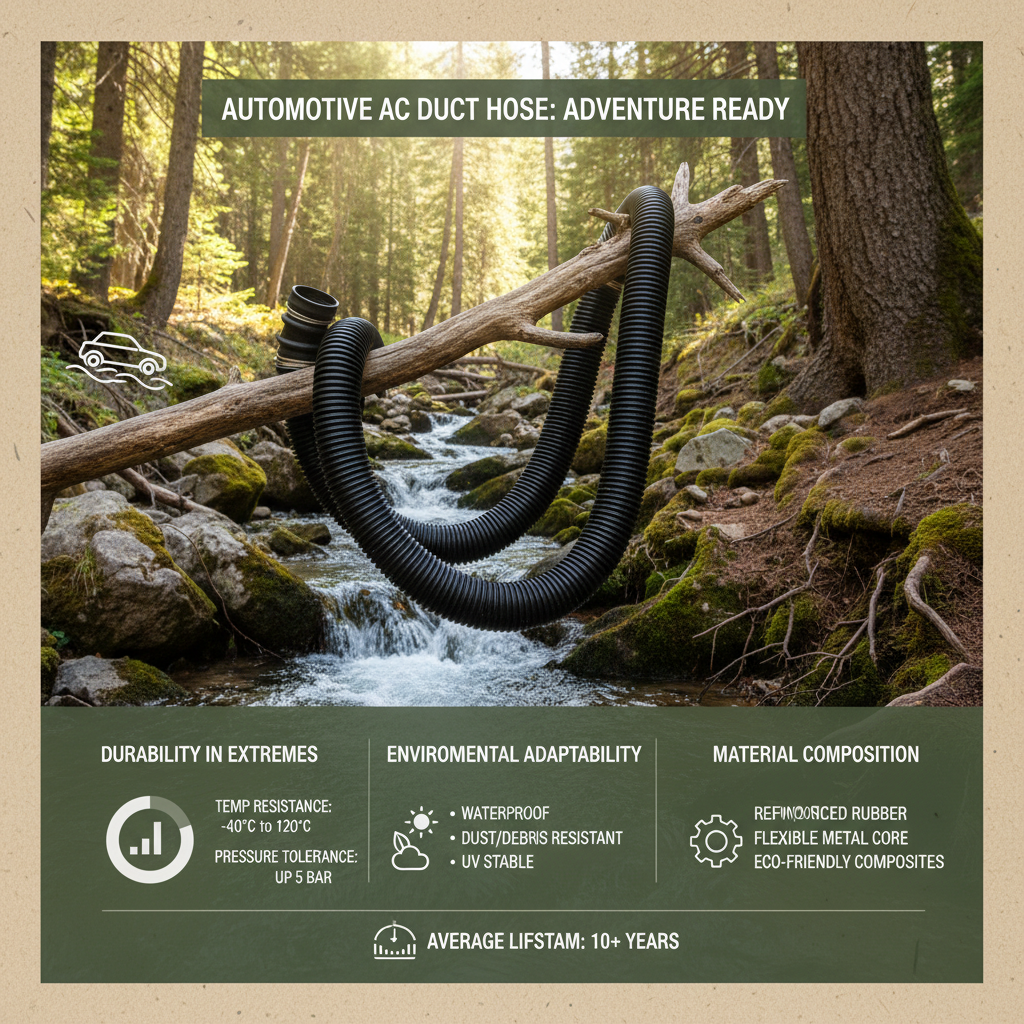
The durability of an automotive ac duct hose begins with its material composition. High-grade EPDM (Ethylene Propylene Diene Monomer) is often the gold standard due to its exceptional resistance to ozone, heat, and weather-related degradation, ensuring the hose doesn't crack over years of service.
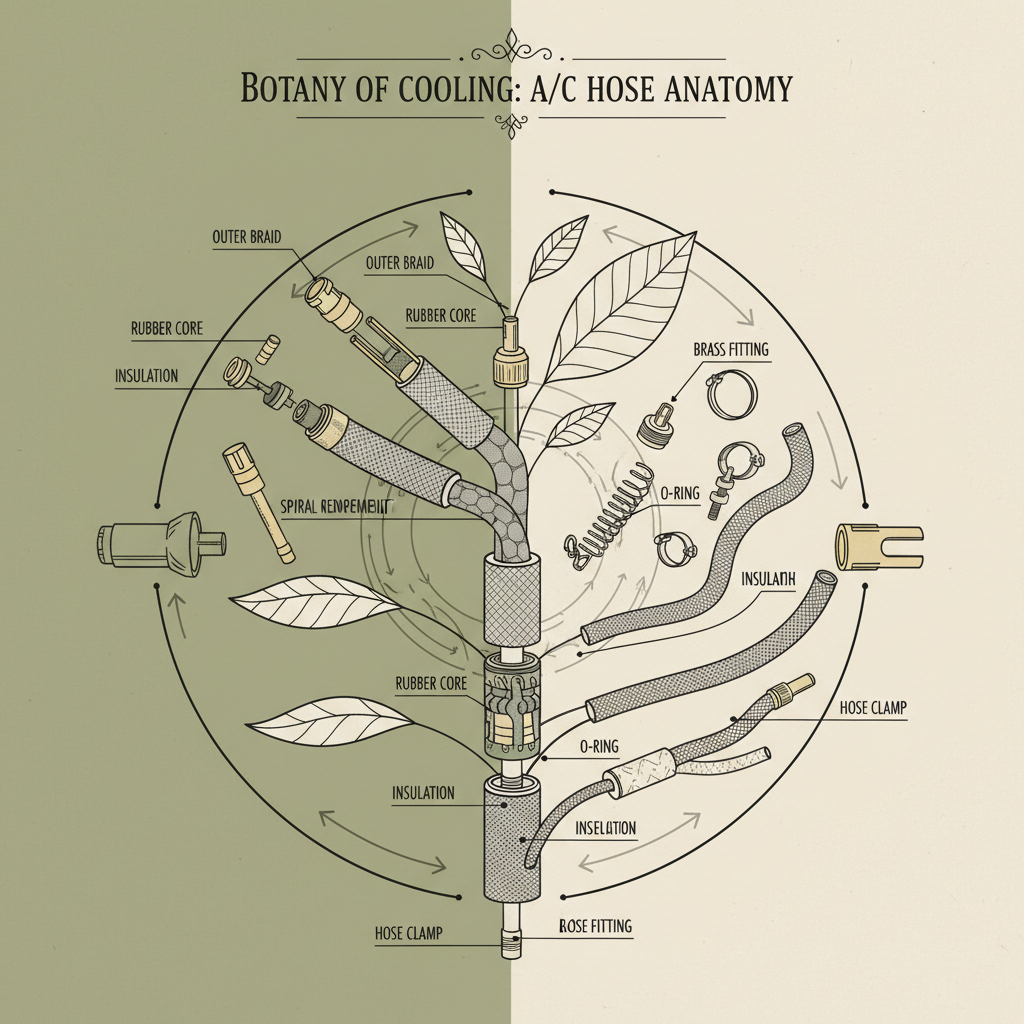
Thermal insulation is another critical factor. To maintain the temperature of the air as it travels through the automotive ac duct hose, manufacturers often employ multi-layered walls or external insulating sleeves. This prevents the "sweating" effect where condensation forms on the hose, which could otherwise lead to mold growth or electrical shorts in the dashboard.
Finally, scalability and fitment are paramount. Each vehicle model requires a unique routing path for the automotive ac duct hose. This requires high-precision molding and the use of flexible reinforcements that allow the hose to be routed through tight spaces without kinking, which would otherwise restrict airflow and strain the blower motor.
Real-World Applications and Use Cases
In the commercial transport sector, specifically for long-haul trucks and buses, the automotive ac duct hose is scaled up to handle much larger volumes of air. These applications often require reinforced ducting that can withstand the higher vibrations associated with heavy-duty diesel engines and the rigorous demands of 24/7 operation.
Beyond standard passenger cars, these hoses are vital in specialized vehicles such as mobile medical clinics or emergency response units. In these contexts, the automotive ac duct hose ensures that sensitive medical equipment and personnel remain in a temperature-controlled environment, even when operating in remote industrial zones or post-disaster relief areas.
Efficiency Comparison of Automotive AC Duct Hose Materials
Tangible Advantages and Long-Term Value
Investing in a high-quality automotive ac duct hose yields significant long-term cost savings. By minimizing air leakage and maximizing thermal retention, these hoses reduce the workload on the AC compressor. This leads to lower fuel consumption in combustion vehicles and extended battery life in electric vehicles, directly impacting the vehicle's total cost of ownership.
Beyond the logical financial gains, there is an emotional value associated with reliability. A failure in the ducting system during a heatwave can turn a vehicle into an oven, causing immense stress for the driver. The peace of mind provided by a durable, leak-proof automotive ac duct hose translates to trust in the vehicle's brand and a higher overall sense of safety and dignity during travel.
Future Trends in HVAC Hose Technology
The future of the automotive ac duct hose is inextricably linked to the "green revolution." We are seeing a shift toward bio-based polymers and recyclable elastomers that maintain the same performance standards as traditional petroleum-based rubbers. This transition is driven by stricter EU and North American environmental policies regarding the end-of-life disposal of automotive components.
Digital transformation is also playing a role. "Smart" ducting systems are being prototyped, where sensors are embedded within the wall of the automotive ac duct hose to monitor airflow and temperature in real-time. This data allows the vehicle's onboard computer to optimize the distribution of air, directing more cooling to occupied seats and reducing waste.
Furthermore, additive manufacturing (3D printing) is enabling the creation of complex, organic internal geometries for duct hoses. These optimized shapes reduce air turbulence and noise (NVH - Noise, Vibration, and Harshness), allowing for a quieter and more efficient delivery of conditioned air than traditional extrusion methods could ever achieve.
Common Challenges and Engineering Solutions
One of the most persistent challenges is the degradation caused by extreme thermal cycling. An automotive ac duct hose may be exposed to -40°C on the inside and +80°C on the outside in a matter of minutes. This causes material fatigue and potential micro-cracking. To solve this, engineers are implementing hybrid layering, combining a flexible inner core with a rigid, heat-shielded outer jacket.
Another common issue is the accumulation of dust and allergens within the ducting, which can lead to "dirty sock syndrome" (musty odors). The solution involves incorporating antimicrobial coatings on the interior surface of the automotive ac duct hose, preventing the growth of fungi and bacteria and ensuring the air delivered to passengers is hygienic.
Finally, the physical space constraints in modern engine bays often lead to hose kinking. By utilizing reinforced spiral supports and precision-engineered bend radii, manufacturers can ensure that the automotive ac duct hose maintains its cross-sectional area throughout the entire routing path, ensuring consistent airflow and system efficiency.
Comparative Analysis of Automotive AC Duct Hose Technical Specifications
|
Material Type
|
Thermal Resistance
|
Flexibility Score (1-10)
|
Lifespan (Years)
|
| Standard EPDM |
High |
8 |
7-10 |
| Reinforced Silicone |
Very High |
9 |
12-15 |
| Thermoplastic Polymer |
Medium |
6 |
5-8 |
| Composite Bio-Rubber |
High |
7 |
8-11 |
| Heavy-Duty Industrial |
Very High |
5 |
15-20 |
| Standard PVC Duct |
Low |
4 |
3-5 |
FAQS
Common signs of a leaking automotive ac duct hose include a noticeable drop in airflow from specific vents, unusual whistling sounds when the AC is on, or visible condensation/water pooling in the footwells. If one side of the cabin is significantly warmer than the other, it often indicates a collapsed or leaking duct hose.
Both are effective, but they serve different needs. EPDM is the industry standard for automotive ac duct hose due to its excellent balance of cost, weather resistance, and flexibility. Silicone offers superior thermal resistance and a longer lifespan but is generally more expensive and less resistant to certain automotive oils.
Yes, indirectly. If the automotive ac duct hose is leaking or restricted, the system must run the compressor longer and at higher speeds to reach the desired cabin temperature. This puts more load on the engine (or battery in EVs), which increases fuel or energy consumption.
It is not recommended. The automotive ac duct hose is designed for a specific bend radius and thermal profile. Generic hoses may kink, restricting airflow, or may not provide the necessary insulation, leading to condensation issues and inefficiency within the HVAC system.
For most passenger vehicles, a visual inspection every 2-3 years or during every major AC service is sufficient. For commercial vehicles, an annual check of the automotive ac duct hose for cracks, sagging, or loose connections is advised to prevent unexpected failures during peak summer months.
EVs require much more efficient thermal management to preserve battery range. This is leading to the development of automotive ac duct hose with advanced vacuum-insulated panels and lighter-weight materials to reduce the overall vehicle mass while maximizing cooling efficiency.
Conclusion
The automotive ac duct hose may seem like a simple component, but it is the critical final link in the chain of passenger comfort and vehicle efficiency. From the selection of high-grade EPDM materials to the integration of antimicrobial coatings and smart sensors, every detail affects the overall performance of the HVAC system. By prioritizing durability and thermal integrity, manufacturers can ensure lower energy consumption, reduced emissions, and a superior driving experience.
Looking ahead, the industry must continue to innovate in the realm of sustainable materials and precision engineering to meet the demands of the electric vehicle era. Investing in premium ducting solutions today prevents costly failures tomorrow and contributes to a more sustainable automotive future. For high-performance, industry-standard solutions, visit our website: www.kemohose.com