
Look, I’ve spent twenty years on construction sites, elbows deep in dust and grease. I’ve seen HVAC systems fail because of a simple hose blowout – and I’ve seen techs struggle with clunky, unreliable charging setups. That's why understanding the importance of a good auto ac charging hose with gauge isn’t some academic exercise, it’s about preventing downtime, protecting expensive equipment, and getting the job done right the first time. It's about having confidence in your tools when you’re facing a deadline and a frustrated customer.
The automotive AC industry is booming, fueled by increased vehicle ownership globally and the growing complexity of climate control systems. According to recent market reports, the AC refrigerant market alone is projected to reach $2.5 billion by 2027. This translates directly into a higher demand for quality servicing tools, and a auto ac charging hose with gauge is central to that.
It's not just about refilling a system; it's about diagnostics, leak detection, and ensuring the refrigerant charge is precise. A bad hose can throw off your readings, lead to over or undercharging, and ultimately damage the compressor. I’ve seen it happen too many times. That’s where a reliable and accurate hose with an integrated gauge comes into its own.
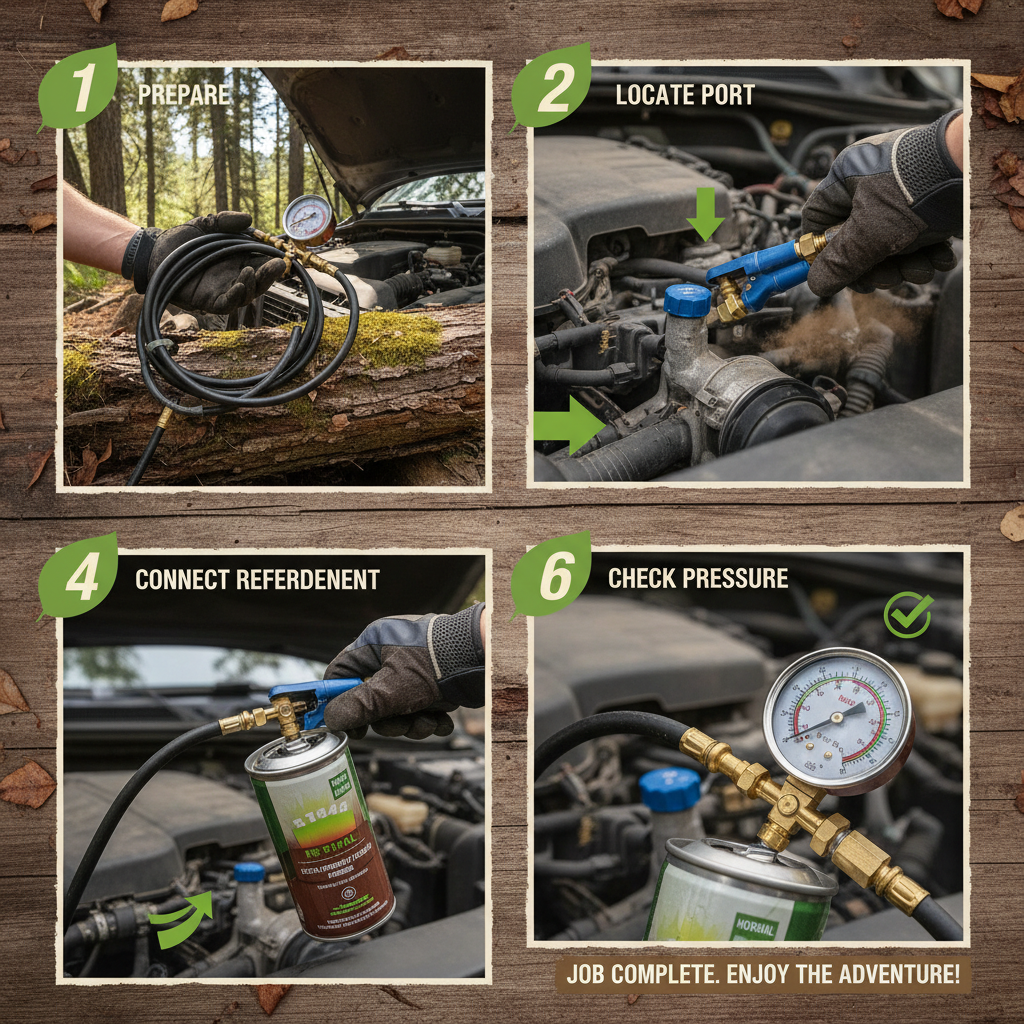
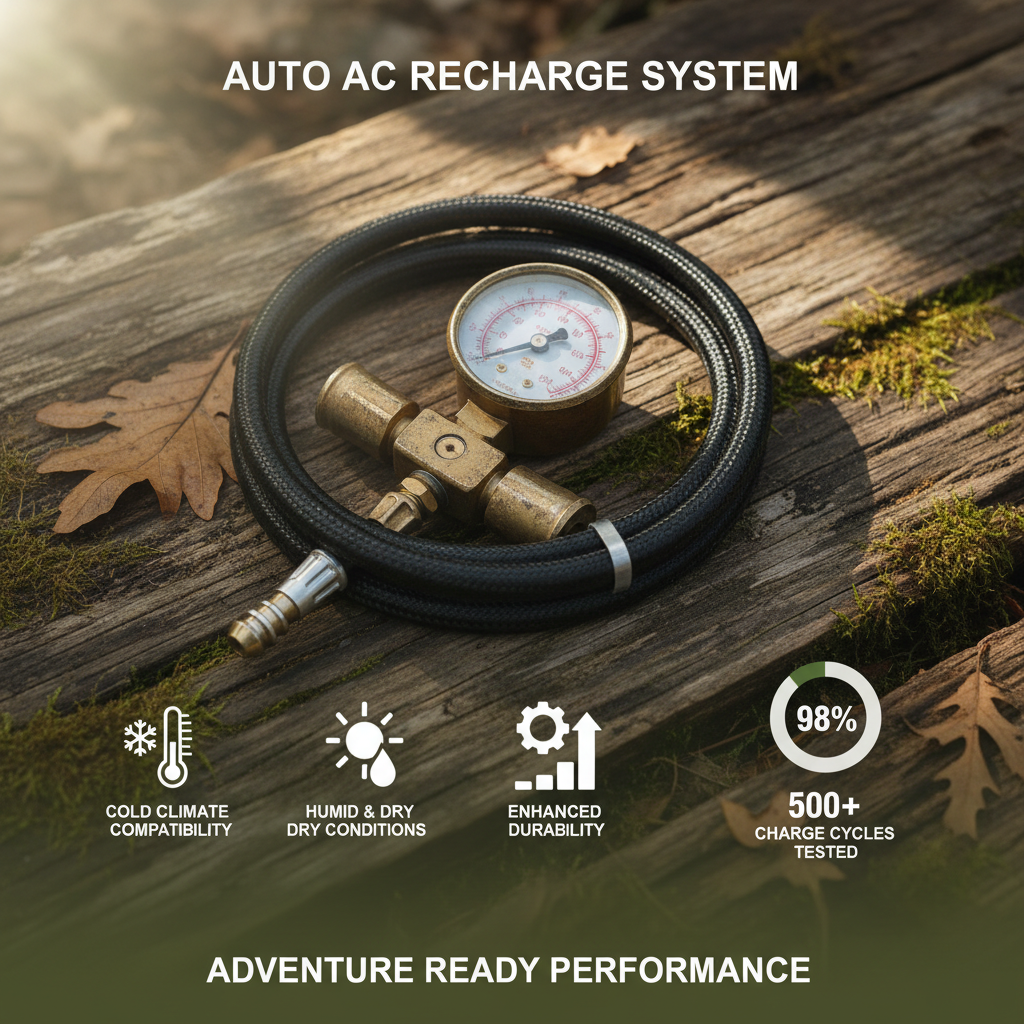
At its simplest, a auto ac charging hose with gauge connects to the refrigerant source and the vehicle’s AC system, allowing for controlled addition or removal of refrigerant. But it's more than just a pipe. The integrated gauge is critical. It provides a real-time pressure reading, letting you know exactly how much refrigerant is going in, and whether the system is operating within its specified parameters. Without a reliable gauge, you're flying blind.
I’ve seen too many techs rely on ‘feel’ and end up overcharging systems, which can lead to compressor failure and a hefty repair bill. A good hose and gauge setup removes the guesswork.
Proper storage is key. Always drain any remaining refrigerant from the hose after use. Coil the hose loosely and store it in a clean, dry place, away from direct sunlight, extreme temperatures, and chemicals. Avoid kinking or bending the hose sharply, as this can damage the internal lining and fittings. A dedicated hose reel or hanger can be a good investment.
Gauge calibration is crucial for accurate readings. I recommend calibrating your gauge at least annually, or more frequently if you use the hose heavily or suspect it may have been damaged. Professional calibration services are available, or you can use a known accurate pressure source to verify the gauge’s reading.
Absolutely not! R-1234yf requires specific hose materials and fittings due to its different properties. Using a hose not designed for R-1234yf can lead to leaks, contamination, and potentially damage to the AC system. Always use a hose specifically labeled for the refrigerant you are working with.
If you suspect a leak, immediately stop using the hose. Inspect the fittings and hose body for any visible damage. A leak test using a refrigerant leak detector can help pinpoint the source of the leak. Do not attempt to repair the hose yourself – it's best to replace it with a new, certified hose.
Proper technique is key. Ensure the couplings are clean and free of debris. When connecting, push the coupling straight onto the service port until it clicks securely. When disconnecting, use the release tool to unlock the coupling before pulling it off. This minimizes refrigerant loss and prevents damage to the couplings.
A dual hose kit typically includes two hoses – one for high-side and one for low-side service. This allows for faster evacuation and charging, and can be helpful for certain diagnostic procedures. However, a single hose with a reversing valve can be more convenient for simpler tasks. It really depends on your needs and the type of work you do.
A reliable auto ac charging hose with gauge is far more than just a tool; it’s a critical component of any successful AC service. From ensuring accurate refrigerant charges to preventing costly downtime, a quality hose pays for itself many times over. Understanding the key features, performance metrics, and emerging trends will help you choose the right hose for your needs and stay ahead of the curve.
Don’t underestimate the importance of investing in a well-built, accurate, and durable hose. It’s a small price to pay for peace of mind, efficiency, and the satisfaction of knowing you’re doing the job right. And if you're looking for a reliable source, check out kemohose.com.

 Afrikaans
 Albanian
 Amharic
 Arabic
 Armenian
 Azerbaijani
 Basque
 Belarusian
 Bengali
 Bosnian
 Bulgarian
 Catalan
 Cebuano
 Corsican
 Croatian
 Czech
Czech
 Danish
 Dutch
Dutch
 Esperanto
 Estonian
 Finnish
 French
 Frisian
 Galician
 Georgian
 German
 Greek
Greek
 Gujarati
 Haitian Creole
 Hausa
Hausa
 Hawaiian
 Hebrew
 Hindi
Hindi
 Miao
Miao
 Hungarian
 Icelandic
 Igbo
Igbo
 Indonesian
 Irish
Irish
 Italian
 Japanese
 Javanese
 Kannada
 Kazakh
 Khmer
Khmer
 Rwandese
 Korean
 Kurdish
 Kyrgyz
 Lao
Lao
 Latin
Latin
 Latvian
 Lithuanian
 Luxembourgish
 Macedonian
 Malgashi
 Malay
Malay
 Malayalam
 Maltese
 Maori
Maori
 Marathi
 Mongolian
 Myanmar
 Nepali
 Norwegian
 Norwegian
 Occitan
 Pashto
 Persian
 Polish
 Portuguese
 Punjabi
 Romanian
 Russian
 Samoan
 Scottish Gaelic
 Serbian
 Sesotho
 Shona
Shona
 Sindhi
 Sinhala
 Slovak
 Slovenian
 Somali
 Spanish
 Sundanese
 Swahili
 Swedish
 Tagalog
 Tajik
Tajik
 Tamil
Tamil
 Tatar
Tatar
 Telugu
 Thai
Thai
 Turkish
 Turkmen
 Ukrainian
 Urdu
Urdu
 Uighur
 Uzbek
Uzbek
 Vietnamese
 Welsh
Welsh
 Bantu
Bantu
 Yiddish
 Yoruba
 Zulu
Zulu
 English