
The automotive industry relies heavily on robust and reliable components, and at the heart of vehicle climate control lies the auto ac hose. These specialized hoses are crucial for efficient refrigerant circulation, directly impacting the performance and longevity of a vehicle’s air conditioning system. Understanding the intricacies of auto ac hose manufacturing, material science, and application is paramount for automotive engineers, manufacturers, and aftermarket suppliers alike.
Globally, the demand for efficient and reliable automotive air conditioning systems is steadily increasing, driven by rising vehicle ownership, especially in emerging markets, and a growing emphasis on passenger comfort. This surge in demand directly correlates with the need for high-quality auto ac hose that can withstand extreme temperatures, pressures, and corrosive environments. The automotive rubber products manufacturing sector, valued at billions of dollars annually, plays a pivotal role in meeting this demand.
The efficiency and reliability of a vehicle’s air conditioning system are directly impacted by the quality of its auto ac hose. A compromised hose can lead to refrigerant leaks, reduced cooling capacity, and ultimately, system failure, resulting in costly repairs and driver discomfort. Choosing the right hose, manufactured with appropriate materials and adhering to strict quality standards, is vital for ensuring optimal performance and extending the lifespan of the entire AC system.


At its core, an auto ac hose is a flexible conduit designed to transport refrigerant between the compressor, condenser, evaporator, and expansion valve within a vehicle's air conditioning system. These hoses are not simply tubes; they're engineered components built to withstand the extreme pressures, temperatures, and vibrations inherent in automotive environments. The proper functioning of these hoses is fundamental to delivering consistent and reliable cooling.
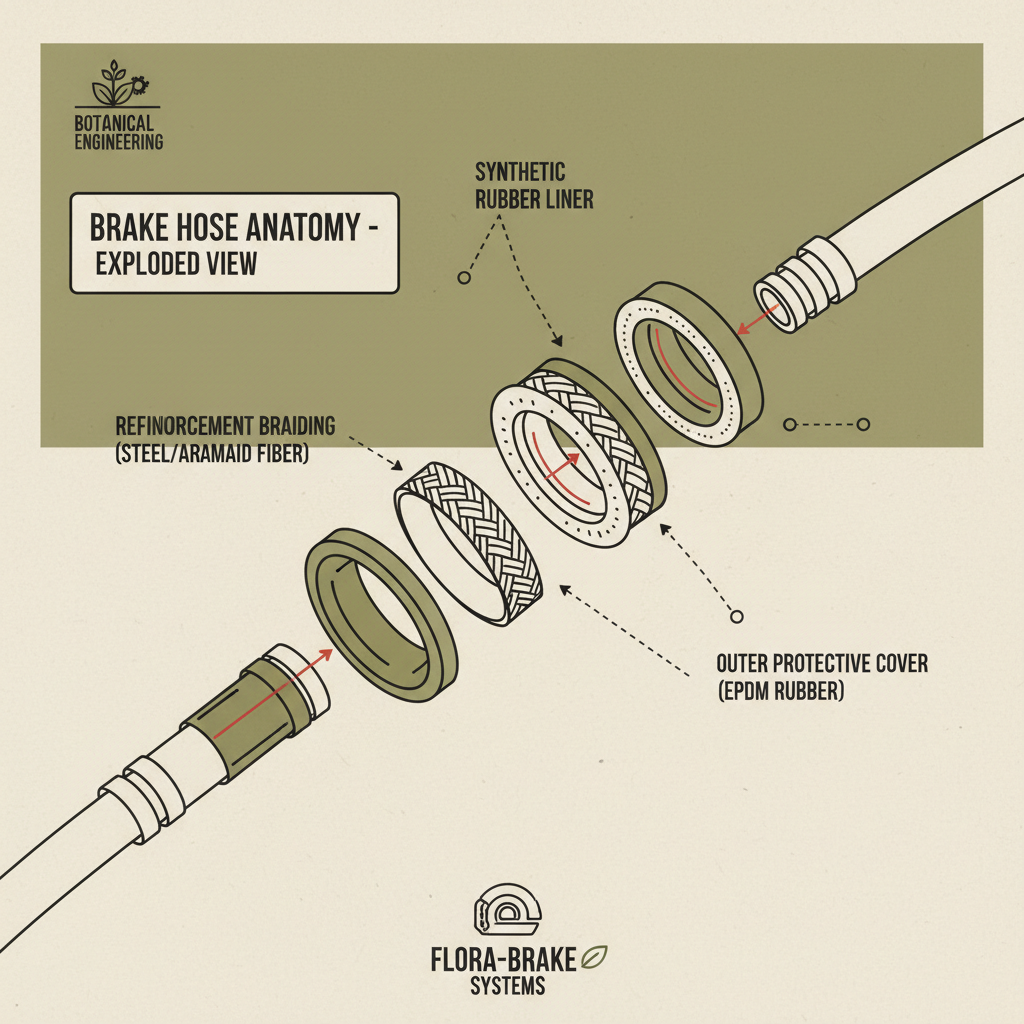
The construction of a quality auto ac hose typically involves multiple layers: an inner tube resistant to refrigerant permeation and corrosion, a reinforcing layer (often braided steel or textile) for strength and pressure resistance, and an outer cover designed to protect against abrasion, ozone, and UV exposure. Each layer contributes to the overall durability and performance of the hose.
The lifespan of an auto ac hose can vary significantly depending on operating conditions, exposure to contaminants, and the quality of the hose itself. Typically, a well-maintained hose can last between 5 to 10 years, however, regular inspections are crucial. Factors like extreme temperatures, exposure to oil, and constant flexing can shorten its lifespan. Signs of wear include cracks, swelling, or visible leaks.
Several signs indicate your auto ac hose may need replacing. These include a noticeable decrease in AC performance, refrigerant leaks (often indicated by an oily residue), visible cracks or bulges in the hose, and a hissing sound coming from the engine compartment. It's important to address these signs promptly to prevent further damage to the AC system.
Auto ac hoses are commonly constructed from a combination of materials. The inner tube is usually nitrile rubber (NBR) or hydrogenated nitrile butadiene rubber (HNBR) for refrigerant compatibility. The reinforcement layer is often braided steel wire or textile for strength, and the outer cover is typically EPDM rubber for weather and ozone resistance. Newer hoses may incorporate fluoropolymers for superior chemical resistance.
No, not all auto ac hoses are compatible with all types of refrigerant. Different refrigerants have varying chemical properties, and some can degrade certain hose materials. It's crucial to select a hose specifically designed for the refrigerant used in your vehicle’s AC system. Using an incompatible hose can lead to leaks, system failure, and potential environmental damage.
While minor leaks might seem tempting to repair, it’s generally recommended to replace a leaking auto ac hose. Repairs are often temporary and may not withstand the high pressures and temperatures within the AC system. A replacement hose ensures a reliable and long-lasting solution, preventing future leaks and potential damage.
The fittings on an auto ac hose are critically important for ensuring a leak-free and secure connection to the AC system components. These fittings are typically crimped onto the hose and must be made of corrosion-resistant materials, such as aluminum or steel. Proper fitting installation is essential for reliable system operation and preventing refrigerant loss.
In conclusion, the auto ac hose is a vital, yet often overlooked, component of the modern vehicle. Its performance directly impacts the efficiency, reliability, and comfort of the vehicle's air conditioning system. Understanding the materials, construction, and performance factors of these hoses is essential for automotive professionals and consumers alike. Investing in high-quality hoses and prioritizing regular maintenance are crucial for ensuring optimal AC system performance and minimizing long-term costs.
Looking ahead, innovations in materials science, smart hose technologies, and sustainable manufacturing practices promise to further enhance the performance and environmental friendliness of auto ac hose. By embracing these advancements, the automotive industry can continue to deliver efficient, reliable, and sustainable cooling solutions for years to come. For all your auto ac hose needs, visit our website today at www.kemohose.com.



 Afrikaans
 Albanian
 Amharic
 Arabic
 Armenian
 Azerbaijani
 Basque
 Belarusian
 Bengali
 Bosnian
 Bulgarian
 Catalan
 Cebuano
 Corsican
 Croatian
 Czech
Czech
 Danish
 Dutch
Dutch
 Esperanto
 Estonian
 Finnish
 French
 Frisian
 Galician
 Georgian
 German
 Greek
Greek
 Gujarati
 Haitian Creole
 Hausa
Hausa
 Hawaiian
 Hebrew
 Hindi
Hindi
 Miao
Miao
 Hungarian
 Icelandic
 Igbo
Igbo
 Indonesian
 Irish
Irish
 Italian
 Japanese
 Javanese
 Kannada
 Kazakh
 Khmer
Khmer
 Rwandese
 Korean
 Kurdish
 Kyrgyz
 Lao
Lao
 Latin
Latin
 Latvian
 Lithuanian
 Luxembourgish
 Macedonian
 Malgashi
 Malay
Malay
 Malayalam
 Maltese
 Maori
Maori
 Marathi
 Mongolian
 Myanmar
 Nepali
 Norwegian
 Norwegian
 Occitan
 Pashto
 Persian
 Polish
 Portuguese
 Punjabi
 Romanian
 Russian
 Samoan
 Scottish Gaelic
 Serbian
 Sesotho
 Shona
Shona
 Sindhi
 Sinhala
 Slovak
 Slovenian
 Somali
 Spanish
 Sundanese
 Swahili
 Swedish
 Tagalog
 Tajik
Tajik
 Tamil
Tamil
 Tatar
Tatar
 Telugu
 Thai
Thai
 Turkish
 Turkmen
 Ukrainian
 Urdu
Urdu
 Uighur
 Uzbek
Uzbek
 Vietnamese
 Welsh
Welsh
 Bantu
Bantu
 Yiddish
 Yoruba
 Zulu
Zulu
 English