
Air Brake Systems for Trucks: Essential Lines, Pipes, and Hoses for Heavy-Duty Safety
Oct . 14, 2025 17:09 Back to list
Air Brake Systems for Trucks: Essential Lines, Pipes, and Hoses for Heavy-Duty Safety
In the critical infrastructure of commercial truck braking, air brake lines for trucks form the pneumatic network that translates cab commands into powerful stopping force. From rigid air brake pipe and air brake tubing to flexible brake chamber air hose and brake chamber air line components, these elements work in tandem to ensure reliable performance under heavy loads and harsh conditions. Understanding their roles, materials, and maintenance is vital for fleet managers, truck mechanics, and operators to uphold safety and efficiency.
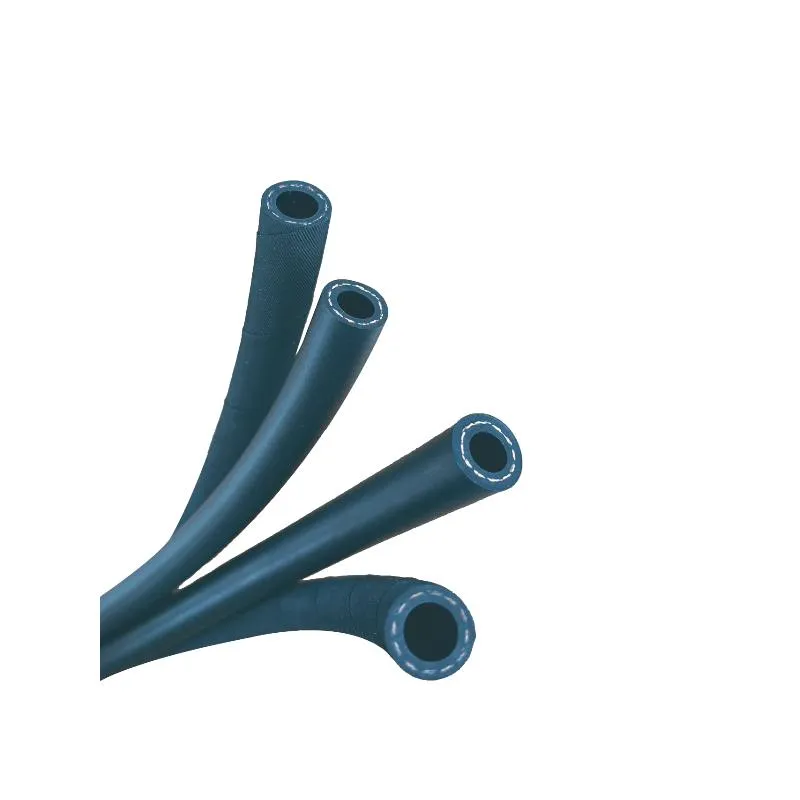
Air Brake Lines for Trucks: The Pneumatic Backbone of Commercial Braking
Air brake lines for trucks comprise a complex network of rigid tubes and flexible hoses that carry compressed air from the truck’s air tanks to the brake chambers, valves, and trailers. These lines must withstand consistent pressure (120–150 PSI) and resist vibration, corrosion, and abrasion. For example, a semi-truck’s air brake lines include primary and secondary circuits: the primary line controls trailer brakes in sync with the cab, while the secondary line acts as a backup and manages parking brakes. Made from galvanized steel, aluminum, or reinforced rubber, these lines are engineered to maintain pressure integrity even across long distances and multiple axles, ensuring uniform braking force distribution.
Air Brake Pipe: Rigid Tubing for Stable Pressure Transmission
Air brake pipe refers to the rigid tubing components of air brake systems, typically made of galvanized steel or aluminum, designed to form fixed pathways for compressed air. These pipes are routed along the truck’s chassis, from the air compressor to the distribution valves and axle - mounted brake chambers. In a dump truck, air brake pipe might run along the frame rails, secured with clips to prevent movement and vibration damage. The pipe’s diameter and wall thickness are optimized for pressure loss reduction, with common sizes ranging from 3/8" to 1/2" to accommodate airflow needs. Proper flaring and threading of pipe fittings are critical to prevent leaks, as even a small breach can compromise braking efficiency.
Air Brake Tubing: Flexible and Rigid Solutions for Complex Routing
Air brake tubing encompasses both rigid and semi - flexible materials, offering versatility for complex truck brake system layouts. Rigid tubing, like steel or aluminum, provides structural stability for long - run lines, while semi - flexible nylon or polyvinyl tubing is used for shorter, more intricate routes where gentle bends are needed. For instance, in a fire truck with a complex chassis, air brake tubing might combine steel pipes for main lines with nylon tubing to navigate around equipment bays. The tubing must withstand not only air pressure but also exposure to engine heat, road debris, and chemical spills, making corrosion - resistant coatings and protective sheaths essential for longevity.
Brake Chamber Air Hose: Flexible Connectors for Brake Actuation
Brake chamber air hose serves as the dynamic link between rigid brake lines and the brake chambers, allowing movement during suspension travel while maintaining air pressure. These hoses are constructed with reinforced rubber or thermoplastic, often with textile or wire braiding to prevent expansion under pressure. In a trailer’s air brake system, a brake chamber air hose connects the relay valve to the brake chamber, transmitting air that expands the chamber’s diaphragm to apply brake shoes. The hose’s flexibility is crucial for accommodating the up - and - down movement of axles, while its abrasion - resistant outer layer protects against road debris. Regular inspection for cracks, bulges, or leaks is essential, as a compromised hose can lead to delayed braking or complete failure.
Brake Chamber Air Line: Integrating Chambers with the Pneumatic System
Brake chamber air line refers to the combined rigid and flexible components that connect brake chambers to the main air brake system, ensuring precise actuation. This includes both the tubing that runs from the control valve to the chamber and the flexible hose that allows for mechanical movement. In a truck with air - actuated disc brakes, the brake chamber air line might include a steel tube from the trailer’s air supply and a short flexible hose to the caliper - mounted chamber. The line’s pressure rating and material compatibility (with air and potential contaminants) are critical, as even minor leaks can reduce brake force or cause uneven stopping. Proper routing to avoid sharp bends or contact with moving parts is essential to prevent kinking or wear.
Air Brake System FAQs
How do I detect a leak in air brake lines for trucks?
- Auditory Check: Listen for hissing sounds near brake components or under the chassis.
- Visual Inspection: Look for cracks, bulges, or moisture around hose fittings or pipe connections.
- Soap Solution Test: Apply a soapy water mixture to suspect areas; bubbles indicate leaks.
- Pressure Drop Test: With the engine off, observe air pressure gauges— a drop of more than 2 PSI per minute signals a leak.
What materials are best for air brake pipe in corrosive environments?
- Galvanized Steel: Ideal for winter climates with road salt, as the zinc coating resists corrosion.
- Aluminum: Lightweight and corrosion - resistant, suitable for coastal regions or trailers.
- Stainless Steel: Offers the highest corrosion resistance for harsh industrial or marine applications, though at higher cost.
Can brake chamber air hoses be repaired, or must they be replaced?
Damaged brake chamber air hoses should always be replaced, as repairs (e.g., patches or clamps) are unsafe and temporary. Even minor cracks or leaks compromise air pressure, leading to reduced braking efficiency. Replace hoses with OEM - rated parts to ensure pressure ratings and fitment.
How does air brake tubing differ from automotive hydraulic lines?
- Material: Air brake tubing prioritizes pressure resistance (120+ PSI) and airtight seals, while hydraulic lines focus on fluid pressure (3,000+ PSI) and corrosion resistance.
- Flexibility: Air brake systems use more rigid tubing, while hydraulics rely on flexible hoses for suspension movement.
- Function: Air lines transmit compressed air for pneumatic actuation, while hydraulic lines carry fluid for mechanical force transmission.
What's the impact of kinked air brake tubing on braking performance?
A kinked air brake tube restricts airflow, causing delayed brake application or uneven stopping force. In severe cases, it can lead to complete loss of air pressure in the affected circuit, compromising braking safety. Replace kinked tubing immediately and reroute lines to avoid future damage.
How often should air brake lines on trucks be inspected?
Fleet trucks should undergo air brake system inspections:
- Daily: Quick visual checks for obvious leaks or damage.
- Monthly: Detailed inspections of hoses, pipes, and fittings for wear, corrosion, or loose connections.
- Annually: Comprehensive testing of pressure integrity, including hose replacement if over 5 years old.
Can I use automotive air brake hose on a commercial truck?
Commercial trucks require air brake hoses rated for heavy - duty use (e.g., DOT FMVSS 121 standards), which have higher pressure ratings and durability than automotive - grade hoses. Using automotive hoses in trucks can lead to premature failure due to insufficient strength or corrosion resistance.
By prioritizing the maintenance and compatibility of air brake lines for trucks, air brake pipe, and brake chamber air hose components, fleet operations can ensure that heavy - duty braking systems remain reliable and compliant with safety standards. Regular inspections, material - appropriate replacements, and proper routing of air brake tubing and lines are essential for preventing costly downtime and upholding the safety of commercial vehicles on the road.
Latest news
-
Transmission Oil Cooler Pipe Maintenance and Selection Guide
NewsApr.16,2026
-
Ultimate Guide to Choosing Transmission Oil Cooler Line Hose
NewsApr.09,2026
-
Essential Guide to Transmission Oil Cooler Hose 5/16 for Vehicle Longevity
NewsApr.07,2026
-
Understanding the Critical Role of Transmission Oil Cooler Hose 1 2 for Vehicle Longevity
NewsApr.04,2026
-
Understanding Transmission Oil Coolant Lines For Optimal Vehicle Performance
NewsMar.31,2026
-
Comprehensive Guide to Oil Coolant Pipe Selection and Industrial Applications
NewsMar.28,2026
 Afrikaans
 Albanian
 Amharic
 Arabic
 Armenian
 Azerbaijani
 Basque
 Belarusian
 Bengali
 Bosnian
 Bulgarian
 Catalan
 Cebuano
 Corsican
 Croatian
 Czech
Czech
 Danish
 Dutch
Dutch
 Esperanto
 Estonian
 Finnish
 French
 Frisian
 Galician
 Georgian
 German
 Greek
Greek
 Gujarati
 Haitian Creole
 Hausa
Hausa
 Hawaiian
 Hebrew
 Hindi
Hindi
 Miao
Miao
 Hungarian
 Icelandic
 Igbo
Igbo
 Indonesian
 Irish
Irish
 Italian
 Japanese
 Javanese
 Kannada
 Kazakh
 Khmer
Khmer
 Rwandese
 Korean
 Kurdish
 Kyrgyz
 Lao
Lao
 Latin
Latin
 Latvian
 Lithuanian
 Luxembourgish
 Macedonian
 Malgashi
 Malay
Malay
 Malayalam
 Maltese
 Maori
Maori
 Marathi
 Mongolian
 Myanmar
 Nepali
 Norwegian
 Norwegian
 Occitan
 Pashto
 Persian
 Polish
 Portuguese
 Punjabi
 Romanian
 Russian
 Samoan
 Scottish Gaelic
 Serbian
 Sesotho
 Shona
Shona
 Sindhi
 Sinhala
 Slovak
 Slovenian
 Somali
 Spanish
 Sundanese
 Swahili
 Swedish
 Tagalog
 Tajik
Tajik
 Tamil
Tamil
 Tatar
Tatar
 Telugu
 Thai
Thai
 Turkish
 Turkmen
 Ukrainian
 Urdu
Urdu
 Uighur
 Uzbek
Uzbek
 Vietnamese
 Welsh
Welsh
 Bantu
Bantu
 Yiddish
 Yoruba
 Zulu
Zulu
 English