
Brake Line Solutions: From Tubing to Truck Applications for Optimal Braking
Oct . 14, 2025 17:12 Back to list
Brake Line Solutions: From Tubing to Truck Applications for Optimal Braking
In the intricate network of automotive braking systems, brake line components are the unsung heroes that translate pedal pressure into stopping power. From flexible brake line rubber hoses to rigid brake line tubing, rear-specific brake line rear setups, and heavy-duty brake line truck configurations, each element plays a critical role in hydraulic efficiency. Whether you’re servicing a passenger car, upgrading a truck, or replacing worn components, understanding these brake line solutions is essential for maintaining safety and performance.
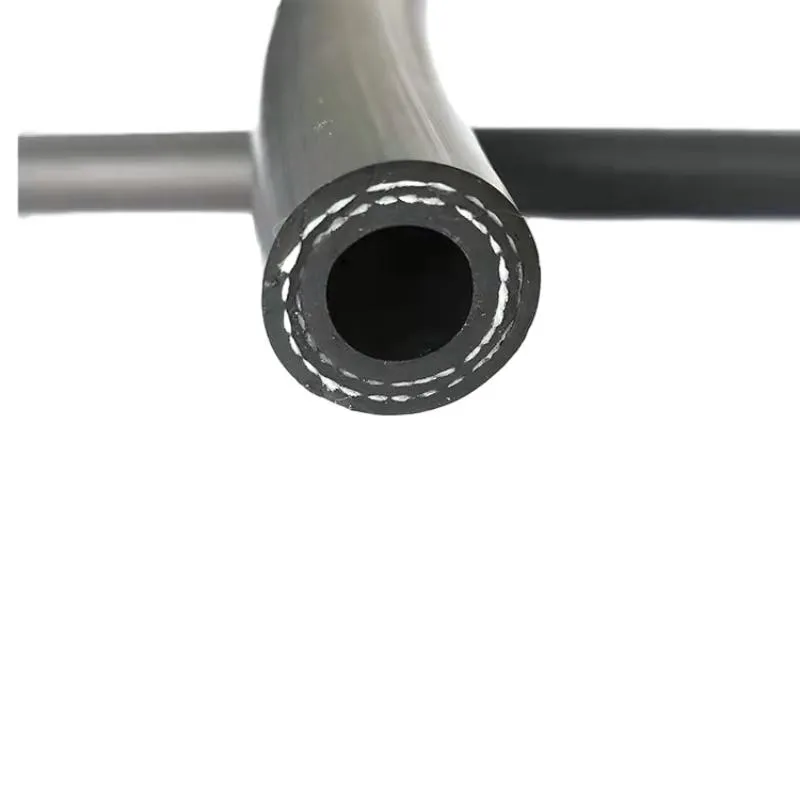
Brake Line Pipe: The Core of Hydraulic Fluid Transmission
Brake line pipe forms the backbone of brake systems, transporting brake fluid from the master cylinder to each wheel with precision. These pipes are available in rigid and flexible variants: rigid pipes, often made of steel or copper-nickel, provide stable fluid pathways along the vehicle’s chassis, while flexible rubber pipes (hoses) allow movement at suspension points. For example, a sedan’s brake line pipe might include steel tubing running from the engine bay to the rear axle, with rubber hoses at each wheel to accommodate suspension travel. The pipe’s inner diameter and wall thickness are engineered to maintain consistent fluid pressure, ensuring responsive braking across all conditions.
Brake Line Rear: Tailored for Rear Axle Braking Efficiency
Brake line rear setups are optimized for the unique demands of rear-wheel braking, whether in passenger cars, trucks, or commercial vehicles. These lines must navigate the rear axle’s movement while maintaining fluid flow, often featuring flexible hoses at the wheels and rigid tubing along the frame. In a rear-wheel-drive car, the brake line rear might include a combination of steel lines running along the chassis and a flexible hose connecting to the rear caliper or wheel cylinder. For vehicles with drum brakes, rear brake lines may include a T-fitting to distribute fluid to both rear wheels, requiring precise routing to avoid kinks or leaks. Regular inspection of brake line rear components is crucial, as corrosion or wear in these lines can lead to uneven braking or complete failure.
Brake Line Rubber: Flexible Connections for Dynamic Braking
Brake line rubber hoses serve as the vital link between rigid brake lines and moving brake components, such as calipers, wheel cylinders, and suspension arms. These hoses are constructed with multiple layers—an inner rubber liner, reinforcing braid (textile or aramid fiber), and outer rubber sheath—to withstand high pressure (up to 3,000 PSI) and resist degradation from heat, oil, and road debris. For instance, a performance car might use reinforced brake line rubber hoses to minimize expansion under heavy braking, ensuring a firm pedal feel. Over time, rubber hoses can crack, bulge, or harden, compromising braking efficiency; replacing them every 5–7 years, or at the first sign of damage, is essential for safety.
Brake Line Truck: Heavy-Duty Solutions for Commercial and Off-Road Use
Brake line truck systems are engineered to handle the increased weight, towing capacity, and harsh conditions faced by trucks and commercial vehicles. These lines often feature thicker walls, more robust materials (such as galvanized steel or stainless steel), and reinforced connections to withstand higher fluid pressures and mechanical stress. A heavy-duty truck’s brake line setup might include larger-diameter tubing to accommodate the increased fluid volume needed for multiple axles, while off-road trucks may use armored or spiral-wrapped hoses to resist abrasion from rocks and debris. For lifted trucks, extended brake lines and hoses are essential to prevent stretching or kinking as the suspension articulates, maintaining consistent braking performance on rough terrain.
Brake Line Tubing: Rigid Solutions for Permanent System Installations
Brake line tubing provides the structural framework for brake systems, available in materials like hard-drawn steel, copper-nickel alloy, and stainless steel to suit different applications. Steel tubing is ideal for high-pressure, heavy-duty use, while copper-nickel tubing offers superior corrosion resistance for coastal or winter climates. DIY enthusiasts often use brake line tubing to fabricate custom brake setups, bending and flaring the tubing to fit unique vehicle layouts. For example, a vintage truck restoration might involve replacing corroded steel lines with copper-nickel brake line tubing for longevity, while a race car builder could opt for lightweight stainless steel tubing to reduce weight and enhance corrosion resistance. Proper flaring and routing of tubing are critical to prevent leaks and ensure optimal fluid flow.
Brake Line FAQs
How do I choose between steel and copper-nickel brake line tubing?
- Steel Tubing: Choose for high-pressure applications in trucks or heavy-duty vehicles, offering maximum strength and durability. Best for commercial use or off-road environments with high mechanical stress.
- Copper-Nickel Tubing: Opt for coastal areas, winter climates, or vintage cars, as it resists corrosion better and is more malleable for complex bends without kinking.
What signs indicate a failing brake line rubber hose?
Visible cracks, bulges, or leaks in the hose are immediate red flags. A spongy or soft brake pedal may signal internal hose degradation, while fluid spots around the hose fittings indicate leaks. Replace hoses every 5–7 years, even without visible damage, due to rubber aging.
Can I replace a brake line rear myself?
DIY replacement is possible with the right tools (flare wrenches, tubing bender, flaring kit), but precision is key. Ensure proper flaring to prevent leaks, and always pressure-test the system after installation. For complex rear setups with T-fittings or hard-to-reach lines, consult a professional to avoid mistakes.
How does a truck’s brake line differ from a passenger car’s?
Truck brake lines are typically larger in diameter to handle higher fluid volumes, made from more robust materials (galvanized steel or stainless steel), and designed to withstand heavier loads and towing. They may also include additional fittings for multiple axles or air-over-hydraulic systems in commercial trucks.
How do I prevent brake line tubing corrosion?
Use corrosion-resistant materials like copper-nickel or stainless steel for tubing, especially in areas with road salt. Apply protective coatings (such as rubberized undercoating) to steel lines, and regularly inspect the undercarriage for rust, replacing corroded sections promptly to prevent leaks.
Can brake line rubber hoses be reused after removal?
No, brake line rubber hoses should never be reused. Removal can cause internal damage or compromise the hose’s integrity, increasing the risk of failure. Always install new hoses when servicing brake systems to ensure safety and reliability.
What’s the impact of kinked brake line tubing on braking performance?
A kinked brake line reduces fluid flow, leading to uneven braking, a softer pedal, or even complete loss of braking power in severe cases. Immediately replace kinked tubing to restore proper hydraulic function and prevent safety hazards.
By prioritizing quality brake line components—from rear-specific setups to truck-grade solutions and durable rubber hoses—you ensure that your vehicle’s braking system remains efficient and safe. Regular inspection, timely replacement of worn parts, and proper installation of brake line tubing and hoses are essential for maintaining optimal stopping power, whether on daily commutes or off-road adventures.
Latest news
-
Transmission Oil Cooler Pipe Maintenance and Selection Guide
NewsApr.16,2026
-
Ultimate Guide to Choosing Transmission Oil Cooler Line Hose
NewsApr.09,2026
-
Essential Guide to Transmission Oil Cooler Hose 5/16 for Vehicle Longevity
NewsApr.07,2026
-
Understanding the Critical Role of Transmission Oil Cooler Hose 1 2 for Vehicle Longevity
NewsApr.04,2026
-
Understanding Transmission Oil Coolant Lines For Optimal Vehicle Performance
NewsMar.31,2026
-
Comprehensive Guide to Oil Coolant Pipe Selection and Industrial Applications
NewsMar.28,2026
 Afrikaans
 Albanian
 Amharic
 Arabic
 Armenian
 Azerbaijani
 Basque
 Belarusian
 Bengali
 Bosnian
 Bulgarian
 Catalan
 Cebuano
 Corsican
 Croatian
 Czech
Czech
 Danish
 Dutch
Dutch
 Esperanto
 Estonian
 Finnish
 French
 Frisian
 Galician
 Georgian
 German
 Greek
Greek
 Gujarati
 Haitian Creole
 Hausa
Hausa
 Hawaiian
 Hebrew
 Hindi
Hindi
 Miao
Miao
 Hungarian
 Icelandic
 Igbo
Igbo
 Indonesian
 Irish
Irish
 Italian
 Japanese
 Javanese
 Kannada
 Kazakh
 Khmer
Khmer
 Rwandese
 Korean
 Kurdish
 Kyrgyz
 Lao
Lao
 Latin
Latin
 Latvian
 Lithuanian
 Luxembourgish
 Macedonian
 Malgashi
 Malay
Malay
 Malayalam
 Maltese
 Maori
Maori
 Marathi
 Mongolian
 Myanmar
 Nepali
 Norwegian
 Norwegian
 Occitan
 Pashto
 Persian
 Polish
 Portuguese
 Punjabi
 Romanian
 Russian
 Samoan
 Scottish Gaelic
 Serbian
 Sesotho
 Shona
Shona
 Sindhi
 Sinhala
 Slovak
 Slovenian
 Somali
 Spanish
 Sundanese
 Swahili
 Swedish
 Tagalog
 Tajik
Tajik
 Tamil
Tamil
 Tatar
Tatar
 Telugu
 Thai
Thai
 Turkish
 Turkmen
 Ukrainian
 Urdu
Urdu
 Uighur
 Uzbek
Uzbek
 Vietnamese
 Welsh
Welsh
 Bantu
Bantu
 Yiddish
 Yoruba
 Zulu
Zulu
 English