
Understanding Transmission Oil Coolant Lines For Optimal Vehicle Performance
Mar . 31, 2026 02:05 Back to list
Understanding Transmission Oil Coolant Lines For Optimal Vehicle Performance
Understanding the Importance of Transmission Oil Coolant Lines
Maintaining optimal performance in any vehicle or machinery relies heavily on efficient fluid circulation. A critical component in this system is the transmission oil coolant line. These lines facilitate the flow of vital fluids, ensuring proper lubrication and temperature regulation. This article delves into the function, types, materials, and maintenance of transmission oil coolant lines, with a focus on quality solutions available from Kemohose. Neglecting these lines can lead to serious mechanical issues, underscoring the importance of understanding their role and ensuring their integrity.
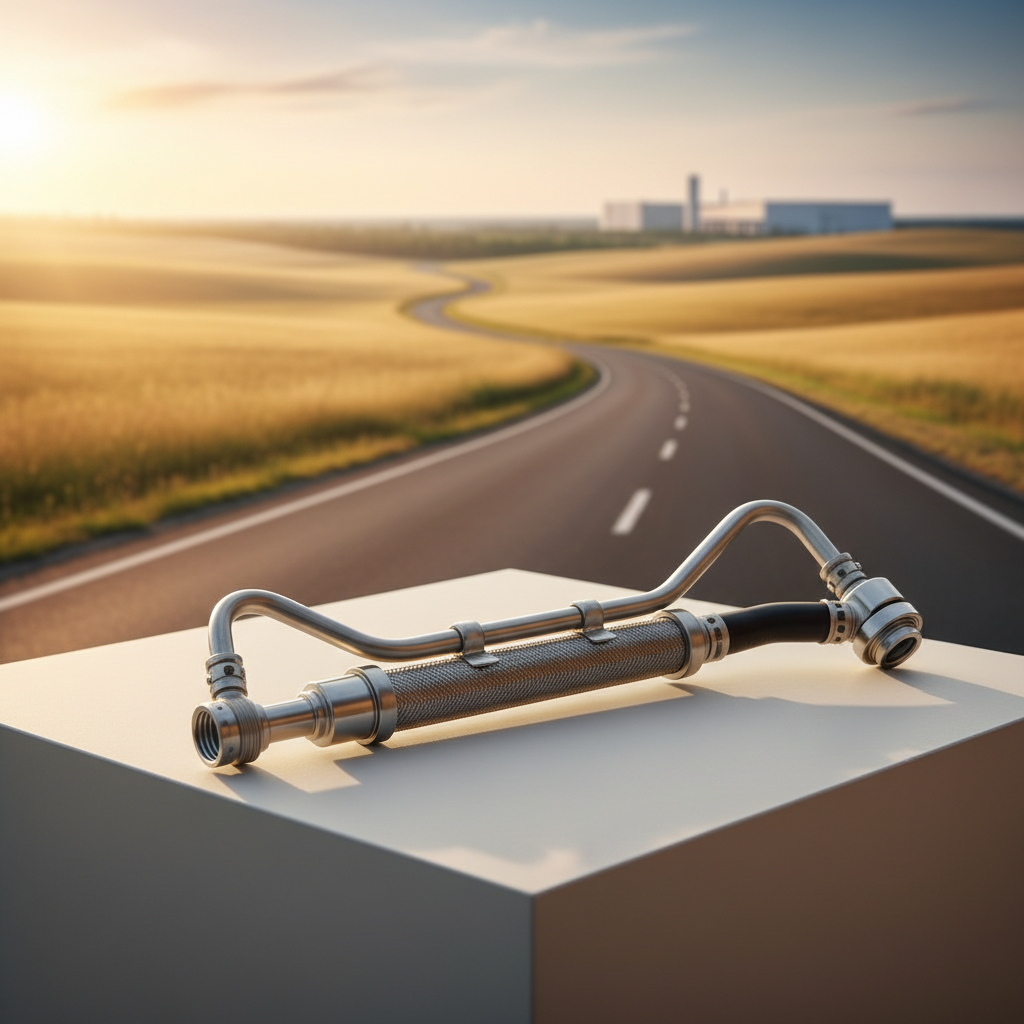
What Do Transmission Oil Coolant Lines Do?
Transmission oil coolant lines are responsible for circulating coolant to the transmission, preventing overheating and ensuring consistent operational temperatures. Modern transmissions generate significant heat, particularly under heavy load. Without effective cooling, the transmission fluid can break down, reducing its lubricating properties and leading to premature wear and failure. These lines connect the transmission to the cooler, typically located near the radiator, enabling the heat exchange process. A properly functioning system extends the life of the transmission and optimizes vehicle performance. They are critical in both automatic and, increasingly, in modern automated manual transmissions.
Key Function: Efficiently transfer coolant to and from the transmission to regulate temperature and prevent overheating, thereby extending the lifespan of the transmission.
Types of Transmission Oil Coolant Lines
Transmission oil coolant lines come in several types, each with its own advantages and applications. Common types include:
- Rubber Hoses: Traditional and cost-effective, but susceptible to cracking and degradation over time.
- Stainless Steel Braided Hoses: Offer increased durability and resistance to wear and tear, ideal for high-pressure applications.
- Plastic/Nylon Hoses: Lightweight and corrosion-resistant, often used in newer vehicle models.
- Aluminum Lines: Provide excellent heat dissipation but can be prone to corrosion in certain environments.
The optimal choice depends on the specific vehicle, the operating conditions, and the desired level of durability. Kemohose offers a diverse range of lines to meet varied requirements.
Materials Used in Transmission Oil Coolant Line Construction
The material used in the construction of transmission oil coolant lines significantly impacts their performance and longevity. Key materials include:
Maintaining Your Transmission Oil Coolant Lines
Regular maintenance is crucial for ensuring the longevity and reliability of transmission oil coolant lines. Key maintenance tasks include:
- Visual Inspections: Regularly check for leaks, cracks, bulges, or other signs of damage.
- Pressure Testing: Periodically test the lines for leaks under pressure.
- Fluid Level Checks: Monitor transmission fluid levels and ensure they are within the recommended range.
- Hose Clamping: Verify that all hose clamps are secure and properly tightened.
Proactive maintenance can prevent costly repairs and extend the life of your transmission. Kemohose provides high-quality replacement lines and expert advice to help you keep your system running smoothly.

Why Choose Kemohose for Your Transmission Oil Coolant Line Needs?
At Kemohose, we specialize in providing high-performance fluid transfer solutions. Our transmission oil coolant lines are manufactured to stringent quality standards, ensuring durability, reliability, and optimal performance. We offer a wide selection of materials and sizes to meet the specific needs of your application. Our commitment to customer satisfaction, combined with our competitive pricing, makes us the ideal partner for all your transmission cooling needs.
Conclusion: Ensuring Transmission Health with Quality Lines
Investing in high-quality transmission oil coolant lines is a crucial step in maintaining the health and longevity of your transmission. By choosing durable, reliable lines and implementing a proactive maintenance schedule, you can prevent costly repairs and ensure optimal vehicle performance. Kemohose is your trusted partner for all your fluid transfer needs.
Frequently Asked Questions (FAQs)
How often should I replace my transmission oil coolant lines?
The replacement frequency depends on several factors, including driving conditions, the type of line material, and the manufacturer's recommendations. Generally, rubber hoses should be inspected annually and replaced every 5-7 years, or sooner if signs of cracking or degradation are observed. Stainless steel braided lines typically have a longer lifespan but should still be inspected periodically for damage. It’s best to consult your vehicle's maintenance manual or a qualified mechanic for specific recommendations. At Kemohose, we advise routine inspections as a preventative measure to avoid more substantial repairs down the line.
What are the signs of a failing transmission oil coolant line?
Several signs can indicate a failing transmission oil coolant line. These include noticeable leaks around the lines or transmission cooler, overheating transmission, slipping gears, or a burning smell. Reduced transmission performance or erratic shifting can also be indicators. If you observe any of these symptoms, it’s crucial to inspect the lines immediately and replace them if necessary. Ignoring these signs can lead to severe transmission damage.
Can I repair a leaking transmission oil coolant line myself?
While minor leaks might be temporarily addressed with repair tape or sealant, it's generally not recommended to attempt a permanent repair on transmission oil coolant lines. These lines operate under pressure and require a secure, leak-proof connection to ensure proper transmission function. Replacing the line entirely is the safest and most reliable solution. If you’re not comfortable working on your vehicle's transmission system, it’s best to seek assistance from a qualified mechanic. Kemohose offers a range of lines and fittings that simplify the replacement process.
What are the benefits of using stainless steel braided lines?
Stainless steel braided transmission oil coolant lines offer superior durability and resistance to wear and tear compared to rubber hoses. They can withstand higher pressures and temperatures, reducing the risk of leaks and failures. The braided construction provides excellent protection against abrasion, impact, and kinking. While more expensive upfront, they offer a longer lifespan and increased reliability, making them a worthwhile investment for demanding applications.
Latest news
-
Transmission Oil Cooler Pipe Maintenance and Selection Guide
NewsApr.16,2026
-
Ultimate Guide to Choosing Transmission Oil Cooler Line Hose
NewsApr.09,2026
-
Essential Guide to Transmission Oil Cooler Hose 5/16 for Vehicle Longevity
NewsApr.07,2026
-
Understanding the Critical Role of Transmission Oil Cooler Hose 1 2 for Vehicle Longevity
NewsApr.04,2026
-
Understanding Transmission Oil Coolant Lines For Optimal Vehicle Performance
NewsMar.31,2026
-
Comprehensive Guide to Oil Coolant Pipe Selection and Industrial Applications
NewsMar.28,2026
 Afrikaans
 Albanian
 Amharic
 Arabic
 Armenian
 Azerbaijani
 Basque
 Belarusian
 Bengali
 Bosnian
 Bulgarian
 Catalan
 Cebuano
 Corsican
 Croatian
 Czech
Czech
 Danish
 Dutch
Dutch
 Esperanto
 Estonian
 Finnish
 French
 Frisian
 Galician
 Georgian
 German
 Greek
Greek
 Gujarati
 Haitian Creole
 Hausa
Hausa
 Hawaiian
 Hebrew
 Hindi
Hindi
 Miao
Miao
 Hungarian
 Icelandic
 Igbo
Igbo
 Indonesian
 Irish
Irish
 Italian
 Japanese
 Javanese
 Kannada
 Kazakh
 Khmer
Khmer
 Rwandese
 Korean
 Kurdish
 Kyrgyz
 Lao
Lao
 Latin
Latin
 Latvian
 Lithuanian
 Luxembourgish
 Macedonian
 Malgashi
 Malay
Malay
 Malayalam
 Maltese
 Maori
Maori
 Marathi
 Mongolian
 Myanmar
 Nepali
 Norwegian
 Norwegian
 Occitan
 Pashto
 Persian
 Polish
 Portuguese
 Punjabi
 Romanian
 Russian
 Samoan
 Scottish Gaelic
 Serbian
 Sesotho
 Shona
Shona
 Sindhi
 Sinhala
 Slovak
 Slovenian
 Somali
 Spanish
 Sundanese
 Swahili
 Swedish
 Tagalog
 Tajik
Tajik
 Tamil
Tamil
 Tatar
Tatar
 Telugu
 Thai
Thai
 Turkish
 Turkmen
 Ukrainian
 Urdu
Urdu
 Uighur
 Uzbek
Uzbek
 Vietnamese
 Welsh
Welsh
 Bantu
Bantu
 Yiddish
 Yoruba
 Zulu
Zulu
 English