
Comprehensive Guide to Oil Coolant Pipe Selection and Industrial Applications
Mar . 28, 2026 02:05 Back to list
Comprehensive Guide to Oil Coolant Pipe Selection and Industrial Applications
Understanding Oil Coolant Pipes: A Comprehensive Guide
Oil coolant pipes are essential components in various industrial applications, playing a critical role in maintaining optimal operating temperatures for machinery. These pipes facilitate the circulation of coolant, preventing overheating and ensuring the longevity of equipment. Choosing the right oil coolant pipe is vital for efficient operation and minimizing downtime. This article delves into the types, materials, applications, and key considerations when selecting these crucial industrial components. Effective thermal management is key to a productive and reliable operation.
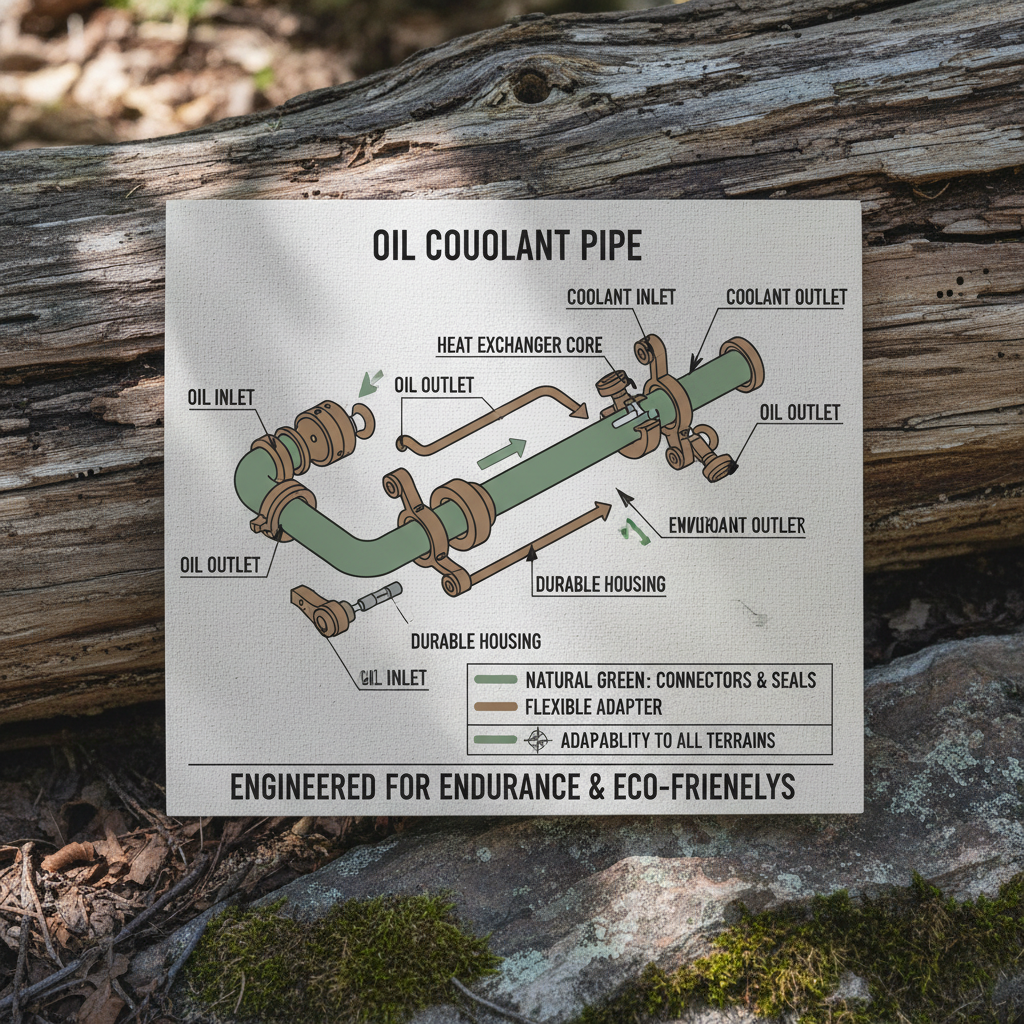
Types of Oil Coolant Pipes
Oil coolant pipes come in various configurations to suit different applications. Common types include straight pipes for direct connections, elbow pipes for changing direction, bellows pipes for absorbing vibration and misalignment, and flexible hoses for dynamic applications. The choice depends on the layout of the cooling system, the space available, and the potential for movement or vibration. Specialized pipes may also incorporate features like internal baffles to improve coolant flow or external insulation to minimize heat loss. Understanding the specific needs of the application is paramount when selecting the appropriate pipe type.
Key Consideration: Selecting the correct pipe configuration ensures efficient coolant flow, minimizes pressure drop, and prevents leaks. It's also important to consider the ease of installation and maintenance when choosing between different types.
Materials Used in Oil Coolant Pipe Construction
The material used in the construction of oil coolant pipes is crucial for its performance and durability. Common materials include stainless steel for its corrosion resistance and high-temperature capabilities, carbon steel for its strength and cost-effectiveness (often with protective coatings), aluminum for its lightweight properties and good thermal conductivity, and specialized polymers like PTFE (Teflon) for applications requiring chemical resistance. The selection of the material must consider the type of coolant being used, the operating temperature, and the potential for exposure to corrosive substances.
Material Selection Benefits:
• Stainless Steel: Excellent corrosion resistance, high temperature tolerance.
• Carbon Steel: High strength, cost-effective, requires protective coating.
• Aluminum: Lightweight, good thermal conductivity.
• PTFE (Teflon): Chemical resistance, suitable for harsh environments.
Key Considerations When Choosing Oil Coolant Pipes
Selecting the right oil coolant pipe involves several key considerations. Pressure rating is paramount, ensuring the pipe can withstand the operating pressure of the cooling system. Temperature range must also be matched to the coolant temperature to avoid material degradation. Chemical compatibility is critical, ensuring the pipe material is resistant to the coolant and any other fluids it may contact. Finally, pipe diameter must be correctly sized to optimize coolant flow and minimize pressure drop. Neglecting any of these factors can lead to system failures and costly downtime.
Applications of Oil Coolant Pipes
Oil coolant pipes find extensive use in a wide variety of industries. They are essential in CNC machines for cooling the spindle and cutting tools, ensuring precision and extending tool life. They are also vital in hydraulic systems, preventing overheating of the hydraulic fluid. Furthermore, they are used in industrial compressors, power generation equipment, and plastic molding machines. Proper coolant circulation is essential for the efficient and reliable operation of these critical industrial processes.

Choosing the Right Supplier: Kemo Hose
Selecting a reputable supplier is critical when sourcing oil coolant pipes. Kemo Hose offers a comprehensive range of high-quality oil coolant pipes, manufactured to stringent standards. We specialize in providing custom solutions to meet specific application requirements, and our experienced team can assist you in selecting the ideal pipe for your needs. Our commitment to quality, reliability, and customer satisfaction makes us a trusted partner for industries worldwide.
Conclusion: Ensuring Optimal Performance with Quality Oil Coolant Pipes
Investing in high-quality oil coolant pipes from a trusted supplier like Kemo Hose is essential for maintaining the efficiency and longevity of your industrial equipment. By carefully considering the type of pipe, material, and key specifications, you can ensure optimal performance and minimize the risk of costly downtime. Don't compromise on quality – choose Kemo Hose for reliable and durable solutions.
Frequently Asked Questions (FAQs)
What is the importance of pressure testing oil coolant pipes?
Pressure testing is crucial to ensure the integrity of oil coolant pipes and prevent leaks. Leaks can lead to reduced cooling efficiency, equipment overheating, and potential damage. Pressure testing involves subjecting the pipe to a pressure exceeding its normal operating pressure to identify any weaknesses or defects. Regular pressure testing is recommended, especially after installation or maintenance. It’s best practice to follow the manufacturer’s guidelines for pressure testing procedures. Ignoring this step can result in unexpected failures and costly downtime.
How often should oil coolant pipes be replaced?
The replacement frequency of oil coolant pipes depends on factors such as operating conditions, coolant type, and material of construction. As a general guideline, inspect pipes regularly for signs of corrosion, wear, or damage. Stainless steel pipes may last longer than carbon steel pipes, but all pipes have a limited lifespan. It’s recommended to replace pipes every 3-5 years, or sooner if any signs of degradation are observed. Following a preventative maintenance schedule can help minimize the risk of unexpected failures.
Can flexible hoses be used in place of rigid pipes?
Flexible hoses can be used in certain applications, particularly where vibration or movement is present. However, they typically have a lower pressure rating and temperature tolerance than rigid pipes. It's crucial to select a hose with the appropriate specifications for the application and ensure it's securely clamped to prevent leaks. While convenient, hoses may be more prone to wear and tear over time compared to rigid pipes. A thorough assessment of the application requirements is essential before opting for a flexible hose.
What are the benefits of using stainless steel pipes?
Stainless steel pipes offer exceptional corrosion resistance, making them ideal for applications involving aggressive coolants or harsh environments. They also have a higher temperature tolerance compared to other materials. While stainless steel is generally more expensive than carbon steel, its durability and longevity can result in lower life-cycle costs. Their resistance to rust and scaling ensures cleaner coolant circulation and prevents contamination of the system.
Latest news
-
Transmission Oil Cooler Pipe Maintenance and Selection Guide
NewsApr.16,2026
-
Ultimate Guide to Choosing Transmission Oil Cooler Line Hose
NewsApr.09,2026
-
Essential Guide to Transmission Oil Cooler Hose 5/16 for Vehicle Longevity
NewsApr.07,2026
-
Understanding the Critical Role of Transmission Oil Cooler Hose 1 2 for Vehicle Longevity
NewsApr.04,2026
-
Understanding Transmission Oil Coolant Lines For Optimal Vehicle Performance
NewsMar.31,2026
-
Comprehensive Guide to Oil Coolant Pipe Selection and Industrial Applications
NewsMar.28,2026
 Afrikaans
 Albanian
 Amharic
 Arabic
 Armenian
 Azerbaijani
 Basque
 Belarusian
 Bengali
 Bosnian
 Bulgarian
 Catalan
 Cebuano
 Corsican
 Croatian
 Czech
Czech
 Danish
 Dutch
Dutch
 Esperanto
 Estonian
 Finnish
 French
 Frisian
 Galician
 Georgian
 German
 Greek
Greek
 Gujarati
 Haitian Creole
 Hausa
Hausa
 Hawaiian
 Hebrew
 Hindi
Hindi
 Miao
Miao
 Hungarian
 Icelandic
 Igbo
Igbo
 Indonesian
 Irish
Irish
 Italian
 Japanese
 Javanese
 Kannada
 Kazakh
 Khmer
Khmer
 Rwandese
 Korean
 Kurdish
 Kyrgyz
 Lao
Lao
 Latin
Latin
 Latvian
 Lithuanian
 Luxembourgish
 Macedonian
 Malgashi
 Malay
Malay
 Malayalam
 Maltese
 Maori
Maori
 Marathi
 Mongolian
 Myanmar
 Nepali
 Norwegian
 Norwegian
 Occitan
 Pashto
 Persian
 Polish
 Portuguese
 Punjabi
 Romanian
 Russian
 Samoan
 Scottish Gaelic
 Serbian
 Sesotho
 Shona
Shona
 Sindhi
 Sinhala
 Slovak
 Slovenian
 Somali
 Spanish
 Sundanese
 Swahili
 Swedish
 Tagalog
 Tajik
Tajik
 Tamil
Tamil
 Tatar
Tatar
 Telugu
 Thai
Thai
 Turkish
 Turkmen
 Ukrainian
 Urdu
Urdu
 Uighur
 Uzbek
Uzbek
 Vietnamese
 Welsh
Welsh
 Bantu
Bantu
 Yiddish
 Yoruba
 Zulu
Zulu
 English