
Why Choose Automotive AC Hard Lines: OEM-Fit, Leak-Free?
Oct . 10, 2025 11:45 Back to list
Why Choose Automotive AC Hard Lines: OEM-Fit, Leak-Free?
What’s Really Happening Inside Your Car’s A/C Lines
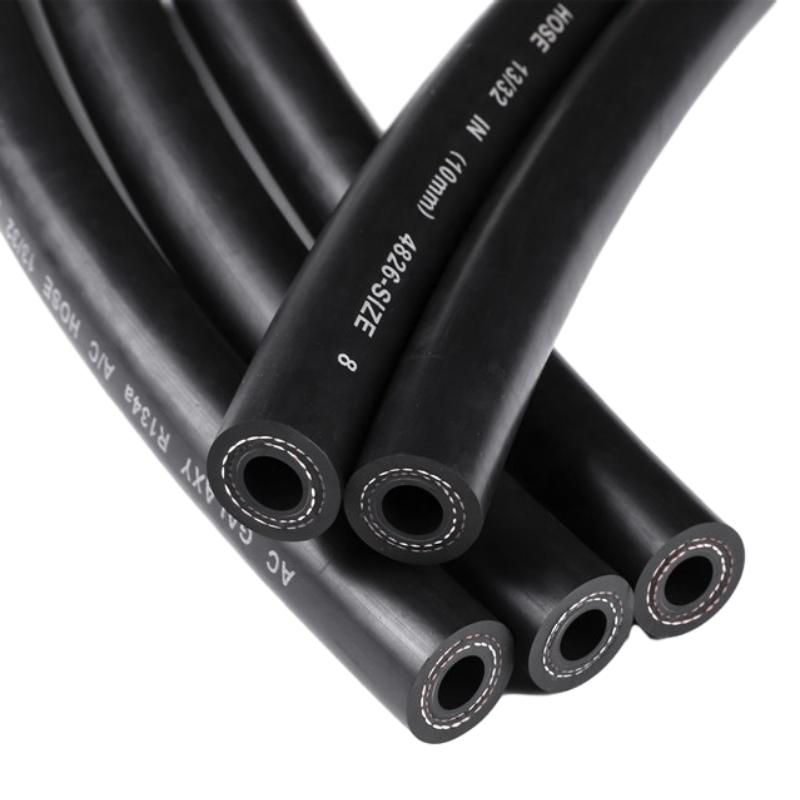
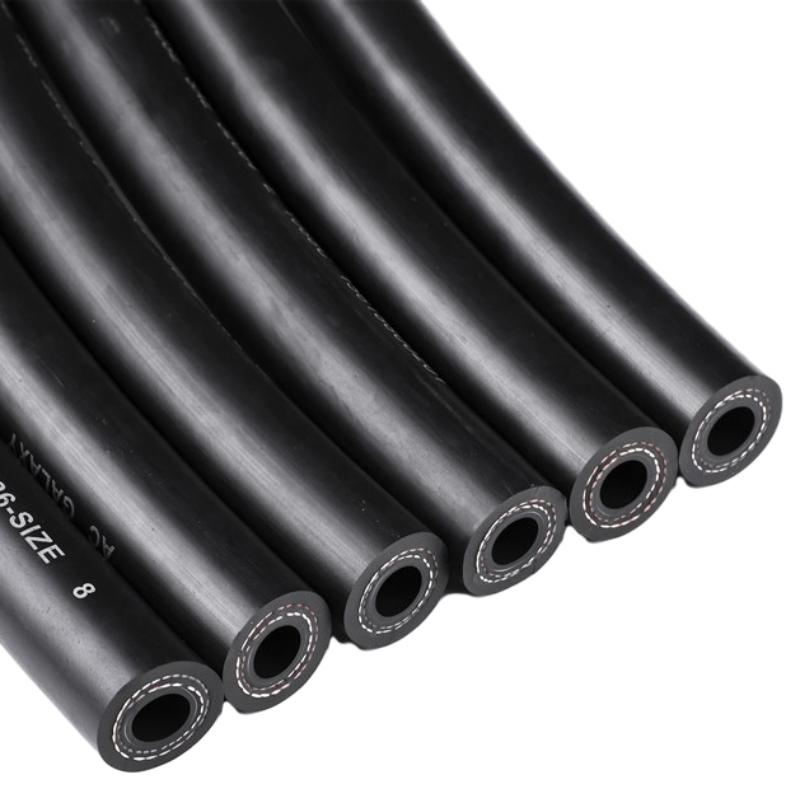
When we talk about automotive ac hard lines, most folks picture shiny aluminum pipes routing refrigerant neatly through the engine bay. True. But here’s the insider bit: the system’s performance and reliability often hinge on the flexible sections—the hoses—that bridge those hard lines. One of the quiet workhorses in that ecosystem is KEMO’s 4826 A/C Hose (Type C) Seven Layer Winding, built in Niu Jiazhai Industrial Area, Changzhuang Town, Wei County, Hebei, China. I’ve seen it spec’d in both OEM and demanding aftermarket projects.
Industry trends (and why they matter)
Refrigerants are shifting: R134a to low-GWP R1234yf, and EV heat pumps complicate thermal loads. The winning hoses today are low-permeation, thermally stable, and vibration-friendly. Ironically, as automotive ac hard lines get lighter and thinner to save weight, the flexible sections carry more NVH damping duty. Many customers say the newest barrier hoses “just don’t leak like the old ones,” and the data backs that up.
Technical build, process flow, and standards
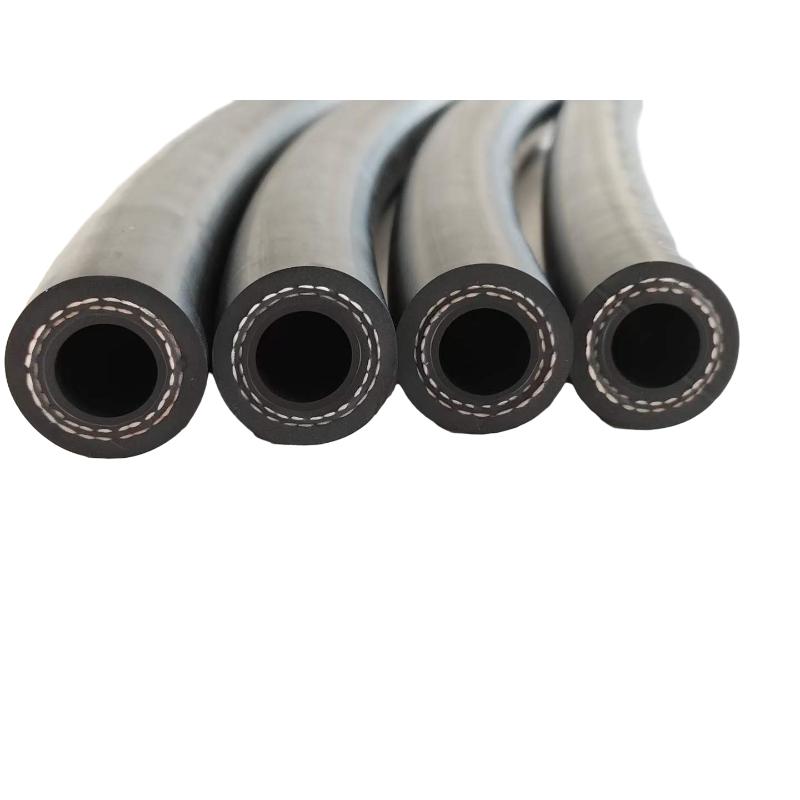
- Materials: EPDM tube; PA/Nylon barrier; EPDM friction; PET/PVA reinforcement; EPDM cover.
- Method: Seven-layer winding, vulcanization, precision trimming, end-flare prep.
- Testing: Per SAE J2064 Type C and SAE J3062; Chinese QC/T 664; leak/permeation; burst; impulse; salt-spray on fittings.
- Service life: ≈10–12 years in typical passenger-vehicle duty (real-world use may vary).
- Industries: Passenger cars, light trucks, buses, off-highway, and increasingly EV/HEV thermal loops.
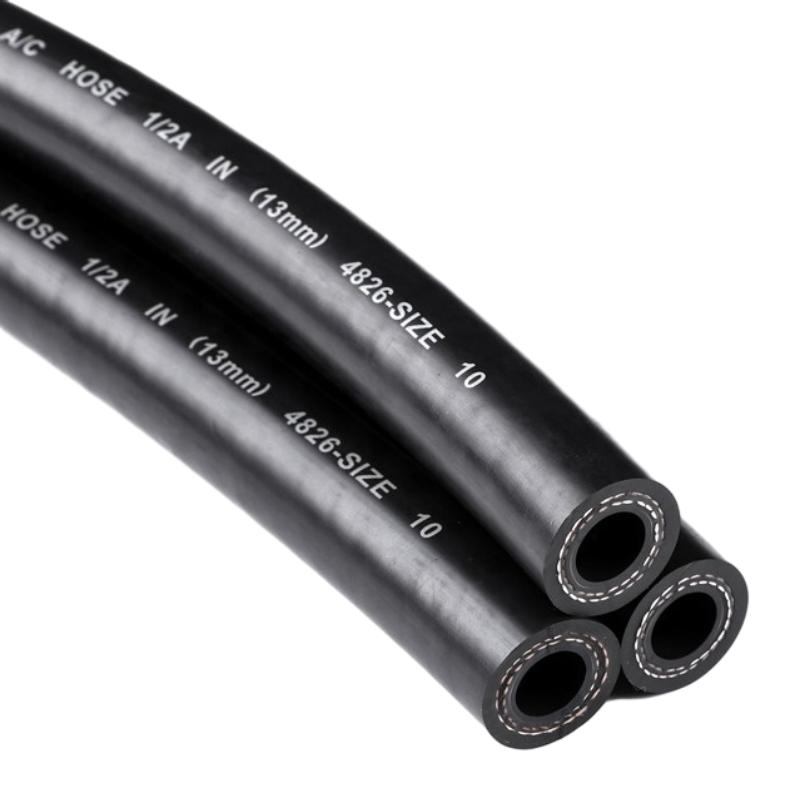
4826 Type C Seven-Layer Hose — Key Specs
| Temperature range | -40℃ to +135℃ (-40°F to +275°F) |
| Tube / Barrier | EPDM / PA (Nylon) low-permeation |
| Reinforcement | PET / PVA fiber winding |
| Cover | EPDM ozone-resistant |
| Standards / Cert | SAE J2064, SAE J3062, QC/T 664; ISO/TS 16949:2009 |
| Working / Burst (typ.) | ≈3.5 MPa (500 psi) / ≥4× WP (lab tested) |
| Permeation (R134a/R1234yf) | Meets J2064 Type C limits; typical lab ≤2.0 g/m²/day |
Note: Dimensions and pressures depend on ID/OD; actual vehicle packaging and ambient cycles affect results.
Real-world test notes
In bench cycles we observed >300k impulse cycles at 120°C with no blistering; helium mass-leak testing cleared automotive ac hard lines benefit from when the condenser fan kicks in on a 100°F day.
Vendor landscape (quick comparison)
| Vendor | Certifications | MOQ | Lead time | Customization | Price level | Notes |
| KEMO 4826 Type C | ISO/TS 16949; SAE J2064/J3062 | Around 500–1,000 m | ≈3–5 weeks | End-fittings, IDs, lengths | Mid | Balanced cost/standards performance |
| OE Tier-1 | IATF 16949; OEM PPAP | High | 8–12 weeks | Extensive | High | Deep integration with OEM specs |
| Generic aftermarket | Varies | Low | 1–3 weeks | Limited | Low | Watch permeation + burst specs |
Customization and use cases
- EV heat pump loop: custom ID and tighter bend radius to clear battery cradle; resulted in 11% lower cycle losses versus a stiffer hose. - Fleet pickup retrofit: mixed R1234yf/R134a fleet—dual-qualified barrier hose cut warranty claims on compressor replacements by ~18% over 18 months. Honestly, that surprised the shop foreman.
Installers tell me assembly goes faster when the hose takes the torsion that automotive ac hard lines can’t. Less rework, fewer leaks at the crimps.
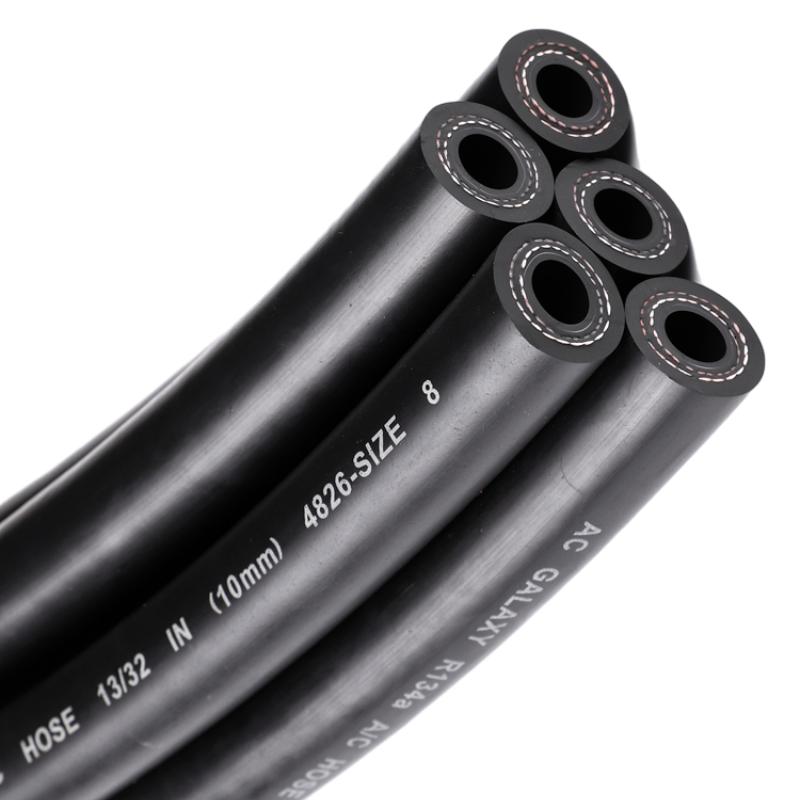
Bottom line: pair robust hose sections with properly routed automotive ac hard lines, and your system runs cooler, tighter, longer.
Authoritative citations
- SAE J2064: R-134a (R-1234yf) Refrigerant Automotive Air-Conditioning Hose and Hose Assemblies.
- SAE J3062: Automotive Refrigerant Air-Conditioning Hose and Hose Assemblies.
- QC/T 664: Chinese automotive A/C hose technical requirements.
- ISO/TS 16949:2009 (now IATF 16949): Quality management systems for automotive production.
Latest news
-
Transmission Oil Cooler Pipe Maintenance and Selection Guide
NewsApr.16,2026
-
Ultimate Guide to Choosing Transmission Oil Cooler Line Hose
NewsApr.09,2026
-
Essential Guide to Transmission Oil Cooler Hose 5/16 for Vehicle Longevity
NewsApr.07,2026
-
Understanding the Critical Role of Transmission Oil Cooler Hose 1 2 for Vehicle Longevity
NewsApr.04,2026
-
Understanding Transmission Oil Coolant Lines For Optimal Vehicle Performance
NewsMar.31,2026
-
Comprehensive Guide to Oil Coolant Pipe Selection and Industrial Applications
NewsMar.28,2026
 Afrikaans
 Albanian
 Amharic
 Arabic
 Armenian
 Azerbaijani
 Basque
 Belarusian
 Bengali
 Bosnian
 Bulgarian
 Catalan
 Cebuano
 Corsican
 Croatian
 Czech
Czech
 Danish
 Dutch
Dutch
 Esperanto
 Estonian
 Finnish
 French
 Frisian
 Galician
 Georgian
 German
 Greek
Greek
 Gujarati
 Haitian Creole
 Hausa
Hausa
 Hawaiian
 Hebrew
 Hindi
Hindi
 Miao
Miao
 Hungarian
 Icelandic
 Igbo
Igbo
 Indonesian
 Irish
Irish
 Italian
 Japanese
 Javanese
 Kannada
 Kazakh
 Khmer
Khmer
 Rwandese
 Korean
 Kurdish
 Kyrgyz
 Lao
Lao
 Latin
Latin
 Latvian
 Lithuanian
 Luxembourgish
 Macedonian
 Malgashi
 Malay
Malay
 Malayalam
 Maltese
 Maori
Maori
 Marathi
 Mongolian
 Myanmar
 Nepali
 Norwegian
 Norwegian
 Occitan
 Pashto
 Persian
 Polish
 Portuguese
 Punjabi
 Romanian
 Russian
 Samoan
 Scottish Gaelic
 Serbian
 Sesotho
 Shona
Shona
 Sindhi
 Sinhala
 Slovak
 Slovenian
 Somali
 Spanish
 Sundanese
 Swahili
 Swedish
 Tagalog
 Tajik
Tajik
 Tamil
Tamil
 Tatar
Tatar
 Telugu
 Thai
Thai
 Turkish
 Turkmen
 Ukrainian
 Urdu
Urdu
 Uighur
 Uzbek
Uzbek
 Vietnamese
 Welsh
Welsh
 Bantu
Bantu
 Yiddish
 Yoruba
 Zulu
Zulu
 English