
Need a Car Heater Hose - High-Temp, Anti-Kink, OEM Fit?
Sep . 30, 2025 12:25 Back to list
Need a Car Heater Hose - High-Temp, Anti-Kink, OEM Fit?
Heater Hose SAE J20R3: An Insider’s Look at What Really Matters
If you work around engine bays long enough, you know the humble car heater hose is the sort of part nobody notices—until it fails. To be honest, most buyers underestimate the spec details that separate a dependable line from a weekend-ruining leak.
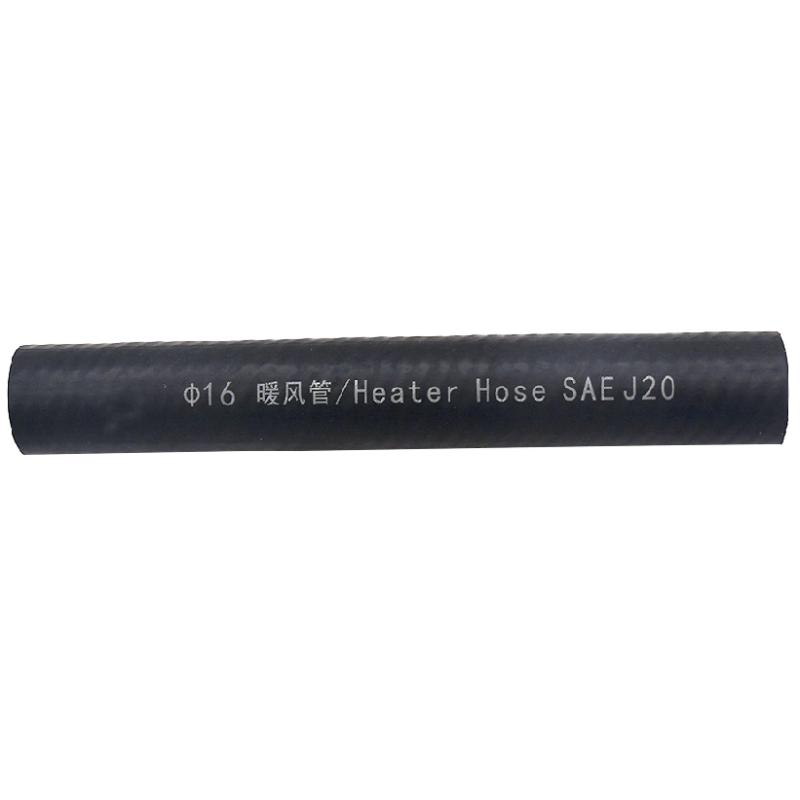
Product at a Glance
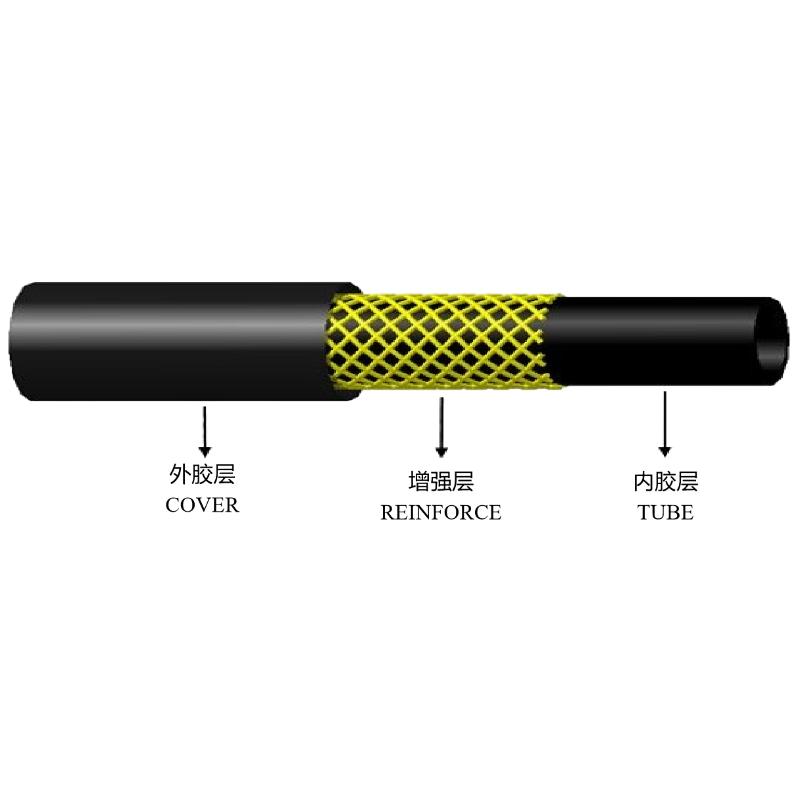
Heater Hose SAE J20R3 from KEMO (origin: Niu Jiazhai Industrial Area, Changzhuang Town, Wei County, Hebei Province, China) focuses on durability in mixed-duty fleets and aftermarket installs. It’s EPDM inside and out with PET textile reinforcement—classic formula because it works.
| Model | Heater Hose SAE J20R3 |
| Tube / Cover | High-quality EPDM rubber |
| Reinforcement | High tensile synthetic textile (PET) |
| Temperature Range | -40℃ ~ +150℃ (-40°F ~ +300°F) |
| Standard | SAE J20R3; ISO/TS 16949:2009 production |
| Typical Working Pressure | ≈0.5–1.0 MPa (75–150 psi), real-world use may vary by size |
| Common IDs | ≈6–25 mm; custom cuts and lengths available |
| Application | Coolant heater circuits; also used in low-pressure ATF cooler/return lines |
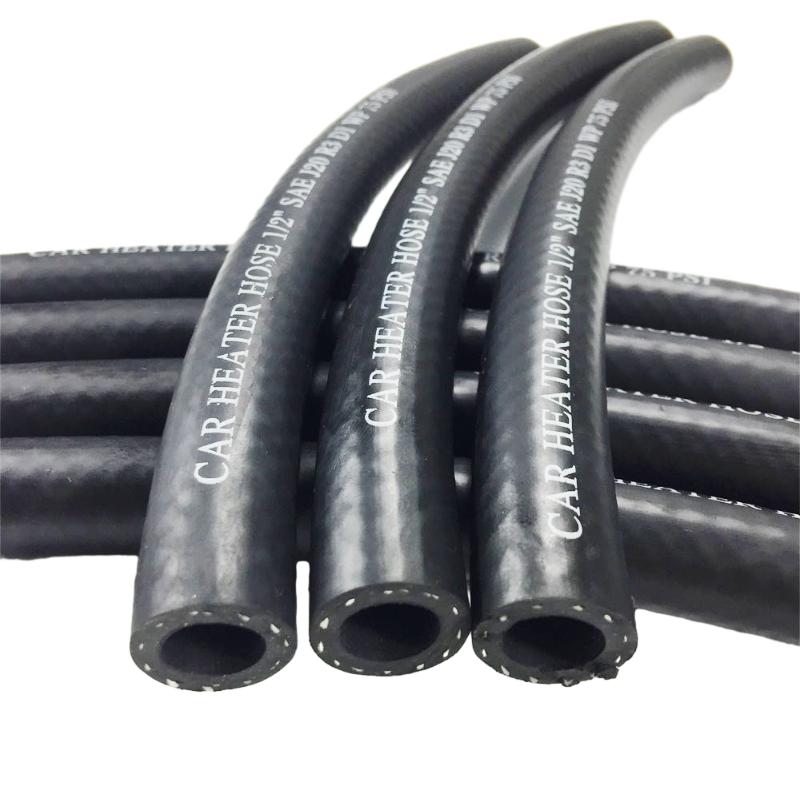
Where it’s used (and why it’s fussy)
You’ll find a car heater hose on passenger cars, light trucks, compact buses, some ag equipment—anywhere coolant or low-pressure transmission oil needs a flexible, heat-stable path. Many customers say EPDM resists coolant additives and ozone better than DIY-grade hoses; I agree. It shows in fewer cracks around the bends after a couple of winters.
Manufacturing and Quality Flow
- Materials: EPDM compound mixing (per ASTM/DIN recipes), PET textile selection.
- Methods: Extrusion of tube → textile braid → EPDM cover extrusion → continuous vulcanization.
- Testing: Dimensional checks; burst/impulse; low-temp flex; heat aging; ozone (ASTM D1149); coolant compatibility; per SAE J20R3.
- Service life: Around 5–8 years or 100k–150k miles in typical fleets; harsh duty shortens that.
- Industries: Aftermarket service centers, OEM Tier-2 assemblies, fleet maintenance, hydraulic ancillary lines.
Example internal test snapshots (representative): burst ≥3× WP; no cracks after 70 h ozone at 40°C/50 pphm; tensile/adhesion within SAE J20 thresholds. Numbers vary by ID and wall, obviously.
Market trends (quick take)
Two things are happening: more bio-extended coolants and longer OEM drain intervals. In fact, the better car heater hose vendors are upgrading EPDM blends for additive compatibility and longer heat-aging performance. Custom pre-formed bends are gaining traction for EV heater loops too.
Vendor comparison (approximate)
| Vendor | Std/Cert | Temp Range | Customization | Lead Time | Notes |
|---|---|---|---|---|---|
| KEMO Heater Hose SAE J20R3 | SAE J20R3; ISO/TS 16949 | -40 to +150℃ | Cuts, IDs, private label | ≈2–4 weeks | Value-focused; solid QC data |
| Global Brand A | SAE J20; IATF 16949 | -40 to +125/150℃ | Broad SKUs, molded | Stock/fast | Premium pricing |
| Brand B | SAE J20 | -35 to +125℃ | Standard lengths | Stock | Good availability |
| Generic Importer | Varies | Unspecified | Limited | Unclear | Check ozone/aging data |
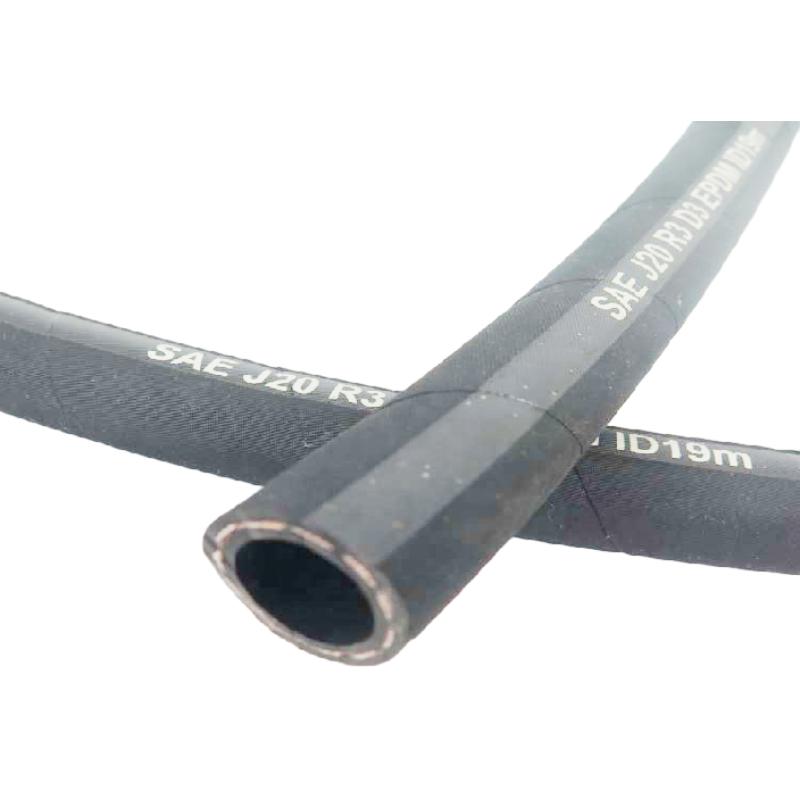
Real-use snapshot
A northern fleet swapped older stock for this car heater hose on vans running extended glycol coolants. After two winters, they reported fewer clamp-area microcracks and less swelling on ATF return lines—nothing flashy, just fewer callbacks. That’s the point.
Customization and documentation
Custom IDs, cut lengths, color stripe, and private labels are common asks. Certificates of Conformance, basic PPAP packs, and lot traceability are available. If you need molded shapes, ask early; tooling lead times sneak up.
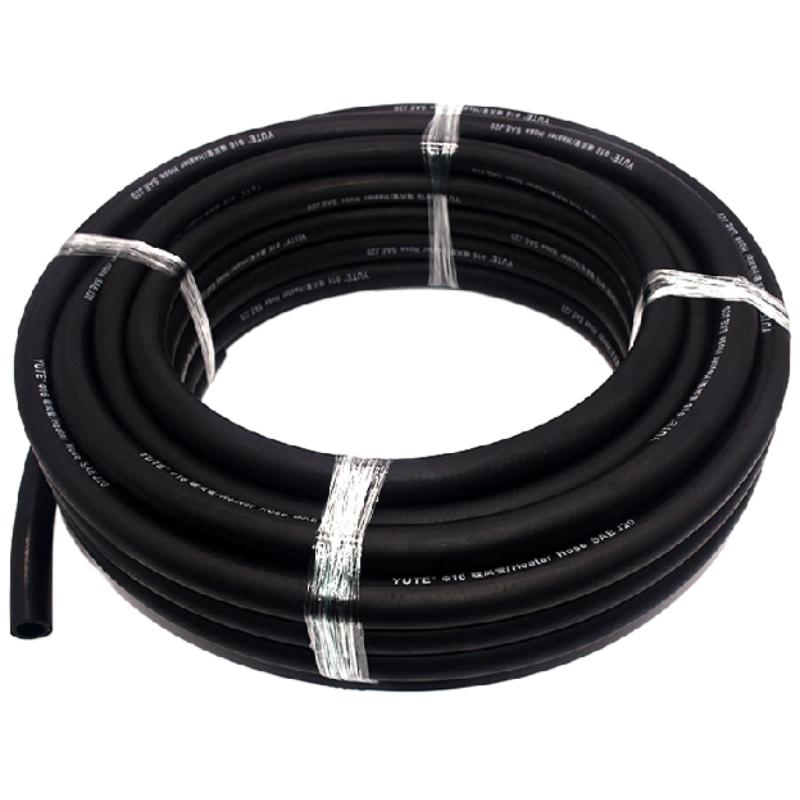
Quick installation notes
- Use proper clamps; avoid serrated cuts on barb.
- Route with generous bend radius; no kinks.
- Flush coolant/ATF; chemical residues can shorten life.
References
- SAE International, SAE J20: Coolant System Hoses (R3 class).
- ISO/TS 16949:2009 (now IATF 16949): Automotive Quality Management Systems.
- ASTM D1149: Rubber Deterioration—Ozone Resistance of Vulcanized Rubber.
- SAE J1532: Transmission Oil Cooler Hose (related ATF return applications).
Latest news
-
Transmission Oil Cooler Pipe Maintenance and Selection Guide
NewsApr.16,2026
-
Ultimate Guide to Choosing Transmission Oil Cooler Line Hose
NewsApr.09,2026
-
Essential Guide to Transmission Oil Cooler Hose 5/16 for Vehicle Longevity
NewsApr.07,2026
-
Understanding the Critical Role of Transmission Oil Cooler Hose 1 2 for Vehicle Longevity
NewsApr.04,2026
-
Understanding Transmission Oil Coolant Lines For Optimal Vehicle Performance
NewsMar.31,2026
-
Comprehensive Guide to Oil Coolant Pipe Selection and Industrial Applications
NewsMar.28,2026
 Afrikaans
 Albanian
 Amharic
 Arabic
 Armenian
 Azerbaijani
 Basque
 Belarusian
 Bengali
 Bosnian
 Bulgarian
 Catalan
 Cebuano
 Corsican
 Croatian
 Czech
Czech
 Danish
 Dutch
Dutch
 Esperanto
 Estonian
 Finnish
 French
 Frisian
 Galician
 Georgian
 German
 Greek
Greek
 Gujarati
 Haitian Creole
 Hausa
Hausa
 Hawaiian
 Hebrew
 Hindi
Hindi
 Miao
Miao
 Hungarian
 Icelandic
 Igbo
Igbo
 Indonesian
 Irish
Irish
 Italian
 Japanese
 Javanese
 Kannada
 Kazakh
 Khmer
Khmer
 Rwandese
 Korean
 Kurdish
 Kyrgyz
 Lao
Lao
 Latin
Latin
 Latvian
 Lithuanian
 Luxembourgish
 Macedonian
 Malgashi
 Malay
Malay
 Malayalam
 Maltese
 Maori
Maori
 Marathi
 Mongolian
 Myanmar
 Nepali
 Norwegian
 Norwegian
 Occitan
 Pashto
 Persian
 Polish
 Portuguese
 Punjabi
 Romanian
 Russian
 Samoan
 Scottish Gaelic
 Serbian
 Sesotho
 Shona
Shona
 Sindhi
 Sinhala
 Slovak
 Slovenian
 Somali
 Spanish
 Sundanese
 Swahili
 Swedish
 Tagalog
 Tajik
Tajik
 Tamil
Tamil
 Tatar
Tatar
 Telugu
 Thai
Thai
 Turkish
 Turkmen
 Ukrainian
 Urdu
Urdu
 Uighur
 Uzbek
Uzbek
 Vietnamese
 Welsh
Welsh
 Bantu
Bantu
 Yiddish
 Yoruba
 Zulu
Zulu
 English