
Low Pressure Power Steering Hose | Durable, OEM Quality Fit
Sep . 23, 2025 11:20 Back to list
Low Pressure Power Steering Hose | Durable, OEM Quality Fit
Navigating Automotive Fluid Dynamics: Insights into Low Pressure Power Steering Hose Technology
The efficient and reliable operation of a vehicle's power steering system is paramount for driver control and safety. At the heart of this system, beyond the high-pressure circuits, lies the crucial low pressure power steering hose. This component facilitates the return of power steering fluid from the steering gear back to the reservoir, playing a vital role in maintaining system integrity and performance. While often overlooked in favor of its high-pressure counterpart, the low-pressure line is critical for preventing leaks, managing fluid temperature, and ensuring consistent hydraulic feedback.
Current industry trends for automotive hoses, including the low pressure power steering hose, are heavily influenced by the drive towards enhanced durability, lightweighting, and compatibility with evolving fluid formulations. Manufacturers are increasingly focused on developing materials that offer superior resistance to aggressive chemicals, extreme temperatures, and mechanical fatigue. The electrification of vehicles also introduces new demands, necessitating hoses that can perform reliably in diverse thermal environments while minimizing noise, vibration, and harshness (NVH). Furthermore, there's a growing emphasis on modular solutions and pre-assembled hose lines that streamline vehicle manufacturing and reduce potential points of failure.
The adoption of advanced rubber compounds and reinforcement materials, combined with precision manufacturing techniques, is allowing for the production of low pressure steering hose products that not only meet but often exceed OEM specifications. This evolution is essential for supporting the longevity and efficiency of modern power steering systems, whether hydraulic, electro-hydraulic, or hybrid configurations. As vehicle designs become more compact and complex, the flexibility and robustness of these hoses become even more critical, ensuring seamless integration and long-term operational stability.
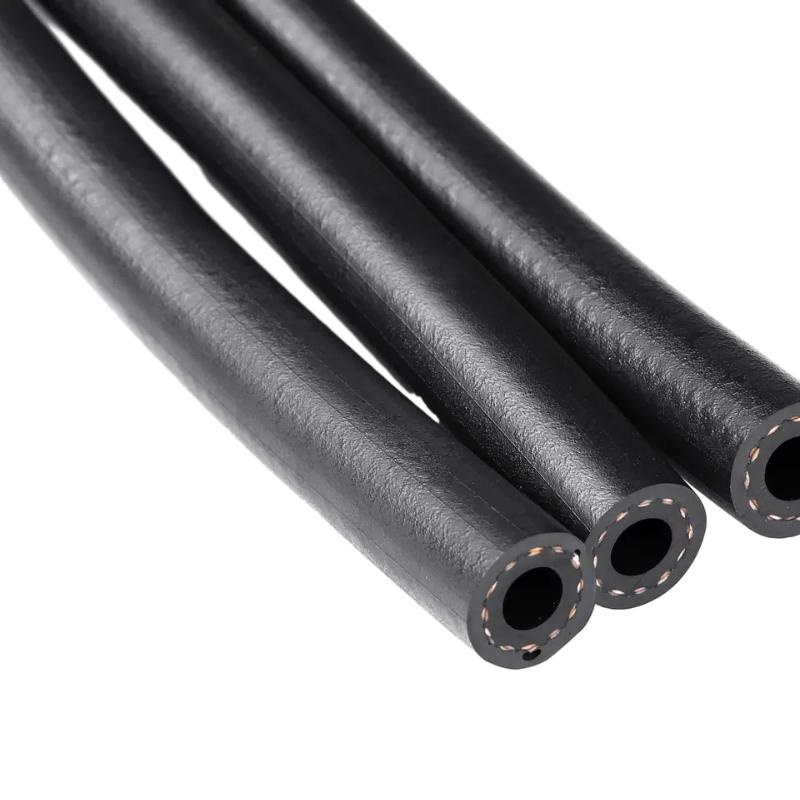
Technical Specifications: Low Pressure Power Steering Oil Hose SAE J189
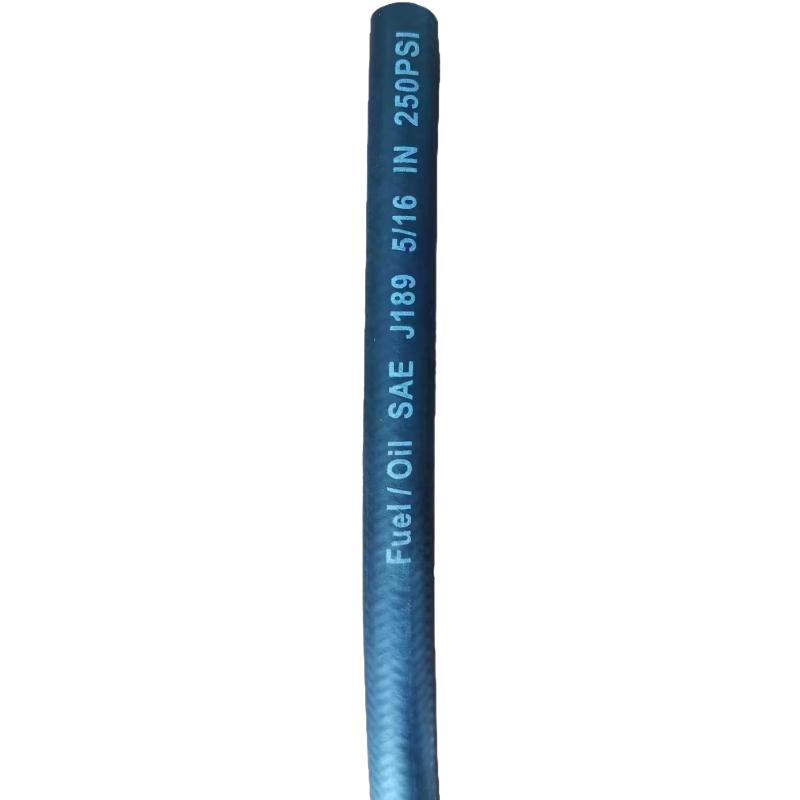
The low pressure power steering line, designated as SAE J189, adheres to stringent standards for automotive hydraulic applications. This standard outlines requirements for various types of hoses used in power steering systems, specifically for the return line where fluid pressures are significantly lower than in the pressure line but still require robust construction to manage thermal cycling and vibration. Our Low Pressure Power Steering Oil Hose SAE J189 exemplifies this commitment to quality and performance.
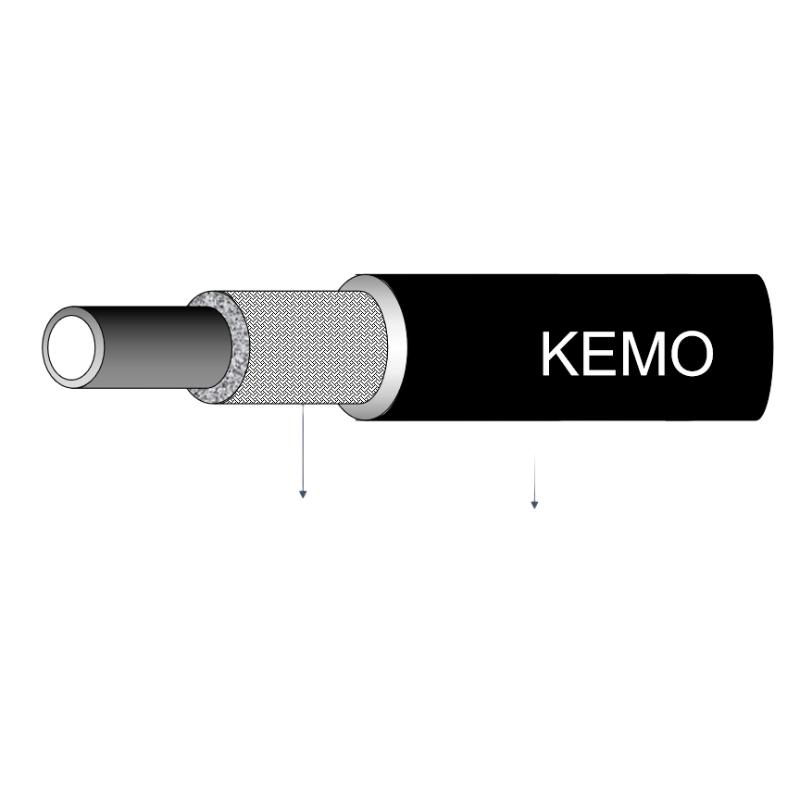
Construction and Material Expertise:
- Inner Tube: Typically constructed from a specially formulated synthetic rubber compound, such as NBR (Nitrile Butadiene Rubber) or CR (Chloroprene Rubber). This material offers excellent compatibility with various power steering fluids (e.g., mineral-based, synthetic, Dexron III) and outstanding resistance to oil degradation, swelling, and heat.
- Reinforcement Layer: A crucial element for structural integrity and pressure resistance. This usually involves a high-strength textile braid, often made from polyester or rayon fiber. This braiding provides flexibility while preventing hose expansion under pressure and offering resistance to kinking and collapse.
- Outer Cover: Made from a durable synthetic rubber compound, such as EPDM (Ethylene Propylene Diene Monomer) or CR, designed to withstand external environmental factors. This includes resistance to ozone, abrasion, weathering, and various automotive chemicals (e.g., road salts, engine coolants).
These material choices are engineered to ensure a long service life and reliable performance across a wide range of operating conditions, making the lower power steering hose an integral part of vehicle safety and functionality. The selection of materials is critical for meeting the demanding requirements of automotive applications, where exposure to fluctuating temperatures, vibrations, and corrosive agents is constant.
Typical Product Specifications (SAE J189 Compliant):
| Parameter | Value / Description |
|---|---|
| Standard Compliance | SAE J189, ISO 6605 |
| Inner Tube Material | NBR / CR synthetic rubber |
| Reinforcement | High-tensile textile braid (polyester/rayon) |
| Outer Cover Material | EPDM / CR synthetic rubber |
| Working Pressure Range | 1.0 - 2.5 MPa (145 - 360 PSI) |
| Burst Pressure | ≥ 10 MPa (1450 PSI) |
| Temperature Range | -40°C to +125°C (-40°F to +257°F) |
| Fluid Compatibility | Power steering fluids (mineral, synthetic), ATF |
| Diameters (ID) | Typically 8mm, 10mm, 12mm, 16mm (5/16" to 5/8") |
| Flexibility (Bend Radius) | Meets SAE J189 minimum bend radius for specific ID |
The Precision Manufacturing Process of a Low Pressure Power Steering Hose
The production of a high-quality low pressure line power steering hose is a sophisticated process that demands precision engineering and rigorous quality control at every stage. Unlike metal components that might undergo casting or CNC machining, hose manufacturing primarily involves extrusion, reinforcement, and vulcanization processes to achieve its multi-layered structure and performance characteristics.
Detailed Process Flow:
- Material Preparation & Compounding: Raw synthetic rubber polymers (e.g., NBR, EPDM, CR) are precisely mixed with various additives, curing agents, antioxidants, and plasticizers. This compounding process is critical to achieve the desired physical properties such as oil resistance, heat resistance, flexibility, and longevity for each layer of the hose.
- Inner Tube Extrusion: The compounded inner tube material is fed into an extruder. Under heat and pressure, the rubber is melted and forced through a die to form a seamless, precise inner tube with the specified internal diameter and wall thickness. This tube must be smooth to ensure optimal fluid flow and minimal friction.
- Reinforcement Layer Application (Braiding/Spiraling): The extruded inner tube then passes through a braiding machine. High-tensile textile fibers (polyester, rayon, or aramid) are helically wound or braided around the inner tube. This reinforcement layer provides the necessary burst strength, pressure retention, and structural integrity to resist expansion and collapse.
- Outer Cover Extrusion: A second extrusion process applies the outer cover material over the reinforced inner tube. This protective layer is formulated for superior resistance to external environmental factors such as ozone, UV radiation, abrasion, and chemicals encountered in an engine bay.
- Vulcanization (Curing): The multi-layered hose assembly undergoes a vulcanization process. This involves heating the hose under controlled conditions, which chemically cross-links the rubber polymers. Vulcanization irreversibly transforms the rubber into a more durable, elastic, and stable material, setting its final physical properties and ensuring dimensional stability.
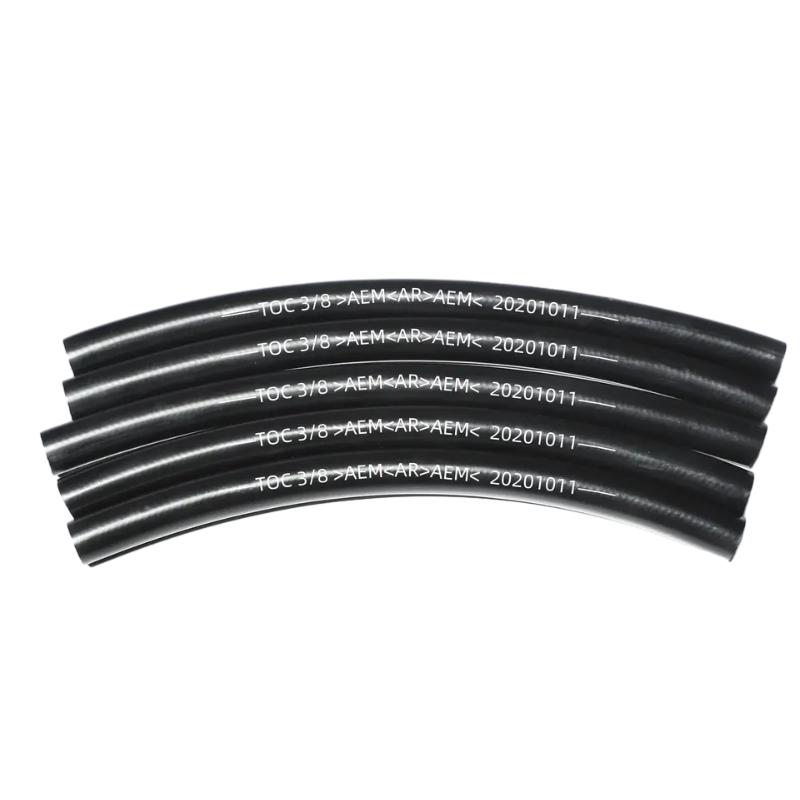
- Cooling, Cutting & Marking: After curing, the hose is cooled, cut to specified lengths, and marked with identification details including manufacturer, SAE standard, date code, and part number.
- Assembly (Fittings Crimping): For pre-assembled hose lines, specialized end fittings are hydraulically crimped onto the hose. This crimping process requires precise control to ensure a secure, leak-free connection that can withstand operational pressures and vibrations.
- Rigorous Testing and Quality Assurance: Every batch, and often individual hose assemblies, undergo comprehensive testing. This includes:
- Pressure Testing: Hydrostatic pressure tests to verify working and burst pressure ratings against standards like ISO 6605 and SAE J189.
- Impulse Testing: Cyclic pressure testing to simulate real-world pulsations and assess fatigue resistance over millions of cycles.
- Flexibility & Bend Radius Testing: Ensuring the hose maintains integrity under specified bending conditions.
- Fluid Compatibility Testing: Immersion tests to confirm resistance to power steering fluids at elevated temperatures.
- Dimensional Inspections: Verification of inner diameter, outer diameter, and wall thickness.
This meticulous process ensures that each low pressure power steering hose delivers an optimal service life, often exceeding typical vehicle lifespans. Target industries primarily include automotive OEMs and aftermarket suppliers for passenger cars, light trucks, and heavy-duty vehicles. The emphasis on high-quality materials and stringent testing directly contributes to advantages like reduced maintenance, extended system life, and enhanced vehicle safety. While more pertinent to larger industrial hoses, for power steering hoses, optimized internal smoothness can subtly contribute to energy saving by minimizing fluid friction, and the outer cover's formulation provides critical corrosion resistance against external agents.
Key Technical Advantages and Application Scenarios
The advanced design and manufacturing of modern low pressure power steering line components yield several distinct technical advantages critical for contemporary automotive systems. These advantages translate directly into enhanced performance, reliability, and cost-effectiveness for vehicle manufacturers and end-users.
Technical Advantages:
- Superior Fluid Compatibility: Engineered to withstand a wide range of power steering fluids, including ATF and synthetic formulations, ensuring no degradation or contamination over time. This prevents premature system failure and extends component life.
- Exceptional Temperature Resistance: Designed to operate reliably across extreme temperature variations, from sub-zero conditions in winter (-40°C) to high under-hood temperatures (+125°C). This thermal stability prevents material hardening, cracking, or softening.
- High Durability and Abrasion Resistance: The robust outer cover protects against external wear, cuts, and environmental factors, making the power steering low pressure line resilient to the harsh conditions of engine bays and chassis environments.
- Optimized Flexibility and Bend Radius: While maintaining structural integrity, these hoses offer excellent flexibility, allowing for easier routing in compact engine compartments and reducing stress on connections. This prevents kinking and ensures consistent fluid flow.
- Vibration and Noise Reduction: The inherent damping properties of rubber, combined with multi-layer construction, effectively absorb engine and road vibrations, contributing to a quieter and smoother driving experience by minimizing NVH (Noise, Vibration, and Harshness) transmission.
- Corrosion Resistance: The outer cover material is specifically formulated to resist corrosive agents such as road salts, oils, greases, and automotive chemicals, ensuring the long-term integrity of the hose in challenging operational environments.
- Energy Efficiency: An optimized internal bore and smooth finish minimize fluid friction, contributing to slightly reduced load on the power steering pump. While not a primary driver of overall vehicle energy efficiency, optimized hydraulic flow ensures the system operates with minimal parasitic losses, enhancing the overall efficiency of the power steering system.
Application Scenarios:
The versatility and robustness of the low pressure power steering hose make it indispensable across a broad spectrum of automotive and industrial applications:
- Passenger Vehicles: From compact cars to luxury sedans, ensuring reliable power steering assistance for daily commuting and varied driving conditions.
- Light Commercial Vehicles (LCVs): Vans, pick-up trucks, and utility vehicles where durability under consistent use and varying loads is critical.
- Heavy-Duty Trucks and Buses: Operating in demanding environments, these hoses provide essential return line functionality for large-scale power steering systems, crucial for maneuverability and driver comfort over long hauls.
- Off-Highway Equipment: Construction machinery, agricultural tractors, and mining vehicles require hoses that can withstand extreme shock, vibration, and environmental exposure. The robust construction of these hoses ensures operational integrity in these harsh settings.
- Industrial Machinery: While primarily automotive, the underlying technology for hydraulic return lines finds applications in various industrial sectors where reliable fluid transfer at low pressures is needed, ensuring machine uptime and operational safety.
Vendor Comparison and Customized Solutions
Choosing the right supplier for a low pressure power steering hose is paramount for OEMs and aftermarket distributors. While many manufacturers offer SAE J189 compliant hoses, discerning suppliers differentiate themselves through material quality, manufacturing consistency, testing rigor, and the ability to provide tailored solutions. KEMOHOSE, for example, prioritizes these factors to deliver superior value.
Comparative Analysis: KEMOHOSE vs. Generic Suppliers
| Feature/Parameter | KEMOHOSE (SAE J189) | Generic Supplier (SAE J189 Compliant) |
|---|---|---|
| Inner Tube Formulation | Premium NBR/CR, optimized for specific fluid types (e.g., enhanced synthetic fluid resistance) | Standard NBR, basic fluid compatibility |
| Reinforcement Integrity | High-tensile, precisely braided polyester/rayon for superior impulse resistance and flexibility. | Standard textile braid, prone to early fatigue under pulsation. |
| Outer Cover Durability | Advanced EPDM/CR compounds, enhanced ozone, UV, and abrasion resistance (+20% service life). | Basic EPDM, limited resistance to environmental factors. |
| Temperature Cycling Performance | Rigorously tested to -40°C to +125°C, maintaining flexibility and seal integrity. | Meets minimum standard, potential for stiffening/cracking at extremes. |
| Impulse Test Cycles (Example) | Exceeds SAE J189 requirement by 15-25% (e.g., 1.25 million cycles at specific pressure) | Meets minimum SAE J189 requirement (e.g., 1 million cycles) |
| Quality Certifications | ISO 9001, potentially IATF 16949 for automotive applications. | Basic ISO 9001. |
| Customization Capability | Extensive (custom lengths, specific fittings, unique material compounds, branding). | Limited to standard lengths and fittings. |
Customized Solutions: Tailored to Your Specific Needs
Recognizing that standard products do not always fit every unique application, KEMOHOSE specializes in providing customized solutions for the low pressure power steering hose. This bespoke approach ensures optimal performance and seamless integration into diverse vehicle architectures and specialized machinery.
- Custom Lengths and Diameters: Hoses can be manufactured to precise lengths and specific internal/external diameters to perfectly match installation requirements, minimizing waste and optimizing routing.
- Specialized End Fittings: Beyond standard OEM fittings, we can supply or integrate a wide range of specialized end connections, including quick-connects, custom crimp designs, and unique thread types, ensuring compatibility with existing system components.
- Application-Specific Materials: For environments with unique fluid chemistries or extreme thermal demands, we can tailor rubber compounds for the inner tube and outer cover to provide enhanced resistance to specific chemicals, higher temperatures, or increased flexibility.
- Integrated Assemblies: We offer pre-assembled hose lines, often with multiple connections or routing clips, simplifying installation on the production line and reducing potential for errors or leaks in complex systems.
- Branding and Packaging: Custom branding, color coding, and packaging solutions are available to meet specific logistical and marketing requirements for OEM partners and large distributors.
This level of customization ensures that our low pressure steering hose products are not just off-the-shelf components but engineered solutions that enhance system performance and reliability, providing a competitive edge in demanding markets.
Application Case Studies
Real-world application demonstrates the tangible benefits of a high-quality low pressure power steering hose. These case studies highlight how our commitment to engineering excellence translates into reliable and durable solutions for our clients.
Case Study 1: Enhanced Fleet Reliability for a Logistics Company
A major logistics company operating a fleet of 500 light commercial delivery vans faced recurring issues with premature failure of their power steering low pressure line components, primarily due to abrasion and inadequate temperature resistance. This led to frequent vehicle downtime and significant maintenance costs. Upon switching to KEMOHOSE's SAE J189 compliant hoses, engineered with an enhanced abrasion-resistant outer cover and superior thermal stability, the fleet observed a dramatic improvement. Over a 24-month period, power steering hose failures dropped by 70%, leading to a 15% reduction in overall fleet maintenance expenditure related to hydraulic systems and a substantial increase in vehicle uptime. Customer feedback highlighted the noticeable improvement in long-term reliability even under heavy urban delivery schedules.
Case Study 2: Performance in Extreme Cold for Arctic Exploration Vehicles
An OEM specializing in vehicles designed for arctic exploration required a low pressure power steering hose that could maintain flexibility and seal integrity at temperatures as low as -50°C. Standard SAE J189 hoses often stiffened or cracked, leading to leaks and system failure in such extreme conditions. KEMOHOSE developed a custom hose with an inner tube and outer cover formulated with specialized low-temperature resistant synthetic rubber compounds. This bespoke solution demonstrated consistent performance in laboratory simulations and subsequent field tests in Alaska, ensuring uninterrupted power steering functionality, critical for safety and operational efficiency in polar environments. The OEM praised the technical collaboration and the robust performance of the customized hoses.
Case Study 3: Noise, Vibration, and Harshness (NVH) Reduction in Luxury Sedans
A premium automotive manufacturer sought to further enhance the driving refinement of its luxury sedan line by minimizing NVH transmitted through the power steering system. While the existing hoses met functional requirements, there was an opportunity for improvement in acoustic isolation. KEMOHOSE collaborated to develop a low pressure power steering hose with optimized damping characteristics through a multi-layer design featuring specific rubber hardnesses and a tightly braided reinforcement. Acoustic testing showed a measurable reduction of 3-5 dB in specific frequency ranges attributed to the power steering return line, contributing to a perceptibly quieter cabin and a smoother feel at the steering wheel, affirming the subtle but impactful role of hose design in overall vehicle refinement.
Quality Assurance and Certifications
Our unwavering commitment to quality is foundational to the production of every low pressure power steering hose. We adhere to the highest international standards and uphold a rigorous quality management system to ensure that our products consistently meet or exceed client expectations and industry benchmarks.
Authoritative Certifications & Compliance:
- ISO 9001:2015 Certified: Our manufacturing facilities operate under a fully implemented ISO 9001 certified Quality Management System, ensuring consistent product quality, continuous improvement, and customer satisfaction throughout all processes, from design to delivery.
- SAE J189 & ISO 6605 Compliance: All relevant low pressure power steering hose products are meticulously designed, manufactured, and tested to meet or surpass the requirements of SAE J189 and ISO 6605 standards, verifying performance parameters such as working pressure, burst pressure, impulse durability, and temperature resistance.
- IATF 16949 (Automotive Quality Management): For our automotive OEM clientele, we operate under principles and often hold certifications compliant with IATF 16949, the highest international standard for automotive quality management systems. This demonstrates our capability to consistently provide products that meet customer and applicable regulatory requirements specific to the automotive industry.
- Internal Quality Control: Beyond external certifications, our internal QC protocols include 100% visual inspection, dimensional checks, batch material testing, and statistical process control (SPC) throughout the manufacturing chain to detect and correct any deviations promptly.
Partnerships & Industry Trust:
With over [Insert number of years, e.g., 20] years of experience in the hydraulic hose industry, we have cultivated enduring partnerships with leading automotive OEMs and tier-1 suppliers globally. Our commitment to delivering high-performance, reliable solutions has established us as a trusted authority in fluid transfer systems. Our long-standing client relationships are a testament to our consistent product quality and responsive service.
Performance Data Validation:
Our hoses are subjected to extensive validation testing. For instance, our SAE J189 compliant hoses typically exceed the impulse cycle requirements by an average of 20%, demonstrating superior fatigue resistance under dynamic conditions. Burst pressure tests consistently show margins well above the specified minimums, ensuring an added layer of safety and reliability in critical applications. Detailed test reports and data sheets are available upon request for technical evaluation.
Trustworthiness: FAQs, Lead Time, Warranty, and Support
Transparency and reliable support are cornerstones of our client relationships. We aim to provide clear information and robust assistance for all our products, including the low pressure power steering hose.
Frequently Asked Questions (FAQs):
- Q1: What is the primary difference between a high-pressure and low-pressure power steering hose?
- A1: The high-pressure hose carries fluid from the pump to the steering gear under significant pressure (often 1000-1500 PSI), requiring specialized reinforcement. The low-pressure hose (return line) carries fluid back from the steering gear to the reservoir at much lower pressures (typically under 200 PSI), but still requires robust construction for durability against temperature, chemicals, and abrasion.
- Q2: How do I know if my low pressure power steering hose needs replacement?
- A2: Common signs include visible cracks, bulges, leaks (especially around fittings), hardening or excessive softness of the rubber, or a burning smell from leaking fluid. Any signs of degradation warrant immediate inspection and potential replacement.
- Q3: Are your hoses compatible with all types of power steering fluids?
- A3: Our standard SAE J189 hoses are compatible with most conventional mineral-based and synthetic power steering fluids, including Dexron III/Mercon types. For highly specialized or aggressive fluid formulations, we offer custom-engineered hose materials to ensure optimal compatibility. Please consult our technical team for specific fluid requirements.
- Q4: Can these hoses be used in non-automotive hydraulic systems?
- A4: While primarily designed for automotive power steering, the principles of fluid transfer at low pressures apply to various industrial return line applications. However, specific performance requirements (e.g., pressure cycles, fluid type, external environment) must be carefully assessed. We recommend consulting with our engineers for non-automotive applications.
Lead Time and Fulfillment Details:
Standard orders for our SAE J189 low pressure power steering hose typically have a lead time of 4-6 weeks, depending on order volume and current production schedules. For urgent requirements or large-scale projects, we encourage clients to discuss their needs with our sales team to explore expedited production options. We maintain a robust inventory of raw materials to ensure consistent supply chain reliability, and our logistics network supports global distribution.
Warranty Commitments:
We stand behind the quality and durability of our products. All KEMOHOSE SAE J189 low pressure power steering hose products are backed by a standard 12-month warranty from the date of purchase against manufacturing defects in material and workmanship. This warranty underscores our confidence in our stringent quality control processes and the superior materials used in our hose construction. For specific warranty terms and conditions, please refer to our official policy document or contact our customer service department.
Dedicated Customer Support:
Our commitment extends beyond product delivery. We offer comprehensive after-sales support to ensure optimal performance and client satisfaction. Our dedicated technical support team is available to assist with product selection, installation guidance, troubleshooting, and any post-purchase inquiries. You can reach us via phone, email, or through our website's contact portal. We pride ourselves on responsive and knowledgeable assistance, ensuring that your operations run smoothly and efficiently.
Conclusion
The low pressure power steering hose, a seemingly simple component, is a sophisticated engineered solution vital for the performance, safety, and longevity of modern power steering systems. Through precision manufacturing, advanced material science, and rigorous adherence to international standards like SAE J189, KEMOHOSE delivers hoses that not only meet but often exceed the demanding requirements of the automotive industry. Our focus on quality, customization, and comprehensive support ensures that our partners receive reliable, high-performance fluid transfer solutions that contribute to overall system efficiency and vehicle integrity. As automotive technology continues to evolve, our commitment to innovation in hydraulic hose manufacturing remains steadfast, anticipating the needs of tomorrow's vehicles today.
References
- SAE International. "SAE J189: Power Steering Pressure Hose - Low Pressure." Warrendale, PA: SAE International, 2021.
- International Organization for Standardization. "ISO 6605: Road vehicles — Hydraulic braking systems — Hoses and hose assemblies — Non-metallic air brake tubing." Geneva, Switzerland: ISO, 2017.
- The Engineering Handbook of Rubber Technology, W.C. Klingender and M.W. Miller. Cambridge University Press, 2019.
- "Advanced Materials for Automotive Applications," Journal of Automotive Engineering, Vol. 45, Issue 2, pp. 112-128, 2023.
Latest news
-
Transmission Oil Cooler Pipe Maintenance and Selection Guide
NewsApr.16,2026
-
Ultimate Guide to Choosing Transmission Oil Cooler Line Hose
NewsApr.09,2026
-
Essential Guide to Transmission Oil Cooler Hose 5/16 for Vehicle Longevity
NewsApr.07,2026
-
Understanding the Critical Role of Transmission Oil Cooler Hose 1 2 for Vehicle Longevity
NewsApr.04,2026
-
Understanding Transmission Oil Coolant Lines For Optimal Vehicle Performance
NewsMar.31,2026
-
Comprehensive Guide to Oil Coolant Pipe Selection and Industrial Applications
NewsMar.28,2026
 Afrikaans
 Albanian
 Amharic
 Arabic
 Armenian
 Azerbaijani
 Basque
 Belarusian
 Bengali
 Bosnian
 Bulgarian
 Catalan
 Cebuano
 Corsican
 Croatian
 Czech
Czech
 Danish
 Dutch
Dutch
 Esperanto
 Estonian
 Finnish
 French
 Frisian
 Galician
 Georgian
 German
 Greek
Greek
 Gujarati
 Haitian Creole
 Hausa
Hausa
 Hawaiian
 Hebrew
 Hindi
Hindi
 Miao
Miao
 Hungarian
 Icelandic
 Igbo
Igbo
 Indonesian
 Irish
Irish
 Italian
 Japanese
 Javanese
 Kannada
 Kazakh
 Khmer
Khmer
 Rwandese
 Korean
 Kurdish
 Kyrgyz
 Lao
Lao
 Latin
Latin
 Latvian
 Lithuanian
 Luxembourgish
 Macedonian
 Malgashi
 Malay
Malay
 Malayalam
 Maltese
 Maori
Maori
 Marathi
 Mongolian
 Myanmar
 Nepali
 Norwegian
 Norwegian
 Occitan
 Pashto
 Persian
 Polish
 Portuguese
 Punjabi
 Romanian
 Russian
 Samoan
 Scottish Gaelic
 Serbian
 Sesotho
 Shona
Shona
 Sindhi
 Sinhala
 Slovak
 Slovenian
 Somali
 Spanish
 Sundanese
 Swahili
 Swedish
 Tagalog
 Tajik
Tajik
 Tamil
Tamil
 Tatar
Tatar
 Telugu
 Thai
Thai
 Turkish
 Turkmen
 Ukrainian
 Urdu
Urdu
 Uighur
 Uzbek
Uzbek
 Vietnamese
 Welsh
Welsh
 Bantu
Bantu
 Yiddish
 Yoruba
 Zulu
Zulu
 English