
Low Pressure Power Steering Hose | Durable, Leak-Resistant
Oct . 17, 2025 09:25 Back to list
Low Pressure Power Steering Hose | Durable, Leak-Resistant
A Field Note on Low-Pressure Steering Return Lines: What Matters and Why
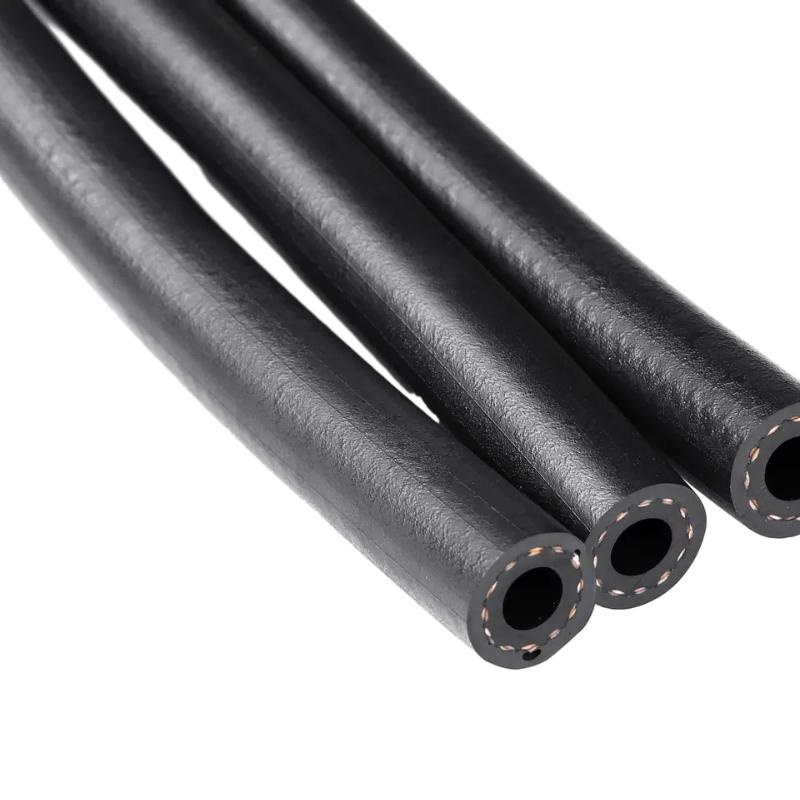
If you’ve chased mysterious power steering leaks, you already know the unsung hero isn’t the pump or the rack—it’s the low pressure power steering hose carrying fluid back to the reservoir. The quiet return line. In shops I visit, it’s the part techs replace “while we’re in there,” but honestly, spec and build quality here decide whether you’re back in six months… or six years.
Industry snapshot
Yes, electric power steering is everywhere. However, light trucks, multi‑function commercial vehicles, and plenty of legacy cars still rely on hydraulic systems. Suppliers tell me demand for low pressure power steering hose hasn’t cratered; it’s consolidating—fewer vendors, higher expectations. More heat under hoods, more bio‑content in fluids, and longer warranties are pushing better compounds and tighter QC.
Product at a glance: Low Pressure Power Steering Oil Hose SAE J189
| Temperature Range | -40℃ ~ +120℃ (-40°F ~ +248°F) |
| Burst Pressure | 0.5 MPa ~ 2.0 MPa (≈73–290 psi) |
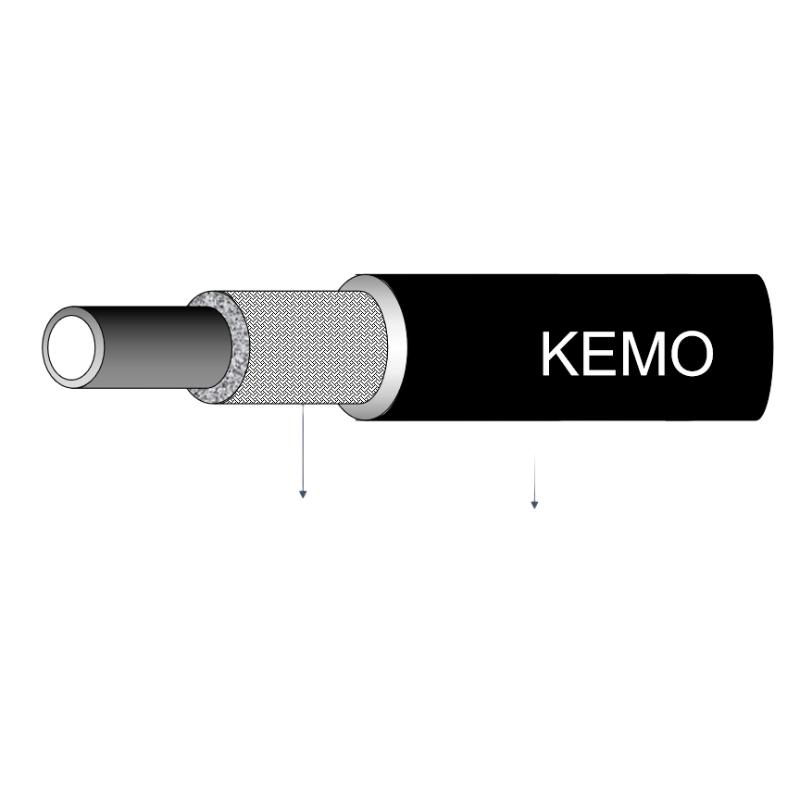
| Tube | NBR synthetic rubber |
| Reinforcement | High tensile PET textile |
| Cover | High‑quality CSM rubber (chlorosulfonated PE) |
| Surface | Smooth or cloth‑wrapped |
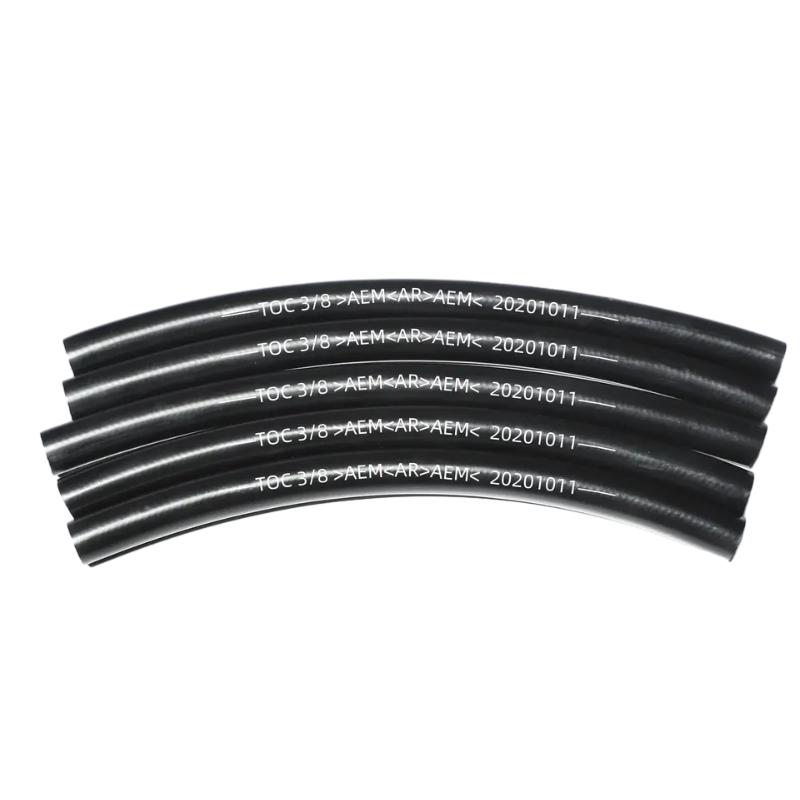
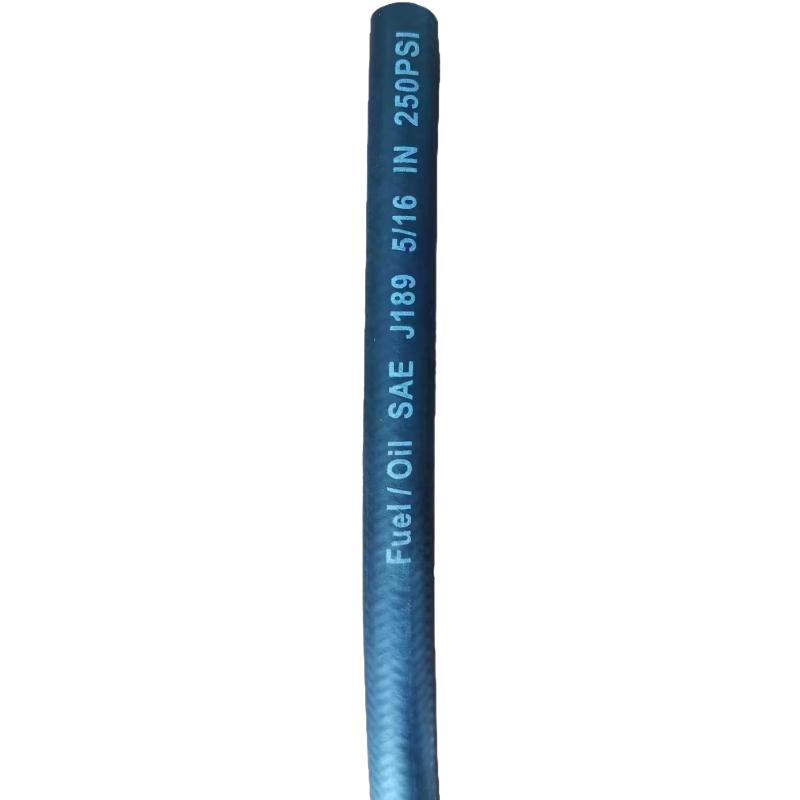
| Standard | SAE J189 JAN98 |
| Origin | Niu Jiazhai Industrial Area, Changzhuang Town, Wei County, Hebei, China |
Process, methods, and testing (short version)
Materials are selected for fluid compatibility and heat/ozone resistance: NBR inner tube for ATF/PSF, PET textile braid for flexibility without kinking, and a CSM cover for weathering. The build is typically extrusion → textile reinforcement layup → outer cover extrusion → vulcanization. QC follows SAE J189 with additional shop tests:
- Hydrostatic burst per ASTM D380; acceptance in the 0.5–2.0 MPa band.
- Ozone resistance (ASTM D1149) on the CSM cover; no cracks under set strain.
- Permeation and fluid compatibility in ATF; visual swell within spec, real‑world use may vary.
- Endurance/temperature soak around 120℃; many customers report 3–5 years of service in mixed climates.
Where it’s used and why it works
Application: the low‑pressure return side of hydraulic power steering on cars, light trucks, and multi‑purpose commercial vehicles. The payoff? A low pressure power steering hose with an NBR tube resists ATF aging, PET reinforcement keeps bend radius friendly for tight engine bays, and a CSM cover shrugs off road salt, splash, and ozone. Installation is straightforward—slip fit with clamps—though, to be honest, routing still makes or breaks longevity.
Vendor comparison (field-notes style)
| Vendor | Standard | Compound Stack | Lead Time | MOQ | Notes |
|---|---|---|---|---|---|
| KEMO (Hebei) | SAE J189 | NBR/PET/CSM | ≈3–5 wks | Flexible | Good ozone cover; customization friendly. |
| Generic Import A | Claimed J189 | NBR/Polyester/EPDM | ≈2–6 wks | Higher | Price‑driven; cover aging varies. |
| Aftermarket B | House spec | NBR/Textile/CSM | Stock‑based | Low | Convenient, fewer size options. |
Customization and service
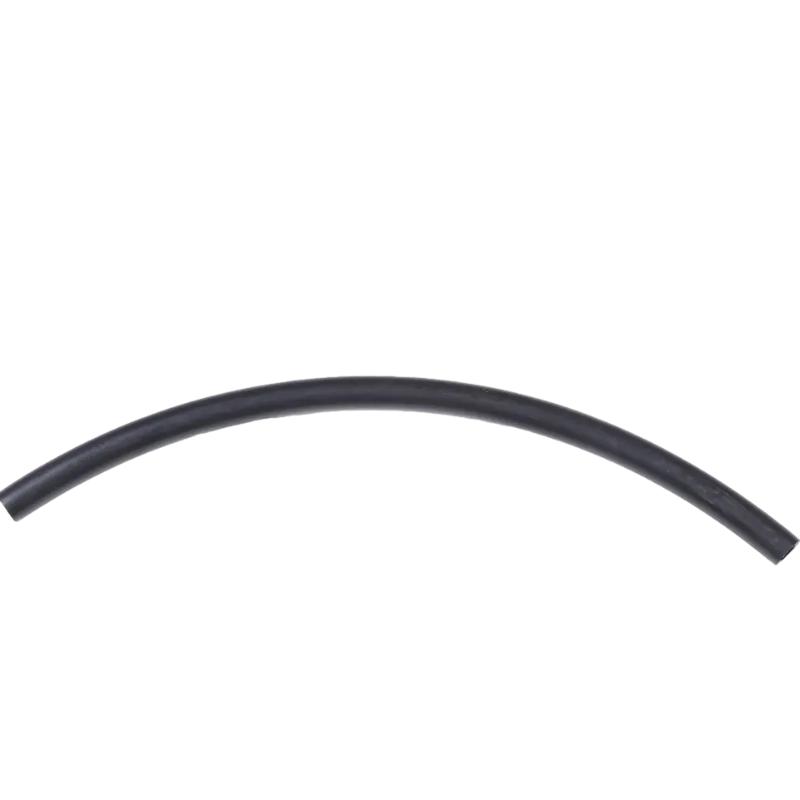
- IDs/ODs and cut lengths, private‑label printing, cloth‑wrapped or smooth cover.
- Clamp compatibility guidance and bend‑radius mapping for tight bays.
- Batch traceability and, where required, ISO 9001 process documentation.
Quick case note
A coastal delivery fleet (light trucks) swapped to this low pressure power steering hose after recurring cover cracking. With a CSM cover and better routing, callbacks reportedly dropped significantly over 12 months; techs liked the pliability at low temps—no wrestling on cold mornings. Not scientific, but telling.
Final checks before you buy
Match fluid spec (ATF/PSF), confirm temperature window, verify SAE J189 on the paperwork, and—this is underrated—inspect the cover compound. If you see ozone checking on old parts, CSM is your friend. I guess that’s the simple truth: spec the hose to your environment and your headaches tend to disappear.
Authoritative references
- SAE J189: Power Steering Return Hose (JAN98). SAE International. https://www.sae.org
- ASTM D380: Standard Test Methods for Rubber Hose. ASTM International. https://www.astm.org/d0380
- ASTM D1149: Ozone Cracking of Rubber (Static). ASTM International. https://www.astm.org/d1149
- ISO 9001:2015 Quality Management Systems. International Organization for Standardization. https://www.iso.org/iso-9001-quality-management.html
Latest news
-
Transmission Oil Cooler Pipe Maintenance and Selection Guide
NewsApr.16,2026
-
Ultimate Guide to Choosing Transmission Oil Cooler Line Hose
NewsApr.09,2026
-
Essential Guide to Transmission Oil Cooler Hose 5/16 for Vehicle Longevity
NewsApr.07,2026
-
Understanding the Critical Role of Transmission Oil Cooler Hose 1 2 for Vehicle Longevity
NewsApr.04,2026
-
Understanding Transmission Oil Coolant Lines For Optimal Vehicle Performance
NewsMar.31,2026
-
Comprehensive Guide to Oil Coolant Pipe Selection and Industrial Applications
NewsMar.28,2026
 Afrikaans
 Albanian
 Amharic
 Arabic
 Armenian
 Azerbaijani
 Basque
 Belarusian
 Bengali
 Bosnian
 Bulgarian
 Catalan
 Cebuano
 Corsican
 Croatian
 Czech
Czech
 Danish
 Dutch
Dutch
 Esperanto
 Estonian
 Finnish
 French
 Frisian
 Galician
 Georgian
 German
 Greek
Greek
 Gujarati
 Haitian Creole
 Hausa
Hausa
 Hawaiian
 Hebrew
 Hindi
Hindi
 Miao
Miao
 Hungarian
 Icelandic
 Igbo
Igbo
 Indonesian
 Irish
Irish
 Italian
 Japanese
 Javanese
 Kannada
 Kazakh
 Khmer
Khmer
 Rwandese
 Korean
 Kurdish
 Kyrgyz
 Lao
Lao
 Latin
Latin
 Latvian
 Lithuanian
 Luxembourgish
 Macedonian
 Malgashi
 Malay
Malay
 Malayalam
 Maltese
 Maori
Maori
 Marathi
 Mongolian
 Myanmar
 Nepali
 Norwegian
 Norwegian
 Occitan
 Pashto
 Persian
 Polish
 Portuguese
 Punjabi
 Romanian
 Russian
 Samoan
 Scottish Gaelic
 Serbian
 Sesotho
 Shona
Shona
 Sindhi
 Sinhala
 Slovak
 Slovenian
 Somali
 Spanish
 Sundanese
 Swahili
 Swedish
 Tagalog
 Tajik
Tajik
 Tamil
Tamil
 Tatar
Tatar
 Telugu
 Thai
Thai
 Turkish
 Turkmen
 Ukrainian
 Urdu
Urdu
 Uighur
 Uzbek
Uzbek
 Vietnamese
 Welsh
Welsh
 Bantu
Bantu
 Yiddish
 Yoruba
 Zulu
Zulu
 English