
High-Performance Automotive Fuel Line: E85 & Diesel Safe
Sep . 14, 2025 08:40 Back to list
High-Performance Automotive Fuel Line: E85 & Diesel Safe
Industry Trends and the Evolving Landscape of Fuel Transport
The automotive industry is undergoing a significant transformation, driven by stricter emission regulations, the proliferation of alternative fuels, and advancements in engine technology. This evolution directly impacts the requirements for critical components such as fuel lines. As vehicle manufacturers push for higher efficiency and lower environmental impact, the demand for robust, chemically resistant, and durable automotive fuel line solutions becomes paramount. Current trends indicate a move towards materials that can withstand aggressive fuel blends, including higher ethanol content (E85) and biodiesel, while maintaining integrity under varying thermal and pressure conditions.
The global market for car fuel lines is projected to grow steadily, fueled by the increasing production of light-duty and heavy-duty vehicles, alongside the aftermarket demand for maintenance and upgrades. Specific growth drivers include the rising adoption of diesel fuel hose and e85 fuel hose in both commercial and passenger vehicles. OEMs are increasingly prioritizing lightweight components to enhance fuel economy, pushing manufacturers of fuel hose diesel and related products to innovate with composite materials and advanced manufacturing techniques.
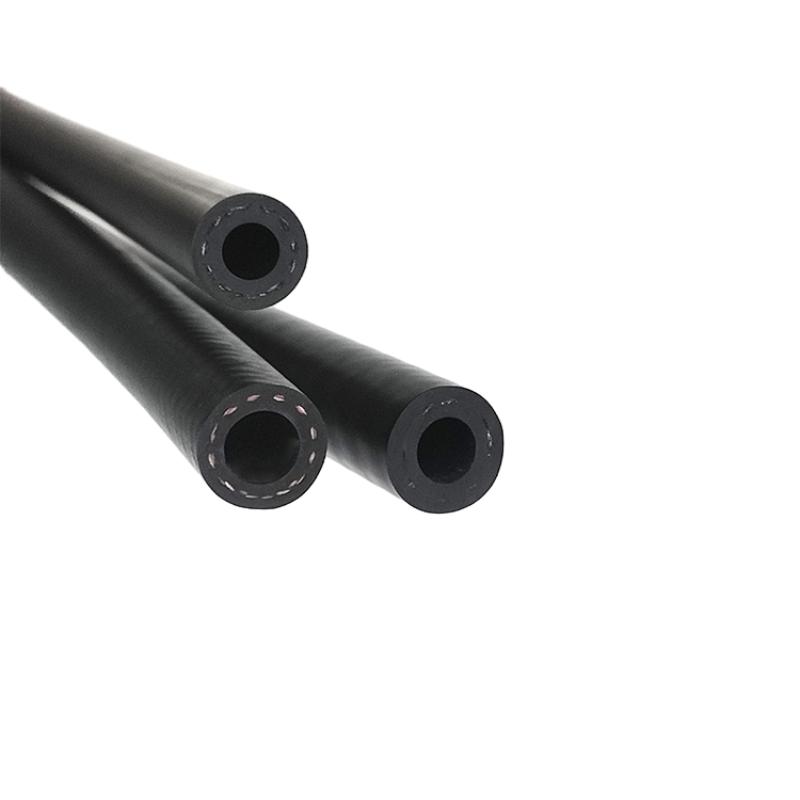
Detailed Manufacturing Process of High-Performance Fuel Hoses
The production of a high-quality automotive fuel line like the SAE J30R6/R7 involves a meticulously controlled multi-stage process, designed to ensure superior performance and longevity. Our manufacturing philosophy emphasizes precision engineering and adherence to international standards from material selection to final inspection.
1. Material Selection and Preparation
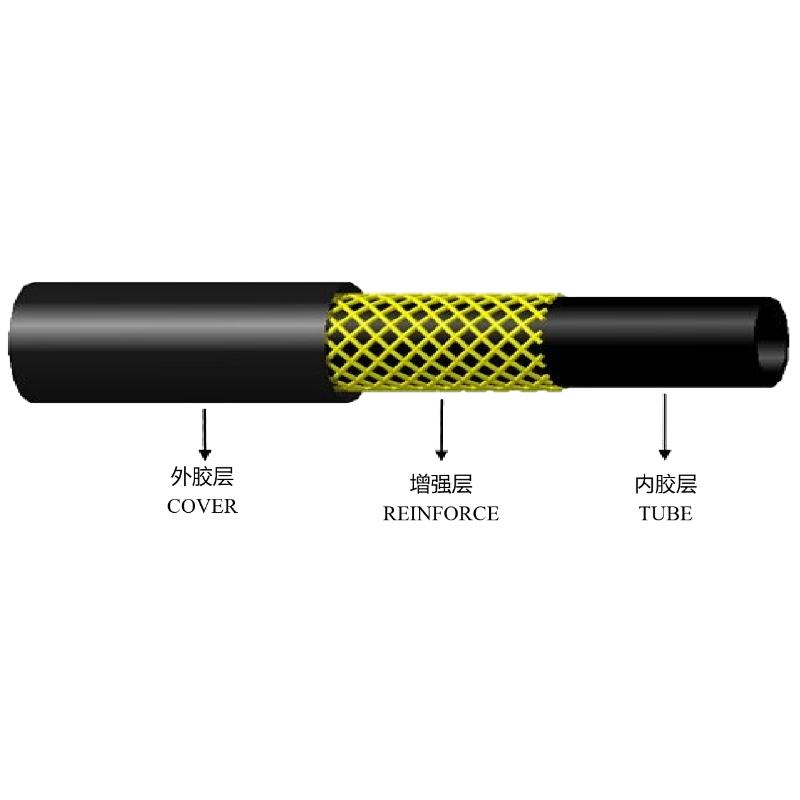
- Inner Tube (Lining): For fuel hose diesel, materials such as NBR (Nitrile Butadiene Rubber) or CSM (Chlorosulfonated Polyethylene) are selected for their excellent resistance to petroleum-based fuels, alcohols (like E85 fuel line applications), and various additives. These materials are compounded to achieve specific properties like low fuel permeation, high flexibility, and resistance to degradation from heat and chemicals.
- Reinforcement Layer: High-tensile synthetic fiber braids, typically polyester or rayon, are chosen for their strength and durability. These fibers are prepared for precise winding to provide the necessary burst strength and pressure resistance.
- Outer Cover: The outer layer is often made from a blend of NBR/PVC or CR (Chloroprene Rubber) known for its resistance to abrasion, ozone, weathering, and heat. This ensures the hose can withstand harsh operating environments.
2. Extrusion of Inner Tube
The selected inner tube compound is fed into an extruder, where it is heated and forced through a die to form a continuous, seamless tube of precise inner diameter and wall thickness. This casting process is critical for maintaining consistent fuel flow and preventing leakage.
3. Reinforcement Braiding/Wrapping
The extruded inner tube is then fed into a braiding machine. Using precise CNC machining, synthetic fibers are spirally wound or braided around the inner tube. This step provides the hose with its structural integrity, preventing expansion under pressure and offering burst resistance. The number of braids and the angle of winding are critical design parameters.
4. Extrusion of Outer Cover
Similar to the inner tube, the outer cover compound is extruded over the reinforced inner tube. This final layer provides protection against external elements, ensuring the long service life of the car fuel lines.
5. Curing/Vulcanization
The assembled hose is then subjected to a curing process, typically in a steam autoclave or continuous vulcanization line. This heat treatment cross-links the polymer chains in the rubber compounds, imparting the final physical and chemical properties, including elasticity, strength, and resistance to heat and chemicals.
6. Testing and Quality Control
Every batch of fuel hose undergoes rigorous testing to meet established standards such as SAE J30R6/R7, ISO 9001, and ANSI. Key tests include:
- Hydrostatic Pressure Test: To confirm burst strength and ensure no leakage under extreme pressure.
- Impulse Test: Simulating rapid pressure changes to assess fatigue resistance over extended periods.
- Fuel Permeation Test: Measuring the rate at which fuel vapors escape through the hose wall, crucial for environmental compliance.
- Ozone Resistance Test: To verify the outer cover's ability to resist cracking and degradation from atmospheric ozone.
- Tensile Strength & Elongation Tests: To evaluate the material's mechanical properties.
This stringent quality assurance ensures that our automotive fuel line products deliver exceptional performance and a long service life, typically exceeding 10 years in target industries such as petrochemical, metallurgy, and water supply & drainage, due to their inherent energy-saving and corrosion-resistant advantages.
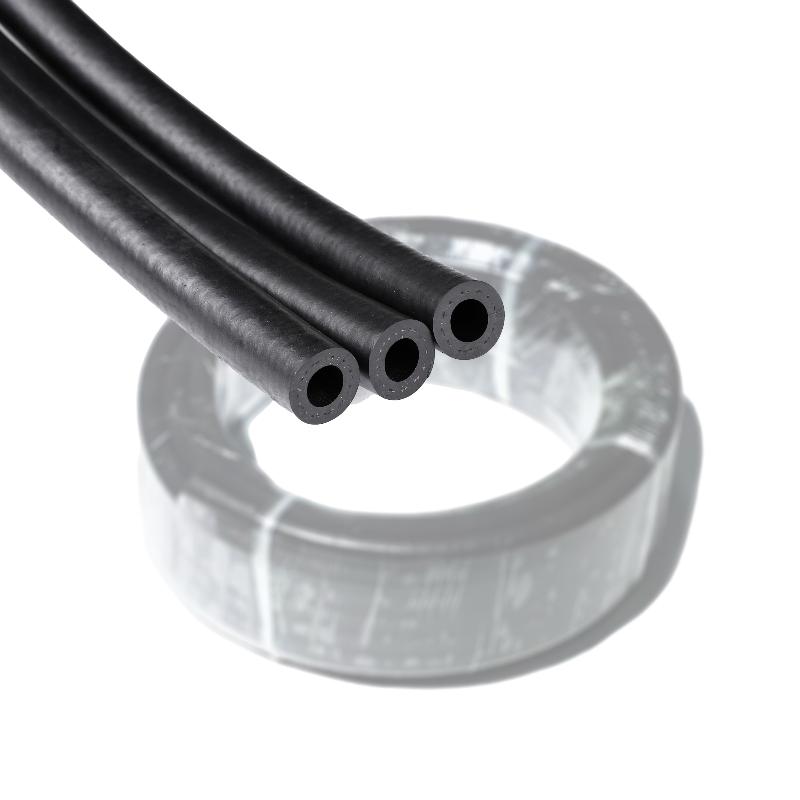
Technical Specifications: Fuel Hose SAE J30R6/R7
Our Fuel Hose SAE J30R6/R7 is engineered to meet the stringent requirements of modern automotive fuel systems. These specifications outline the critical parameters that ensure compatibility, safety, and longevity across various vehicle applications, including those requiring robust diesel fuel hose or advanced e85 fuel hose capabilities.
Product Specification Table: Fuel Hose SAE J30R6/R7
| Parameter | SAE J30R6/R7 Specification | Typical Application |
|---|---|---|
| Inner Tube Material | NBR (Nitrile Butadiene Rubber) for R6, NBR/CR for R7 | Gasoline, Diesel, E10 for R6; E85, Biodiesel for R7 |
| Reinforcement | High-tensile synthetic fiber braid | Enhanced pressure resistance, structural integrity |
| Outer Cover Material | NBR/PVC or CR (Chloroprene Rubber) | Abrasion, Ozone, Heat, Weathering Resistance |
| Working Pressure (Max) | 10 Bar (145 PSI) for R6, 17 Bar (250 PSI) for R7 | Fuel feed and return lines, low-pressure systems |
| Burst Pressure (Min) | 50 Bar (725 PSI) for R6, 68 Bar (986 PSI) for R7 | Safety margin against pressure spikes |
| Temperature Range | -40°C to +100°C (-40°F to +212°F) | Engine compartment, diverse climatic conditions |
| Fuel Compatibility | Gasoline, Diesel, E10, E85, Biodiesel (Specific to R type) | Versatile application for modern fuel types |
| Standards Met | SAE J30R6, SAE J30R7 | Industry-recognized quality and performance benchmarks |
These precise specifications underline our commitment to delivering a automotive fuel line that not only meets but exceeds industry expectations for performance, safety, and durability, ensuring reliability for various vehicle platforms and fuel types.
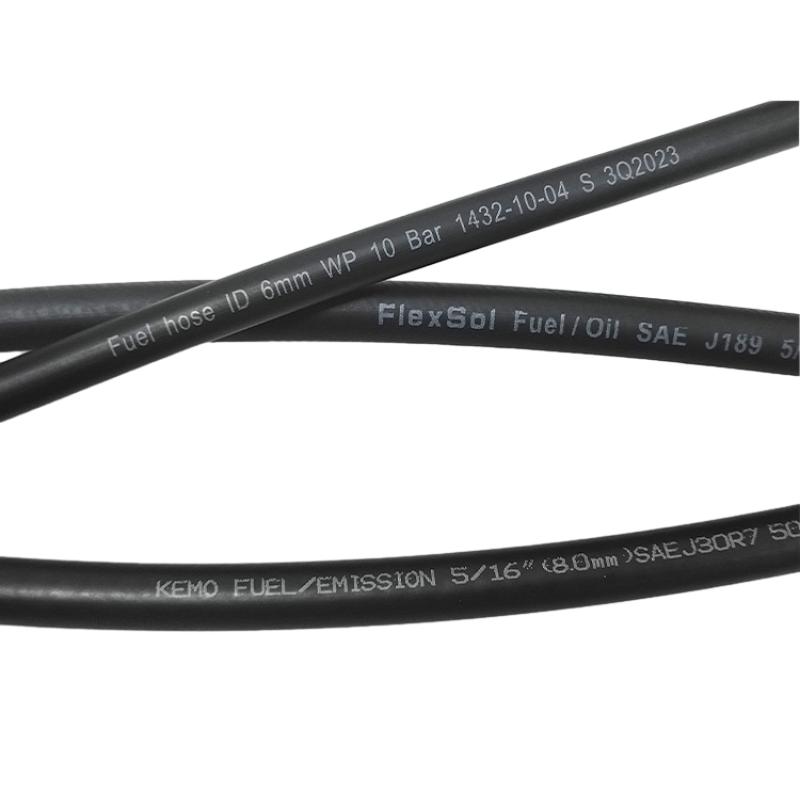
Application Scenarios and Technical Advantages
The versatility and robust design of our SAE J30R6/R7 fuel hoses enable their application across a broad spectrum of critical automotive and industrial environments. From standard car fuel lines to specialized diesel fuel hose assemblies, our products offer distinct technical advantages.
Typical Application Scenarios:
- Passenger Vehicles: Fuel feed and return lines, vapor emission control lines. Especially critical for compact engine bays where heat and vibration are significant.
- Commercial Trucks and Buses: Fuel lines for heavy-duty diesel engines, requiring strong resistance to high pressures and abrasive environments, emphasizing the need for durable fuel hose diesel.
- Off-Highway Equipment: Construction machinery, agricultural vehicles, and marine applications where exposure to harsh weather, UV radiation, and mechanical stress is common.
- Alternative Fuel Vehicles: Specifically, our R7-rated hoses are ideal for E85 fuel line systems, providing superior resistance to ethanol’s corrosive properties and reducing permeation.
- Industrial Engines: Power generation units, compressors, and pumps utilizing internal combustion engines, where reliable fuel delivery is essential for continuous operation.
Key Technical Advantages:
- Superior Fuel Compatibility: Engineered with advanced NBR and CR compounds, our hoses exhibit exceptional resistance to a wide range of fuels, including gasoline, diesel, biodiesel, and ethanol blends up to E85. This corrosion resistance ensures long-term integrity and prevents fuel system degradation.
- Low Permeation Rates: Our specialized inner liner materials are designed to significantly reduce fuel vapor permeation, meeting stringent environmental regulations (e.g., CARB and EPA standards) and contributing to energy saving by minimizing fuel loss. This is a critical factor for e85 fuel hose applications.
- High Pressure and Temperature Resistance: Reinforced with high-tensile synthetic fibers, these hoses maintain structural stability under fluctuating pressures and elevated temperatures commonly found in engine compartments. Their robust construction prevents swelling, hardening, or cracking.
- Exceptional Durability and Longevity: The outer cover provides excellent resistance to abrasion, ozone, weathering, and oil, extending the service life of the automotive fuel line even in challenging conditions. Our products are designed for a service life of over 10 years under normal operating conditions.
- Flexibility and Ease of Installation: Despite their robust construction, these hoses offer optimal flexibility, simplifying installation in tight spaces and reducing labor costs.
These advantages underscore why our SAE J30R6/R7 fuel hoses are the preferred choice for demanding automotive and industrial applications, delivering reliability and cost-effectiveness over their operational lifespan.
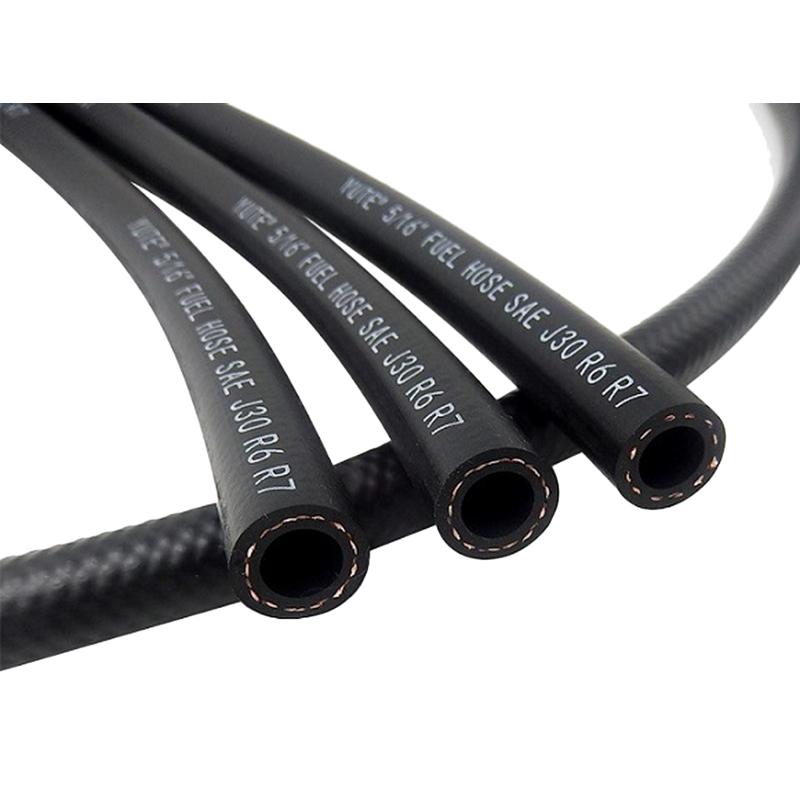
Vendor Comparison: Choosing the Right Automotive Fuel Line Supplier
Selecting the right supplier for automotive fuel line products is crucial for ensuring vehicle reliability, compliance, and cost efficiency. While many manufacturers produce fuel hoses, key differentiators lie in material quality, manufacturing precision, testing rigor, and value-added services. Below is a comparison table highlighting essential aspects to consider when evaluating vendors for car fuel lines, diesel fuel hose, or e85 fuel line solutions.
Product Comparison Table: Key Vendor Attributes for Fuel Hoses
| Attribute | KEMOHOSE (Our Offering) | Typical Competitor (General) |
|---|---|---|
| Compliance & Certifications | SAE J30R6/R7, ISO 9001, CE, RoHS. Verified third-party testing. | May meet basic SAE, but often limited additional certifications or traceability. |
| Material Quality (Inner Liner) | Premium NBR/CR compounds, high-grade synthetic fibers. Optimized for permeation. | Standard NBR, potentially lower grade, higher permeation rates. |
| Testing Protocol | 100% batch testing for burst, impulse, fuel compatibility, ozone. Rigorous QC. | Sample-based testing, less frequent, potential for inconsistent quality. |
| Fuel Compatibility | Full compatibility with E10, E85, Biodiesel (R7), Gasoline, Diesel. | May have limited compatibility, especially with higher ethanol/biodiesel blends. |
| Service Life & Warranty | Designed for 10+ years, backed by comprehensive warranty & support. | Standard warranty, shorter expected service life due to material/process. |
| Customization & Support | Extensive customization options, dedicated technical and after-sales support. | Limited customization, basic customer service. |
This comparison underscores the value of partnering with a manufacturer that prioritizes quality, compliance, and comprehensive support, ensuring optimal performance and peace of mind for all fuel hose requirements.
Customized Solutions and Application Case Studies
Recognizing that standard products do not always fit every unique application, we offer extensive customized solutions for automotive fuel line requirements. Our engineering team collaborates closely with clients to develop tailored fuel hose configurations, ensuring precise fit, optimal performance, and adherence to specific operational parameters.
Customization Capabilities:
- Specific Dimensions: Tailored inner and outer diameters, lengths, and bend radii to fit complex engine layouts or chassis designs.
- Material Optimization: Development of custom rubber compounds for enhanced resistance to unique chemical blends, extreme temperatures, or aggressive environmental factors beyond standard SAE specifications. For instance, developing specialized e85 fuel line compounds with even lower permeation rates.
- Reinforcement Variations: Adjusting the type and layering of reinforcement fibers to achieve specific pressure ratings, flexibility, or crush resistance for heavy-duty applications like fuel hose diesel systems.
- End Fittings & Assemblies: Pre-assembly with custom fittings, connectors, and clamps, ready for immediate integration into vehicle systems, reducing installation time and potential for errors.
- Color Coding & Branding: Custom colors for easy identification within complex systems or private branding for OEM partners.
Application Case Studies:
Case Study 1: Heavy-Duty Truck OEM (Diesel Fuel Hose)
Challenge: A leading heavy-duty truck manufacturer required a fuel hose diesel solution that could withstand extreme vibrations, high engine compartment temperatures, and aggressive biodiesel blends. Standard SAE J30R6 hoses were experiencing premature hardening and cracking.
Solution: We collaborated with their engineering team to develop a customized SAE J30R7 fuel hose with a modified NBR/CR inner liner for enhanced biodiesel compatibility and a thicker, more flexible CR outer cover for superior vibration and heat resistance. The reinforcement layer was optimized for continuous dynamic pressure fluctuations.
Outcome: The customized fuel lines demonstrated a 50% increase in service life compared to previous solutions, significantly reducing warranty claims and improving overall vehicle reliability. Customer feedback highlighted improved engine performance stability in diverse operating conditions.
Case Study 2: Performance Aftermarket (E85 Fuel Line)
Challenge: An aftermarket performance parts supplier sought a high-performance e85 fuel line capable of handling elevated fuel pressures and the highly corrosive nature of E85 ethanol for modified automotive applications. Low permeation was also a critical requirement to meet emissions standards.
Solution: We provided an advanced version of our SAE J30R7 hose, incorporating a multi-layer inner tube with increased Fluorocarbon (FKM) content to virtually eliminate ethanol permeation. The hose was supplied with pre-crimped AN fittings, simplifying installation for enthusiasts and professional tuners.
Outcome: The E85 fuel lines received overwhelmingly positive customer feedback, citing exceptional durability, no signs of ethanol degradation, and consistent fuel pressure delivery under demanding conditions. The supplier noted a significant increase in market share for their E85-compatible fuel system components.
Certifications, Authoritativeness, and Partner Clients
Our commitment to quality, reliability, and industry leadership is underpinned by our robust certifications, long-standing service, and trusted partnerships. These elements demonstrate our authoritative standing in the manufacturing of automotive fuel line products.
Industry Certifications and Standards:
- ISO 9001:2015 Certified: Our quality management system adheres to the highest international standards, ensuring consistent product quality from design to delivery.
- SAE J30 Compliance: All our fuel hoses, including car fuel lines and fuel hose diesel products, rigorously conform to the Society of Automotive Engineers (SAE) J30 standards (R6, R7), ensuring compatibility and performance for their specified fuel types.
- CE Mark: Our products meet the health, safety, and environmental protection standards for products sold within the European Economic Area.
- RoHS Compliant: We ensure our products are free from hazardous substances, aligning with global environmental regulations.
- Internal Test Data: We maintain comprehensive test data logs for every batch, including burst pressure, impulse cycle, permeation rates, and material integrity, demonstrating performance beyond minimum requirements.
Years of Service and Trusted Partnerships:
With over two decades of specialized experience in fluid conveyance solutions, we have built a reputation for engineering excellence and reliable manufacturing. Our extensive client roster includes leading automotive OEMs, Tier 1 suppliers, and major aftermarket distributors worldwide. These long-term relationships are a testament to our consistent quality and dedicated customer service. We are proud to be a preferred supplier for critical components like diesel fuel hose and e85 fuel hose for clients who demand uncompromising performance.
Our robust internal R&D capabilities, coupled with continuous investment in advanced manufacturing technologies, allow us to remain at the forefront of fuel line innovation, anticipating and addressing the evolving needs of the automotive industry.
Frequently Asked Questions (FAQ)
Q1: What is the primary difference between SAE J30R6 and SAE J30R7 fuel hoses?
A1: The main difference lies in their fuel compatibility and pressure ratings. SAE J30R6 hoses are designed for gasoline and diesel fuels (up to E10) in low-pressure applications. SAE J30R7 hoses, on the other hand, feature an enhanced inner liner for superior resistance to alcohol fuels like E85, biodiesel, and higher-pressure systems, making them suitable for modern fuel-injected engines and alternative fuel applications.
Q2: Can your fuel hoses be used with E85 fuel?
A2: Yes, our SAE J30R7 fuel hoses are specifically engineered for compatibility with E85 fuel. They utilize specialized inner tube materials (like NBR/CR blends) that provide excellent resistance to ethanol's corrosive properties and significantly reduce fuel permeation, ensuring the integrity and longevity of your e85 fuel line system.
Q3: What industries benefit most from your fuel hose products?
A3: Our fuel hoses are widely utilized across various industries including automotive (OEM and aftermarket), heavy-duty trucking, marine, agriculture, construction, and power generation. Any application requiring reliable and durable conveyance of petroleum-based or alternative fuels can benefit from our high-performance automotive fuel line solutions.
Q4: How do you ensure product quality and reliability?
A4: Our manufacturing process adheres strictly to ISO 9001 standards, involving rigorous multi-stage quality control. This includes material inspection, in-process monitoring, and comprehensive final testing such as hydrostatic burst tests, impulse tests, fuel permeation tests, and ozone resistance tests. Every batch is meticulously inspected to ensure it meets or exceeds SAE J30 specifications and our internal stringent quality benchmarks.
Lead Time, Warranty, and Customer Support
Lead Time and Fulfillment:
We understand the critical nature of timely supply in the B2B sector. Our standard lead time for stock automotive fuel line products typically ranges from 2-4 weeks, depending on order volume and specific product configuration. For customized solutions or large-volume OEM orders, lead times will be determined collaboratively to align with project schedules. We maintain efficient production lines and robust supply chain management to ensure prompt and reliable delivery worldwide. Expedited options are available upon request to meet urgent requirements.
Warranty Commitments:
We stand behind the quality and performance of our fuel hoses with a comprehensive warranty. All our Fuel Hose SAE J30R6/R7 products are covered by a [insert specific warranty period, e.g., 2-year] manufacturer's warranty against defects in materials and workmanship from the date of purchase. This commitment reflects our confidence in the durability and reliability of our products, including our diesel fuel hose and e85 fuel line solutions, when installed and used according to industry best practices and our guidelines. Specific warranty details are available upon request and outlined in our standard terms and conditions.
Customer Support and After-Sales Service:
Our dedication to client success extends far beyond the sale. Our experienced technical support team is available to assist with product selection, application engineering, installation best practices, and troubleshooting. We provide detailed technical documentation and can offer training sessions for your installation teams. For any inquiries or support needs, clients can reach us via phone, email, or our dedicated online portal. We are committed to fostering long-term partnerships through exceptional product quality and responsive, expert customer service.
References:
- Society of Automotive Engineers (SAE) J30 Fuel and Oil Hoses.
- International Organization for Standardization (ISO) 9001:2015 - Quality Management Systems.
- U.S. Environmental Protection Agency (EPA) - Emissions Standards for Vehicles and Engines.
- California Air Resources Board (CARB) - Evaporative Emissions Standards.
- "Rubber Technology and Compounding: For the Diploma Course in Rubber Technology" by J.S. Dick.
Latest news
-
Transmission Oil Cooler Pipe Maintenance and Selection Guide
NewsApr.16,2026
-
Ultimate Guide to Choosing Transmission Oil Cooler Line Hose
NewsApr.09,2026
-
Essential Guide to Transmission Oil Cooler Hose 5/16 for Vehicle Longevity
NewsApr.07,2026
-
Understanding the Critical Role of Transmission Oil Cooler Hose 1 2 for Vehicle Longevity
NewsApr.04,2026
-
Understanding Transmission Oil Coolant Lines For Optimal Vehicle Performance
NewsMar.31,2026
-
Comprehensive Guide to Oil Coolant Pipe Selection and Industrial Applications
NewsMar.28,2026
 Afrikaans
 Albanian
 Amharic
 Arabic
 Armenian
 Azerbaijani
 Basque
 Belarusian
 Bengali
 Bosnian
 Bulgarian
 Catalan
 Cebuano
 Corsican
 Croatian
 Czech
Czech
 Danish
 Dutch
Dutch
 Esperanto
 Estonian
 Finnish
 French
 Frisian
 Galician
 Georgian
 German
 Greek
Greek
 Gujarati
 Haitian Creole
 Hausa
Hausa
 Hawaiian
 Hebrew
 Hindi
Hindi
 Miao
Miao
 Hungarian
 Icelandic
 Igbo
Igbo
 Indonesian
 Irish
Irish
 Italian
 Japanese
 Javanese
 Kannada
 Kazakh
 Khmer
Khmer
 Rwandese
 Korean
 Kurdish
 Kyrgyz
 Lao
Lao
 Latin
Latin
 Latvian
 Lithuanian
 Luxembourgish
 Macedonian
 Malgashi
 Malay
Malay
 Malayalam
 Maltese
 Maori
Maori
 Marathi
 Mongolian
 Myanmar
 Nepali
 Norwegian
 Norwegian
 Occitan
 Pashto
 Persian
 Polish
 Portuguese
 Punjabi
 Romanian
 Russian
 Samoan
 Scottish Gaelic
 Serbian
 Sesotho
 Shona
Shona
 Sindhi
 Sinhala
 Slovak
 Slovenian
 Somali
 Spanish
 Sundanese
 Swahili
 Swedish
 Tagalog
 Tajik
Tajik
 Tamil
Tamil
 Tatar
Tatar
 Telugu
 Thai
Thai
 Turkish
 Turkmen
 Ukrainian
 Urdu
Urdu
 Uighur
 Uzbek
Uzbek
 Vietnamese
 Welsh
Welsh
 Bantu
Bantu
 Yiddish
 Yoruba
 Zulu
Zulu
 English