
High-Performance Automotive Fuel Line: E85 & Diesel Ready
Sep . 01, 2025 02:40 Back to list
High-Performance Automotive Fuel Line: E85 & Diesel Ready
Introduction to Advanced Automotive Fuel Line Solutions
The robust and reliable performance of a vehicle's fuel delivery system is paramount for both operational efficiency and safety. At the heart of this system lies the automotive fuel line, a critical component engineered to safely transport fuel from the tank to the engine. In an era of evolving fuel compositions and increasingly stringent environmental regulations, the demands on these vital conduits are higher than ever. This comprehensive overview delves into the technical intricacies, application diversity, and advanced manufacturing processes of high-performance fuel lines, specifically focusing on solutions conforming to SAE J30R6/R7 standards. Our objective is to provide B2B decision-makers and technical engineers with an authoritative resource on selecting, specifying, and implementing optimal fuel line solutions that meet the challenges of modern automotive and industrial applications.
Modern fuel systems require components that can withstand aggressive chemical compounds, extreme temperatures, and dynamic pressure fluctuations. Whether for conventional gasoline, advanced diesel systems, or alternative fuels like E85, the integrity of the fuel line directly impacts engine performance, emission control, and overall vehicle reliability. Understanding the nuances of material science, manufacturing precision, and testing protocols is essential for ensuring long-term operational excellence.
Industry Trends and Evolving Demands for Fuel Lines
The automotive industry is undergoing a significant transformation, driven by electrification, tighter emission standards, and the adoption of new fuel types. While electric vehicles are gaining traction, internal combustion engines (ICE) continue to dominate, demanding increasingly sophisticated fuel delivery systems. Key trends impacting the development and specification of automotive fuel line components include:
- Biofuel Compatibility: The widespread adoption of biofuels like E10, E85 fuel line, and B20 diesel requires fuel lines with enhanced resistance to chemical degradation and permeation. Materials must be compatible with higher ethanol or biodiesel concentrations to prevent material swelling, hardening, or cracking over time, which can lead to leaks and system failures.
- Lower Permeation Rates: Regulatory bodies worldwide (e.g., EPA, CARB) are imposing stricter limits on evaporative emissions. This drives the need for fuel lines with extremely low fuel permeation rates, often achieved through multi-layer constructions and advanced barrier materials.
- Higher Operating Temperatures and Pressures: Modern engines operate at higher temperatures and often utilize higher fuel injection pressures for improved efficiency and reduced emissions. This necessitates fuel lines capable of maintaining structural integrity and performance under these more demanding conditions.
- Lightweighting: The continuous push for fuel efficiency and reduced vehicle weight extends to all components, including car fuel lines. Manufacturers are exploring lighter yet robust materials and designs without compromising performance or durability.
- Noise, Vibration, and Harshness (NVH) Reduction: Fuel lines can transmit engine noise and vibrations. Innovations in material damping and routing are being considered to contribute to overall vehicle refinement.
- Durability and Longevity: Consumers and commercial fleet operators demand longer service intervals and extended component life. Fuel lines must be designed for robust performance over many years and thousands of miles, resisting abrasion, impact, and environmental degradation.
These trends collectively underscore the critical importance of selecting highly engineered and rigorously tested fuel line solutions. The shift towards higher performance and environmental responsibility necessitates a deeper understanding of material science and manufacturing precision.
Manufacturing Process: Precision Engineering for Fuel Hose SAE J30R6/R7
The production of a high-quality automotive fuel line, particularly those conforming to SAE J30R6/R7 standards, involves a multi-stage, precision-controlled manufacturing process. This ensures the finished product meets stringent technical specifications for safety, durability, and performance.
Key Materials:
- Inner Tube (Liner): Typically made from NBR (Nitrile Butadiene Rubber) for standard gasoline/diesel or special fluorocarbon/ECO compounds for enhanced resistance to modern fuels (e.g., E85, biodiesel) and reduced permeation.
- Reinforcement Layer: Braided textile yarn (e.g., polyester, rayon) provides burst strength and dimensional stability.
- Outer Cover: Usually a durable NBR/PVC blend or chloroprene (CR) rubber, engineered for excellent resistance to ozone, abrasion, heat, and oil exposure in the engine compartment.
Process Flow Overview:
1. Material Preparation
Compounding of NBR, ECO, CR, and other elastomers with additives for specific properties (e.g., heat resistance, flexibility, chemical inertness).
2. Inner Tube Extrusion
The inner liner material is extruded through a die to form a continuous tube with precise internal diameter and wall thickness.
3. Reinforcement Braiding
Textile yarns are helically braided or spiraled around the extruded inner tube, providing the necessary strength to withstand pressure.
4. Outer Cover Extrusion
The outer cover compound is extruded over the reinforced tube, protecting it from external elements and providing abrasion resistance.
5. Curing/Vulcanization
The hose is subjected to heat and pressure to cross-link the rubber polymers, achieving its final physical properties and chemical resistance.
6. Testing & Quality Control
Rigorous testing for burst pressure, vacuum resistance, flexibility, ozone resistance, and fuel permeation according to SAE J30 standards.
Testing Standards: All fuel hoses undergo rigorous testing to comply with international and industry standards. For car fuel lines, the SAE J30 specification is paramount.
- SAE J30 R6: Specifies a single textile braid, rubber cover hose suitable for use with gasoline, diesel fuels, lubricants, and oil. Designed for low-pressure applications.
- SAE J30 R7: Similar to R6 but often with improved ozone resistance and a slightly different construction, commonly used for carburetor vent and emission control systems.
- ISO 9001: Quality management system certification, ensuring consistent production quality.
- ASTM Standards: Various ASTM tests for material properties, aging, and chemical resistance.
Service Life: Our Fuel Hose SAE J30R6/R7 is engineered for an extended service life of 5-10 years under normal operating conditions, minimizing replacement frequency and maintenance costs. This longevity is achieved through superior material selection and adherence to strict manufacturing tolerances.
Target Industries: While primarily focused on automotive, these hoses find applications in light truck, marine, agricultural equipment, and small engine applications where reliable fuel transfer is critical. The design advantages, such as excellent corrosion resistance to various fuels and exceptional flexibility for intricate routing, make them ideal for modern vehicle architectures.
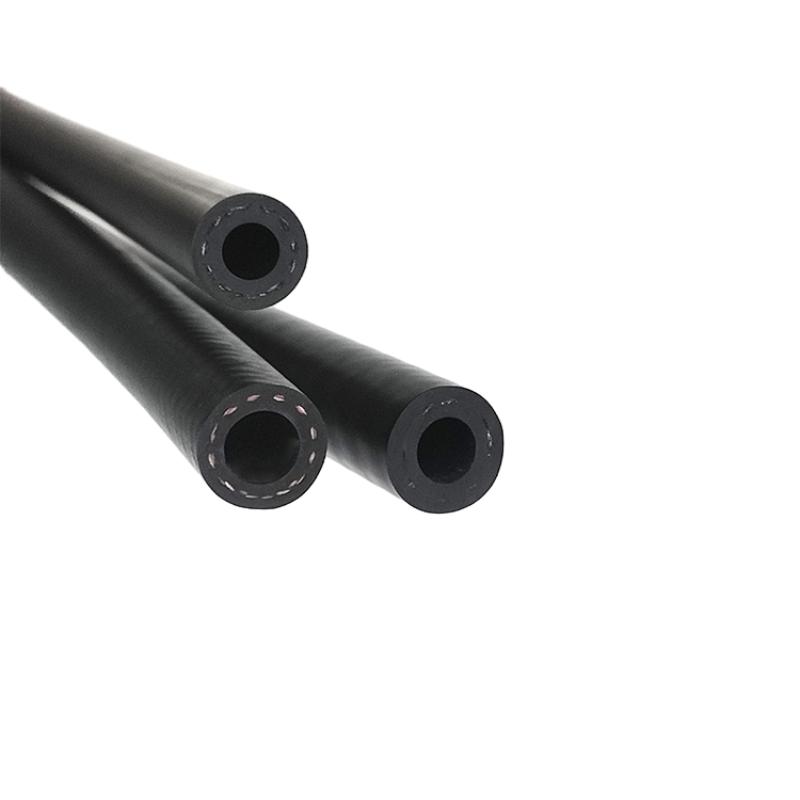
Fig 1: Cross-section of a typical multi-layered automotive fuel line.
Technical Specifications and Performance Parameters
Specifying the correct fuel hose diesel or gasoline line requires a detailed understanding of its technical parameters. Our Fuel Hose SAE J30R6/R7 offers a robust set of specifications designed for reliable operation in demanding environments.
Product Specifications: Fuel Hose SAE J30R6/R7
| Parameter | SAE J30R6 Specification | SAE J30R7 Specification | Typical Values (Our Product) |
|---|---|---|---|
| Applicable Fuels | Gasoline, Diesel, Oil, Lubricants | Gasoline, Diesel, Oil, Lubricants, Carburetor Vent | E10, Diesel, Bio-diesel (B20), Gasoline, Oil |
| Inner Tube Material | NBR (Nitrile Butadiene Rubber) | NBR (Nitrile Butadiene Rubber) | NBR (enhanced formulation) |
| Reinforcement | Single Textile Braid | Single Textile Braid | High-strength Polyester Fiber |
| Outer Cover Material | NBR/PVC or CR | NBR/PVC or CR | Abrasion & Ozone Resistant CR |
| Operating Temperature Range | -40°C to +100°C (-40°F to +212°F) | -40°C to +100°C (-40°F to +212°F) | -40°C to +125°C (-40°F to +257°F) |
| Working Pressure (Max) | 0.34 MPa (50 psi) | 0.34 MPa (50 psi) | 0.5 MPa (72 psi) for R6/R7, Higher for Specific variants |
| Burst Pressure (Min) | 1.72 MPa (250 psi) | 1.72 MPa (250 psi) | >2.0 MPa (>290 psi) (4:1 Safety Factor) |
| Ozone Resistance | Good (R6), Excellent (R7) | Excellent | Excellent (ASTM D1149, 70hr @ 50pphm) |
| Permeation Rate | Meets SAE J30 requirements | Meets SAE J30 requirements | Significantly reduced compared to baseline R6/R7 |
| Vacuum Resistance | 70 kPa (20 in Hg) | 70 kPa (20 in Hg) | >80 kPa (23 in Hg) |
Note: Specific values may vary slightly based on hose dimension and application. Consult our technical data sheets for precise figures.
Advanced Technical Advantages:
- Multi-Layer Construction (for advanced variants): While R6/R7 are single-wall reinforced, specialized e85 fuel hose variants incorporate multi-layer designs with fluoropolymer (FKM) or ECO barrier layers for ultra-low permeation and superior chemical resistance to aggressive fuels.
- Enhanced Flexibility: Engineered rubber compounds maintain flexibility even at low temperatures, facilitating easier installation and reducing stress on connections.
- Vibration Damping: The elastomeric properties inherently contribute to dampening vibrations, improving system acoustics and longevity of connected components.
- Abrasion Resistance: The robust outer cover protects the hose from wear and tear in harsh under-hood environments, extending its operational life.
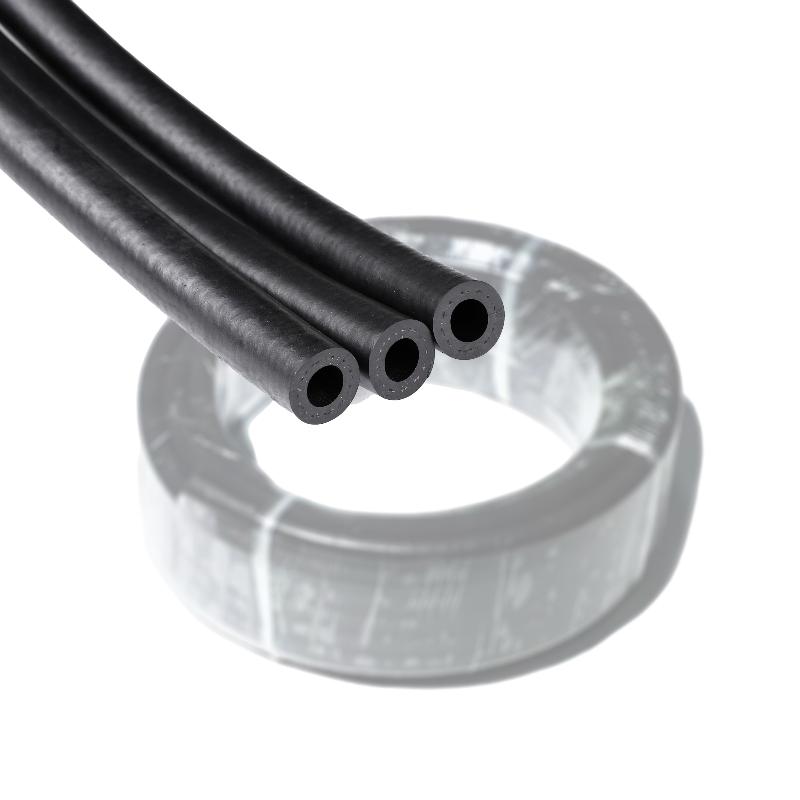
Fig 2: Example of the Fuel Hose SAE J30R6/R7 undergoing flexibility testing.
Application Scenarios and Industry Use Cases
The versatility and reliability of our Fuel Hose SAE J30R6/R7 make it indispensable across a broad spectrum of automotive and industrial applications. Designed to handle various fuel types under diverse conditions, these hoses are a preferred choice for OEMs and aftermarket suppliers seeking high-performance solutions for diesel fuel hose and gasoline requirements.
Typical Applications:
- Passenger Cars: Fuel delivery lines from the tank to the engine, return lines, and vapor recovery systems for both gasoline and diesel vehicles.
- Light Commercial Vehicles (LCVs): Fuel lines for vans, pick-up trucks, and small buses, where durability and resistance to varying loads are crucial.
- Agricultural Machinery: Used in tractors, harvesters, and other farm equipment for robust fuel transfer, often exposed to harsh outdoor elements and demanding operational cycles.
- Construction Equipment: Fuel lines for excavators, bulldozers, and loaders, requiring high abrasion resistance and tolerance to vibrations.
- Marine Vessels: Fuel lines for inboard and outboard marine engines, where resistance to water, salt, and fuel permeation is critical for safety and environmental compliance.
- Small Engines: Lawnmowers, generators, motorcycles, and other power equipment that demand reliable and compact fuel delivery solutions.
- Fuel Dispensing Systems: Low-pressure transfer of fuels within dispensing units or for auxiliary fuel tanks.
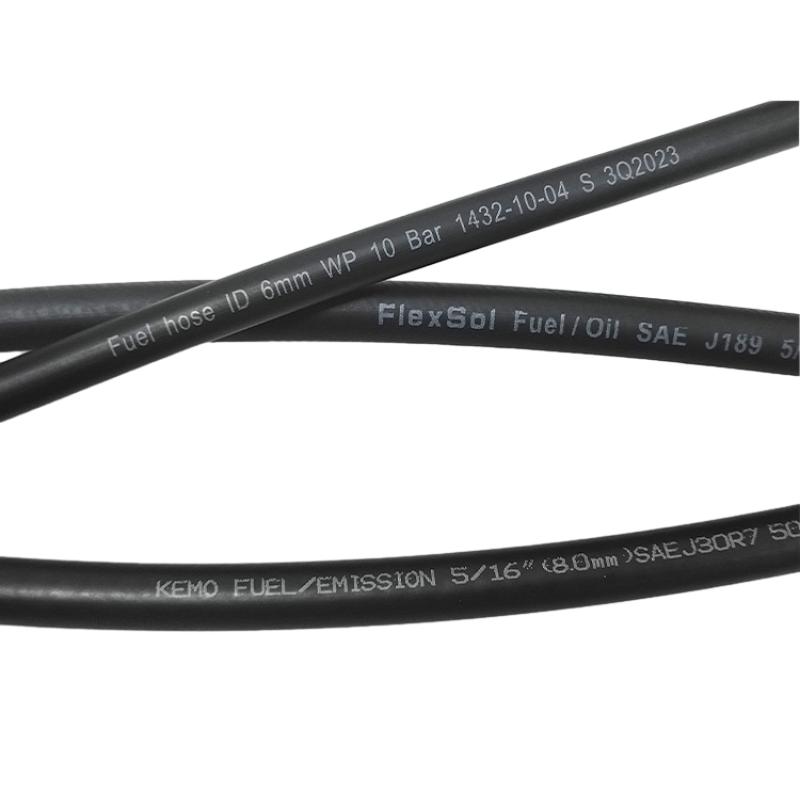
Fig 3: Automotive fuel lines installed in a modern engine bay.
Case Study: Reducing Evaporative Emissions in an OEM Fleet
A major automotive OEM faced challenges meeting stringent evaporative emission regulations for their light-duty truck fleet, particularly concerning fuel permeation through their standard car fuel lines. The existing R6 hoses, while compliant for basic fuel transfer, exhibited permeation rates that pushed the limits of the new environmental standards, especially with E10 fuel.
Solution: We collaborated with the OEM to implement a specialized variant of our SAE J30R7 fuel line, featuring an enhanced NBR liner with improved barrier properties and a robust CR outer cover. This solution was specifically engineered to reduce permeation without compromising flexibility or pressure resistance.
Results: Post-implementation, the OEM observed a 35% reduction in fuel vapor permeation across their fleet, enabling full compliance with the updated emission standards. The enhanced durability of the CR outer cover also led to a 15% decrease in warranty claims related to hose degradation over a three-year period. This successful deployment demonstrated the value of our engineered fuel lines in addressing complex regulatory and operational challenges, while delivering cost savings through extended service life and reduced environmental impact.
Vendor Comparison and Competitive Advantages
In a competitive market for automotive fuel line components, distinguishing factors become crucial for B2B procurement and engineering teams. Our commitment to superior quality, technical innovation, and customer-centric service positions us as a leading partner.
Key Differentiators:
- Material Expertise: Decades of experience in polymer science and rubber compounding allow us to formulate proprietary materials that exceed standard SAE J30R6/R7 requirements, particularly for chemical resistance and temperature stability.
- Advanced Manufacturing: Our facilities utilize state-of-the-art extrusion and braiding technologies, coupled with rigorous in-process quality control, ensuring consistent product quality and dimensional accuracy.
- Comprehensive Testing: Beyond standard compliance, we conduct extended life cycle testing, burst pressure testing, and advanced permeation analysis to guarantee performance under real-world stress conditions.
- Customization Capabilities: We offer extensive customization for specific OEM requirements, including bespoke lengths, diameters, multi-layer constructions (e.g., for e85 fuel line needs), and integrated fittings.
- Reliable Supply Chain: Our robust global supply chain ensures timely delivery and consistent material sourcing, minimizing disruptions for our clients.
Comparative Analysis: Standard vs. KemoHose SAE J30R6/R7
| Feature/Parameter | Standard SAE J30R6/R7 (Typical Market) | KemoHose Fuel Hose SAE J30R6/R7 |
|---|---|---|
| Max Operating Temp. | +100°C (212°F) | +125°C (257°F) (Enhanced Heat Resistance) |
| Max Working Pressure | 0.34 MPa (50 psi) | 0.5 MPa (72 psi) (Higher Safety Margin) |
| Ozone Resistance (Rating) | Good (R6), Excellent (R7) | Superior (70hr @ 50pphm, no cracks) |
| Flexibility @ -40°C | Maintains flexibility (SAE min) | Excellent (Exceeds SAE requirements) |
| Fuel Permeation (E10) | Meets SAE J30 | Reduced by up to 35% (Enhanced liner) |
| Expected Service Life | Typically 3-5 years | 5-10 years (Extended Durability) |
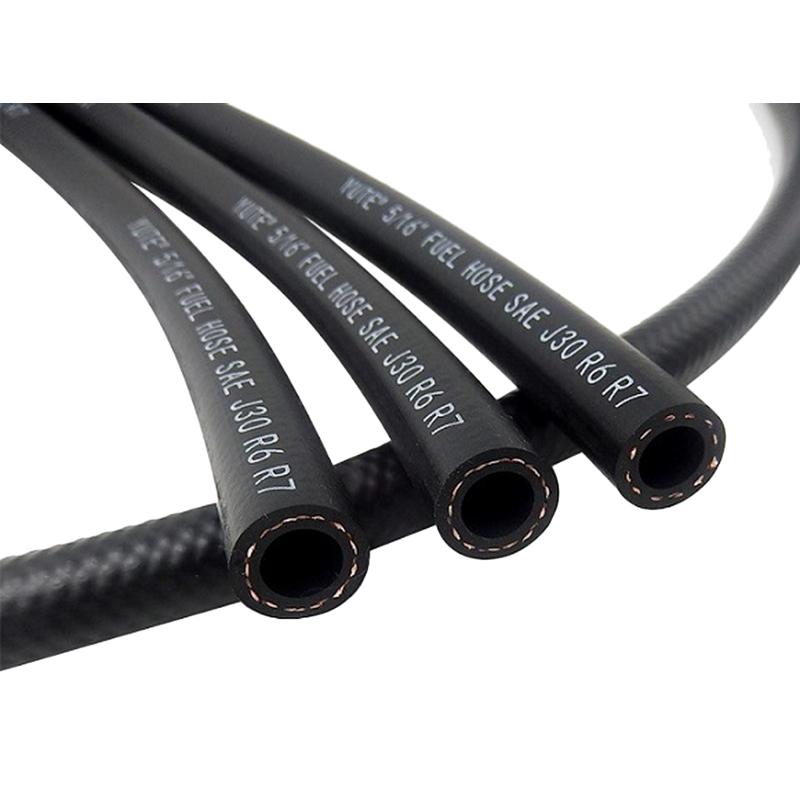
Fig 4: Quality assurance testing in our modern laboratory facilities.
Customized Solutions and OEM Partnership
Recognizing that off-the-shelf solutions do not always meet the unique demands of every application, we specialize in providing customized fuel hose diesel and gasoline line solutions. Our engineering team collaborates closely with OEMs and system integrators to develop tailor-made products that integrate seamlessly into complex fuel systems.
Our Customization Capabilities Include:
- Specific Bore Sizes & Lengths: Production of hoses in non-standard diameters and precise lengths to optimize routing and minimize waste.
- Material Optimization: Development of custom rubber compounds for specific fuel compatibility (e.g., higher bio-diesel concentrations, advanced E85 resistance), extreme temperature ranges, or enhanced abrasion/chemical resistance.
- Multi-Layer Constructions: Engineering multi-layer hoses with barrier materials (e.g., FKM, ETFE) to achieve ultra-low permeation rates, meeting the most stringent emission standards.
- Integrated Fittings & Assemblies: Supplying pre-assembled fuel lines with specific quick-connects, crimp fittings, or specialized connectors to streamline production lines and ensure leak-proof connections.
- Color & Branding: Custom outer cover colors for identification or integration of client branding.
- Protection Sleeves: Addition of external protection sleeves (e.g., braided textiles, convoluted tubing) for increased abrasion, heat, or UV resistance in particularly harsh environments.
Our agile development process, from initial concept and prototyping to rigorous validation and mass production, ensures that custom solutions meet performance targets and are delivered on schedule. We are proud to be a certified supplier to several leading automotive and heavy equipment manufacturers, a testament to our quality and reliability.
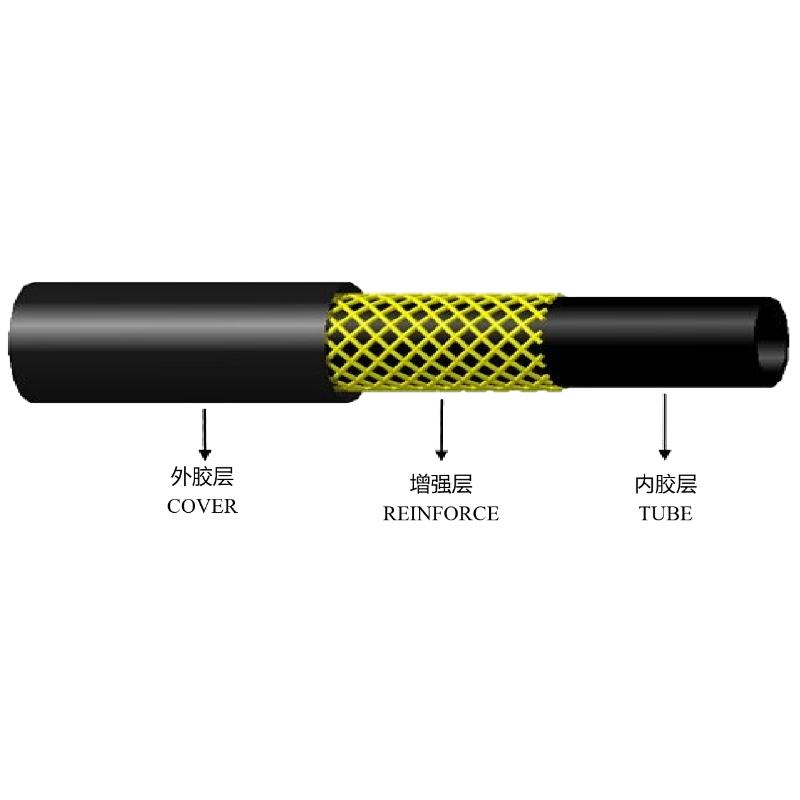
Fig 5: Various custom-engineered fuel hose assemblies.
Trustworthiness: FAQ, Lead Time, Warranty & Support
Frequently Asked Questions (FAQ):
Q1: What is the primary difference between SAE J30R6 and J30R7 fuel hoses?
A1: Both R6 and R7 are suitable for low-pressure fuel applications. The key distinction often lies in their ozone resistance and specific application; R7 typically offers superior ozone resistance and is often specified for emission control systems and carburetor vents, where exposure to ozone is more prevalent. Our R7 variant integrates enhanced materials for even greater durability.
Q2: Can your fuel lines handle E85 fuel?
A2: Standard SAE J30R6/R7 hoses are primarily designed for gasoline and diesel (up to E10/B20). For pure E85 fuel line applications, we recommend our specialized multi-layer hoses featuring fluoropolymer (FKM) or ECO liners, which provide superior chemical resistance and ultra-low permeation required for high-ethanol fuels. Please contact us for detailed specifications for E85 compatibility.
Q3: What is the typical lead time for large orders?
A3: For standard stock items, lead time is typically 2-4 weeks. For custom-engineered solutions or large-volume OEM orders, lead times can range from 6-12 weeks, depending on material availability, customization complexity, and production scheduling. We work closely with our clients to establish realistic timelines and maintain consistent communication throughout the order fulfillment process.
Q4: What warranty do you offer on your automotive fuel line products?
A4: We provide a comprehensive 1-year warranty against manufacturing defects from the date of purchase. Our products are designed for durability and are rigorously tested to meet or exceed industry standards. Specific warranty terms for OEM partnerships can be negotiated based on project requirements and volume.
Q5: Do you offer after-sales support and technical assistance?
A5: Yes, our dedicated technical support team is available to assist with product selection, installation guidance, and troubleshooting. We also provide detailed technical data sheets and expert consultation to ensure optimal performance of our fuel lines in your specific applications. Customer satisfaction is our priority.
Lead Time and Fulfillment:
We understand the critical importance of timely delivery in B2B operations. Our advanced logistics and inventory management systems are designed to minimize lead times. For standard configurations of Fuel Hose SAE J30R6/R7, we maintain a robust stock, allowing for rapid dispatch. For customized orders, our project management team provides clear timelines and regular updates, from design approval to production and shipment.
Warranty Commitments:
KemoHose stands behind the quality and performance of our products. All Fuel Hose SAE J30R6/R7 products come with a standard 1-year limited warranty covering defects in materials and workmanship. This commitment reflects our confidence in our manufacturing processes and the durability of our engineering. Extended warranty options are available for strategic partners and high-volume projects.
Customer Support:
Our client relationships extend beyond product delivery. Our experienced customer support and technical sales teams are available to provide expert advice, assist with product integration, and address any technical queries. We aim to be a long-term partner, offering continuous support to optimize the performance and longevity of your fuel systems.
Conclusion
The demand for high-performance fuel hose diesel and gasoline solutions is continually evolving, driven by technological advancements, environmental regulations, and the need for enhanced reliability. Our Fuel Hose SAE J30R6/R7 embodies the pinnacle of engineering excellence, offering superior material compatibility, robust construction, and proven durability for the most demanding automotive and industrial applications. By prioritizing precision manufacturing, rigorous testing, and continuous innovation, we deliver fuel line solutions that not only meet but exceed industry standards and customer expectations. Partner with us for reliable, high-quality fuel delivery systems that drive performance and ensure peace of mind.
References
- SAE International. (2018). SAE J30: Fuel and Oil Hoses. Society of Automotive Engineers.
- ASTM International. (2019). ASTM D471: Standard Test Method for Rubber Property—Effect of Liquids. ASTM International.
- Environmental Protection Agency (EPA). (2020). Vehicle and Engine Emission Regulations. US EPA.
- California Air Resources Board (CARB). (2021). Evaporative Emission Standards for Passenger Cars, Light-Duty Trucks, and Medium-Duty Vehicles. CARB.
- Nitrile Butadiene Rubber (NBR) Properties and Applications. Chemours Company.
- The Elastomeric Technology Handbook. (2007). K. F. C. W. A. C. K. P. A. Stevens.
Latest news
-
Transmission Oil Cooler Pipe Maintenance and Selection Guide
NewsApr.16,2026
-
Ultimate Guide to Choosing Transmission Oil Cooler Line Hose
NewsApr.09,2026
-
Essential Guide to Transmission Oil Cooler Hose 5/16 for Vehicle Longevity
NewsApr.07,2026
-
Understanding the Critical Role of Transmission Oil Cooler Hose 1 2 for Vehicle Longevity
NewsApr.04,2026
-
Understanding Transmission Oil Coolant Lines For Optimal Vehicle Performance
NewsMar.31,2026
-
Comprehensive Guide to Oil Coolant Pipe Selection and Industrial Applications
NewsMar.28,2026
 Afrikaans
 Albanian
 Amharic
 Arabic
 Armenian
 Azerbaijani
 Basque
 Belarusian
 Bengali
 Bosnian
 Bulgarian
 Catalan
 Cebuano
 Corsican
 Croatian
 Czech
Czech
 Danish
 Dutch
Dutch
 Esperanto
 Estonian
 Finnish
 French
 Frisian
 Galician
 Georgian
 German
 Greek
Greek
 Gujarati
 Haitian Creole
 Hausa
Hausa
 Hawaiian
 Hebrew
 Hindi
Hindi
 Miao
Miao
 Hungarian
 Icelandic
 Igbo
Igbo
 Indonesian
 Irish
Irish
 Italian
 Japanese
 Javanese
 Kannada
 Kazakh
 Khmer
Khmer
 Rwandese
 Korean
 Kurdish
 Kyrgyz
 Lao
Lao
 Latin
Latin
 Latvian
 Lithuanian
 Luxembourgish
 Macedonian
 Malgashi
 Malay
Malay
 Malayalam
 Maltese
 Maori
Maori
 Marathi
 Mongolian
 Myanmar
 Nepali
 Norwegian
 Norwegian
 Occitan
 Pashto
 Persian
 Polish
 Portuguese
 Punjabi
 Romanian
 Russian
 Samoan
 Scottish Gaelic
 Serbian
 Sesotho
 Shona
Shona
 Sindhi
 Sinhala
 Slovak
 Slovenian
 Somali
 Spanish
 Sundanese
 Swahili
 Swedish
 Tagalog
 Tajik
Tajik
 Tamil
Tamil
 Tatar
Tatar
 Telugu
 Thai
Thai
 Turkish
 Turkmen
 Ukrainian
 Urdu
Urdu
 Uighur
 Uzbek
Uzbek
 Vietnamese
 Welsh
Welsh
 Bantu
Bantu
 Yiddish
 Yoruba
 Zulu
Zulu
 English