
Fuel Hose SAE J30R9 – Low Permeation, EFI Grade, E85 Safe
Nov . 07, 2025 12:45 Back to list
Fuel Hose SAE J30R9 – Low Permeation, EFI Grade, E85 Safe
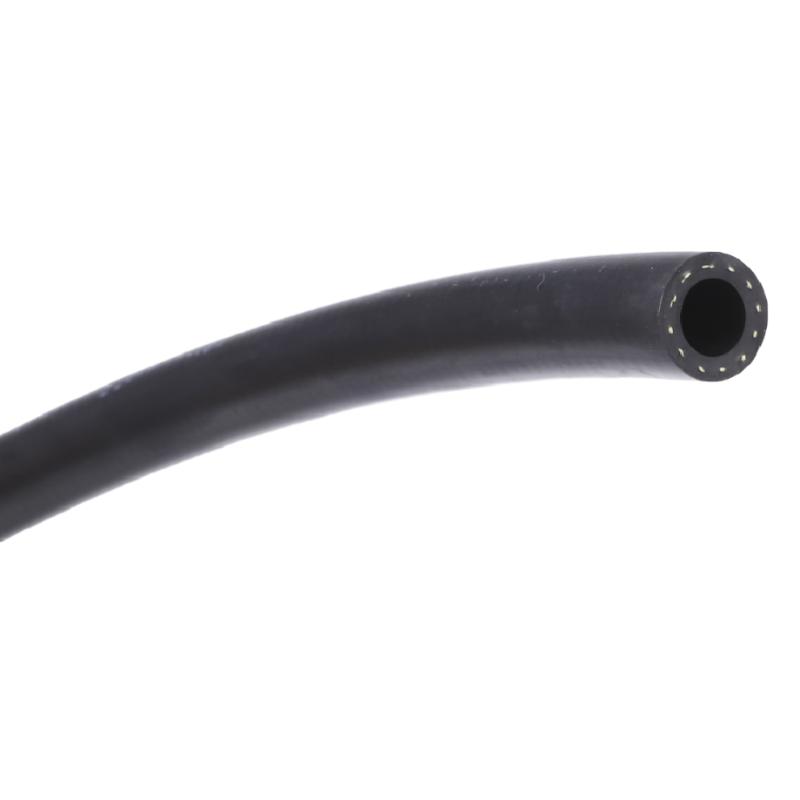
If you work anywhere near powertrains, you’ve heard whispers about new hose chemistries, evaporative limits, and ethanol creep. That’s exactly where the Fuel Hose SAE J30R9 shows up—quietly doing the work in modern EFI systems while ticking boxes that regulators (and fleet managers) actually care about.
 Industry snapshot—what’s changing and why it matters:
- Gasoline blends: E10 is baseline, E15 rising, and E85 present in fleets. Elastomer compatibility is no longer “nice to have,” it’s table stakes.
- Emissions: OEMs chase lower permeation rates because evaporative losses hurt numbers and reputations.
- Packaging: Tighter engine bays demand hoses that bend tighter without kinking, and survive heat soak that honestly feels brutal after a dyno pull.
To be honest, I’ve seen too many “universal” hoses harden or sweat fuel after a season. That’s why the Fuel Hose SAE J30R9 specification gets so much respect in the field—it’s designed for high-pressure EFI, aggressive fuels, and low permeation.
Industry snapshot—what’s changing and why it matters:
- Gasoline blends: E10 is baseline, E15 rising, and E85 present in fleets. Elastomer compatibility is no longer “nice to have,” it’s table stakes.
- Emissions: OEMs chase lower permeation rates because evaporative losses hurt numbers and reputations.
- Packaging: Tighter engine bays demand hoses that bend tighter without kinking, and survive heat soak that honestly feels brutal after a dyno pull.
To be honest, I’ve seen too many “universal” hoses harden or sweat fuel after a season. That’s why the Fuel Hose SAE J30R9 specification gets so much respect in the field—it’s designed for high-pressure EFI, aggressive fuels, and low permeation.
 Where it’s used (and why teams pick it):
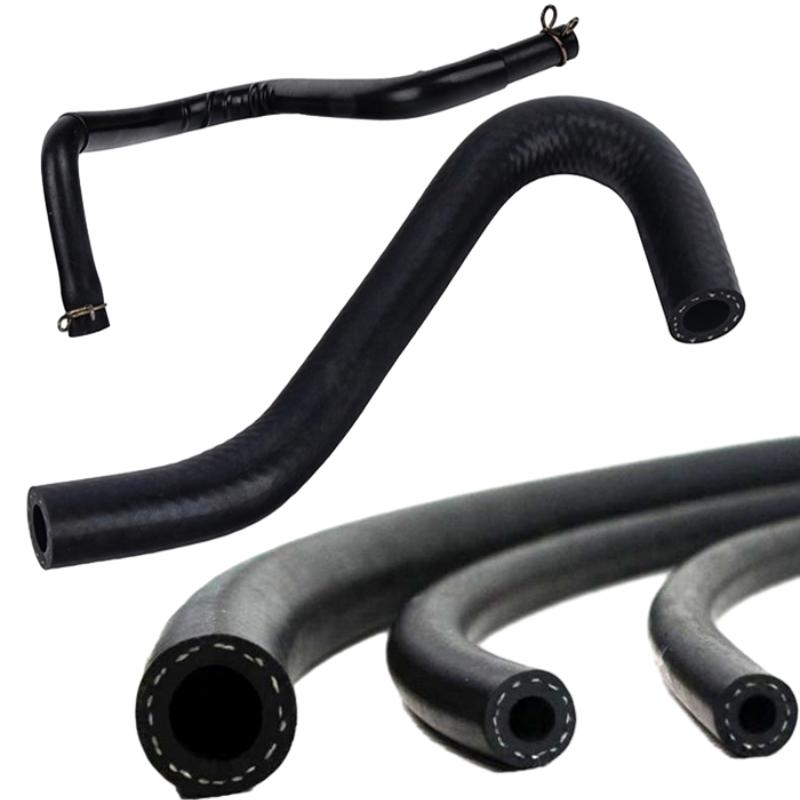
- EFI feed/return lines on passenger cars, light trucks, and performance builds
- Flex sections on upfits and retrofits where hard lines aren’t practical
- Low-permeation replacements in emissions-sensitive fleets
Advantages people actually notice:
- Stable under E10–E85 fuels; resists swelling/softening
- Tolerates heat soak near turbos and tight radii without collapse
- Predictable clamp retention—aramid reinforcement helps hold pressure spikes
Process, testing, and service life—quick tour:
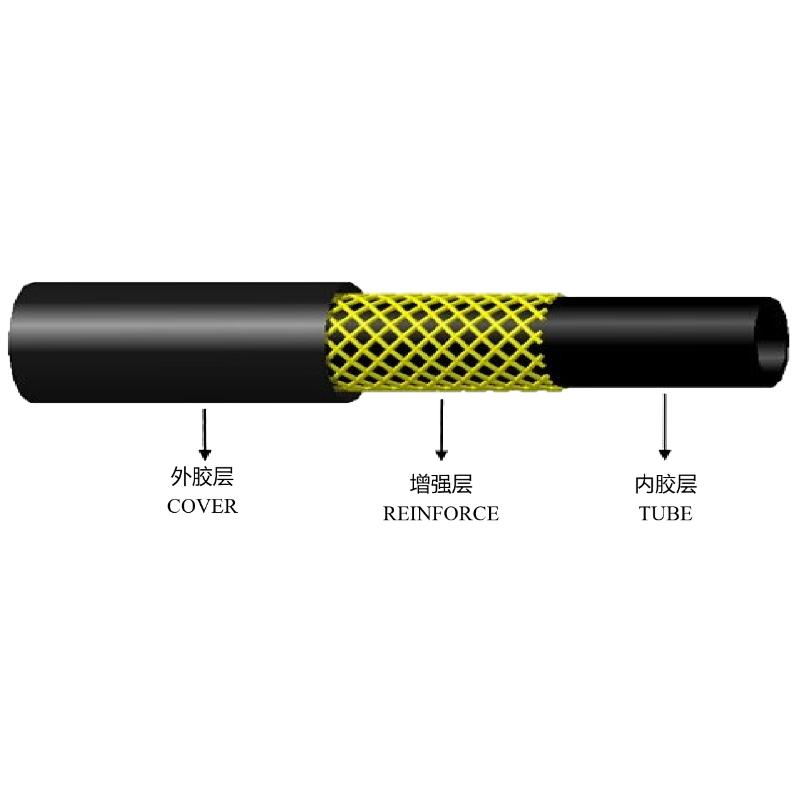
- Materials: FKM inner tube, aramid braid, ECO cover.
- Methods: Precision extrusion, controlled braid angle, vulcanization; cut-length or bulk reels.
- Testing: Fuel immersion (ASTM D471), ozone (ASTM D1149), burst/impulse, permeability and fuel C/B exposure per SAE J30; visual/kink inspections.
- Typical service life: 5–10 years in well-routed engine bays; heat shields extend life.
Where it’s used (and why teams pick it):
- EFI feed/return lines on passenger cars, light trucks, and performance builds
- Flex sections on upfits and retrofits where hard lines aren’t practical
- Low-permeation replacements in emissions-sensitive fleets
Advantages people actually notice:
- Stable under E10–E85 fuels; resists swelling/softening
- Tolerates heat soak near turbos and tight radii without collapse
- Predictable clamp retention—aramid reinforcement helps hold pressure spikes
Process, testing, and service life—quick tour:
- Materials: FKM inner tube, aramid braid, ECO cover.
- Methods: Precision extrusion, controlled braid angle, vulcanization; cut-length or bulk reels.
- Testing: Fuel immersion (ASTM D471), ozone (ASTM D1149), burst/impulse, permeability and fuel C/B exposure per SAE J30; visual/kink inspections.
- Typical service life: 5–10 years in well-routed engine bays; heat shields extend life.
Customization most buyers ask for:
- Cut-to-length, private labeling, sheath/heat sleeve, pre-crimped ends
- Size ranges and tighter bend-radius variants for cramped bays
- Lot traceability and PPAP packages for OEM projects
Mini case study (fleet, mixed E15/E85):
A Midwest service company swapped aging lines for Fuel Hose SAE J30R9 across 40 vans. After 12 months, leak events dropped to zero; idle fuel smell (subjective, I know) disappeared. Mechanics reported easier clamps re-torque—and fewer callbacks. Not flashy, but it saved weekends.
 Notes on installation (quick, but important):
- Use EFI-rated clamps or crimp collars; avoid worm-drive where pressure spikes occur.
- Keep away from sharp edges; add heat shield near manifolds.
- Verify compatibility for E0–E85 and ULSD if used in mixed-fuel environments.
Compliance and paperwork that calm auditors:
- SAE J30 R9 fuel hose standard with low-permeation characteristics
- ISO/TS 16949:2009 manufacturing system
- Test reporting: burst, impulse, fuel immersion, ozone; PPAP on request
Final thought: specs are nice, but consistency is king. It seems that this Fuel Hose SAE J30R9 balances chemistry and reinforcement right—strong enough for EFI, flexible enough for tight installs, and honest about the conditions where it shines.
References
1) SAE J30: Fuel and Oil Hoses — https://www.sae.org/standards/content/j30_201202/
2) ISO/TS 16949:2009 — https://www.iso.org/standard/52844.html
3) ASTM D471: Rubber Property—Effect of Liquids — https://www.astm.org/d0471-16.html
4) ASTM D1149: Rubber Deterioration—Ozone Cracking — https://www.astm.org/d1149-16.html
5) US EPA Evaporative Emissions Overview — https://www.epa.gov/vehicle-and-fuel-emissions-testing/evaporative-emissions
Notes on installation (quick, but important):
- Use EFI-rated clamps or crimp collars; avoid worm-drive where pressure spikes occur.
- Keep away from sharp edges; add heat shield near manifolds.
- Verify compatibility for E0–E85 and ULSD if used in mixed-fuel environments.
Compliance and paperwork that calm auditors:
- SAE J30 R9 fuel hose standard with low-permeation characteristics
- ISO/TS 16949:2009 manufacturing system
- Test reporting: burst, impulse, fuel immersion, ozone; PPAP on request
Final thought: specs are nice, but consistency is king. It seems that this Fuel Hose SAE J30R9 balances chemistry and reinforcement right—strong enough for EFI, flexible enough for tight installs, and honest about the conditions where it shines.
References
1) SAE J30: Fuel and Oil Hoses — https://www.sae.org/standards/content/j30_201202/
2) ISO/TS 16949:2009 — https://www.iso.org/standard/52844.html
3) ASTM D471: Rubber Property—Effect of Liquids — https://www.astm.org/d0471-16.html
4) ASTM D1149: Rubber Deterioration—Ozone Cracking — https://www.astm.org/d1149-16.html
5) US EPA Evaporative Emissions Overview — https://www.epa.gov/vehicle-and-fuel-emissions-testing/evaporative-emissions
Industry snapshot—what’s changing and why it matters:
- Gasoline blends: E10 is baseline, E15 rising, and E85 present in fleets. Elastomer compatibility is no longer “nice to have,” it’s table stakes.
- Emissions: OEMs chase lower permeation rates because evaporative losses hurt numbers and reputations.
- Packaging: Tighter engine bays demand hoses that bend tighter without kinking, and survive heat soak that honestly feels brutal after a dyno pull.
To be honest, I’ve seen too many “universal” hoses harden or sweat fuel after a season. That’s why the Fuel Hose SAE J30R9 specification gets so much respect in the field—it’s designed for high-pressure EFI, aggressive fuels, and low permeation.
Technical specification (practical view)
| Tube | FKM (fluoroelastomer) for ethanol/petrol resistance |
| Reinforcement | Aramid braid (high tensile, stable under heat) |
| Cover | ECO (epichlorohydrin) for heat/ozone resilience |
| Temperature | -40℃ ~ +150℃ (-40°F ~ +300°F) |
| Working pressure | up to ≈1.0 MPa (≈145 psi), size-dependent |
| Burst pressure | ≥3× working (typ.), real-world use may vary |
| Permeation | Meets SAE J30R9 low-permeation limits; typical <≈15 g/m²/day |
| Sizes | Common: 5/16", 3/8", 1/2" (others on request) |
| Standard | SAE J30 R9 |
| Certificate | ISO/TS 16949:2009 |
| Origin | Niu Jiazhai Industrial Area, Changzhuang Town, Wei County, Hebei Province, China |
Where it’s used (and why teams pick it):
- EFI feed/return lines on passenger cars, light trucks, and performance builds
- Flex sections on upfits and retrofits where hard lines aren’t practical
- Low-permeation replacements in emissions-sensitive fleets
Advantages people actually notice:
- Stable under E10–E85 fuels; resists swelling/softening
- Tolerates heat soak near turbos and tight radii without collapse
- Predictable clamp retention—aramid reinforcement helps hold pressure spikes
Process, testing, and service life—quick tour:
- Materials: FKM inner tube, aramid braid, ECO cover.
- Methods: Precision extrusion, controlled braid angle, vulcanization; cut-length or bulk reels.
- Testing: Fuel immersion (ASTM D471), ozone (ASTM D1149), burst/impulse, permeability and fuel C/B exposure per SAE J30; visual/kink inspections.
- Typical service life: 5–10 years in well-routed engine bays; heat shields extend life.
Vendor comparison (indicative)
| Vendor | Compliance | Permeation | Notes |
|---|---|---|---|
| KEMO (Fuel Hose SAE J30R9) | SAE J30R9; ISO/TS 16949:2009 | Low, meets R9 limits | FKM/ECO + aramid; consistent crimp hold |
| Generic Import A | States “R9-like” | Varies ≈ higher | Check batch QC and ethanol data |
| Premium EU B | SAE J30R9; OEM-qualified | Low | Excellent docs; higher cost |
Notes on installation (quick, but important):
- Use EFI-rated clamps or crimp collars; avoid worm-drive where pressure spikes occur.
- Keep away from sharp edges; add heat shield near manifolds.
- Verify compatibility for E0–E85 and ULSD if used in mixed-fuel environments.
Compliance and paperwork that calm auditors:
- SAE J30 R9 fuel hose standard with low-permeation characteristics
- ISO/TS 16949:2009 manufacturing system
- Test reporting: burst, impulse, fuel immersion, ozone; PPAP on request
Final thought: specs are nice, but consistency is king. It seems that this Fuel Hose SAE J30R9 balances chemistry and reinforcement right—strong enough for EFI, flexible enough for tight installs, and honest about the conditions where it shines.
References
1) SAE J30: Fuel and Oil Hoses — https://www.sae.org/standards/content/j30_201202/
2) ISO/TS 16949:2009 — https://www.iso.org/standard/52844.html
3) ASTM D471: Rubber Property—Effect of Liquids — https://www.astm.org/d0471-16.html
4) ASTM D1149: Rubber Deterioration—Ozone Cracking — https://www.astm.org/d1149-16.html
5) US EPA Evaporative Emissions Overview — https://www.epa.gov/vehicle-and-fuel-emissions-testing/evaporative-emissions
Latest news
-
Transmission Oil Cooler Pipe Maintenance and Selection Guide
NewsApr.16,2026
-
Ultimate Guide to Choosing Transmission Oil Cooler Line Hose
NewsApr.09,2026
-
Essential Guide to Transmission Oil Cooler Hose 5/16 for Vehicle Longevity
NewsApr.07,2026
-
Understanding the Critical Role of Transmission Oil Cooler Hose 1 2 for Vehicle Longevity
NewsApr.04,2026
-
Understanding Transmission Oil Coolant Lines For Optimal Vehicle Performance
NewsMar.31,2026
-
Comprehensive Guide to Oil Coolant Pipe Selection and Industrial Applications
NewsMar.28,2026
 Afrikaans
 Albanian
 Amharic
 Arabic
 Armenian
 Azerbaijani
 Basque
 Belarusian
 Bengali
 Bosnian
 Bulgarian
 Catalan
 Cebuano
 Corsican
 Croatian
 Czech
Czech
 Danish
 Dutch
Dutch
 Esperanto
 Estonian
 Finnish
 French
 Frisian
 Galician
 Georgian
 German
 Greek
Greek
 Gujarati
 Haitian Creole
 Hausa
Hausa
 Hawaiian
 Hebrew
 Hindi
Hindi
 Miao
Miao
 Hungarian
 Icelandic
 Igbo
Igbo
 Indonesian
 Irish
Irish
 Italian
 Japanese
 Javanese
 Kannada
 Kazakh
 Khmer
Khmer
 Rwandese
 Korean
 Kurdish
 Kyrgyz
 Lao
Lao
 Latin
Latin
 Latvian
 Lithuanian
 Luxembourgish
 Macedonian
 Malgashi
 Malay
Malay
 Malayalam
 Maltese
 Maori
Maori
 Marathi
 Mongolian
 Myanmar
 Nepali
 Norwegian
 Norwegian
 Occitan
 Pashto
 Persian
 Polish
 Portuguese
 Punjabi
 Romanian
 Russian
 Samoan
 Scottish Gaelic
 Serbian
 Sesotho
 Shona
Shona
 Sindhi
 Sinhala
 Slovak
 Slovenian
 Somali
 Spanish
 Sundanese
 Swahili
 Swedish
 Tagalog
 Tajik
Tajik
 Tamil
Tamil
 Tatar
Tatar
 Telugu
 Thai
Thai
 Turkish
 Turkmen
 Ukrainian
 Urdu
Urdu
 Uighur
 Uzbek
Uzbek
 Vietnamese
 Welsh
Welsh
 Bantu
Bantu
 Yiddish
 Yoruba
 Zulu
Zulu
 English