
Flexible Hydraulic Brake Lines: Comprehensive Solutions for Vehicle and Marine Applications
Oct . 14, 2025 17:18 Back to list
Flexible Hydraulic Brake Lines: Comprehensive Solutions for Vehicle and Marine Applications
In the realm of braking systems, flexible hydraulic brake lines serve as the dynamic link between rigid components and moving parts, ensuring reliable fluid transmission under pressure. From specialized hydraline brake lines to versatile hydraulic brake hose and hydraulic brake line solutions, these components are critical for vehicles and hydraulic brake lines for boat trailers. Understanding their materials, applications, and maintenance is essential for ensuring safety and performance across diverse setups.
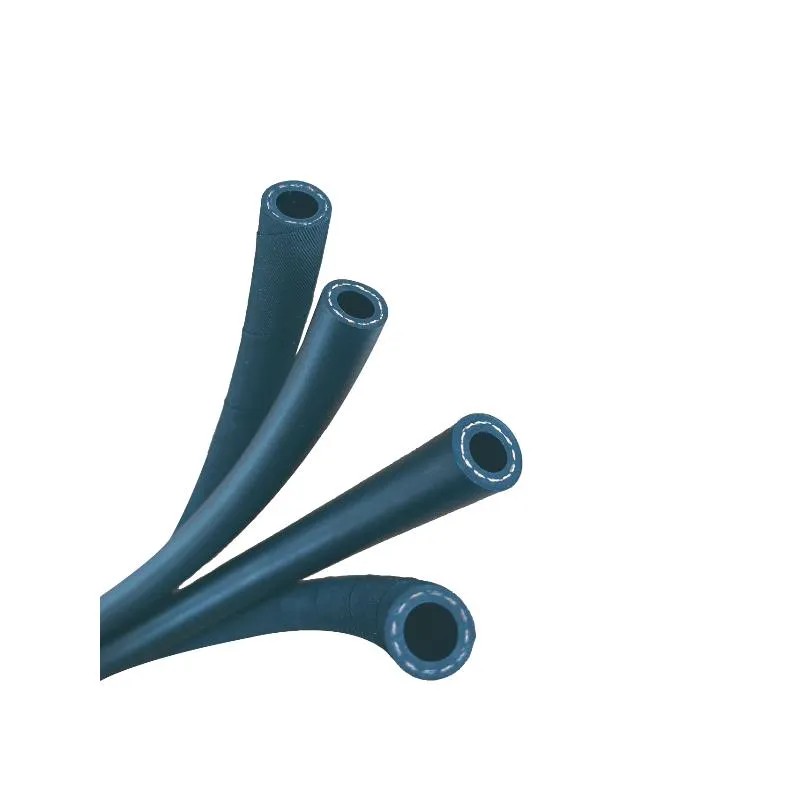
Flexible Hydraulic Brake Lines: Dynamic Performance for Fluid Transmission
Flexible hydraulic brake lines are engineered to accommodate the movement of suspension components, wheel assemblies, and other dynamic parts while maintaining consistent brake fluid pressure. These lines typically feature a multi-layer construction: an inner rubber or PTFE liner to resist fluid degradation, a reinforcing braid (aramid fiber, stainless steel, or textile), and an outer protective sheath to guard against abrasion and heat. For example, in a passenger car, flexible lines connect rigid brake lines to calipers, allowing the wheels to turn and suspension to travel without restricting fluid flow. Their ability to withstand up to 3,000 PSI of pressure while remaining flexible is crucial for responsive braking in all driving conditions.
Hydraline Brake Lines: Premium Solutions for Durability and Reliability
Hydraline brake lines are premium-grade flexible brake lines known for their exceptional durability and performance. Manufactured with advanced materials, such as reinforced rubber or PTFE with stainless steel braiding, these lines offer superior resistance to corrosion, heat, and mechanical stress. Fleet managers often choose hydraline brake lines for commercial vehicles due to their long lifespan and minimal maintenance requirements, while performance enthusiasts appreciate their ability to maintain consistent pedal feel under heavy braking. For instance, a racing car might use Hydraline lines with PTFE cores to resist boiling brake fluid during high-temperature track use, ensuring fade-free braking lap after lap.
Hydraulic Brake Hose: Flexible Connectors for Diverse Applications
Hydraulic brake hose serves as the flexible component in brake systems, connecting rigid lines to calipers, wheel cylinders, and other moving parts. Available in various materials—natural rubber, synthetic rubber, or PTFE—these hoses are designed to match specific application needs. A standard passenger car might use rubber hydraulic brake hose with a textile braid, while an off-road truck could opt for stainless steel-braided hoses to withstand abrasion and high pressures. Proper sizing and routing of the hose are critical to prevent kinking or overextension, which can reduce braking efficiency. Regular inspection for cracks, bulges, or leaks is essential to maintain safety, as a compromised hose can lead to sudden braking failure.
Hydraulic Brake Line: Rigid and Flexible Components for System Integrity
Hydraulic brake line encompasses both rigid tubing and flexible hoses, forming the complete hydraulic network of a braking system. Rigid lines, typically made of steel, copper-nickel, or stainless steel, provide stable fluid pathways along the chassis, while flexible lines allow movement at suspension points. In a typical setup, hydraulic brake line tubing runs from the master cylinder to a distribution block, then to each wheel via rigid lines and flexible hoses. For example, a truck’s hydraulic brake line system might include galvanized steel tubing for the main lines and reinforced rubber hoses at the wheels, balancing durability with flexibility. Ensuring all components are compatible with the vehicle’s brake fluid type (DOT 3, 4, or 5.1) is crucial to prevent material degradation.
Hydraulic Brake Lines for Boat Trailers: Marine-Grade Solutions for Saltwater Environments
Hydraulic brake lines for boat trailers are specially designed to withstand the harsh conditions of marine use, including saltwater exposure, humidity, and constant vibration during transport. These lines often feature corrosion-resistant materials like stainless steel braiding or PTFE with marine-grade coatings to prevent rust and degradation. A boat trailer owner might choose hydraulic brake lines for boat trailers with extra-long hoses to accommodate the trailer’s suspension movement, along with fittings that resist saltwater corrosion. Regular maintenance, such as flushing the system with fresh water after saltwater use, is essential to extend the lifespan of these lines and ensure reliable braking for heavy boat loads.
Hydraulic Brake Lines FAQs
What materials are best for flexible hydraulic brake lines in saltwater environments?
- Stainless Steel Braided Hoses: Offer excellent corrosion resistance, ideal for boat trailers or coastal vehicles.
- PTFE with Stainless Steel Braid: Resists saltwater, chemicals, and high temperatures, suitable for marine applications where durability is critical.
Can I replace a hydraulic brake hose without replacing the entire line?
Yes, flexible hoses can be replaced individually, while rigid lines may need section replacement. Ensure the new hose matches the original 规格 (length, fitting type, pressure rating) and always bleed the brake system after replacement to remove air bubbles.
How do Hydraline brake lines differ from standard brake hoses?
Hydraline brake lines often feature advanced materials (e.g., PTFE cores, double-braided stainless steel) and tighter manufacturing tolerances, resulting in reduced expansion under pressure, better heat resistance, and longer lifespan compared to standard rubber hoses.
What causes hydraulic brake lines to fail?
- Abrasion: Rubbing against chassis components or road debris.
- Corrosion: Exposure to road salt, saltwater, or moisture.
- Age: Rubber hoses degrade over time, even without visible damage.
- Overextension: Excessive suspension travel in lifted vehicles or trailers.
How do I prevent kinking in hydraulic brake lines?
- Route lines with gentle curves, avoiding sharp bends.
- Use support clips to secure lines and prevent movement against other components.
- For trailers or lifted vehicles, ensure lines are long enough to accommodate full suspension travel without stretching.
Can I use automotive hydraulic brake lines on a boat trailer?
Automotive lines may not withstand marine environments. Choose hydraulic brake lines for boat trailers with corrosion-resistant materials and marine-grade fittings to prevent saltwater damage and ensure reliable braking for heavy loads.
How often should I inspect hydraulic brake lines?
Inspect lines annually, or more frequently if driving in harsh conditions (salt, off-road, marine use). Look for cracks, bulges, leaks, or corrosion, and replace any compromised components immediately to maintain braking system safety.
By prioritizing quality flexible hydraulic brake lines, hydraline brake lines, and specialized solutions for boat trailers, you ensure that braking systems remain reliable across vehicles and marine applications. Proper material selection, regular inspection, and timely replacement of worn components are essential for maintaining optimal braking performance and safety, whether on the road or transporting boats to the water.
Latest news
-
Transmission Oil Cooler Pipe Maintenance and Selection Guide
NewsApr.16,2026
-
Ultimate Guide to Choosing Transmission Oil Cooler Line Hose
NewsApr.09,2026
-
Essential Guide to Transmission Oil Cooler Hose 5/16 for Vehicle Longevity
NewsApr.07,2026
-
Understanding the Critical Role of Transmission Oil Cooler Hose 1 2 for Vehicle Longevity
NewsApr.04,2026
-
Understanding Transmission Oil Coolant Lines For Optimal Vehicle Performance
NewsMar.31,2026
-
Comprehensive Guide to Oil Coolant Pipe Selection and Industrial Applications
NewsMar.28,2026
 Afrikaans
 Albanian
 Amharic
 Arabic
 Armenian
 Azerbaijani
 Basque
 Belarusian
 Bengali
 Bosnian
 Bulgarian
 Catalan
 Cebuano
 Corsican
 Croatian
 Czech
Czech
 Danish
 Dutch
Dutch
 Esperanto
 Estonian
 Finnish
 French
 Frisian
 Galician
 Georgian
 German
 Greek
Greek
 Gujarati
 Haitian Creole
 Hausa
Hausa
 Hawaiian
 Hebrew
 Hindi
Hindi
 Miao
Miao
 Hungarian
 Icelandic
 Igbo
Igbo
 Indonesian
 Irish
Irish
 Italian
 Japanese
 Javanese
 Kannada
 Kazakh
 Khmer
Khmer
 Rwandese
 Korean
 Kurdish
 Kyrgyz
 Lao
Lao
 Latin
Latin
 Latvian
 Lithuanian
 Luxembourgish
 Macedonian
 Malgashi
 Malay
Malay
 Malayalam
 Maltese
 Maori
Maori
 Marathi
 Mongolian
 Myanmar
 Nepali
 Norwegian
 Norwegian
 Occitan
 Pashto
 Persian
 Polish
 Portuguese
 Punjabi
 Romanian
 Russian
 Samoan
 Scottish Gaelic
 Serbian
 Sesotho
 Shona
Shona
 Sindhi
 Sinhala
 Slovak
 Slovenian
 Somali
 Spanish
 Sundanese
 Swahili
 Swedish
 Tagalog
 Tajik
Tajik
 Tamil
Tamil
 Tatar
Tatar
 Telugu
 Thai
Thai
 Turkish
 Turkmen
 Ukrainian
 Urdu
Urdu
 Uighur
 Uzbek
Uzbek
 Vietnamese
 Welsh
Welsh
 Bantu
Bantu
 Yiddish
 Yoruba
 Zulu
Zulu
 English