
Car Heater Hose: Heat-Resistant, OEM-Fit—Ready to Upgrade?
Oct . 06, 2025 00:30 Back to list
Car Heater Hose: Heat-Resistant, OEM-Fit—Ready to Upgrade?
Heater Hose SAE J20R3: what buyers are asking in 2025
If you’re sourcing a car heater hose for modern powertrain auxiliaries, you’ve probably noticed the bar has quietly moved. Tighter engine bays, hotter under‑hood cycles, longer warranties—yet shorter lead times. I’ve been talking with procurement teams and line mechanics, and, to be honest, the same themes keep surfacing: predictable quality, clean documentation, and hose that doesn’t get brittle mid-season.
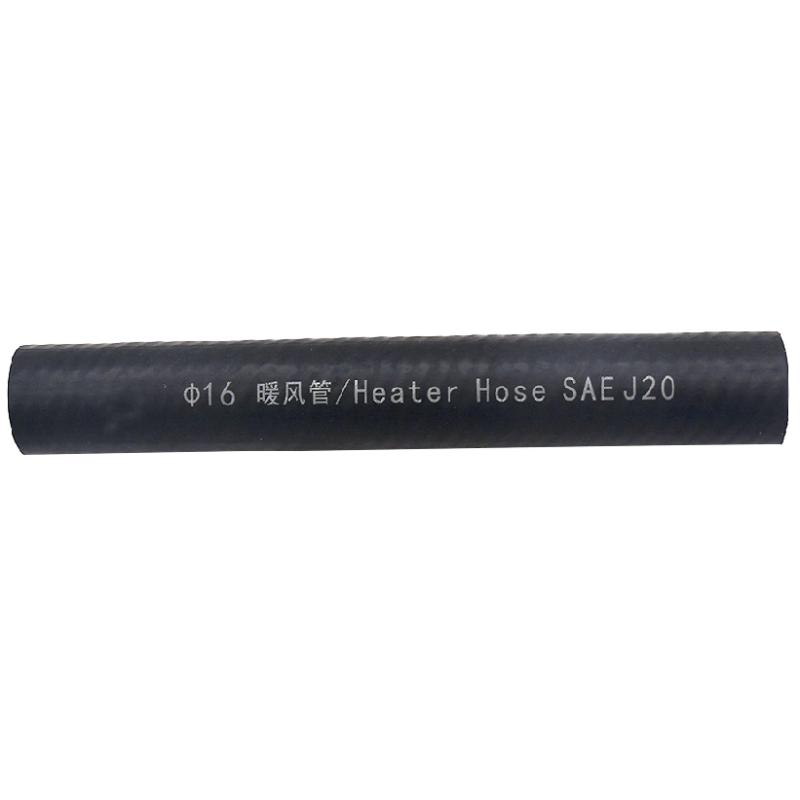
Quick take: what this product is
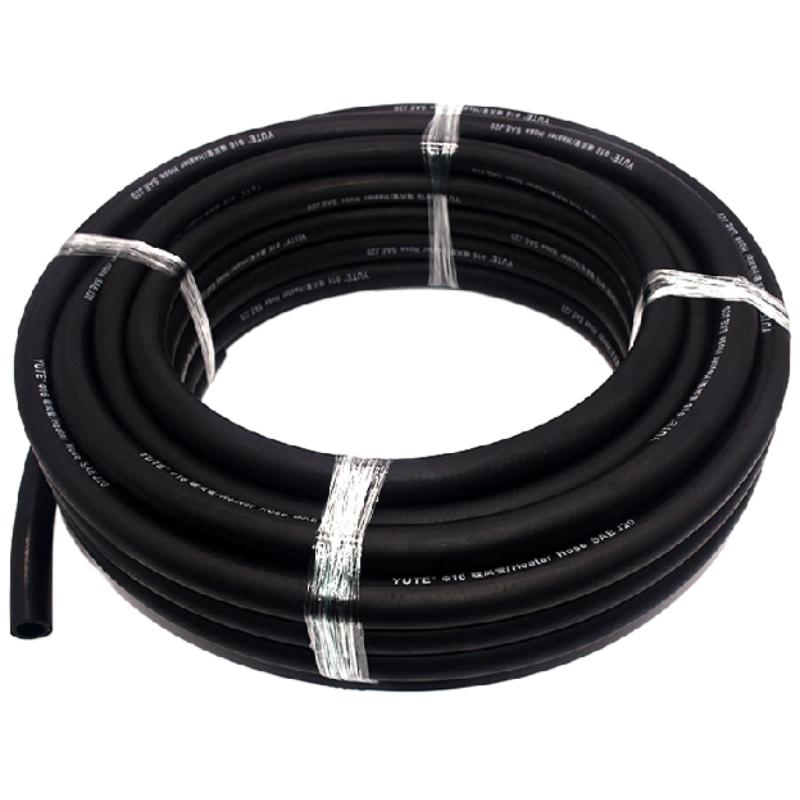
The Heater Hose SAE J20R3 from Hebei, China (Niu Jiazhai Industrial Area, Changzhuang Town, Wei County) is an EPDM-based auxiliary hose with PET textile reinforcement, designed around SAE J20R3. Temperature window is listed as −40℃ to +150℃ (−40°F to +300°F). The manufacturer notes an application for transporting oil to automatic transmission fluid systems—yes, that’s a specialized niche, and in practice buyers will validate fluid compatibility against their exact media and duty cycle, which is standard best practice in the field.
Headline specs
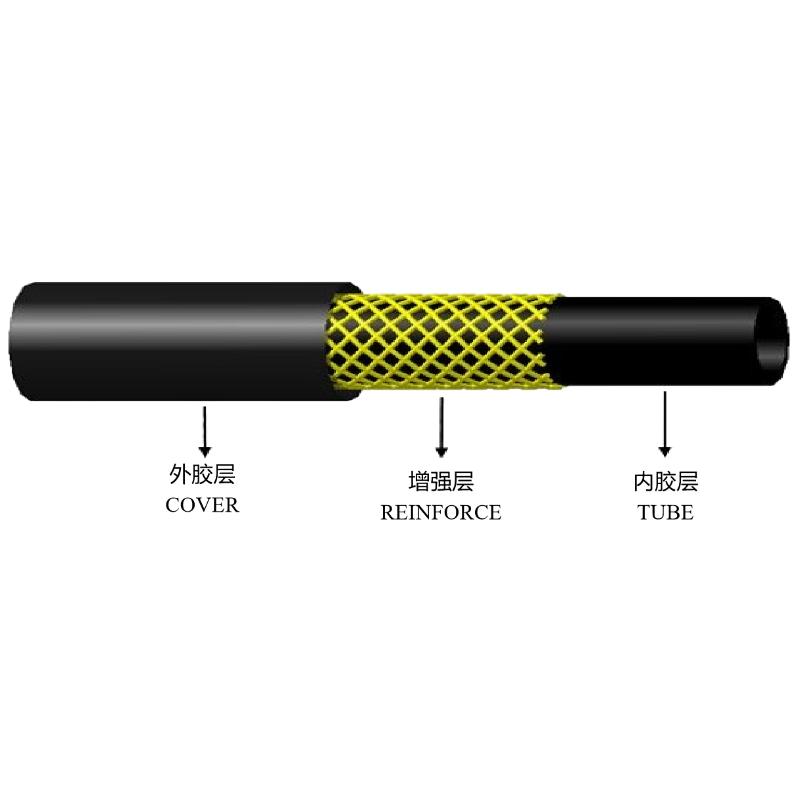
| Tube | High-quality EPDM rubber |
| Reinforcement | High tensile synthetic textile (PET) |
| Cover | High-quality EPDM rubber |
| Temperature range | ≈ −40℃ ~ +150℃ (real‑world use may vary) |
| Standard | SAE J20R3 |
| Certification | ISO/TS 16949:2009 (supplier QMS) |
| Application | Transporting oil to automatic transmission fluid circuits |
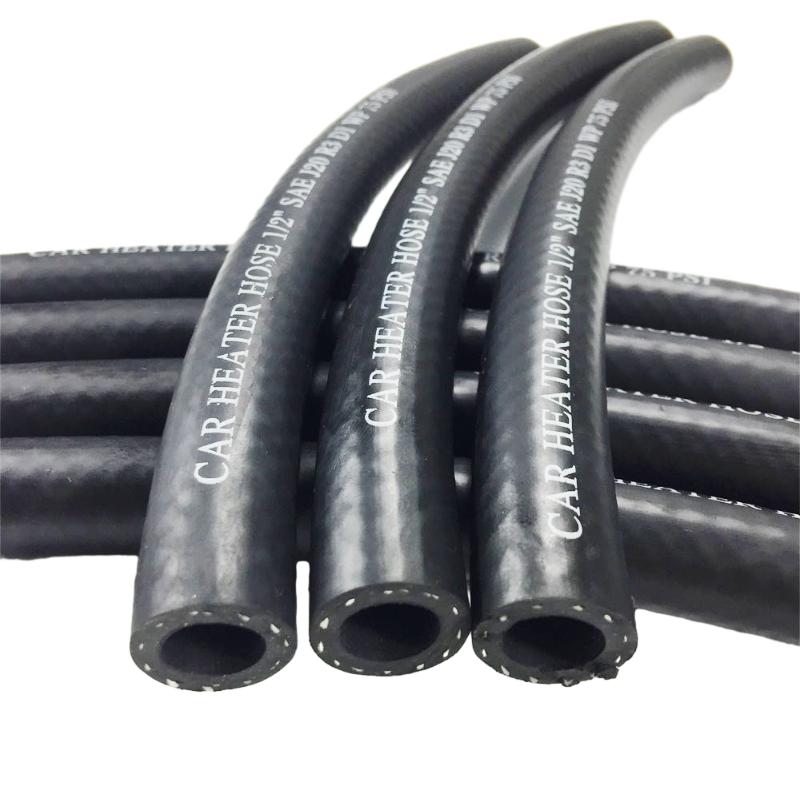
Process flow and testing (short version)
- Materials: EPDM compound mixing with anti‑ozonants and heat stabilizers; PET yarn spooling.
- Methods: Continuous extrusion of tube → textile braid/wrap reinforcement → cover extrusion → controlled curing (often hot‑air or salt‑bath) → cut/print.
- Testing standards: Dimensional checks (SAE J20), heat aging (ASTM D573), ozone resistance (ASTM D1149), bend and kink inspection, burst/impulse per SAE J20 guidance.
- Service life: intended for multi‑year under‑hood duty; actual life depends on routing, clamps, media, and thermal cycling.
- Industries: light vehicle, aftermarket service, small OEMs, fleet maintenance. EV auxiliaries too, where thermal loops still exist.
Many customers say consistency is the winner: clean cut edges, stable wall thickness, legible print lines. It seems small, but in a Monday-morning bay, that’s everything.
Where it’s used
- Aux transmission oil cooler links and return lines (verify media before deployment).
- Under‑hood auxiliary fluid transfer in compact engine bays.
- Retrofit kits and aftermarket replacements where SAE J20R3 is specified.
Advantages I actually notice in the field
- Wide temperature window for cold starts and summer idling.
- Textile reinforcement that resists kinking on tighter bends.
- Standardized build (SAE J20R3) for easier spec matching and auditing.
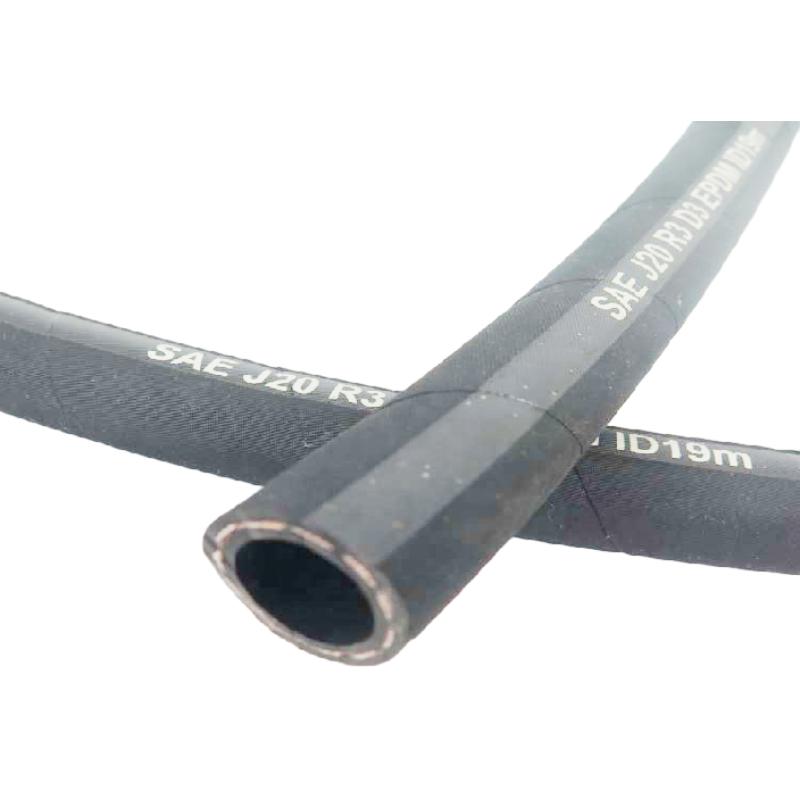
Vendor comparison (buyer’s snapshot)
| Vendor | Compliance & Docs | Customization | Buyer Notes |
|---|---|---|---|
| KEMO Hose (Hebei) | SAE J20R3, ISO/TS 16949:2009; traceable batches | ID/OD, cut lengths, printing, stripes | Predictable lead times; factory-level tech response |
| Generic Importer A | Claims SAE; limited certificates on request | Limited; catalog only | OK for spot buys; variable batch consistency |
| Local Distributor B | Good paperwork; mixed sourcing | Cut-to-length, same-day pickup | Convenient; price premium |
Customization and real-world deployment
For a car heater hose in tight routes, ask for bend‑friendly wall designs, printed lot codes, and pre-cut kits. One midwestern fleet told me they switched to labeled assemblies and, surprisingly, saw fewer routing errors during winter overhauls.
Testing notes and paperwork
Look for SAE J20R3 conformance statements, heat/ozone test records (ASTM D573/D1149), and a supplier QMS certificate (ISO/TS 16949:2009). For any car heater hose carrying oil or ATF, I guess most engineers will run a bench check with their specific fluid blend and temperature cycle before full deployment—still the smartest move.
Bottom line
If your spec calls for SAE J20R3, this EPDM/PET construction is a credible option. The mix of documented standards, factory origin, and practical temperature tolerance ticks the boxes buyers keep asking about. And yes, double‑check media compatibility—always worth the extra hour.
Authoritative citations
- SAE International. SAE J20: Coolant System Hoses (Section R3). https://www.sae.org/
- ISO/TS 16949:2009. Quality management systems—Particular requirements for automotive production. https://www.iso.org/
- ASTM D573. Standard Test Method for Rubber—Deterioration in an Air Oven. https://www.astm.org/
- ASTM D1149. Standard Test Methods for Rubber Deterioration—Surface Ozone Cracking. https://www.astm.org/
Latest news
-
Transmission Oil Cooler Pipe Maintenance and Selection Guide
NewsApr.16,2026
-
Ultimate Guide to Choosing Transmission Oil Cooler Line Hose
NewsApr.09,2026
-
Essential Guide to Transmission Oil Cooler Hose 5/16 for Vehicle Longevity
NewsApr.07,2026
-
Understanding the Critical Role of Transmission Oil Cooler Hose 1 2 for Vehicle Longevity
NewsApr.04,2026
-
Understanding Transmission Oil Coolant Lines For Optimal Vehicle Performance
NewsMar.31,2026
-
Comprehensive Guide to Oil Coolant Pipe Selection and Industrial Applications
NewsMar.28,2026
 Afrikaans
 Albanian
 Amharic
 Arabic
 Armenian
 Azerbaijani
 Basque
 Belarusian
 Bengali
 Bosnian
 Bulgarian
 Catalan
 Cebuano
 Corsican
 Croatian
 Czech
Czech
 Danish
 Dutch
Dutch
 Esperanto
 Estonian
 Finnish
 French
 Frisian
 Galician
 Georgian
 German
 Greek
Greek
 Gujarati
 Haitian Creole
 Hausa
Hausa
 Hawaiian
 Hebrew
 Hindi
Hindi
 Miao
Miao
 Hungarian
 Icelandic
 Igbo
Igbo
 Indonesian
 Irish
Irish
 Italian
 Japanese
 Javanese
 Kannada
 Kazakh
 Khmer
Khmer
 Rwandese
 Korean
 Kurdish
 Kyrgyz
 Lao
Lao
 Latin
Latin
 Latvian
 Lithuanian
 Luxembourgish
 Macedonian
 Malgashi
 Malay
Malay
 Malayalam
 Maltese
 Maori
Maori
 Marathi
 Mongolian
 Myanmar
 Nepali
 Norwegian
 Norwegian
 Occitan
 Pashto
 Persian
 Polish
 Portuguese
 Punjabi
 Romanian
 Russian
 Samoan
 Scottish Gaelic
 Serbian
 Sesotho
 Shona
Shona
 Sindhi
 Sinhala
 Slovak
 Slovenian
 Somali
 Spanish
 Sundanese
 Swahili
 Swedish
 Tagalog
 Tajik
Tajik
 Tamil
Tamil
 Tatar
Tatar
 Telugu
 Thai
Thai
 Turkish
 Turkmen
 Ukrainian
 Urdu
Urdu
 Uighur
 Uzbek
Uzbek
 Vietnamese
 Welsh
Welsh
 Bantu
Bantu
 Yiddish
 Yoruba
 Zulu
Zulu
 English