
Car Heater Hose - High-Temp, Leak-Proof, OEM-Grade Fit
Oct . 21, 2025 12:00 Back to list
Car Heater Hose - High-Temp, Leak-Proof, OEM-Grade Fit
Heater Hose SAE J20R3: field notes from the shop floor
If you’ve ever popped the hood on a chilly morning and wondered which bit quietly keeps the cabin warm (or the transmission happy), it’s often the Car Heater Hose. In the last two years, I’ve spent time with buyers, techs, and a couple of plant managers in Hebei who make this exact product. Their verdict? A modern heater hose lives or dies by compound quality, reinforcement accuracy, and honest testing, not flashy spec sheets.
What’s driving the market right now
Three trends keep coming up in conversations: higher under-hood temperatures (turbo downsizing, tighter bays), more glycol blends and long-life coolants, and—interestingly—thermal management for transmissions and hybrids. That’s why a solid Car Heater Hose increasingly needs EPDM that can hang at 150°C and still resist oil mist and ozone. It sounds simple; in practice, it’s a balancing act.
Product snapshot: Heater Hose SAE J20R3
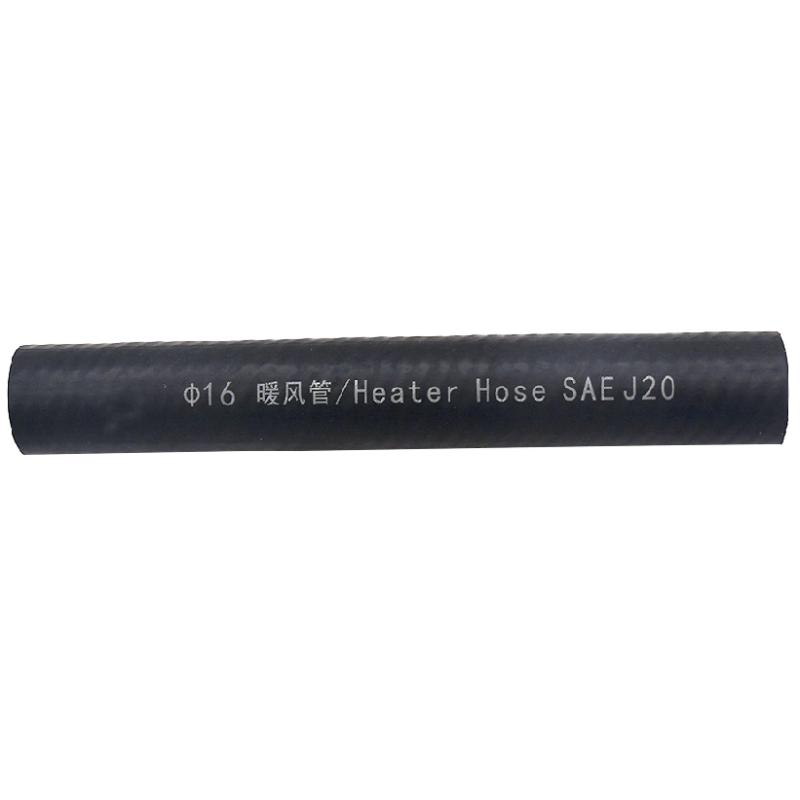
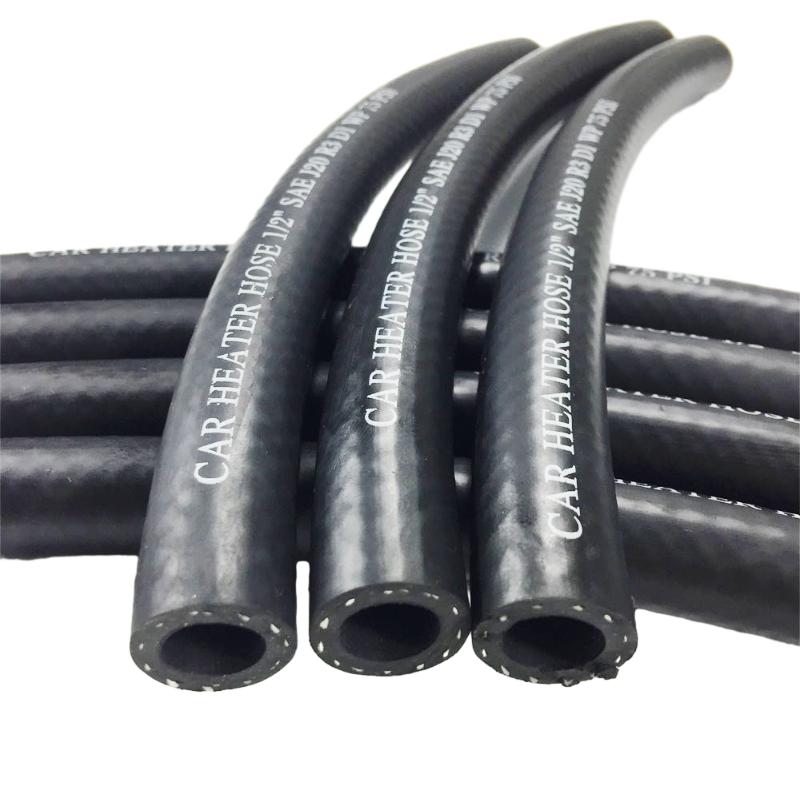
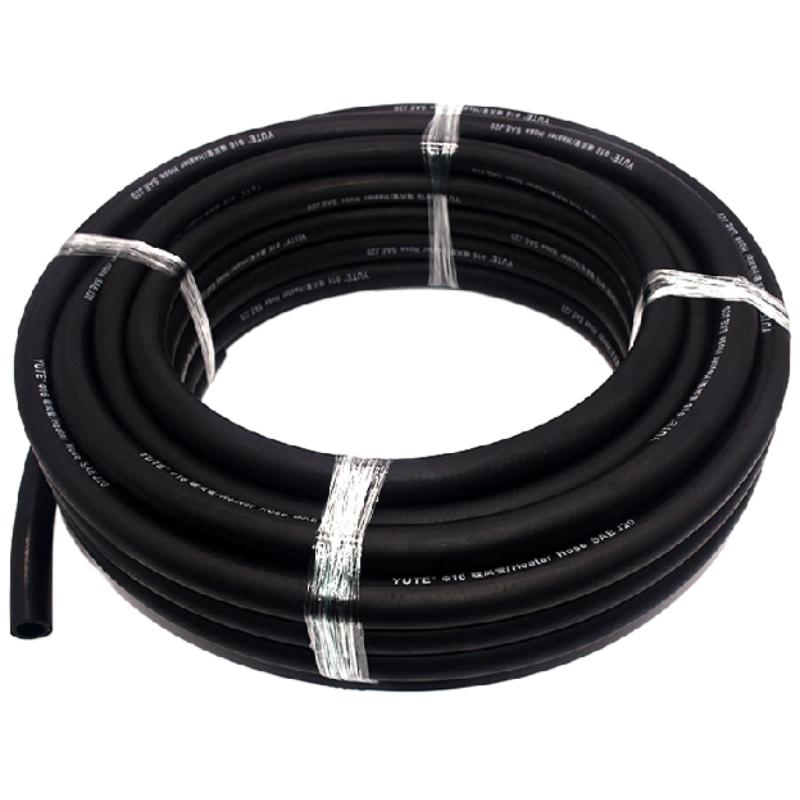
Origin: Niu Jiazhai Industrial Area, Changzhuang Town, Wei County, Hebei Province, China. Built around high-grade EPDM with PET textile reinforcement, this line targets coolant and low-pressure oil/transmission fluid transport—particularly return lines and heater circuits where flexibility and heat resistance are key.
| Item | Details (typical) |
|---|---|
| Product Name | Heater Hose SAE J20R3 |
| Tube/Cover | High-quality EPDM rubber (coolant + heat + ozone resistant) |
| Reinforcement | High-tensile synthetic textile (PET) |
| Temperature Range | -40℃ ~ +150℃ (-40°F ~ +300°F) |
| Standard / Certificate | SAE J20R3; ISO/TS 16949:2009 |
| Applications | Heater circuits; transporting oil to automatic transmission fluid return/aux lines |
Process, testing, and real-world durability
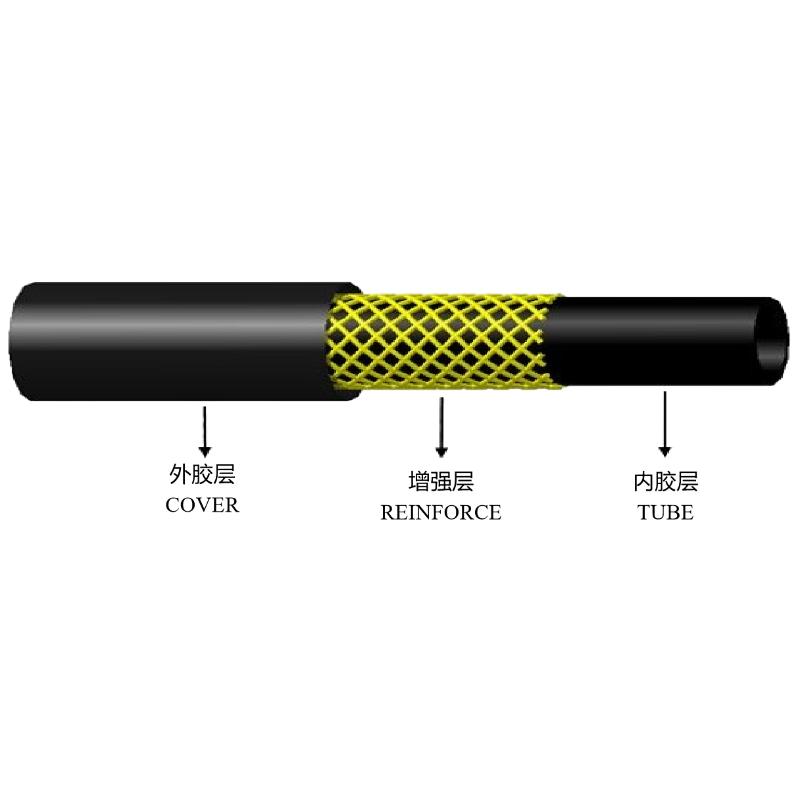
- Materials: EPDM compound blended for glycol coolants; PET braid for pressure stability.
- Methods: extrusion of tube → textile braiding → outer cover extrusion → vulcanization → cooling → cut/mark → 100% pressure check.
- Testing standards: per SAE J20R3 (burst, vacuum collapse, kink, ozone, fluid exposure) and internal QA aligned to automotive APQP.
- Typical lab snapshots (indicative, may vary by size): burst @ 23°C ≈ 1.0–1.5 MPa; hardness ≈ 70±5 Shore A; elongation ≥ 200%; ozone exposure—no visible cracking per method reference [1].
- Service life: around 5–8 years in normal duty; fleet and high-heat cycles may shorten it (real-world use may vary).
- Industries: passenger cars, light trucks, off-highway, agricultural support equipment, aftermarket kits.
Where it’s used (and why it helps)
Use it in heater core loops, auxiliary coolant lines, and low-pressure ATF return paths. The big advantages many customers mention are pliability at low temps (easier installs), stable clamp sealing, and better-than-expected ozone resistance. To be honest, the quiet win is consistent braid tension—keeps a Car Heater Hose from ballooning under transient spikes.
Vendor landscape: what I’m seeing
| Vendor | Temp Range | Standard | Cert | Lead Time | Customization |
|---|---|---|---|---|---|
| This EPDM line (Hebei) | -40 to +150℃ | SAE J20R3 | ISO/TS 16949:2009 | ≈ 2–4 weeks | Logo, color stripe, cut length, ID/OD |
| Generic import | -30 to +120℃ | Basic coolant | Factory QC | ≈ 3–6 weeks | Limited |
| Premium OEM tier | -40 to +155℃ | SAE/ OEM spec | IATF 16949 | ≈ 6–10 weeks | Extensive |
Customization and quick “case-type” notes
- Custom IDs/ODs, color stripes for service identification, private labeling, and cut-to-length kits—helpful for aftermarket shelves.
- A regional installer network (Southeast Asia) told me pliability at sub-zero temps reduced clamp re-torque callbacks. Not a lab trial, but telling.
- Fleet maintenance teams seem to prefer matte EPDM covers—grippier during tight engine-bay routing.
Certifications and references
Made under an automotive QMS (ISO/TS 16949:2009) with production controls typical of APQP/PPAP programs. Compliance to SAE J20R3 means you’re buying a Car Heater Hose aligned with mainstream coolant-hose expectations for pressure, heat, and ozone resistance.
Citations
- SAE International, “SAE J20: Coolant System Hoses.”
- ISO, “ISO/TS 16949:2009 – Quality management systems — Automotive sector.”
- ASTM, “ASTM D2000 – Classification System for Rubber Products in Automotive Applications.”
Latest news
-
Transmission Oil Cooler Pipe Maintenance and Selection Guide
NewsApr.16,2026
-
Ultimate Guide to Choosing Transmission Oil Cooler Line Hose
NewsApr.09,2026
-
Essential Guide to Transmission Oil Cooler Hose 5/16 for Vehicle Longevity
NewsApr.07,2026
-
Understanding the Critical Role of Transmission Oil Cooler Hose 1 2 for Vehicle Longevity
NewsApr.04,2026
-
Understanding Transmission Oil Coolant Lines For Optimal Vehicle Performance
NewsMar.31,2026
-
Comprehensive Guide to Oil Coolant Pipe Selection and Industrial Applications
NewsMar.28,2026
 Afrikaans
 Albanian
 Amharic
 Arabic
 Armenian
 Azerbaijani
 Basque
 Belarusian
 Bengali
 Bosnian
 Bulgarian
 Catalan
 Cebuano
 Corsican
 Croatian
 Czech
Czech
 Danish
 Dutch
Dutch
 Esperanto
 Estonian
 Finnish
 French
 Frisian
 Galician
 Georgian
 German
 Greek
Greek
 Gujarati
 Haitian Creole
 Hausa
Hausa
 Hawaiian
 Hebrew
 Hindi
Hindi
 Miao
Miao
 Hungarian
 Icelandic
 Igbo
Igbo
 Indonesian
 Irish
Irish
 Italian
 Japanese
 Javanese
 Kannada
 Kazakh
 Khmer
Khmer
 Rwandese
 Korean
 Kurdish
 Kyrgyz
 Lao
Lao
 Latin
Latin
 Latvian
 Lithuanian
 Luxembourgish
 Macedonian
 Malgashi
 Malay
Malay
 Malayalam
 Maltese
 Maori
Maori
 Marathi
 Mongolian
 Myanmar
 Nepali
 Norwegian
 Norwegian
 Occitan
 Pashto
 Persian
 Polish
 Portuguese
 Punjabi
 Romanian
 Russian
 Samoan
 Scottish Gaelic
 Serbian
 Sesotho
 Shona
Shona
 Sindhi
 Sinhala
 Slovak
 Slovenian
 Somali
 Spanish
 Sundanese
 Swahili
 Swedish
 Tagalog
 Tajik
Tajik
 Tamil
Tamil
 Tatar
Tatar
 Telugu
 Thai
Thai
 Turkish
 Turkmen
 Ukrainian
 Urdu
Urdu
 Uighur
 Uzbek
Uzbek
 Vietnamese
 Welsh
Welsh
 Bantu
Bantu
 Yiddish
 Yoruba
 Zulu
Zulu
 English