
Automotive Fuel Line - E85/Diesel Compatible, OEM-Grade
Oct . 12, 2025 11:25 Back to list
Automotive Fuel Line - E85/Diesel Compatible, OEM-Grade
Fuel Hose SAE J30R6/R7: an insider’s look at what really matters
If you’ve ever chased a vapor smell across a shop bay, you know a good automotive fuel line isn’t just “hose.” It’s chemistry, standards, and real-world resilience. The Fuel Hose SAE J30R6/R7 from KEMO (Hebei, China) has been popping up in my notes lately—partly because many customers say it balances price and test data surprisingly well, and partly because the factory is candid about materials and audits. I like that.
What’s moving the market
- Higher ethanol blends (E10–E20 in some regions) and biofuel content are forcing better permeation resistance.
- OEM downsizing and tighter engine bays mean higher heat soak; hoses must survive -40℃ to +150℃ cycles and not get brittle.
- Traceability and PPAP-ready documentation are now table stakes for Tier-2 suppliers, not just Tier-1.
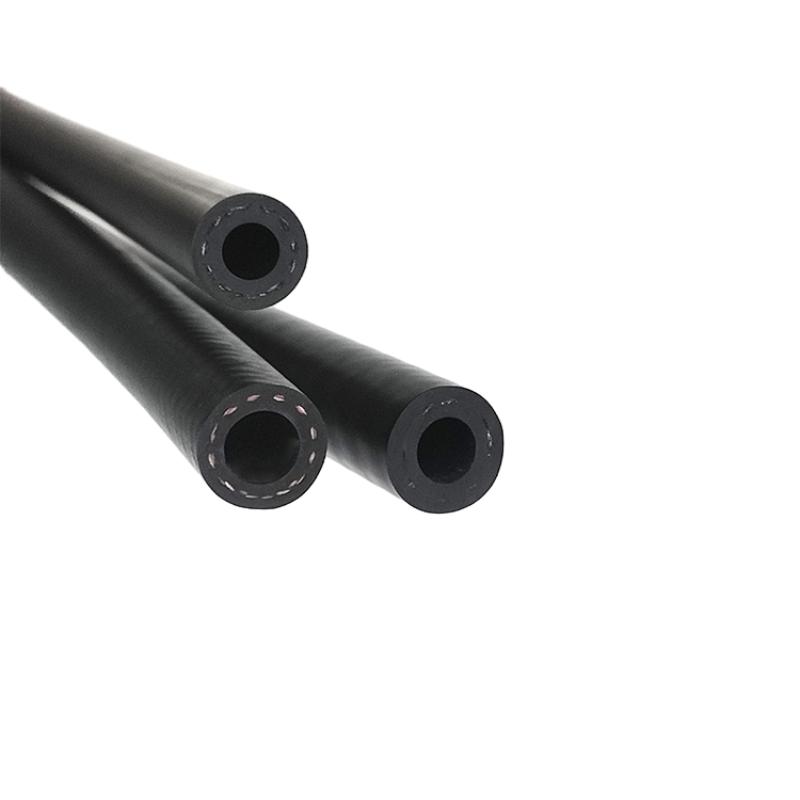
Product snapshot: Fuel Hose SAE J30R6/R7
| Temperature Range | -40℃ ~ +150℃ (≈ -40°F ~ +300°F) |
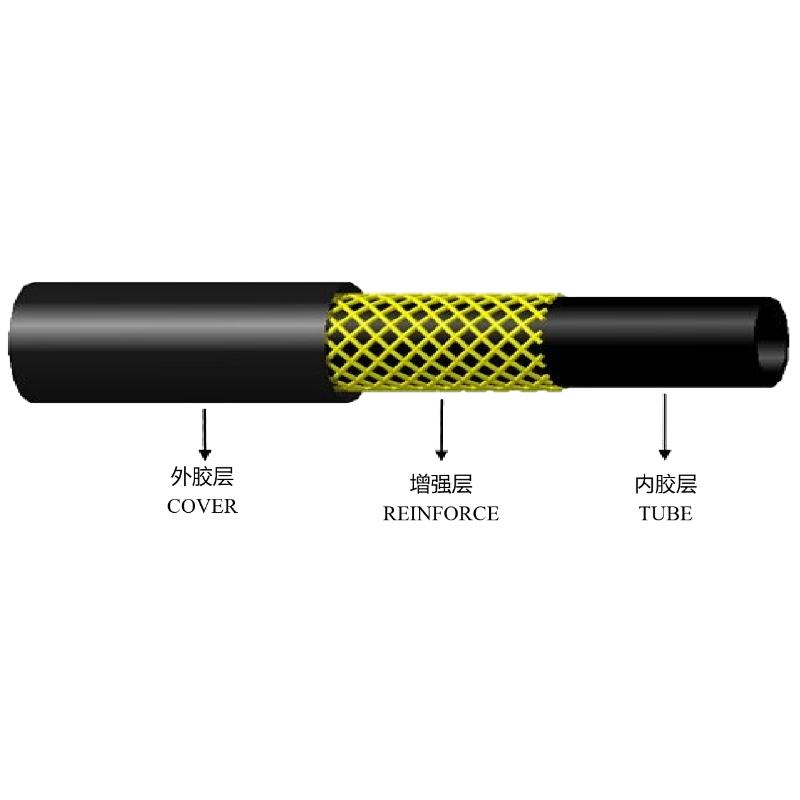
| Tube | NBR synthetic rubber (fuel resistant) |
| Reinforcement | High tensile braided yarn |
| Cover | NBR + environment‑resistant synthetic rubber |
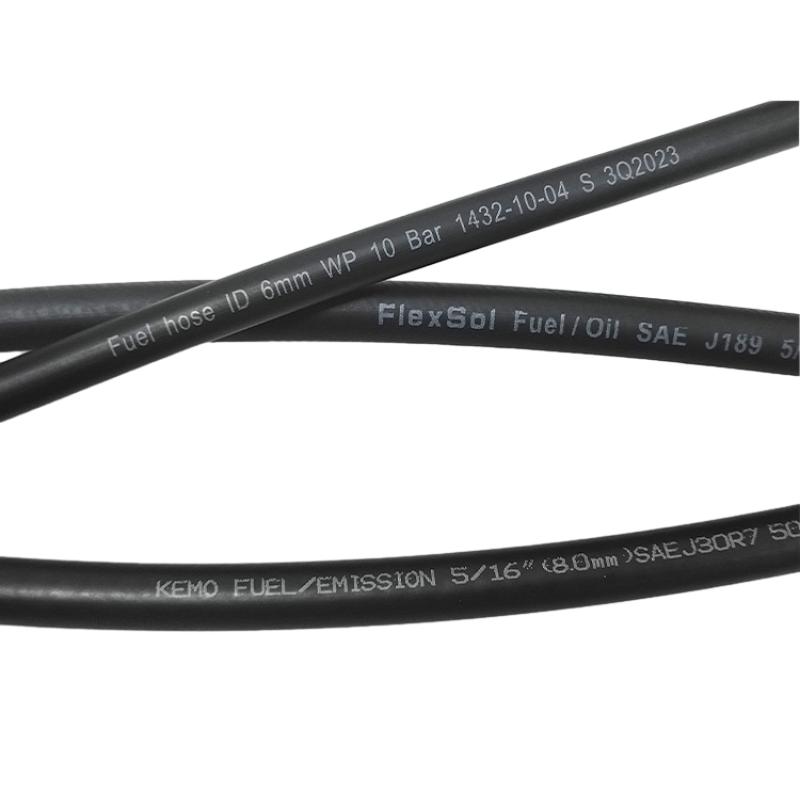
| Standards | SAE J30 R6/R7; DIN 73379 Type 2A |
| Certification | ISO/TS 16949:2009 |
| Applications | Gasoline and Diesel engines; mechanical lubrication circuits |
| Origin | Niu Jiazhai Industrial Area, Changzhuang Town, Wei County, Hebei, China |
Process flow, testing, and service life
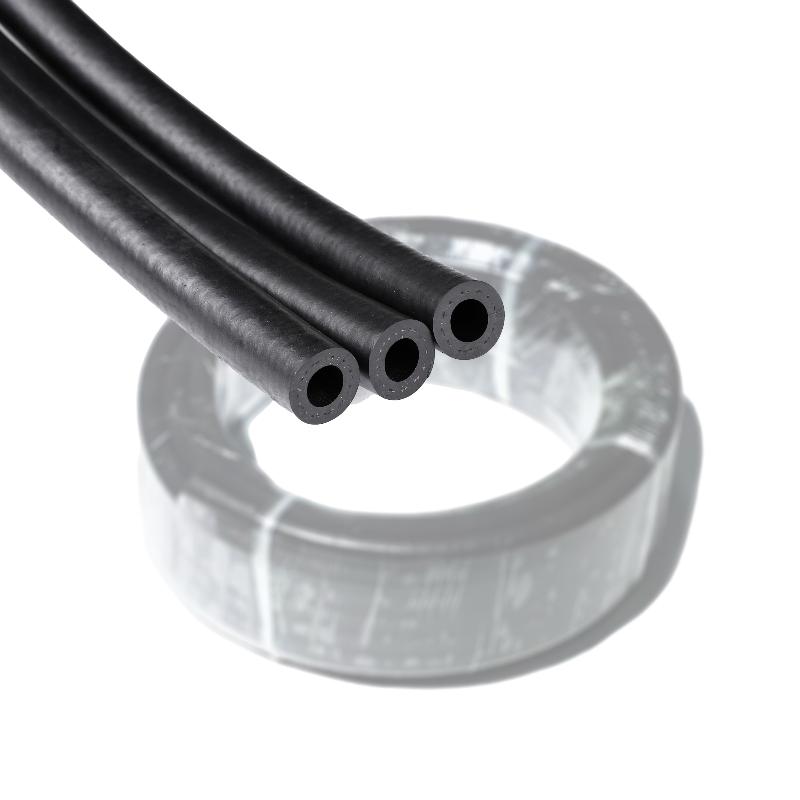
Materials: NBR compound tailored for gasoline/E10 compatibility, braided reinforcement, and a protective NBR-based cover. Methods: precision extrusion, braid layup, vulcanization, and 100% visual inspection. Testing (per SAE J30 & DIN 73379): low-temp flexibility, adhesion, burst, fuel immersion/volume change, ozone/heat aging, and permeation.
Typical lab snapshot (one mid-size ID, for guidance only—real-world use may vary): burst at 23℃ ≈ 2.0–3.0 MPa; bend radius ≈ 40–70 mm; mass change after Fuel C immersion within spec limits; no cracks after -40℃ flex cycles. Expected service life: ≈ 5–10 years in engine-bay duty if routed correctly and shielded from abrasion/UV.
Where it fits
- Passenger car fuel feeds/returns and small diesel supply lines.
- Aftermarket repair of legacy carbureted systems (R6) and EFI low-pressure segments (R7).
- Power equipment and light industrial lubrication lines, when spec-aligned.
Advantages I’ve noticed: easy clamp sealing, predictable cold-flex, and consistent OD tolerance—installers say it reduces rework. And yes, the automotive fuel line finish survives the usual under-hood grime better than some off-brand imports.
Vendor comparison (quick take)
| Vendor | Standards/Docs | Materials | Lead Time | Notes |
|---|---|---|---|---|
| KEMO J30R6/R7 | SAE J30 R6/R7; DIN 73379; ISO/TS 16949; PPAP on request | NBR tube + NBR cover; braided yarn | ≈ 2–4 weeks | Good value; steady QC reports |
| Tier‑1 Brand A | Full OEM specs; extensive validation | Advanced blends incl. FKM options | ≈ 6–10 weeks | Top-tier, higher price |
| Generic Import B | Mixed; sometimes self-declared | Varies; limited traceability | ≈ 1–3 weeks | Check batch test sheets closely |
Customization and a quick field story
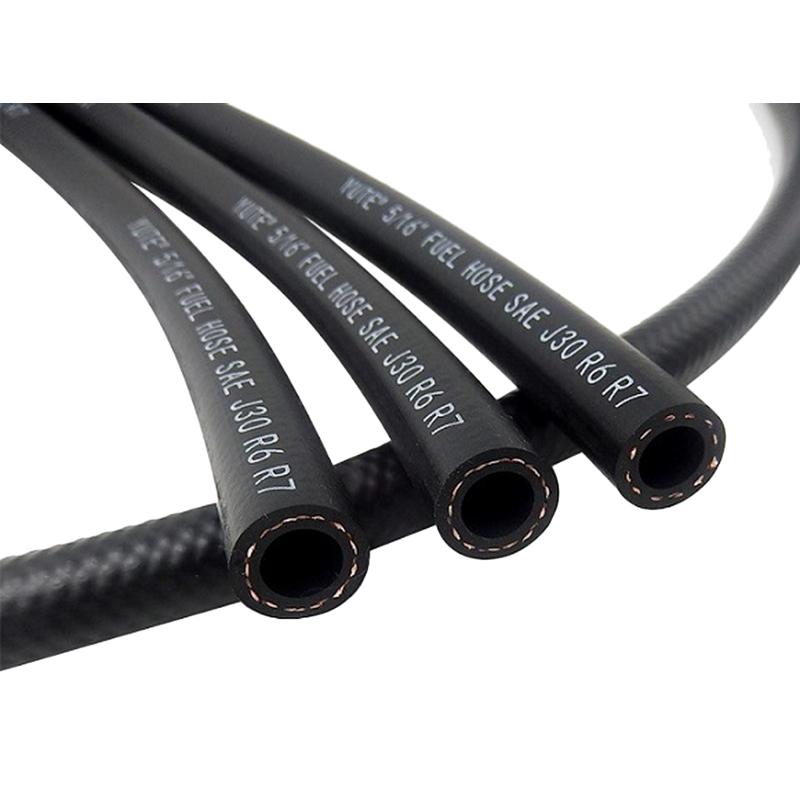
Options include IDs/ODs, wall thickness for clamp load, printed branding, cut-to-length, and packaging. For fuel types beyond E10 (say E20+ or biodiesel-heavy fleets), ask for compound tweaks—honestly, it’s worth the email.
Case in point: a small retrofit shop swapped aging lines on mid-2000s sedans with this automotive fuel line. After six months, callbacks dropped to near-zero, largely due to better cold-seal behavior. Not scientific, but mechanics notice what lasts through winter.
Final checks before you spec
- Match R6 vs R7 to system pressure and fuel chemistry; confirm DIN 73379 Type 2A when required.
- Verify latest ISO/TS 16949 certificate and lot test sheets; request PPAP if your customer needs it.
- Route for heat, abrasion, and clamp spacing; the best automotive fuel line still needs good installation.
References
- SAE International – SAE J30 Fuel and Oil Hoses. https://www.sae.org/
- DIN 73379 Type 2A Fuel Hoses – Beuth Verlag. https://www.beuth.de/
- ISO/TS 16949:2009 – IATF Automotive Quality System. https://www.iatfglobaloversight.org/
Latest news
-
Transmission Oil Cooler Pipe Maintenance and Selection Guide
NewsApr.16,2026
-
Ultimate Guide to Choosing Transmission Oil Cooler Line Hose
NewsApr.09,2026
-
Essential Guide to Transmission Oil Cooler Hose 5/16 for Vehicle Longevity
NewsApr.07,2026
-
Understanding the Critical Role of Transmission Oil Cooler Hose 1 2 for Vehicle Longevity
NewsApr.04,2026
-
Understanding Transmission Oil Coolant Lines For Optimal Vehicle Performance
NewsMar.31,2026
-
Comprehensive Guide to Oil Coolant Pipe Selection and Industrial Applications
NewsMar.28,2026
 Afrikaans
 Albanian
 Amharic
 Arabic
 Armenian
 Azerbaijani
 Basque
 Belarusian
 Bengali
 Bosnian
 Bulgarian
 Catalan
 Cebuano
 Corsican
 Croatian
 Czech
Czech
 Danish
 Dutch
Dutch
 Esperanto
 Estonian
 Finnish
 French
 Frisian
 Galician
 Georgian
 German
 Greek
Greek
 Gujarati
 Haitian Creole
 Hausa
Hausa
 Hawaiian
 Hebrew
 Hindi
Hindi
 Miao
Miao
 Hungarian
 Icelandic
 Igbo
Igbo
 Indonesian
 Irish
Irish
 Italian
 Japanese
 Javanese
 Kannada
 Kazakh
 Khmer
Khmer
 Rwandese
 Korean
 Kurdish
 Kyrgyz
 Lao
Lao
 Latin
Latin
 Latvian
 Lithuanian
 Luxembourgish
 Macedonian
 Malgashi
 Malay
Malay
 Malayalam
 Maltese
 Maori
Maori
 Marathi
 Mongolian
 Myanmar
 Nepali
 Norwegian
 Norwegian
 Occitan
 Pashto
 Persian
 Polish
 Portuguese
 Punjabi
 Romanian
 Russian
 Samoan
 Scottish Gaelic
 Serbian
 Sesotho
 Shona
Shona
 Sindhi
 Sinhala
 Slovak
 Slovenian
 Somali
 Spanish
 Sundanese
 Swahili
 Swedish
 Tagalog
 Tajik
Tajik
 Tamil
Tamil
 Tatar
Tatar
 Telugu
 Thai
Thai
 Turkish
 Turkmen
 Ukrainian
 Urdu
Urdu
 Uighur
 Uzbek
Uzbek
 Vietnamese
 Welsh
Welsh
 Bantu
Bantu
 Yiddish
 Yoruba
 Zulu
Zulu
 English