
Understanding the Critical Role of Transmission Oil Cooler Hose 1 2 for Vehicle Longevity
Apr . 04, 2026 02:05 Back to list
Understanding the Critical Role of Transmission Oil Cooler Hose 1 2 for Vehicle Longevity
Understanding the Importance of a Transmission Oil Cooler Hose 1 2
Maintaining optimal transmission temperature is crucial for the longevity and performance of any vehicle. A failing or damaged transmission oil cooler hose 1 2 can lead to overheating, fluid leaks, and ultimately, costly transmission repairs. This article will explore the function of these hoses, common signs of failure, choosing the right replacement, and why Kemohose is a trusted supplier for high-quality solutions. Properly functioning hoses ensure efficient cooling, preventing premature wear and extending the life of your transmission.
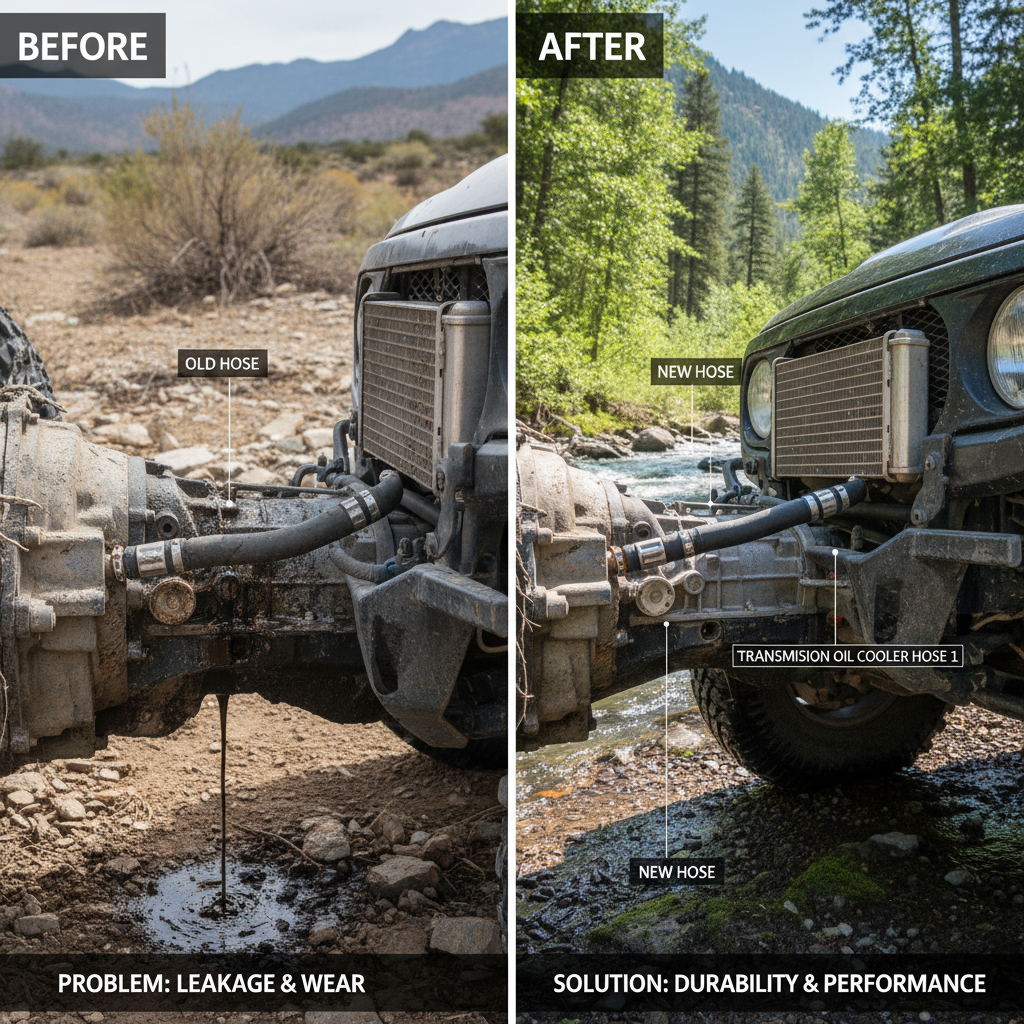
What Does a Transmission Oil Cooler Hose Do?
The transmission oil cooler hose's primary function is to circulate transmission fluid to and from the cooler. This cooler, typically located near the radiator, dissipates heat from the fluid. This heat management is vital as excessive temperatures degrade transmission fluid, reducing its lubricating properties and causing internal component damage. The '1' and '2' often refer to the feed and return lines, ensuring a continuous flow for efficient cooling. Without properly functioning hoses, the transmission will operate at dangerously high temperatures, leading to potential failure.
Key Function: Circulates transmission fluid to the cooler, dissipating heat and preventing fluid degradation.
Recognizing the Signs of a Failing Transmission Oil Cooler Hose 1 2
Identifying a failing hose early can prevent significant transmission damage. Common signs include visible leaks around the hose connections or along the hose itself, a noticeable drop in transmission fluid level, and transmission slipping or erratic shifting. In severe cases, you might observe a burning smell, indicating overheated transmission fluid. Regularly checking your transmission fluid level and inspecting the hoses for cracks, bulges, or deterioration is crucial preventative maintenance. Don't ignore these warning signs – address them promptly to avoid expensive repairs.
Warning Signs:
• Visible leaks around connections
• Low transmission fluid level
• Slipping or erratic shifting
• Burning smell
Transmission Oil Cooler Hose 1 2: Material Comparison
Transmission oil cooler hoses are typically constructed from either rubber or reinforced synthetic materials. Rubber hoses are generally more affordable but less durable and susceptible to cracking and deterioration from heat and exposure to fluids. Reinforced synthetic hoses, like those offered by Kemohose, provide superior heat resistance, longevity, and resistance to abrasion and chemicals. Selecting the right material is essential for ensuring reliable performance and preventing premature failure.
Choosing the Right Transmission Oil Cooler Hose 1 2 for Your Vehicle
When replacing your transmission oil cooler hose 1 2, ensure you select a hose specifically designed for your vehicle’s make and model. Using an incorrect hose can lead to improper fitment, leaks, and potential damage. Pay close attention to the hose diameter, length, and connection type. Kemohose offers a comprehensive range of hoses compatible with various vehicle applications, ensuring a perfect fit and optimal performance.

Why Choose Kemohose for Your Transmission Oil Cooler Hose Needs?
At Kemohose, we specialize in providing high-quality, durable hoses for various automotive applications. Our transmission oil cooler hoses 1 2 are constructed from reinforced synthetic materials, offering exceptional heat resistance and longevity. We are committed to delivering reliable products, competitive pricing, and excellent customer service. We understand the importance of a properly functioning transmission, and we strive to provide solutions that ensure optimal performance and prevent costly repairs.
Conclusion: Protect Your Transmission with Quality Hoses
Investing in high-quality transmission oil cooler hoses 1 2 from Kemohose is a proactive step towards preventing costly transmission repairs. Prioritize reliable performance and longevity by choosing a trusted supplier committed to quality and customer satisfaction.
Frequently Asked Questions (FAQs)
How often should I replace my transmission oil cooler hose?
While there isn't a strict schedule, it's recommended to inspect your transmission oil cooler hoses during routine vehicle maintenance, such as oil changes. Generally, hoses should be replaced every 5-7 years, or sooner if you notice any signs of wear and tear, such as cracks, leaks, or bulges. Preventative replacement is always more cost-effective than dealing with the consequences of a failed hose, which can lead to transmission damage. Consider the operating conditions of your vehicle – frequent towing or driving in extreme temperatures may necessitate more frequent inspections and replacements.
Can I temporarily patch a leaking transmission oil cooler hose?
Temporarily patching a leaking transmission oil cooler hose is generally not recommended. Transmission fluid is under pressure and at high temperatures. A patch is unlikely to hold for long and could fail suddenly, resulting in a significant fluid leak and potential transmission damage. The best course of action is to replace the hose immediately with a new, high-quality hose from a reputable supplier like Kemohose. A proper replacement ensures a long-term, reliable solution.
What are the potential consequences of driving with a damaged transmission oil cooler hose?
Driving with a damaged transmission oil cooler hose can have severe consequences. The most immediate risk is overheating the transmission fluid, which degrades its lubricating properties and causes excessive wear and tear on internal components. This can lead to slipping gears, erratic shifting, and ultimately, complete transmission failure. A major fluid leak can also cause a fire hazard. Addressing a damaged hose promptly is crucial to prevent these costly and potentially dangerous outcomes.
Latest news
-
Transmission Oil Cooler Pipe Maintenance and Selection Guide
NewsApr.16,2026
-
Ultimate Guide to Choosing Transmission Oil Cooler Line Hose
NewsApr.09,2026
-
Essential Guide to Transmission Oil Cooler Hose 5/16 for Vehicle Longevity
NewsApr.07,2026
-
Understanding the Critical Role of Transmission Oil Cooler Hose 1 2 for Vehicle Longevity
NewsApr.04,2026
-
Understanding Transmission Oil Coolant Lines For Optimal Vehicle Performance
NewsMar.31,2026
-
Comprehensive Guide to Oil Coolant Pipe Selection and Industrial Applications
NewsMar.28,2026
 Afrikaans
 Albanian
 Amharic
 Arabic
 Armenian
 Azerbaijani
 Basque
 Belarusian
 Bengali
 Bosnian
 Bulgarian
 Catalan
 Cebuano
 Corsican
 Croatian
 Czech
Czech
 Danish
 Dutch
Dutch
 Esperanto
 Estonian
 Finnish
 French
 Frisian
 Galician
 Georgian
 German
 Greek
Greek
 Gujarati
 Haitian Creole
 Hausa
Hausa
 Hawaiian
 Hebrew
 Hindi
Hindi
 Miao
Miao
 Hungarian
 Icelandic
 Igbo
Igbo
 Indonesian
 Irish
Irish
 Italian
 Japanese
 Javanese
 Kannada
 Kazakh
 Khmer
Khmer
 Rwandese
 Korean
 Kurdish
 Kyrgyz
 Lao
Lao
 Latin
Latin
 Latvian
 Lithuanian
 Luxembourgish
 Macedonian
 Malgashi
 Malay
Malay
 Malayalam
 Maltese
 Maori
Maori
 Marathi
 Mongolian
 Myanmar
 Nepali
 Norwegian
 Norwegian
 Occitan
 Pashto
 Persian
 Polish
 Portuguese
 Punjabi
 Romanian
 Russian
 Samoan
 Scottish Gaelic
 Serbian
 Sesotho
 Shona
Shona
 Sindhi
 Sinhala
 Slovak
 Slovenian
 Somali
 Spanish
 Sundanese
 Swahili
 Swedish
 Tagalog
 Tajik
Tajik
 Tamil
Tamil
 Tatar
Tatar
 Telugu
 Thai
Thai
 Turkish
 Turkmen
 Ukrainian
 Urdu
Urdu
 Uighur
 Uzbek
Uzbek
 Vietnamese
 Welsh
Welsh
 Bantu
Bantu
 Yiddish
 Yoruba
 Zulu
Zulu
 English