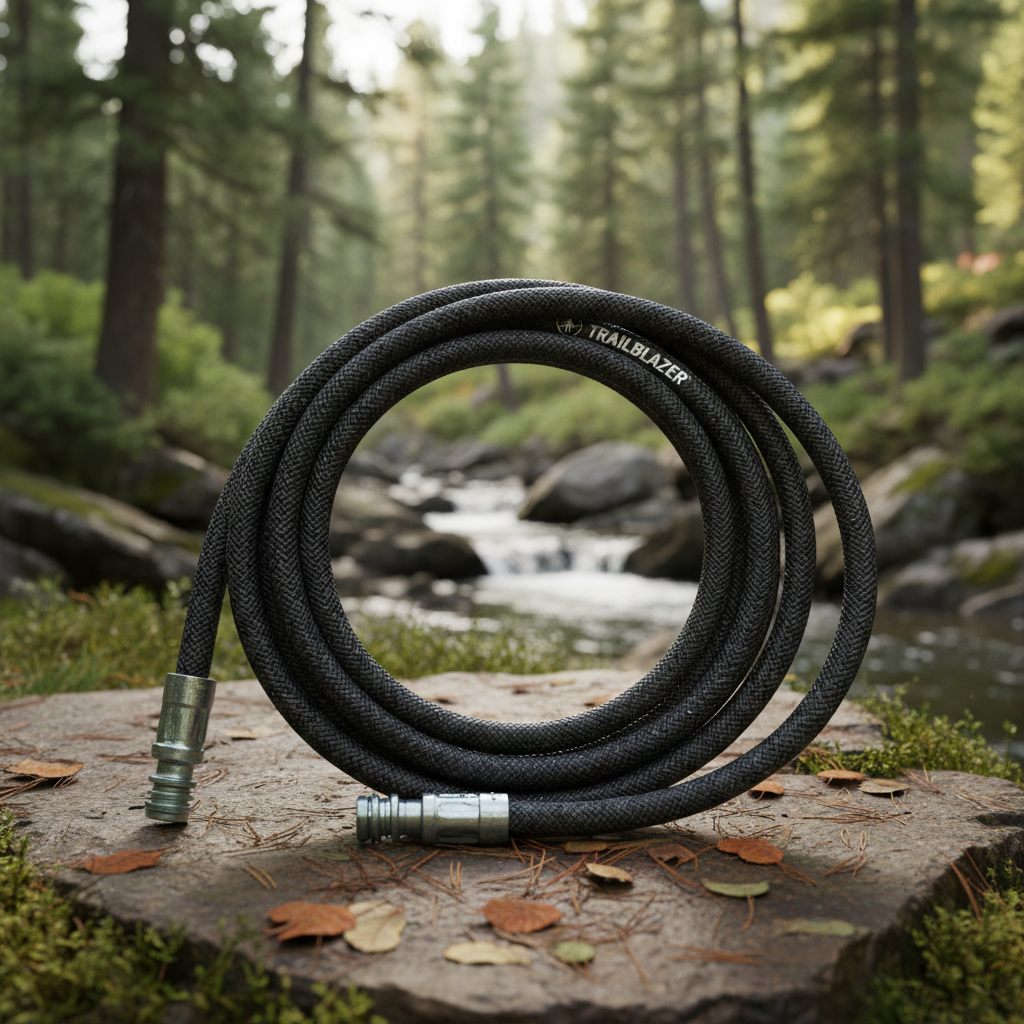
High Performance Low Pressure Steering Brake Hose Factory Guide
Efficient steering performance depends heavily on the integrity of the hydraulic lines that transport fluid between the pump and the steering gear. Low-pressure power steering return hoses are critical components that ensure oil flows smoothly back to the reservoir, preventing pressure build-up and system instability. For automotive engineers and procurement managers, sourcing these components from a reliable brake hose factory is essential to guarantee vehicle safety and operational longevity.
These specialized rubber assemblies must withstand constant vibration, extreme temperature fluctuations, and the chemical aggression of power steering fluids. By adhering to strict industry standards such as SAE J189, manufacturers can provide hoses that offer superior aging resistance and pulse stability. This technical guide explores the engineering requirements, material specifications, and manufacturing processes involved in producing high-performance low-pressure steering lines for cars, buses, and heavy-duty trucks.

Technical Role of Low-Pressure Return Hoses in Steering Systems
The power steering system operates on a high-pressure circuit to assist the driver in turning the wheels, but the return path is equally vital. The low-pressure (return) hose is responsible for carrying oil from the steering gear back to the pump or its reservoir. Unlike high-pressure lines, these return hoses typically do not require compression fittings because they operate under significantly lower pressure. However, their role is critical in maintaining the fluid cycle, ensuring the pump is always supplied with oil to prevent cavitation and premature wear.
A failure in this return line can lead to fluid leaks, which not only results in steering stiffness but can also pose a fire risk if oil drips onto hot engine components. Furthermore, since these hoses are often routed through tight engine compartments, they must possess excellent flexibility to avoid kinking or rubbing against other chassis parts. This necessitates a precise balance between wall thickness and material elasticity, ensuring the hose remains open and unobstructed during all steering maneuvers.
From a technical standpoint, these components must be compatible with various hydraulic fluids. The internal liner is engineered to prevent seepage and chemical degradation, while the outer cover protects against ozone and environmental pollutants. When integrating these into a vehicle's architecture, the focus is on maintaining a consistent flow rate to ensure the power steering pump functions within its optimal temperature and pressure range.

Advanced Manufacturing Process for High-Performance Rubber Hoses
Producing a durable automotive hose requires a rigorous, multi-stage engineering process to ensure consistency and safety. At a professional brake hose factory, the production begins with the precise selection of raw ingredients. The mixing phase is critical, where rubber polymers are blended with reinforcing agents and stabilizers to achieve the required physical properties, such as pulse resistance and ozone stability.
The core construction involves a series of sophisticated steps:
- Mandreling and Tube Extrusion: The inner tube is extruded over a mandrel to ensure a precise inner diameter (I.D.) and wall thickness.
- Braiding Stages: To enhance structural integrity, the hose undergoes first-braiding and second-braiding. This reinforcement prevents the hose from expanding or collapsing under operational stress.
- Buffer and Cover Extrusion: A buffer layer is applied before the final cover extrusion, which provides the primary defense against external abrasion and environmental aging.
- Vulcanization and Finishing: The assembly is cured in automatic vulcanizing pots, followed by painting and sheathing to meet OEM specifications.
To ensure zero-defect delivery, advanced testing equipment is employed. This includes flexure testers to simulate years of steering movement, electronic tension machines to verify braiding strength, and internal volume dilatometers. By utilizing automatic extrusion lines and high-speed braiding machines, manufacturers can maintain tight tolerances (such as ±0.2mm for I.D.), ensuring that the hoses fit perfectly into the original equipment manufacturer (OEM) assemblies without leakage.
Buyer Considerations for Sourcing Automotive Hydraulic Lines
When procurement managers evaluate suppliers for automotive rubber products, the focus must shift from simple cost-per-unit to total lifecycle value. The most critical factor is certification. Compliance with IATF16949 and ISO9001 indicates that the manufacturer follows a strict quality management system, while DOT and 3C certifications ensure the products meet regional safety and legal requirements for road vehicles.
Another key consideration is the material's resistance to "aging" and "pulse." In the automotive environment, hoses are subjected to thousands of pressure pulses per hour and extreme temperature cycles. A low-quality hose will develop micro-cracks (ozone cracking), leading to slow leaks that are difficult to detect but detrimental to system performance. Buyers should request data on the hose's performance in high and low-temperature constant humidity flexure tests to verify longevity.
Finally, the ability to provide customized solutions is a significant advantage. Whether it is a specific length, a unique fitting configuration, or a specialized formulation for heavy-duty trucks, a supplier with a strong R&D team can reduce the time-to-market for new vehicle models. Understanding the trade terms (EXW, FOB, CIF, DAP) and the supplier's export experience is also vital for ensuring timely delivery and minimizing logistics risks in international trade.
Low Pressure Power Steering Hose Specification Matrix
| Standard Specification | Inner Diameter (mm) | Outer Diameter (mm) | Concentricity (mm) |
|---|---|---|---|
| SAE J189 (Type A) | 9.5 ± 0.2 | 17.0 ± 0.3 | Low Deviation |
| SAE J189 (Type B) | 13.0 ± 0.2 | 22.0 ± 0.4 | Medium Deviation |
| SAE J189 (Type C) | 16.0 ± 0.2 | 24.0 ± 0.5 | Precision Controlled |
| Fuel/Oil Variant | Application Specific | Variable | Tight Tolerance |
| Heavy Duty Spec | Custom Dimension | Custom Dimension | High Stability |
Ensuring Safety through Rigorous Quality Control Systems
In the automotive industry, a single hose failure can lead to catastrophic steering loss. Therefore, the implementation of a scientific 5S management mode and a strict production quality system is non-negotiable. Quality control starts at the raw material stage, where rubber testing is conducted before any extrusion begins. This ensures that the chemical formulation is exactly as specified, preventing inconsistencies in flexibility or heat resistance.
Modern production facilities utilize automatic extrusion and braiding technology to eliminate human error. By employing a combination of electronic tension machines and high-low temperature testers, manufacturers can simulate the harshest environments—from arctic winters to desert heat. This rigorous testing ensures that the physical and chemical properties of the product remain stable, thereby guaranteeing the safety of the end-user during vehicle operation.
Furthermore, the integration of R&D teams allows for the continuous improvement of production efficiency and the development of new formulations. By collaborating with well-known research institutions and testing centers, manufacturers can stay ahead of industry trends, such as the move toward more environmentally friendly materials that do not sacrifice performance. This commitment to technical excellence transforms a simple rubber part into a high-reliability safety component.
Future Trends in Automotive Hose Engineering and Procurement
The automotive landscape is shifting toward higher efficiency and lower emissions, which directly impacts the requirements for rubber components. We are seeing a trend toward "lightweighting," where the goal is to maintain the same pressure ratings and durability while reducing the overall mass of the hose assembly. This requires the development of new synthetic rubber blends and more efficient braiding patterns that provide maximum strength with minimum material usage.
Additionally, as vehicles become more complex, the demand for integrated hose assemblies—where the hose and its fittings are delivered as a single, pre-tested unit—is increasing. This reduces assembly time for OEMs and minimizes the risk of installation errors at the factory level. Procurement is also moving toward more transparent supply chains, where buyers demand full traceability of raw materials and detailed test reports for every batch delivered.
For businesses looking to scale, establishing a win-win relationship with a manufacturer that possesses both the technical capacity (automatic production lines) and the commercial experience (foreign trade expertise) is the most sustainable strategy. As global standards evolve, the ability to quickly adapt to new certifications and technical requirements will separate the industry leaders from the commodity suppliers.
Frequently Asked Questions About Power Steering Hoses
What is the main difference between high-pressure and low-pressure steering hoses?
High-pressure hoses carry fluid from the pump to the steering gear and require heavy reinforcement and compression fittings to handle extreme pressure. Low-pressure hoses, or return hoses, carry fluid from the gear back to the reservoir and typically do not require compression fittings due to the significantly lower internal pressure.
Why is SAE J189 certification important for return hoses?
SAE J189 is an industry standard that defines the performance requirements for automotive low-pressure hoses. Compliance ensures that the hose meets specific criteria for oil compatibility, temperature resistance, and durability, providing a benchmark for safety and reliability.
How can I tell if my power steering return hose is failing?
Common signs include visible oil leaks around the hose, a "wet" appearance on the rubber surface, or a distinct smell of hydraulic fluid in the engine bay. In advanced stages, you may experience steering stiffness or a whining noise from the pump due to fluid loss.
What materials are typically used to ensure ozone and aging resistance?
Manufacturers use specialized rubber compounds, often including synthetic elastomers and anti-ozonants, combined with a multi-layer extrusion process. The outer cover is specifically formulated to resist environmental degradation, while the inner liner is designed for chemical stability against steering fluids.
Can I use a standard fuel hose as a replacement for a power steering return hose?
It is not recommended. While both are rubber hoses, the chemical composition of power steering fluid differs from fuel. A hose not designed for hydraulic oil may degrade rapidly, leading to leaks and system failure. Always use a hose specifically rated for power steering applications.
What quality certifications should I look for in a rubber hose supplier?
Look for IATF16949 (the global automotive quality standard), ISO9001 (general quality management), and specific product certifications like DOT or 3C, which indicate the products have passed rigorous safety and performance tests.
Technical References and Industry Standards
- General Principles of Hose Engineering
- SAE International - Automotive Standards
- ISO Quality Management Systems
- National Highway Traffic Safety Administration
Choosing the right hydraulic components is a balance of technical specification and supplier reliability. By focusing on certified manufacturing processes and rigorous testing, you can ensure the safety and efficiency of any automotive steering system.
Related Articles