
Transmission Oil Cooler Pipe Maintenance and Selection Guide
Apr . 16, 2026 02:05 Back to list
Transmission Oil Cooler Pipe Maintenance and Selection Guide
The Ultimate Guide to Transmission Oil Cooler Pipe Maintenance and Selection
Maintaining the optimal temperature of your vehicle's transmission is critical for longevity and performance. A high-quality transmission oil cooler pipe serves as the vital artery that transports hot fluid from the transmission to the cooler, preventing overheating and premature wear. Whether you are managing a commercial fleet or a high-performance vehicle, understanding the specifications and failure points of these pipes is essential. In this guide, we will explore the engineering behind these components and how to choose the right replacement to ensure your system operates at peak efficiency.
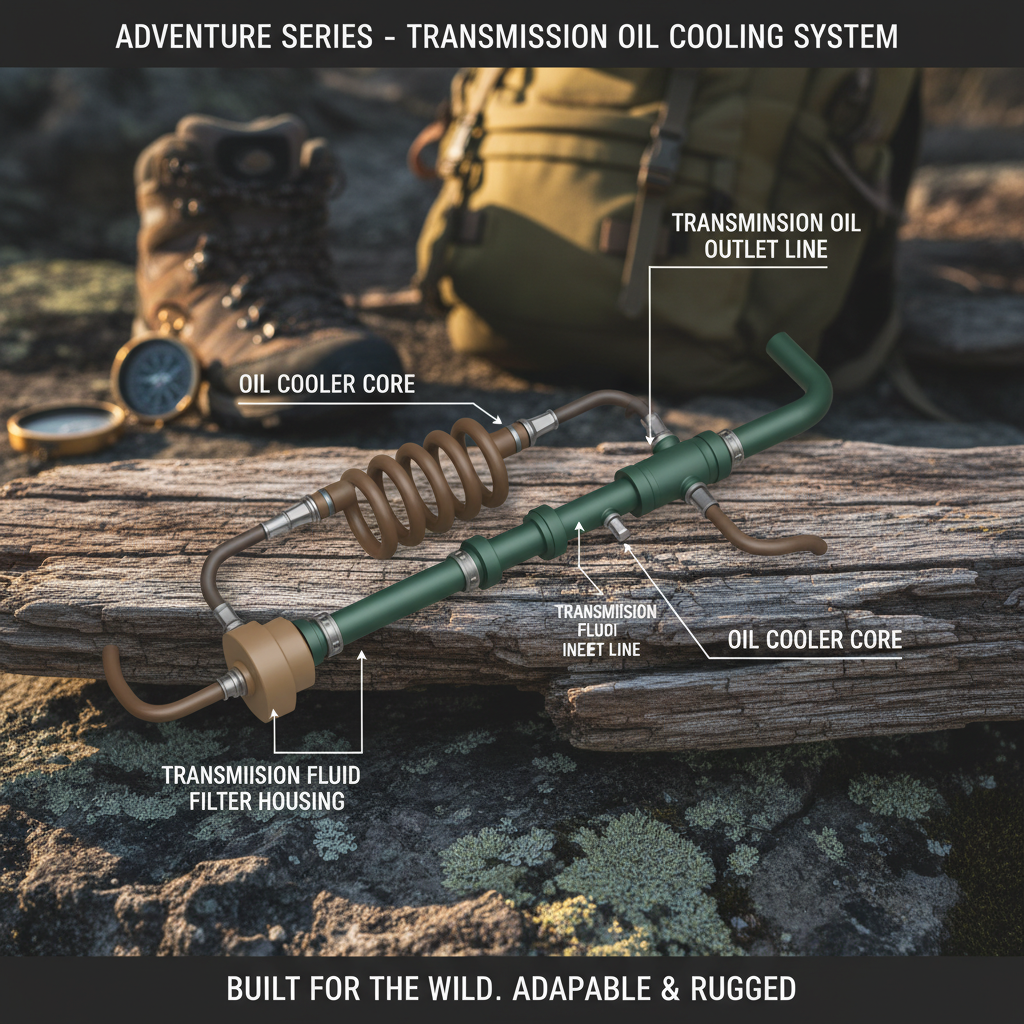
Why Your Transmission Oil Cooler Pipe Matters
The transmission oil cooler pipe is more than just a conduit; it is a component that must withstand extreme pressure fluctuations and temperature swings. When these pipes fail, the result is often a catastrophic loss of transmission fluid, leading to slippage, gear failure, and expensive repairs. High-grade materials are used to resist corrosion from road salt and chemicals, while precision bends ensure a leak-free fit within the tight confines of the engine bay. Ensuring your piping is in top condition is the cheapest insurance policy you can have for your transmission.
Pro Tip: Always check for "sweating" or oily residue around the joints of your cooler pipes during routine oil changes; this is often the first sign of a hairline crack or a failing seal.
Common Materials Used in Transmission Oil Cooler Pipe Manufacturing
Depending on the vehicle's application, the transmission oil cooler pipe can be made from various materials. Steel is common for its strength, but stainless steel is preferred for its corrosion resistance. In some modern applications, reinforced rubber or synthetic polymers are used for flexibility and vibration dampening. The choice of material directly impacts the burst pressure rating and the overall lifespan of the cooling system. Selecting a pipe that matches or exceeds OEM specifications is crucial for safety.
Material Comparison at a Glance:
• Stainless Steel: Maximum corrosion resistance, high durability.
• Galvanized Steel: Cost-effective, strong, but prone to rust over time.
• Reinforced Hose: Excellent vibration absorption, easier installation.
Comparing OEM vs. Aftermarket Transmission Oil Cooler Pipe Options
When it comes time to replace a transmission oil cooler pipe, owners often debate between OEM (Original Equipment Manufacturer) and high-quality aftermarket alternatives. While OEM parts offer a guaranteed fit, premium aftermarket pipes often utilize superior materials—like upgraded stainless alloys—that outperform the original parts in harsh environments. The goal is to find a balance between cost-efficiency and long-term reliability.
Installation Tips for Your Transmission Oil Cooler Pipe
Installing a new transmission oil cooler pipe requires precision to avoid future leaks. First, ensure the engine is completely cool to avoid burns. Clean the mating surfaces thoroughly to remove any debris that could prevent a proper seal. When tightening fittings, it is highly recommended to use a torque wrench to avoid over-tightening, which can warp the flanges or strip the threads. Finally, after installation, run the engine and perform a pressure test to verify that there are no leaks at the connection points.
Technical Specifications for Industrial Grade Pipes
For those in the automotive trade or industrial sectors, understanding the technical metrics of a transmission oil cooler pipe is key to ensuring system compatibility. We focus on metrics such as working pressure, temperature thresholds, and wall thickness. A pipe designed for a light passenger vehicle will not withstand the pressures of a heavy-duty towing truck. Below is a typical specification table for our professional-grade cooling lines.
Conclusion: Prioritize Your Transmission Health
Investing in a high-quality transmission oil cooler pipe is a small step that prevents a massive failure. By focusing on material quality, precise installation, and regular inspections, you can ensure your vehicle remains reliable regardless of the load or climate. Whether you choose OEM or a premium aftermarket solution, never compromise on the integrity of your cooling lines. Visit Kemo Hose for professional-grade solutions that keep your transmission running cool and smooth.
Frequently Asked Questions (FAQs)
How often should I inspect my transmission oil cooler pipes?
It is recommended to perform a visual inspection every 6 months or during every oil change. Look for signs of corrosion, rubbing against other engine components (which can cause friction holes), and any moist spots at the fittings. If you live in an area with heavy road salt during winter, more frequent inspections are necessary as salt accelerates the corrosion of steel pipes.
Can I replace a metal pipe with a rubber hose?
In many cases, yes, provided the hose is specifically rated for transmission fluid (ATF) and can handle the system's operating pressure. Rubber hoses offer the advantage of vibration dampening, which can prevent cracking. However, for high-pressure systems or extreme heat environments, rigid metal pipes are safer and more durable. Always verify the pressure rating of the hose before making a substitution.
What causes transmission oil cooler pipes to leak?
The most common causes are corrosion (oxidation), vibration wear, and thermal fatigue. Corrosion eats through the metal wall, while constant engine vibration causes the pipe to rub against the chassis, eventually creating a pinhole leak. Thermal fatigue happens when the pipe expands and contracts repeatedly, which can eventually weaken the joints. Using a high-quality transmission oil cooler pipe with an anti-corrosive coating significantly reduces these risks.
Will an upgraded cooler pipe improve transmission performance?
While a pipe itself doesn't "cool" the oil, an upgraded pipe with a larger diameter or better thermal conductivity can marginally improve flow efficiency. More importantly, using a pipe that doesn't restrict flow ensures the cooler works at its maximum capacity. By preventing leaks and ensuring optimal fluid flow, an upgraded pipe maintains the health of the transmission, allowing it to shift more smoothly and last longer under heavy loads.
Latest news
-
Transmission Oil Cooler Pipe Maintenance and Selection Guide
NewsApr.16,2026
-
Ultimate Guide to Choosing Transmission Oil Cooler Line Hose
NewsApr.09,2026
-
Essential Guide to Transmission Oil Cooler Hose 5/16 for Vehicle Longevity
NewsApr.07,2026
-
Understanding the Critical Role of Transmission Oil Cooler Hose 1 2 for Vehicle Longevity
NewsApr.04,2026
-
Understanding Transmission Oil Coolant Lines For Optimal Vehicle Performance
NewsMar.31,2026
-
Comprehensive Guide to Oil Coolant Pipe Selection and Industrial Applications
NewsMar.28,2026
 Afrikaans
 Albanian
 Amharic
 Arabic
 Armenian
 Azerbaijani
 Basque
 Belarusian
 Bengali
 Bosnian
 Bulgarian
 Catalan
 Cebuano
 Corsican
 Croatian
 Czech
Czech
 Danish
 Dutch
Dutch
 Esperanto
 Estonian
 Finnish
 French
 Frisian
 Galician
 Georgian
 German
 Greek
Greek
 Gujarati
 Haitian Creole
 Hausa
Hausa
 Hawaiian
 Hebrew
 Hindi
Hindi
 Miao
Miao
 Hungarian
 Icelandic
 Igbo
Igbo
 Indonesian
 Irish
Irish
 Italian
 Japanese
 Javanese
 Kannada
 Kazakh
 Khmer
Khmer
 Rwandese
 Korean
 Kurdish
 Kyrgyz
 Lao
Lao
 Latin
Latin
 Latvian
 Lithuanian
 Luxembourgish
 Macedonian
 Malgashi
 Malay
Malay
 Malayalam
 Maltese
 Maori
Maori
 Marathi
 Mongolian
 Myanmar
 Nepali
 Norwegian
 Norwegian
 Occitan
 Pashto
 Persian
 Polish
 Portuguese
 Punjabi
 Romanian
 Russian
 Samoan
 Scottish Gaelic
 Serbian
 Sesotho
 Shona
Shona
 Sindhi
 Sinhala
 Slovak
 Slovenian
 Somali
 Spanish
 Sundanese
 Swahili
 Swedish
 Tagalog
 Tajik
Tajik
 Tamil
Tamil
 Tatar
Tatar
 Telugu
 Thai
Thai
 Turkish
 Turkmen
 Ukrainian
 Urdu
Urdu
 Uighur
 Uzbek
Uzbek
 Vietnamese
 Welsh
Welsh
 Bantu
Bantu
 Yiddish
 Yoruba
 Zulu
Zulu
 English