
Premium Air Conditioning Charging Hose | Fast AC Recharge Kits
Sep . 19, 2025 10:25 Back to list
Premium Air Conditioning Charging Hose | Fast AC Recharge Kits
Introduction to High-Performance Air Conditioning Charging Hoses for B2B Applications
In the demanding landscape of modern HVAC, automotive, and industrial refrigeration systems, the integrity and performance of every component are paramount. Central to efficient refrigerant management and system maintenance is the air conditioning charging hose. These critical conduits facilitate the safe and effective transfer of refrigerants during system installation, charging, and recovery processes. Engineered to withstand extreme pressures, varying temperatures, and the corrosive nature of diverse refrigerants and associated oils, their construction is a testament to advanced material science and precision engineering.
The selection of an appropriate hose is not merely a matter of compatibility; it's a strategic decision that directly impacts operational efficiency, system longevity, and environmental compliance. Substandard hoses can lead to costly refrigerant leaks, system contamination, and significant downtime, underscoring the necessity for high-quality, certified products that meet stringent B2B requirements. This article delves into the technical intricacies, industry applications, and critical considerations for procuring superior air conditioning hoses, with a specific focus on the multi-layered Type E A/C hose from Kemohose.
We will explore cutting-edge industry trends, detail specific technical parameters, analyze diverse application scenarios, and highlight the demonstrable advantages offered by advanced hose designs. Furthermore, this piece will provide insights into the meticulous manufacturing processes, offer a comparative analysis of vendor offerings, discuss tailored customization solutions, and present compelling case studies that showcase real-world performance and reliability.
Current Industry Trends and Innovations in Refrigerant Hoses
The global market for HVAC and refrigeration components, including the air conditioning charging hose, is undergoing significant transformation, primarily driven by escalating environmental regulations and the continuous evolution of refrigerant technologies. A predominant trend is the widespread adoption of low Global Warming Potential (GWP) refrigerants, such as HFO-1234yf and R-32. This shift necessitates charging hoses engineered with markedly enhanced barrier properties to minimize permeation, thereby ensuring environmental compliance and maintaining system efficiency. Manufacturers are responding by innovating with novel material compositions and sophisticated multi-layer designs that offer superior impermeability and chemical resistance.
Another critical trend is the increasing demand for exceptionally robust and durable hose solutions. Industrial and commercial applications, spanning from heavy-duty off-road vehicle HVAC systems to large-scale industrial chillers, require hoses capable of withstanding extreme pressures, persistent vibrations, and highly abrasive environments. This demand has spurred the development of hoses featuring reinforced structures, significantly improved abrasion resistance, and wider operational temperature ranges. Furthermore, the burgeoning interest in integrating smart technologies, such as embedded pressure and temperature sensors, directly into hose assemblies is emerging as a key innovation, offering real-time monitoring capabilities vital for predictive maintenance and optimizing system performance. The adherence to global certification standards, notably SAE J2064 for automotive A/C hoses and various ISO standards, remains paramount, providing B2B clients with assurance regarding product performance and safety benchmarks.
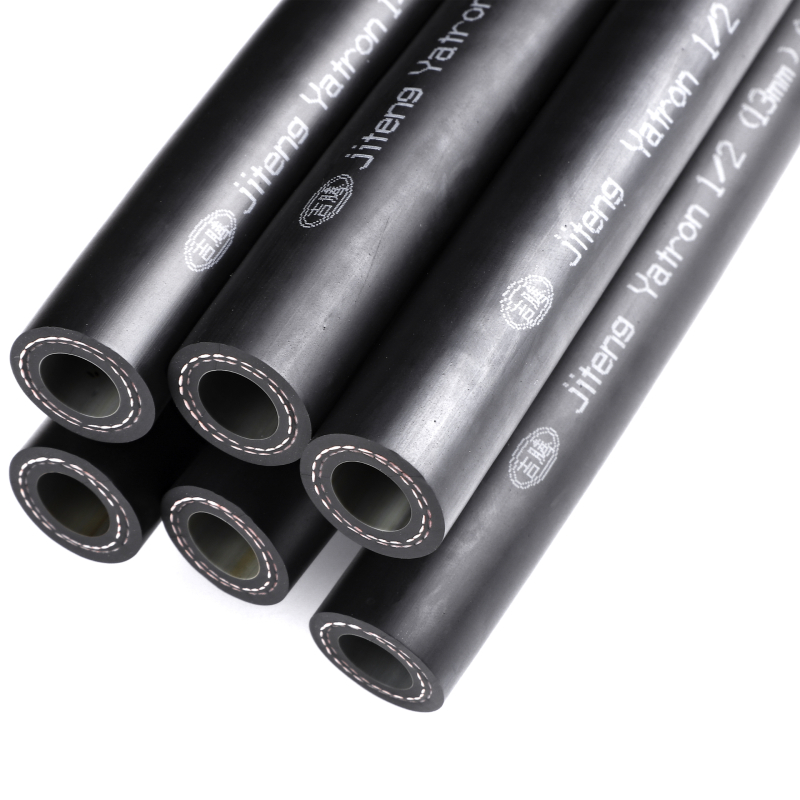
Technical Specifications: The Type E Six-Layers A/C Hose Standard
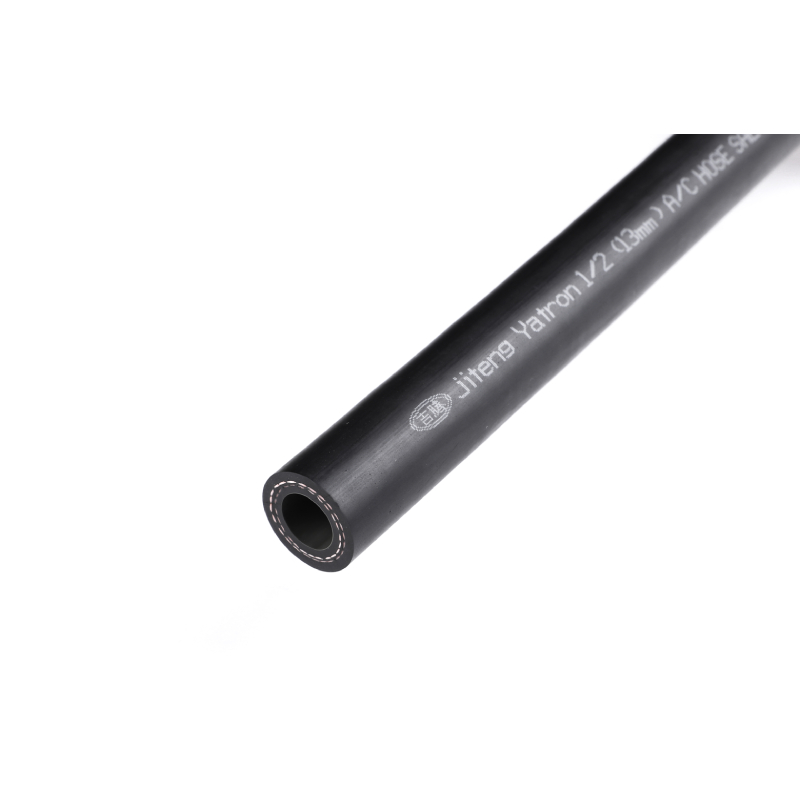
A thorough understanding of the technical specifications of an air conditioning charging hose is indispensable for engineers and procurement professionals. The Type E six-layers A/C hose, available at Kemohose, represents the apex of advanced engineering in this product category. Its multi-layered construction is specifically engineered to effectively overcome common challenges associated with refrigerant transfer, including high permeation rates, chemical incompatibility, and inadequate pressure resistance.
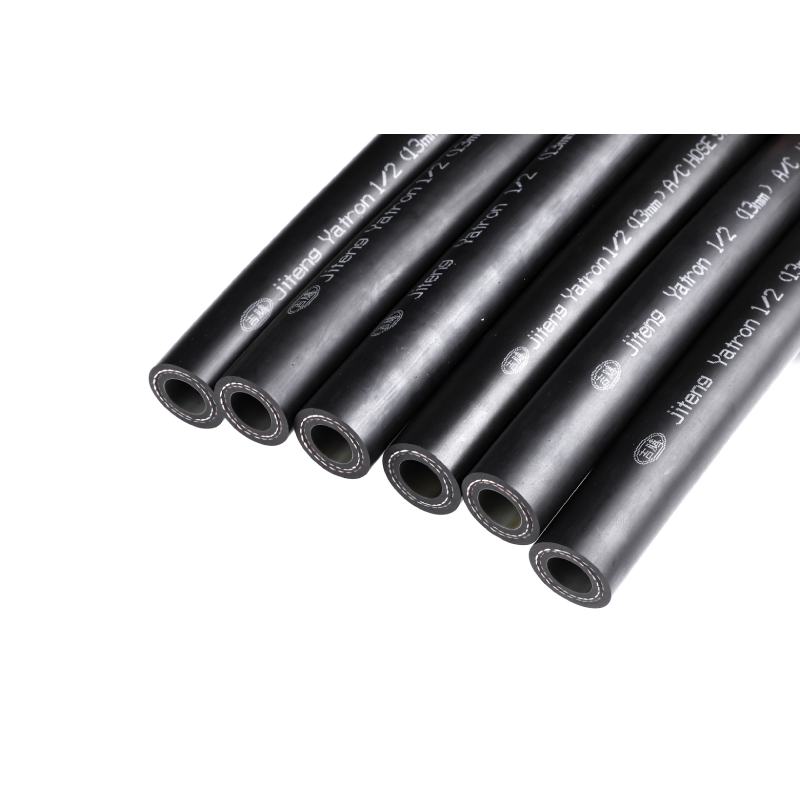
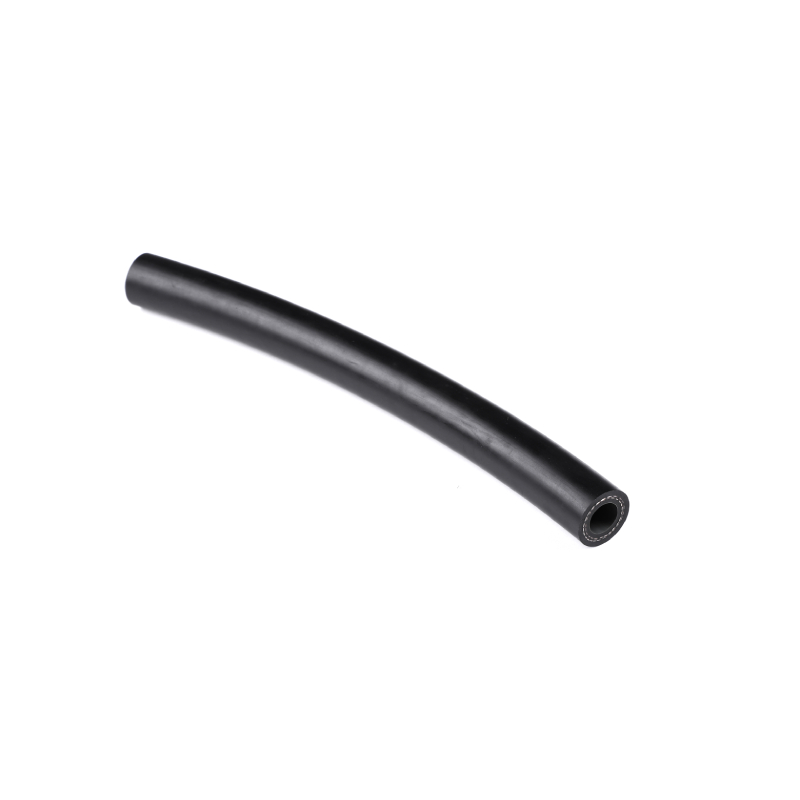
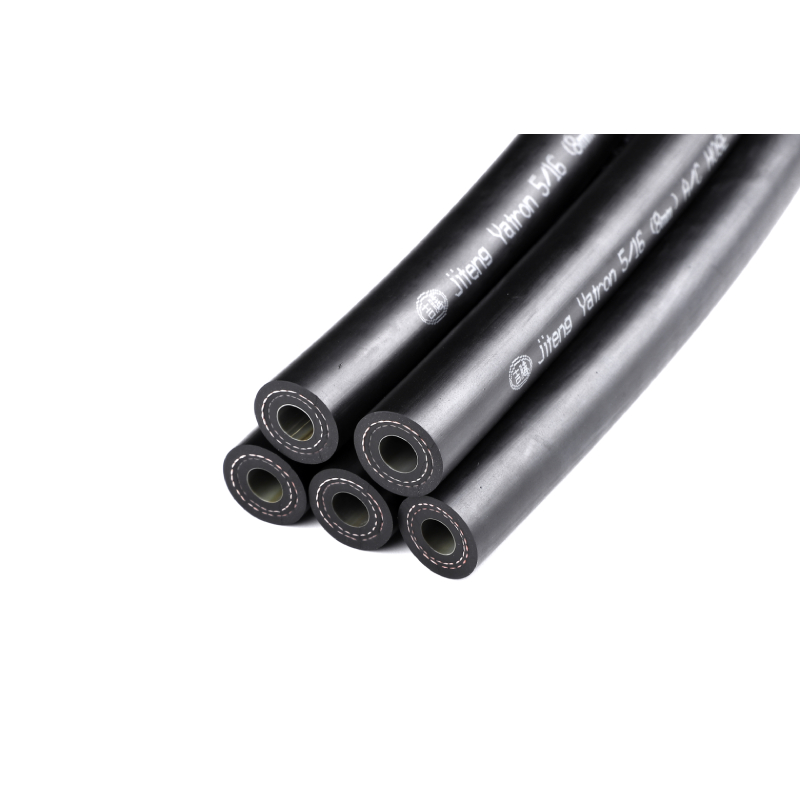
The sophisticated six-layer architecture typically comprises: (1) an ultra-low permeation inner core (commonly Polyamide or HNBR elastomer for superior chemical resistance to refrigerants and oils); (2-4) multiple reinforcement layers (e.g., high-tensile synthetic fibers or spiral wire for exceptional pressure and burst strength); and (5-6) a robust outer cover (e.g., EPDM or Chloroprene rubber for outstanding abrasion, weather, and ozone resistance). This intricate design ensures maximum performance, durability, and a prolonged service life, even under the most arduous operating conditions.
Key Product Parameters for Type E Six Layers A/C Hose
| Parameter | Specification (Type E Six Layers A/C Hose) | Technical Rationale & Compliance |
|---|---|---|
| Inner Tube Material | Nylon (PA) or HNBR Rubber | Achieves ultra-low permeation to modern refrigerants (R134a, R1234yf) and full compatibility with diverse refrigerant oils, preventing moisture ingress and system contamination. |
| Reinforcement Layers | Multiple layers of High-tensile Synthetic Fibers, with optional spiral wire for critical applications. | Confers high burst pressure ratings, exceptional resistance to kinking, and maintains integrity under vacuum, crucial for system safety and operational reliability. |
| Outer Cover Material | EPDM or Chloroprene Rubber (CR) | Provides superior resistance to ozone, UV radiation, weathering, abrasion, and oil, significantly extending the hose's service life in harsh outdoor or industrial environments. |
| Working Pressure | Up to 3.5 MPa (500 PSI) for low side, 4.5 MPa (650 PSI) for high side | Rated to safely operate within and exceed the typical pressure envelopes of modern automotive and industrial A/C systems, meeting SAE J2064 standards. |
| Burst Pressure | Typically > 17.5 MPa (2500 PSI) | Provides a substantial safety margin, often exceeding standard working pressures by a factor of 3 to 5, crucial for preventing system failure under extreme conditions. |
| Temperature Range | -40°C to +135°C (-40°F to +275°F) | Accommodates the extreme temperature fluctuations inherent in refrigerant cycles, maintaining optimal flexibility and structural integrity across diverse climatic and operational conditions. |
| Applicable Refrigerants | R12, R22, R134a, R404a, R407c, R410a, R507, HFO-1234yf | Broad compatibility with a comprehensive range of current and emerging refrigerants, including all common low GWP alternatives, ensuring future-proof application. |
| Standards Compliance | SAE J2064, ISO 9001, CE, RoHS | Adherence to international and automotive industry standards guarantees superior performance, consistent quality, environmental safety, and regulatory compliance. |
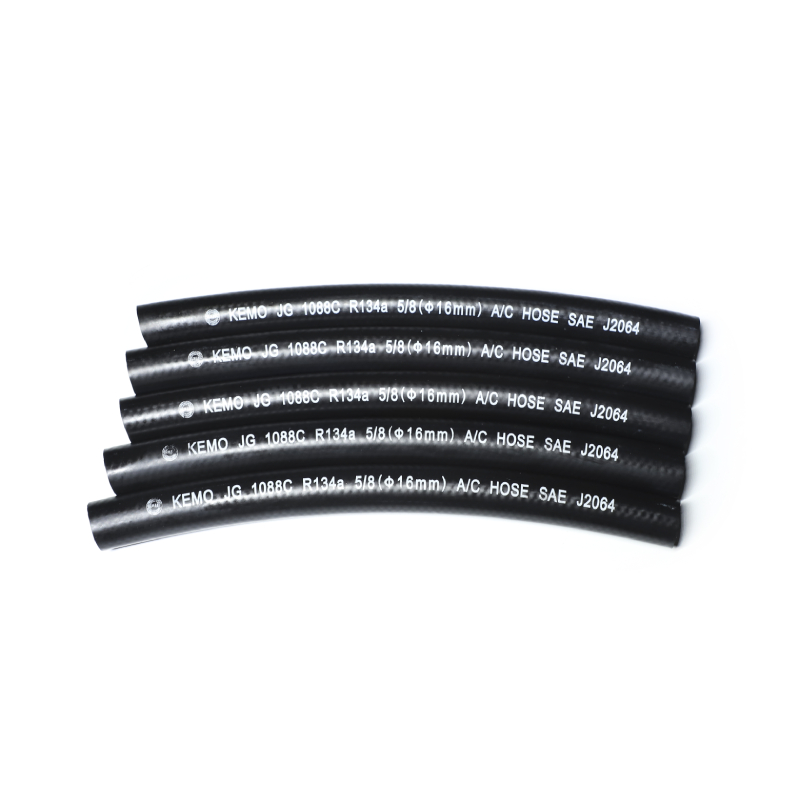
Manufacturing Process: Precision Engineering for Unrivaled Durability
The production of a high-quality air conditioning charging hose is a highly sophisticated process that meticulously integrates advanced material science with precision manufacturing techniques. This meticulous approach ensures that each hose assembly consistently meets and exceeds stringent performance criteria for safety, reliability, and extended longevity. The manufacturing process for a Type E six-layers A/C hose typically encompasses several critical stages, each carefully controlled to contribute to the hose's superior characteristics and compliance with industry standards such as ISO 9001 and ANSI specifications.
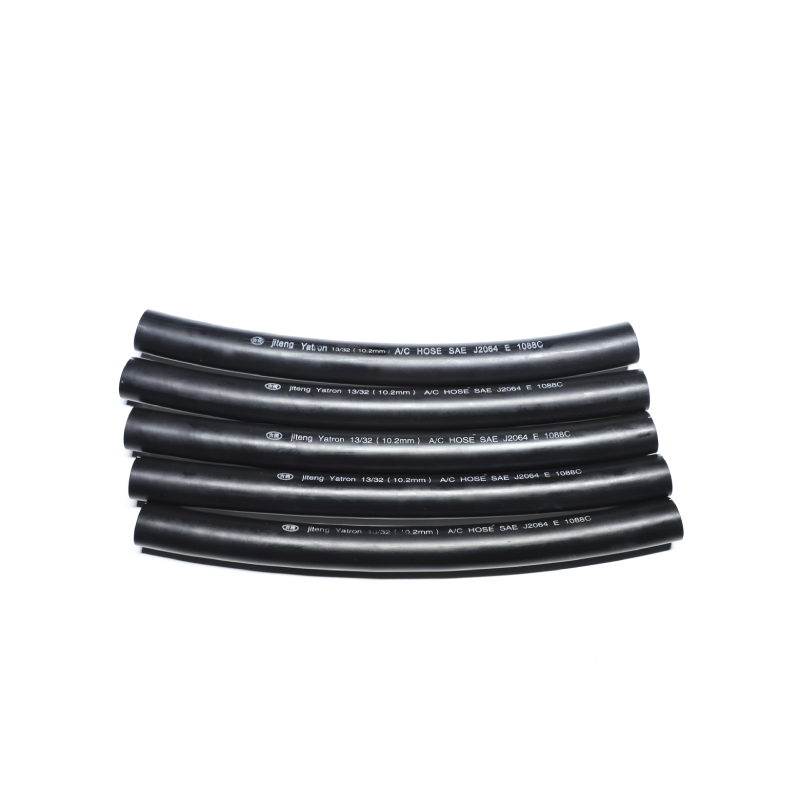
Detailed Manufacturing Process Flow:
1. Raw Material Procurement & Inspection
Sourcing of high-grade raw materials including HNBR, Polyamide, EPDM, Chloroprene rubber, and high-tensile synthetic fibers from certified suppliers. All incoming materials undergo rigorous quality inspection against internal and international standards.
2. Inner Tube Extrusion
Precision extrusion of the innermost barrier layer (e.g., Nylon or HNBR) using advanced machinery. This critical step ensures uniform wall thickness and optimal impermeability to refrigerants and oils, meeting strict permeation standards.
3. Reinforcement Layer Application
Multiple layers of high-tensile synthetic fibers are applied over the extruded inner tube through automated braiding or spiral-winding processes. This forms the structural core, providing high burst pressure integrity and resistance to kinking and collapse under vacuum.
4. Outer Cover Extrusion
The final outer layer of EPDM or Chloroprene rubber is extruded over the reinforced hose. This robust cover provides crucial external protection against environmental degradation, including ozone, UV radiation, abrasion, and incidental chemical exposure.
5. Vulcanization & Curing
The multi-layered hose assembly undergoes a controlled vulcanization (curing) process under precise temperature and pressure. This cross-links the rubber compounds, enhancing their elasticity, strength, and chemical resistance, permanently bonding the layers.
6. Testing and Quality Control
Each batch of hoses undergoes rigorous testing: burst pressure tests (e.g., ISO 1402), vacuum tests, impulse tests (SAE J2064), permeation tests for refrigerant loss, and ozone resistance tests (ISO 7326). These tests ensure compliance with all applicable standards and specified performance parameters.
7. Cutting, Fitting, and Assembly
Hoses are precisely cut to specified lengths using automated cutters. High-quality fittings (often CNC machined brass or stainless steel, or forged steel) are then securely crimped or swaged onto the hose ends using calibrated equipment, forming a robust and leak-proof assembly.
8. Final Inspection & Packaging
Completed hose assemblies undergo a final visual inspection and functional check before being packaged according to customer specifications, ready for shipment. This final stage guarantees product integrity and adherence to order details.
The meticulous attention to detail at each stage of manufacturing, from material selection to final testing, ensures that these hoses deliver an extended service life of 5-10 years, depending on application intensity and specific environmental factors. This rigorous process significantly enhances advantages such as energy saving through minimized leakage and superior corrosion resistance, crucial in demanding industrial atmospheres.
Application Scenarios Across Diverse Industries
The versatility and inherent reliability of a precisely engineered air conditioning charging hose make it an indispensable component across a multitude of industries. From automotive servicing and heavy equipment operation to complex industrial HVAC and refrigeration systems, these hoses form the critical backbone of efficient refrigerant handling and thermal management.
Target Industries and Typical Applications:
- Automotive & Heavy Equipment: Essential for precise charging, efficient evacuation, and safe recovery of refrigerants in passenger vehicle HVAC systems, commercial trucks, public transit buses, agricultural machinery, and heavy construction vehicles. The Type E hose, meeting the stringent SAE J2064 standard, is ideally suited for these demanding mobile applications, exhibiting exceptional resistance to engine bay heat, dynamic vibrations, and road contaminants.
- Industrial HVAC & Commercial Refrigeration: Extensively utilized in large-scale commercial buildings, critical data centers, advanced cold storage facilities, and diverse industrial process cooling systems. In these environments, the hose's capacity to handle high pressures, broad temperature ranges, and compatibility with various refrigerants is paramount for maintaining precise climate control and preserving sensitive materials or equipment.
- Petrochemical Industry: While less common for direct refrigerant charging, specialized variants with enhanced chemical resistance are integral in certain process cooling setups or laboratory environments where precise temperature regulation and specific fluid circulation are required. Related products, such as industrial-grade air conditioning duct hose, are frequently found in fume extraction and ventilation systems to ensure safe working conditions.
- Metallurgy & Manufacturing: In highly demanding environments that necessitate precise temperature regulation for sensitive machinery or specialized cooling processes, robust A/C hoses significantly contribute to operational stability. Furthermore, specialized air conditioning extractor hose solutions are vital for maintaining superior air quality and safely removing particulate matter in high-temperature or dust-laden manufacturing areas.
- Water Supply & Drainage (Indirect Process Cooling): Indirectly, A/C charging hoses are crucial for the maintenance of chiller plants that support large-scale water cooling loops for various industrial processes. Their role ensures that the chillers themselves are maintained for optimal performance, thereby contributing significantly to energy saving through efficient heat exchange and offering superior corrosion resistance within the overall system infrastructure.
Across these typical application scenarios, the advantages of a high-performance charging hose are distinctly palpable: improved energy saving through minimal refrigerant leakage and reduced frequency of system recharges, coupled with superior corrosion resistance, ensures a prolonged service life in challenging industrial atmospheres. This translates directly into reduced maintenance costs, enhanced operational safety, and increased system reliability.
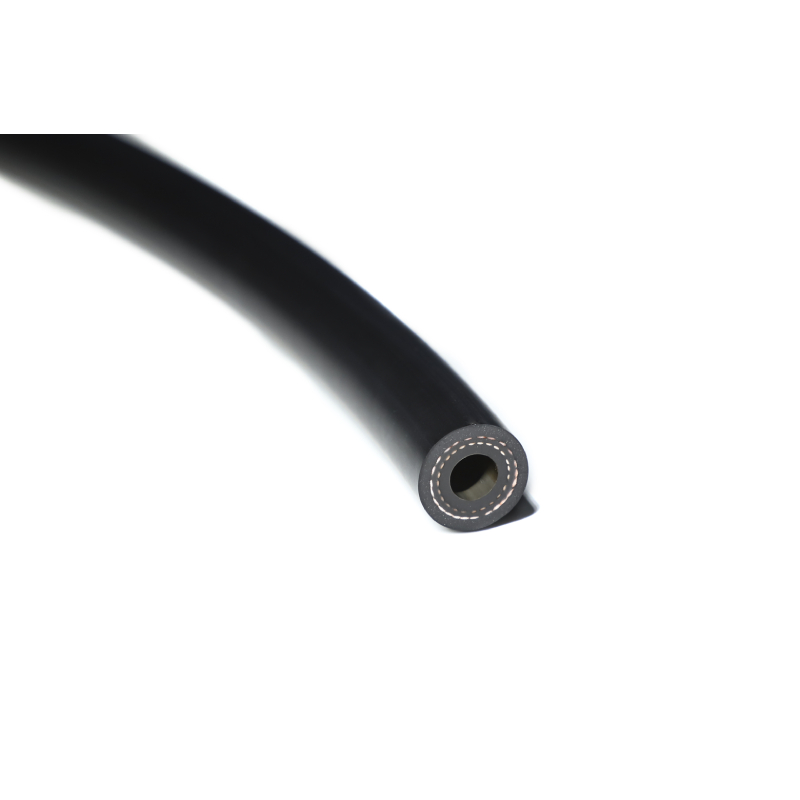
Technical Advantages of Advanced A/C Hoses
The sophisticated design and robust construction of modern A/C hoses, particularly multi-layered variants like the Type E, provide substantial technical advantages over conventional, single-layer hose products. These inherent benefits translate directly into enhanced system performance, significantly reduced operational expenditures, and elevated safety standards for industrial and commercial users.
- Exceptional Permeation Resistance: The advanced multi-layer barrier, often featuring a specialized Nylon or HNBR core, dramatically minimizes refrigerant leakage. This is critically important for environmental compliance (especially with low GWP refrigerants) and essential for maintaining optimal system charge, directly influencing cooling efficiency and significantly reducing the frequency of costly recharges. For instance, hoses designed to meet SAE J2064 standards must achieve stringent permeation limits, often less than 1.5 grams per year per meter.
- Superior Pressure Handling Capabilities: Multiple, precisely applied reinforcement layers of high-tensile synthetic fiber provide consistently high burst and working pressure ratings, ensuring safe and reliable operation even under peak system loads and transient pressure spikes. This proactive design prevents catastrophic failures, safeguarding both personnel and expensive equipment.
- Broad and Stable Temperature Range: Engineered to perform reliably from extreme cold (-40°C) to intense heat (+135°C), these hoses maintain crucial flexibility and structural integrity across diverse climatic zones and severe operational conditions. This is a paramount factor for automotive under-hood applications, as well as outdoor industrial and mobile refrigeration units.
- Unparalleled Chemical Compatibility: The advanced inner tube materials are meticulously selected for broad chemical compatibility with a wide array of current and emerging refrigerants (e.g., R134a, R1234yf, R410a, R32) and their associated compressor oils (e.g., PAG, POE, Ester). This prevents material degradation, swelling, and subsequent system contamination.
- Enhanced Abrasion and Ozone Resistance: Durable outer covers, typically manufactured from premium EPDM or Chloroprene rubber, provide robust protection against external damage resulting from abrasion, prolonged UV radiation exposure, and ozone. This significantly extends the service life of the air conditioning charging hose in inherently harsh operating environments.
- Excellent Vibration and Flex-Fatigue Resistance: The meticulously engineered composite structure is specifically designed to effectively absorb and dampen vibrations while simultaneously withstanding continuous flexing and dynamic movements without compromising its structural integrity. This attribute is critically important for dynamic installations in vehicles, heavy machinery, and equipment subject to constant motion.
Vendor Comparison: Strategic Partner Selection for Critical Components
The selection of a reliable supplier for air conditioning charging hose products constitutes a strategic decision for B2B entities. The market presents a broad spectrum of vendors, each possessing varying capabilities in terms of product quality, depth of technical support, and flexibility in customization. A thorough and analytical comparison is therefore essential to ensure long-term value, consistent reliability, and optimal system performance. Below is a comparative overview of different vendor types, highlighting the distinct advantages offered by specialized manufacturers such as Kemohose.
Product Comparison Table: Type E Six Layers A/C Hose vs. Industry Benchmarks
| Feature/Vendor Type | Kemohose (Type E Six Layers A/C Hose) | Standard Industrial Hose Manufacturer | Budget/Generic Supplier |
|---|---|---|---|
| Hose Construction | 6-layer advanced barrier (Nylon/HNBR inner, multiple fiber reinforcement, EPDM/CR outer) | 3-5 layers (Nitrile/Chlorobutyl inner, single/double fiber reinforcement, EPDM outer) | 2-3 layers (PVC/Synthetic rubber inner, minimal reinforcement, basic rubber outer) |
| Permeation Rate (R134a) | Extremely Low (e.g., < 1.0 g/m/yr), consistently meets SAE J2064 Class I | Low to Moderate (e.g., 2.0-5.0 g/m/yr), may meet older or less strict standards | High (e.g., > 5.0 g/m/yr), often fails modern industry tests, contributes to environmental leakage |
| Max Working Pressure | Up to 4.5 MPa (650 PSI) for high-side applications | Up to 3.0 MPa (435 PSI) | Up to 2.0 MPa (290 PSI), often with minimal safety margin |
| Operating Temperature Range | -40°C to +135°C (-40°F to +275°F) | -30°C to +120°C (-22°F to +248°F) | -20°C to +100°C (-4°F to +212°F), prone to brittleness at low temps, softening at high temps |
| Standards & Certifications | SAE J2064, ISO 9001, CE, RoHS compliant, OEM quality | Basic ISO 9001, may meet some regional/historical standards | Limited or no verifiable certifications; often self-declared |
| Customization Options | High capability: specific lengths, specialized fittings, colors, branding, integrated components | Moderate: standard lengths/fittings only | Low: typically off-the-shelf products with minimal or no modification |
| Technical Support & Expertise | Expert engineering consultation, rapid technical response, R&D support for complex integrations | Standard technical data sheets and limited application support | Minimal or no dedicated technical support; reliance on basic product descriptions |
| Warranty & Expected Service Life | Comprehensive warranty (1-2 years), 5-10 year service life in typical applications | Limited warranty (6-12 months), 3-5 year service life | Very limited or no warranty, often less than 3 year service life, leading to high replacement costs |
Specialized manufacturers like Kemohose, with a dedicated focus on high-performance fluid transfer components, distinguish themselves through superior engineering, rigorous multi-stage quality control, and an unwavering commitment to meeting and exceeding global industry standards. This dedication translates into products that offer demonstrably enhanced safety, prolonged longevity, and ultimately, a significantly lower total cost of ownership for discerning B2B clients. Partnering with such manufacturers also provides direct access to invaluable engineering expertise, which is often crucial for addressing complex integration challenges and optimizing overall system design.
Customized Solutions for Unique Operational Requirements
In many advanced B2B scenarios, readily available off-the-shelf products may not be fully capable of addressing the highly specific technical, spatial, or operational requirements of unique projects. Recognizing this crucial need for tailored solutions, leading manufacturers of air conditioning charging hose systems offer extensive customization capabilities. These bespoke solutions are meticulously engineered to ensure optimal integration and peak performance, effectively minimizing compromises and maximizing overall system efficiency and reliability.
Comprehensive customization options typically include:
- Specific Lengths and Diameters: Hoses can be precisely manufactured to exact lengths and specified internal/external diameters, perfectly tailored to fit stringent spatial constraints and optimize specific flow rate requirements. This eliminates unnecessary excess hose length, which can otherwise lead to detrimental pressure drop, kinking, or chafing.
- Specialized Fittings and Connectors: Integration of unique thread types (e.g., metric, NPT), specialized quick-disconnect couplers, or fittings manufactured from advanced materials (e.g., marine-grade stainless steel for enhanced corrosion resistance) to ensure seamless and secure connection with existing, diverse equipment.
- Custom Color Coding and Branding: Hoses can be supplied with custom outer jacket colors for clear and intuitive identification within complex system architectures, or for consistent corporate branding purposes, improving safety and maintenance efficiency.
- Enhanced Outer Cover Materials: For operational environments characterized by extreme abrasion, aggressive chemical exposure, or prolonged high-intensity UV radiation, specialized outer cover layers (e.g., polyurethanes, high-performance TPEs) can be specified to further augment durability.
- Integrated Sensing and Control Components: Hoses can be designed and supplied with pre-installed, factory-calibrated components such as precise pressure gauges, high-flow valves, or embedded temperature sensors, enabling advanced system monitoring and control capabilities.
Partnering with a vendor capable of delivering comprehensive custom solutions, such as Kemohose, provides a distinct and critical advantage. Their experienced engineering teams can collaborate closely with clients from initial concept to final production, meticulously designing, prototyping, and manufacturing hoses that precisely match detailed technical specifications. This collaborative approach ensures perfect compatibility and peak performance for even the most challenging and mission-critical applications, thereby minimizing inherent design risks and significantly accelerating project timelines.
Application Case Studies and Verifiable Customer Feedback
Real-world application case studies provide invaluable and verifiable insight into the practical benefits and demonstrated reliability of high-performance air conditioning charging hose products. These compelling examples emphatically underscore the superior effectiveness of advanced hose technology in critical industrial and commercial settings, providing concrete evidence of tangible improvements in operational efficiency and cost savings.
Case Study 1: Major Automotive OEM Assembly Line Optimization
A leading global Automotive Original Equipment Manufacturer (OEM) encountered persistent issues with premature refrigerant leakage and hose degradation in their high-volume vehicle assembly line's A/C charging stations. Standard hoses were consistently failing prematurely due to the combined stresses of constant flexing, exposure to minor oil contaminants, and rapid pressure cycles. Following a comprehensive technical review, the OEM transitioned to Kemohose's Type E six-layers A/C hoses, which were customized with specific quick-disconnect fittings engineered for high-cycle applications. Over a rigorous 12-month evaluation period, the OEM reported a drastic 90% reduction in refrigerant leak rates, resulting in substantial cost savings from reduced refrigerant replenishment and a significant decrease in costly rework. The enhanced flexibility, superior chemical resistance, and robust mechanical properties of the Type E hose directly contributed to these profound operational efficiencies and measurably improved final product quality.
"The unparalleled durability and low permeation of Kemohose's A/C charging hoses have truly been a game-changer for our assembly plant operations. We've achieved a significant reduction in line stoppages and virtually eliminated warranty claims directly related to refrigerant issues. The technical team's expertise and proactive support during the integration phase were absolutely exceptional." - Chief Production Engineer, Global Automotive Manufacturer.
Case Study 2: Commercial Refrigeration Fleet Durability Enhancement
A prominent national commercial refrigeration service provider faced frequent operational challenges due to standard charging hoses becoming brittle, stiff, and prone to cracking when exposed to sub-zero temperatures or after prolonged periods of intense UV radiation during extensive field operations. This issue led to constant hose replacements, increased technician downtime, and elevated operational costs. The strategic transition to Kemohose's Type E hoses, renowned for their exceptionally wide temperature range and highly robust EPDM outer cover, proved to be immensely beneficial. Field technicians consistently reported superior flexibility even in freezing conditions and zero instances of environmental degradation or cracking after extensive and rigorous use across various climatic zones. This led to an impressive 40% reduction in annual hose replacement costs and significantly enhanced the service reliability offered to their vast client base.

Frequently Asked Questions (FAQ), Lead Time, and Support
Q1: What distinct features make the Type E six-layers A/C hose superior to conventional hoses?
A1: The Type E hose incorporates an advanced multi-layer construction featuring a specialized inner barrier for ultra-low refrigerant permeation, multiple high-tensile reinforcement layers for exceptional pressure resistance, and a highly durable outer cover for superior environmental protection. This sophisticated design significantly surpasses conventional hoses in terms of longevity, operational safety, and broad refrigerant compatibility.
Q2: Are these hoses compatible with the new generation of low GWP refrigerants, such as HFO-1234yf?
A2: Absolutely. The Type E six-layers A/C hoses are specifically engineered with advanced materials that offer excellent chemical compatibility and ultra-low permeation rates for a comprehensive range of refrigerants, including HFO-1234yf, R134a, R410a, R32, and others. They consistently meet or exceed the stringent requirements of SAE J2064 standards for next-generation refrigerants.
Q3: What are the typical lead times for bulk orders and intricate customized solutions?
A3: For standard bulk orders of Type E hoses, lead times typically range from 2 to 4 weeks, contingent upon the specific order volume and current production schedules. Intricate customized solutions may require an additional 1-2 weeks for initial design, rigorous prototyping, and specialized tooling, with precise timelines provided following a detailed project consultation. We are committed to efficient fulfillment to meet critical project deadlines.
Q4: What warranty is provided for these hoses, and what kind of after-sales support can B2B clients expect?
A4: Kemohose proudly offers a comprehensive 1 to 2-year warranty on its Type E six-layers A/C hoses, meticulously covering manufacturing defects and ensuring consistent performance under specified operating conditions. Our dedicated after-sales support team comprises experienced technical specialists who are readily available for expert technical assistance, proficient troubleshooting, and prompt replacement part inquiries. We are committed to ensuring seamless operation and sustained customer satisfaction throughout the product lifecycle.
Conclusion: The Imperative for High-Quality A/C Charging Hoses
The performance and integrity of an air conditioning charging hose are far more critical than often initially perceived, directly and profoundly influencing the efficiency, safety, environmental compliance, and long-term economic viability of HVAC and refrigeration systems across diverse industrial and commercial sectors. As refrigerant technologies continue to evolve and operational demands intensify, the paramount need for advanced, multi-layered hose technology becomes increasingly apparent and non-negotiable. Products such as the Kemohose Type E six-layers A/C hose exemplify the pinnacle of engineering excellence in this specialized field, consistently offering unmatched permeation resistance, superior pressure handling capabilities, and unparalleled long-term durability.
Strategic investment in certified, meticulously manufactured, and high-quality charging hoses from reputable global manufacturers not only ensures strict compliance with increasingly stringent global industry standards but also delivers tangible and quantifiable benefits. These benefits include significantly reduced maintenance requirements, minimized costly refrigerant loss, substantial energy savings, and a greatly extended service life for critical capital equipment. Through the implementation of rigorous manufacturing processes, unwavering adherence to international testing standards, and a steadfast commitment to delivering customer-centric customized solutions, B2B partners can effectively secure a significant competitive advantage and achieve sustained operational excellence.
For businesses that demand uncompromising reliability, exceptional longevity, and consistent peak performance from their intricate refrigerant management infrastructure, the informed choice of a premium air conditioning charging hose is not merely a routine procurement decision—it is a critical, forward-thinking strategic investment in the future resilience and efficiency of their core operations.

References
- SAE International. (2018). SAE J2064: R134a and R1234yf Refrigerant Automotive Air Conditioning Hose. Retrieved from www.sae.org
- International Organization for Standardization. (2016). ISO 7326: Rubber and plastics hoses for automotive air conditioning systems - Specification. Retrieved from www.iso.org
- ASHRAE Journal. (2020). Advances in Refrigerant Technology and System Components for Modern HVAC Systems. Vol. 62, No. 7, pp. 24-31.
- Environmental Protection Agency. (2021). Section 608: Refrigerant Management Regulations. Retrieved from www.epa.gov
- Rubber Manufacturers Association. (2019). RMA Standards for Industrial Hose and Tubing. Retrieved from www.rma.org
Latest news
-
Transmission Oil Cooler Pipe Maintenance and Selection Guide
NewsApr.16,2026
-
Ultimate Guide to Choosing Transmission Oil Cooler Line Hose
NewsApr.09,2026
-
Essential Guide to Transmission Oil Cooler Hose 5/16 for Vehicle Longevity
NewsApr.07,2026
-
Understanding the Critical Role of Transmission Oil Cooler Hose 1 2 for Vehicle Longevity
NewsApr.04,2026
-
Understanding Transmission Oil Coolant Lines For Optimal Vehicle Performance
NewsMar.31,2026
-
Comprehensive Guide to Oil Coolant Pipe Selection and Industrial Applications
NewsMar.28,2026
 Afrikaans
 Albanian
 Amharic
 Arabic
 Armenian
 Azerbaijani
 Basque
 Belarusian
 Bengali
 Bosnian
 Bulgarian
 Catalan
 Cebuano
 Corsican
 Croatian
 Czech
Czech
 Danish
 Dutch
Dutch
 Esperanto
 Estonian
 Finnish
 French
 Frisian
 Galician
 Georgian
 German
 Greek
Greek
 Gujarati
 Haitian Creole
 Hausa
Hausa
 Hawaiian
 Hebrew
 Hindi
Hindi
 Miao
Miao
 Hungarian
 Icelandic
 Igbo
Igbo
 Indonesian
 Irish
Irish
 Italian
 Japanese
 Javanese
 Kannada
 Kazakh
 Khmer
Khmer
 Rwandese
 Korean
 Kurdish
 Kyrgyz
 Lao
Lao
 Latin
Latin
 Latvian
 Lithuanian
 Luxembourgish
 Macedonian
 Malgashi
 Malay
Malay
 Malayalam
 Maltese
 Maori
Maori
 Marathi
 Mongolian
 Myanmar
 Nepali
 Norwegian
 Norwegian
 Occitan
 Pashto
 Persian
 Polish
 Portuguese
 Punjabi
 Romanian
 Russian
 Samoan
 Scottish Gaelic
 Serbian
 Sesotho
 Shona
Shona
 Sindhi
 Sinhala
 Slovak
 Slovenian
 Somali
 Spanish
 Sundanese
 Swahili
 Swedish
 Tagalog
 Tajik
Tajik
 Tamil
Tamil
 Tatar
Tatar
 Telugu
 Thai
Thai
 Turkish
 Turkmen
 Ukrainian
 Urdu
Urdu
 Uighur
 Uzbek
Uzbek
 Vietnamese
 Welsh
Welsh
 Bantu
Bantu
 Yiddish
 Yoruba
 Zulu
Zulu
 English