
Power Steering Pressure Hose Replacement Guide and Tips for Optimal Performance
Nov . 01, 2024 03:44 Back to list
Power Steering Pressure Hose Replacement Guide and Tips for Optimal Performance
Understanding Power Steering Pressure Pipes
Power steering systems are essential in modern vehicles, enhancing driver control and providing a more comfortable driving experience. One of the key components of this system is the power steering pressure pipe, which plays a crucial role in ensuring that the hydraulic fluid is effectively transmitted from the pump to the steering gear. This article delves into the functions, construction, and importance of power steering pressure pipes in vehicle dynamics.
The Role of the Power Steering Pressure Pipe
The power steering pressure pipe serves as the conduit for high-pressure hydraulic fluid generated by the power steering pump. This fluid is necessary for the steering mechanism to assist in turning the vehicle, thereby reducing the effort required by the driver. When the driver turns the steering wheel, the pump channels fluid through the pressure pipe to the steering gear, which helps to maneuver the vehicle smoothly and efficiently.
Construction and Material
Typically, power steering pressure pipes are made from durable materials that can withstand high pressure and possible exposure to heat and various chemicals from the vehicle's engine and environment. Common materials used include metal alloys, such as steel or aluminum, and reinforced rubber. These materials ensure the pipes can handle the demanding conditions of automotive environments, providing both strength and flexibility.
Common Issues with Power Steering Pressure Pipes
power steering pressure pipe
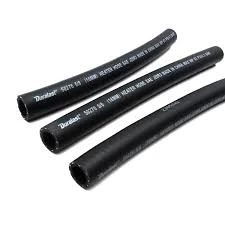
Over time, power steering pressure pipes may experience wear and tear. Common issues include leaks, corrosion, and cracks. A leak in the pressure pipe can lead to reduced hydraulic fluid levels, resulting in poor steering performance and increased driver effort. If left unaddressed, this could culminate in complete steering failure, posing safety risks. Regular inspection and maintenance can help identify early signs of wear, allowing for timely replacement or repair.
Signs of a Failing Pressure Pipe
Drivers should be aware of warning signs that may indicate issues with the power steering pressure pipe. Common symptoms include a whining noise when turning the wheel, difficulty steering, or visible fluid leaks under the vehicle. Additionally, the steering system may feel less responsive, which can be alarming, especially while navigating tight corners or during parking.
Importance of Maintenance
Maintaining the power steering system, including the pressure pipe, is vital for vehicle safety and performance. Periodic checks can help uncover problems before they escalate, saving the driver from costly repairs down the line. Regularly inspecting for signs of wear and ensuring that the hydraulic fluid is at the correct level are essential practices for any vehicle owner.
Conclusion
In summary, the power steering pressure pipe is a critical component of the automotive steering system, facilitating the smooth and controlled operation of a vehicle. Understanding its function, potential issues, and the importance of maintenance can empower drivers to ensure their vehicles remain safe and responsive on the road. By treating power steering with the attention it deserves, drivers can look forward to a safer, more enjoyable driving experience.
Latest news
-
Seven-Layer Type C A/C Hose-HEBEI KEMO AUTO PARTS TECHNOLOGY CO., LTD
NewsSep.02,2025
-
Seven-Layer Type C A/C Hose-HEBEI KEMO AUTO PARTS TECHNOLOGY CO., LTD|Low Permeability,Pulse-Resistance
NewsSep.02,2025
-
Seven-Layer A/C Hose-Hebei Kemo|Low Permeability & Aging Resistance
NewsSep.01,2025
-
Seven-Layer Type C A/C Hose - HEBEI KEMO AUTO PARTS TECHNOLOGY CO., LTD | Durability, Efficiency
NewsSep.01,2025
-
7-Layer Type C Automotive Air Conditioning Hose - KEMO
NewsSep.01,2025
-
Seven-Layer Type C A/C Hose-HEBEI KEMO AUTO PARTS TECHNOLOGY CO., LTD
NewsSep.01,2025