
Need an AC Pressure Hose - Leak-Proof, Durable, OEM Fit?
Oct . 06, 2025 09:15 Back to list
Need an AC Pressure Hose - Leak-Proof, Durable, OEM Fit?
A10 A/C HOSE (Type C): What’s Changing in the World of AC Lines
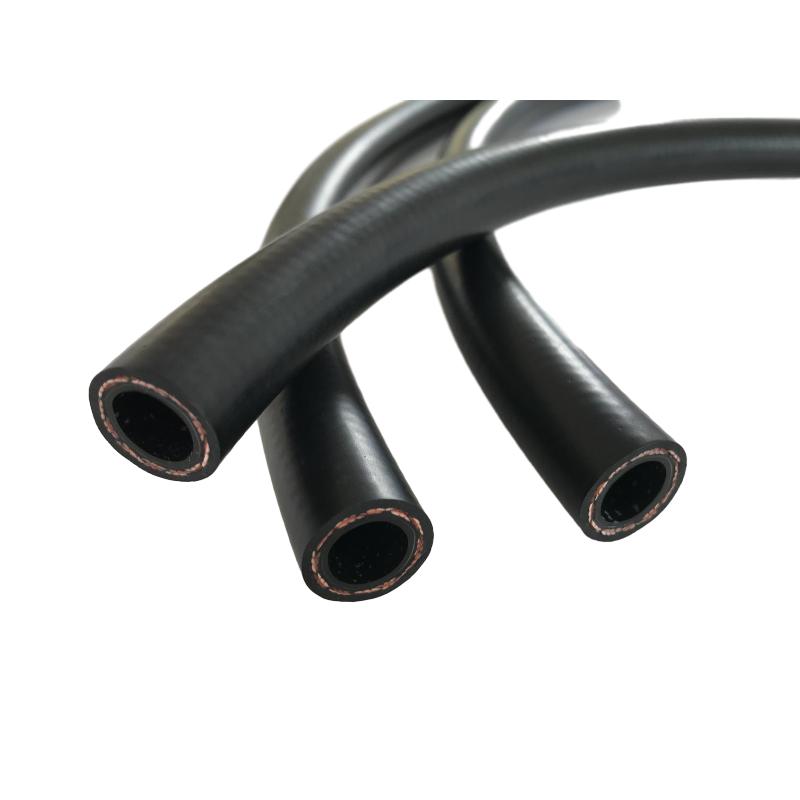
If you’re speccing an ac pressure hose for 2025-era vehicles, you already know the stakes: higher efficiency systems, tighter emissions rules, and—let’s be honest—customers who absolutely do not want callbacks. I’ve been on shop floors and in test labs where a hose is either the quiet hero or the reason for a warranty claim. The A10 A/C HOSE (Type C), made in Niu Jiazhai Industrial Area, Changzhuang Town, Wei County, Hebei Province, China, keeps showing up in those “quiet hero” stories.
Industry snapshot
Electric vehicles with heat pumps, R1234yf adoption, compact engine bays—pressure cycling is harsher and space is tighter. In fact, many customers say their biggest pain is micro‑leak detection and the cost of recharge. A low‑permeation, flexible ac pressure hose with consistent crimpability is suddenly not a “nice-to-have.” It’s core to uptime and NVH control.
Core construction and real-world specs
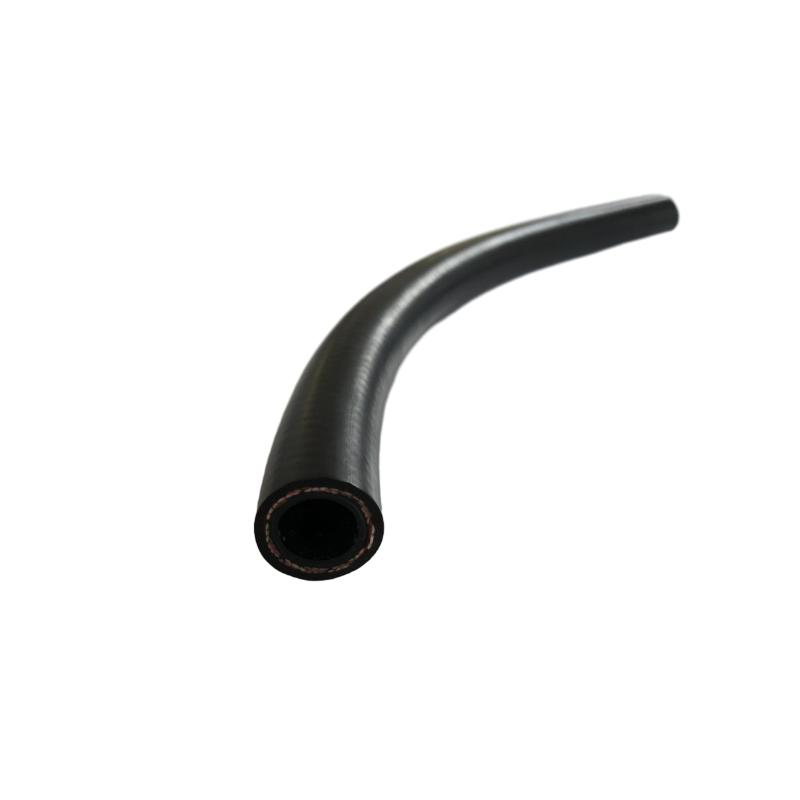
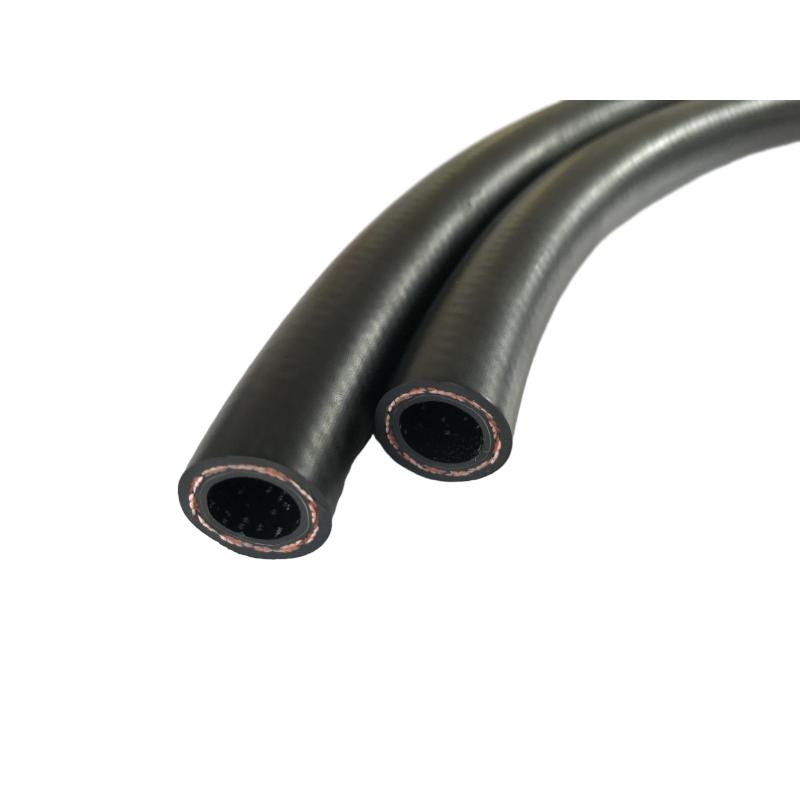
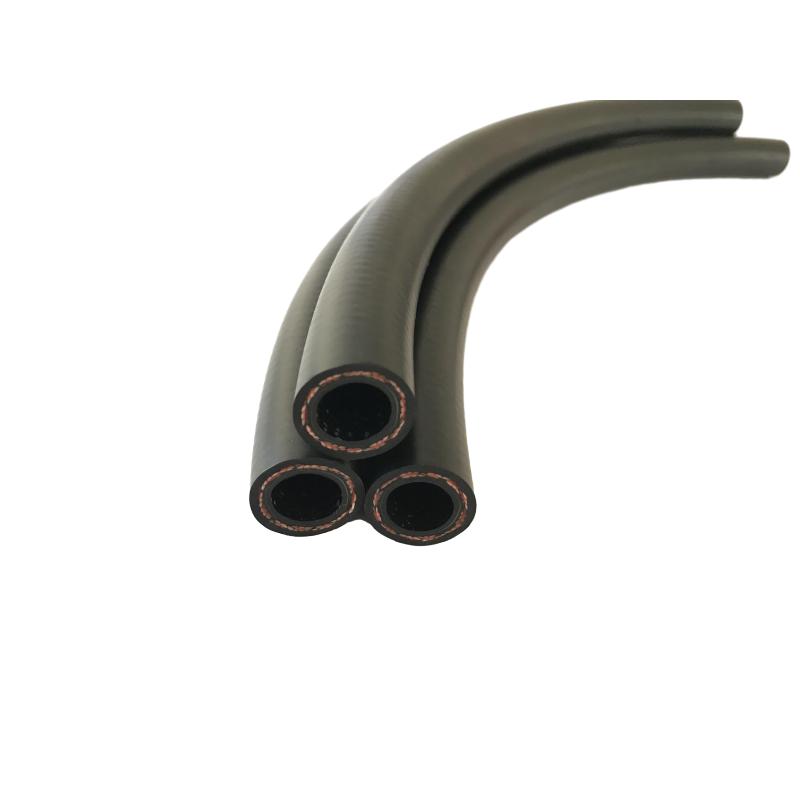
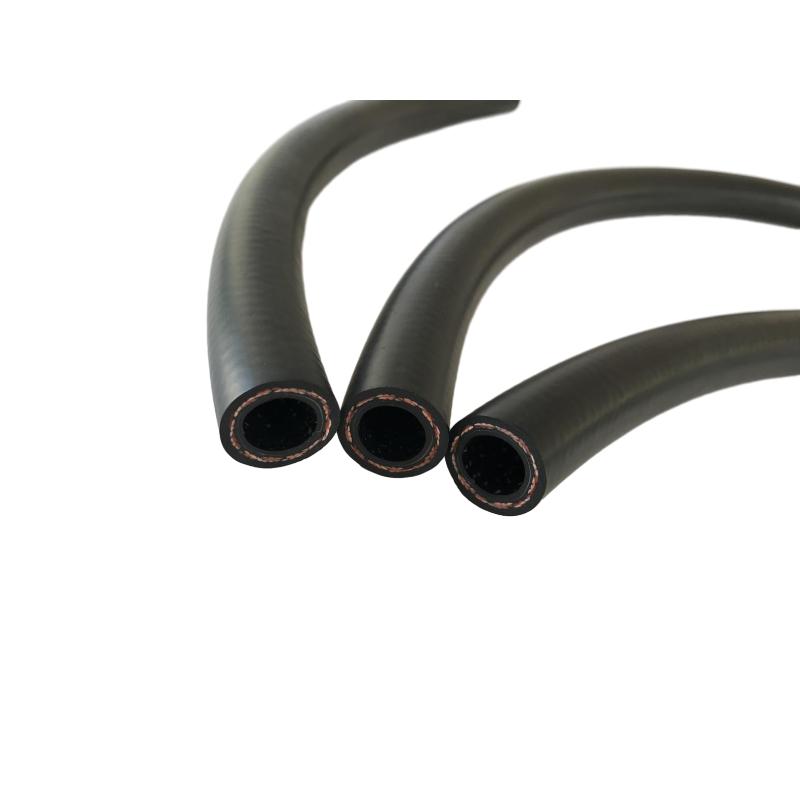
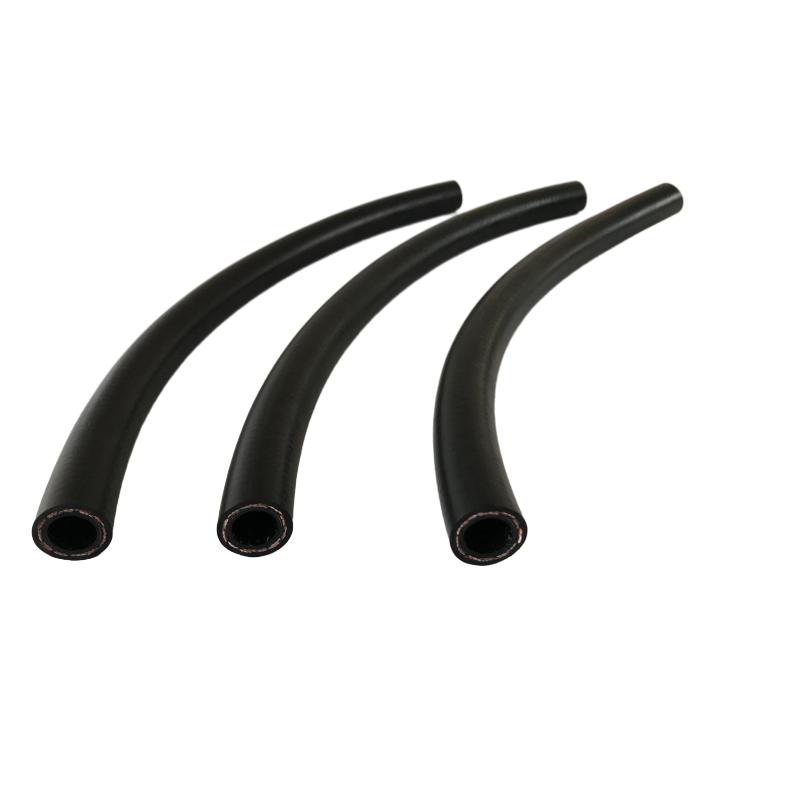
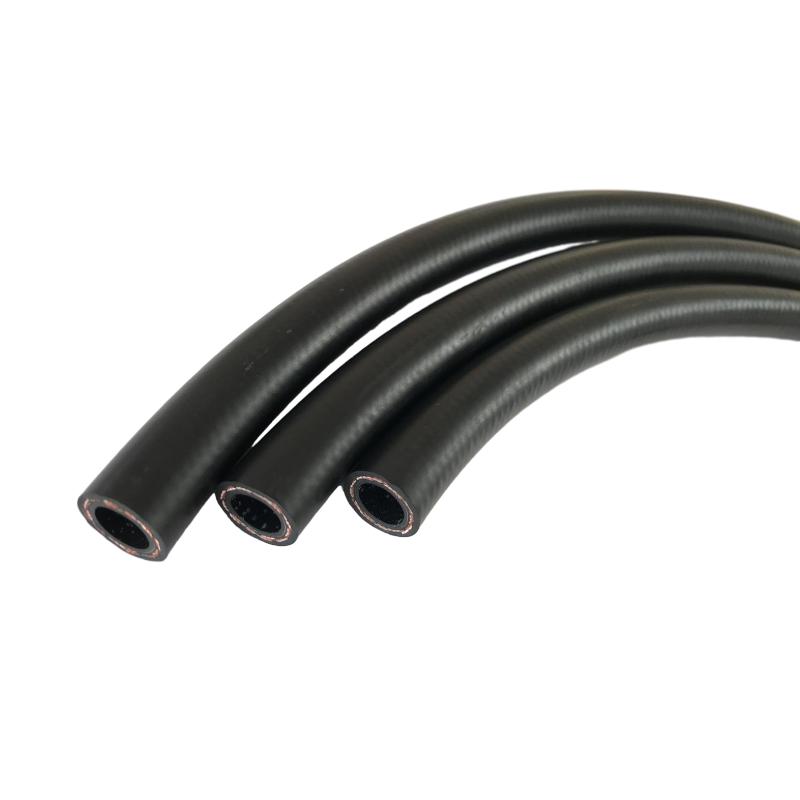
A10’s multi-layer build is the point: EPDM tube for chemistry resilience, PA/NYLON barrier for low permeation, PET/PVA reinforcement for strength, and EPDM cover for heat/ozone resistance.
| Temperature range | -40℃ to 135℃ (-40℉ to +275℉) |
| Tube / Barrier / Friction layer | EPDM / PA-NYLON / EPDM |
| Reinforcement / Cover | PET + PVA braid / EPDM |
| Standards | SAE J2064 (Type C), SAE J3062, QC/T 664 |
| Certification | ISO/TS 16949:2009 |
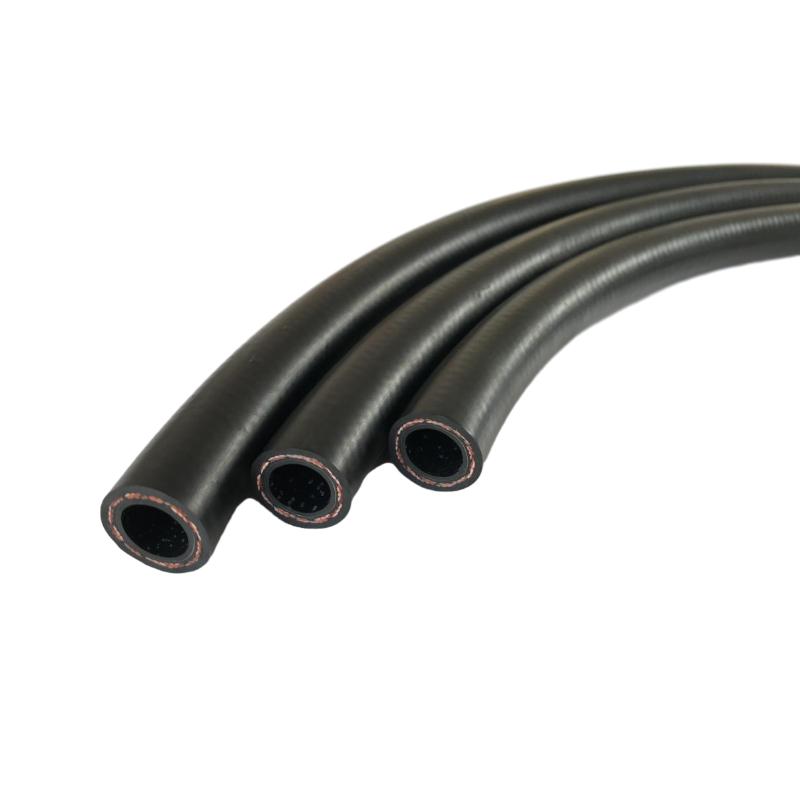
| Typical IDs | ≈ 5/16" to 5/8" (real-world use may vary) |
| Working / Burst pressure | ≈ 2.0–2.5 MPa WP; ≥ 8.0 MPa burst (lab sample, indicative) |
Refrigerants: R134a and R1234yf. Service life: around 8–12 years in typical duty, depending on routing, heat soak, and vibration.
How it’s made (and tested)
Materials are batched and mixed (EPDM compounds), then multi-layer extrusion lays down tube and PA/NYLON barrier. PET/PVA braiding provides tensile and crush resistance, followed by EPDM cover extrusion and vulcanization. To be honest, the quiet differentiator is process control—consistent ovality means fewer crimp leaks.
Testing includes: 100% visual and leak checks; hydrostatic burst; impulse cycles per SAE J2064; refrigerant permeation; high/low temp aging; ozone and salt spray; and dimensional stability. Typical internal QA notes show stable crimp retention even after thermal shock. That’s what you want in a ac pressure hose.
Where it fits
- Passenger cars and SUVs (R1234yf-ready) - EV heat-pump loops needing flexible routing - Buses/off-highway machines with long runs - Retrofit shops consolidating SKUs (mixed ID options)
Advantages: low permeation, robust ozone/heat resistance, easier bend profiles, predictable crimp windows, and stable NVH. As one technician told me, swapping to this ac pressure hose cut his spring comeback rate “to practically zero.”
Vendor landscape (quick take)
| Vendor | Certs/Standards | Customization | Lead time | Notes |
|---|---|---|---|---|
| A10 (Type C) | ISO/TS 16949; SAE J2064/J3062; QC/T 664 | ID/OD, branding, cut length, fittings | ≈ 2–5 weeks | Balanced cost-performance; EV-ready |
| Generic Import | Mixed; verify lot-by-lot | Limited | ≈ 3–8 weeks | Lower price; check permeation data |
| Premium EU Brand | IATF 16949; full SAE suite | Broad, including bespoke assemblies | ≈ 4–10 weeks | Top-tier; higher cost |
Customization checklist
Specify ID/OD, target bend radius, fittings/crimp sleeves, cut length/tolerance, marking (lot/date), and test certificates. For fleets, ask for batch-level permeation and impulse cycle summaries. It seems obvious, but routing drawings save hours later.
Field notes
Case 1: Coastal taxi fleet retrofit. Switching to this ac pressure hose plus new barrier fittings cut refrigerant top-ups by ≈ 30% over six months—salt-air exposure didn’t faze the EPDM cover.
Case 2: EV heat-pump prototype. Engineers needed tighter bends around battery trays. PET/PVA reinforcement handled the bend radius without kinking; no leaks after thermal shock cycles. “Surprisingly drama-free,” the lead tech said.
References:
- SAE J2064: R134a/R1234yf Refrigerant Automotive Air-Conditioning Hose Requirements.
- SAE J3062: Refrigerant Automotive Air-Conditioning Hose and Hose Assemblies.
- ISO/TS 16949:2009: Quality management systems—Automotive production and service parts.
- QC/T 664: Chinese Automotive Industry Standard for A/C Hoses (latest revision).
Latest news
-
Transmission Oil Cooler Pipe Maintenance and Selection Guide
NewsApr.16,2026
-
Ultimate Guide to Choosing Transmission Oil Cooler Line Hose
NewsApr.09,2026
-
Essential Guide to Transmission Oil Cooler Hose 5/16 for Vehicle Longevity
NewsApr.07,2026
-
Understanding the Critical Role of Transmission Oil Cooler Hose 1 2 for Vehicle Longevity
NewsApr.04,2026
-
Understanding Transmission Oil Coolant Lines For Optimal Vehicle Performance
NewsMar.31,2026
-
Comprehensive Guide to Oil Coolant Pipe Selection and Industrial Applications
NewsMar.28,2026
 Afrikaans
 Albanian
 Amharic
 Arabic
 Armenian
 Azerbaijani
 Basque
 Belarusian
 Bengali
 Bosnian
 Bulgarian
 Catalan
 Cebuano
 Corsican
 Croatian
 Czech
Czech
 Danish
 Dutch
Dutch
 Esperanto
 Estonian
 Finnish
 French
 Frisian
 Galician
 Georgian
 German
 Greek
Greek
 Gujarati
 Haitian Creole
 Hausa
Hausa
 Hawaiian
 Hebrew
 Hindi
Hindi
 Miao
Miao
 Hungarian
 Icelandic
 Igbo
Igbo
 Indonesian
 Irish
Irish
 Italian
 Japanese
 Javanese
 Kannada
 Kazakh
 Khmer
Khmer
 Rwandese
 Korean
 Kurdish
 Kyrgyz
 Lao
Lao
 Latin
Latin
 Latvian
 Lithuanian
 Luxembourgish
 Macedonian
 Malgashi
 Malay
Malay
 Malayalam
 Maltese
 Maori
Maori
 Marathi
 Mongolian
 Myanmar
 Nepali
 Norwegian
 Norwegian
 Occitan
 Pashto
 Persian
 Polish
 Portuguese
 Punjabi
 Romanian
 Russian
 Samoan
 Scottish Gaelic
 Serbian
 Sesotho
 Shona
Shona
 Sindhi
 Sinhala
 Slovak
 Slovenian
 Somali
 Spanish
 Sundanese
 Swahili
 Swedish
 Tagalog
 Tajik
Tajik
 Tamil
Tamil
 Tatar
Tatar
 Telugu
 Thai
Thai
 Turkish
 Turkmen
 Ukrainian
 Urdu
Urdu
 Uighur
 Uzbek
Uzbek
 Vietnamese
 Welsh
Welsh
 Bantu
Bantu
 Yiddish
 Yoruba
 Zulu
Zulu
 English