
Exploring Critical Components in Automotive Air Conditioning: Hoses and Supply Dynamics
Aug . 19, 2025 10:43 Back to list
Exploring Critical Components in Automotive Air Conditioning: Hoses and Supply Dynamics
In the intricate framework of automotive air conditioning systems, hoses and lines serve as the lifeline for refrigerant circulation, ensuring optimal cooling performance. Components such as universal auto ac lines, the role of auto ac hoses suppliers and air conditioner hoses suppliers, and considerations around ac hose pipe price and ac hose price are pivotal for both manufacturers and repair professionals. Understanding their functionalities, supply chains, and cost drivers is essential for maintaining efficient and reliable automotive AC systems.
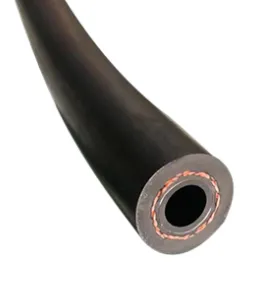
Unveiling the Design and Utility of Universal Auto AC Lines
Universal auto ac lines are engineered to bridge compatibility across a wide range of vehicle makes and models, eliminating the need for custom - fabricated solutions. These lines are designed with standardized fittings and dimensions that match common AC system connections, such as quick - connect couplings or flare fittings, found in most passenger cars and light trucks. Constructed from durable materials like aluminum, steel, or reinforced rubber, universal auto ac lines withstand the vibrations, temperature fluctuations, and pressure changes inherent in automotive environments. For example, in a repair shop servicing multiple vehicle brands, universal auto ac lines enable technicians to quickly replace damaged lines without sourcing model - specific parts, reducing downtime and inventory complexity.
Discovering the Role of Auto AC Hoses Suppliers
Auto ac hoses suppliers play a critical role in delivering high - quality, reliable hoses to meet the diverse needs of the automotive industry. These suppliers offer a range of products, from standard suction and discharge hoses to specialized options for electric vehicles or high - performance systems. They work closely with manufacturers to ensure their hoses comply with industry standards, such as SAE J2064 for refrigerant permeability and pressure ratings. Auto ac hoses suppliers also provide technical expertise, helping customers select the right hoses based on factors like refrigerant type (e.g., R - 134a, R - 1234yf), operating temperature, and vehicle application. Their ability to offer both universal solutions and custom - engineered hoses makes them indispensable for maintaining the integrity of automotive AC systems.
Exploring the Landscape of Air Conditioner Hoses Suppliers
Air conditioner hoses suppliers cater to a broader market, including automotive, residential, and commercial HVAC systems, but their role in the automotive sector is particularly demanding. These suppliers must navigate strict quality control requirements to ensure hoses can withstand the harsh conditions under a vehicle’s hood, such as exposure to engine heat, oil, and road debris. They often provide hoses with multi - layer constructions, featuring inner barriers to prevent refrigerant leakage, reinforcement layers for pressure resistance, and outer coatings for abrasion and UV protection. Air conditioner hoses suppliers also emphasize timely delivery and inventory management, crucial for automotive repair shops that rely on quick part replacements to keep operations running smoothly.
Analyzing Factors Influencing AC Hose Pipe Price and AC Hose Price
The ac hose pipe price and ac hose price are influenced by several key factors, starting with material composition. Hoses made from premium materials like fluorinated elastomers (FKM) for high - temperature resistance or ethylene - propylene - diene monomer (EPDM) for compatibility with newer refrigerants tend to cost more than basic rubber hoses. Customization also impacts price: universal auto ac lines in standard sizes are more affordable than bespoke, vehicle - specific hoses requiring unique bends or fittings. Additionally, production volume, supplier reputation, and regional logistics costs play roles. For example, hoses with specialized certifications or those designed for electric vehicles, which require enhanced insulation and safety features, may command higher prices due to their advanced engineering.
FAQ: Key Insights into Automotive AC Hoses and Suppliers
How to Choose a Reliable Auto AC Hoses Supplier?
When selecting auto ac hoses suppliers, prioritize those with industry certifications (e.g., IATF 16949 for automotive quality management) and a proven track record in supplying compatible hoses for your vehicle models. Look for suppliers that offer detailed technical data sheets, including pressure ratings, temperature ranges, and refrigerant compatibility. Reading customer reviews and seeking recommendations from industry peers can also help identify suppliers known for consistent quality and reliable delivery.
What Should Be Considered When Comparing AC Hose Prices?
When evaluating ac hose price and ac hose pipe price, consider more than just the upfront cost. Assess the hose’s material durability, intended application (e.g., high - pressure discharge vs. low - pressure suction), and compatibility with your vehicle’s refrigerant and operating conditions. Cheaper hoses may lack proper reinforcement or barrier layers, leading to premature failure and costly repairs. Balance cost with performance by opting for mid - range options that meet your system’s requirements without overengineering.
Can Universal Auto AC Lines Be Used in All Vehicle Models?
Universal auto ac lines are designed for broad compatibility but may not fit all vehicle models, especially those with unique AC system layouts or non - standard fittings. Always check the hose’s specifications against your vehicle’s make, model, and year, paying close attention to connection types and line dimensions. In some cases, minor modifications or adapter fittings may be required, but it’s essential to ensure the hose meets the system’s pressure and temperature ratings to avoid performance issues or leaks.
How Do Suppliers Ensure the Quality of Air Conditioner Hoses?
Reputable air conditioner hoses suppliers employ rigorous quality control processes, including material testing, pressure cycle simulations, and permeation checks to ensure hoses meet or exceed industry standards. They often work with OEMs (original equipment manufacturers) to replicate the performance of factory - installed hoses, using advanced manufacturing techniques like computer - aided design (CAD) for precise fittings and automated assembly for consistent quality. Certifications from organizations like SAE or ISO 9001 further validate their commitment to producing reliable, safe hoses.
Are There Cost - Effective Solutions for High - Performance AC Hoses?
Yes, cost - effective solutions exist for high - performance needs. Many suppliers offer tiered product lines, with premium hoses for extreme conditions and more affordable options for standard applications. Purchasing in bulk, especially for repair shops or fleets, can unlock volume discounts on ac hose price. Additionally, choosing universal hoses that meet the required specifications without unnecessary features (e.g., extra - thick coatings for non - harsh environments) can help balance performance and cost effectively.
Latest news
-
Transmission Oil Cooler Pipe Maintenance and Selection Guide
NewsApr.16,2026
-
Ultimate Guide to Choosing Transmission Oil Cooler Line Hose
NewsApr.09,2026
-
Essential Guide to Transmission Oil Cooler Hose 5/16 for Vehicle Longevity
NewsApr.07,2026
-
Understanding the Critical Role of Transmission Oil Cooler Hose 1 2 for Vehicle Longevity
NewsApr.04,2026
-
Understanding Transmission Oil Coolant Lines For Optimal Vehicle Performance
NewsMar.31,2026
-
Comprehensive Guide to Oil Coolant Pipe Selection and Industrial Applications
NewsMar.28,2026
Jul . 07, 2025 17:01 Back to list
Exploring Critical Components in Automotive Air - Conditioning Systems
In the intricate network of automotive systems, the components responsible for air - conditioning play a pivotal role in ensuring passenger comfort and system efficiency. Among these, parts such as the car ac compressor hose, car ac compressor pipe, car ac discharge hose, car ac discharge line, and car ac discharge pipe are essential for the proper circulation of refrigerant, each serving a distinct function in the cooling process. Understanding their roles, maintenance, and performance is key to keeping automotive air - conditioning systems running smoothly.
The Role of Car AC Compressor Hose in Refrigerant Transfer
Within the heart of an automotive air - conditioning system, the car ac compressor hose plays a vital role in transferring refrigerant between key components. This hose connects the compressor to other parts of the system, such as the condenser and evaporator, allowing the high - pressure, high - temperature refrigerant to flow seamlessly. Constructed from durable materials like reinforced rubber or synthetic polymers, the car ac compressor hose is designed to withstand the harsh conditions of the engine bay, including heat, vibration, and exposure to oils and chemicals. A well - functioning car ac compressor hose ensures minimal refrigerant loss and consistent pressure, which are critical for the compressor to operate efficiently and maintain optimal cooling performance.
Car AC Compressor Pipe: A Sturdy Link in the Cooling Chain
Connected closely to the compressor, the car ac compressor pipe serves as a rigid or semi - rigid conduit for refrigerant, often used in sections where a more stable structure is required. Unlike flexible hoses, pipes are typically made from metal, such as aluminum or copper, providing strength and resistance to the high pressures generated by the compressor. The car ac compressor pipe is commonly found in fixed connections within the engine compartment, where it must endure constant vibrations and temperature fluctuations. Proper installation and alignment of the car ac compressor pipe are essential to prevent stress on the connections, which could lead to leaks or structural damage over time.
Car AC Discharge Hose: Managing High - Pressure Refrigerant Flow
Another critical element in the discharge side of the air - conditioning system is the car ac discharge hose. This hose carries the hot, compressed refrigerant from the compressor to the condenser, where heat is released to the ambient air. The car ac discharge hose is engineered with robust materials to handle the high pressure and temperature of the discharged refrigerant, often featuring multiple layers for enhanced durability. In high - performance vehicles or those operating in extreme climates, the car ac discharge hose must maintain its integrity to prevent refrigerant leaks, which can compromise cooling efficiency and lead to costly repairs.
Car AC Discharge Line: Ensuring Smooth Refrigerant Transition
The car ac discharge line refers to the entire pathway through which discharged refrigerant travels, including both rigid pipes and flexible hoses. This line is crucial for directing the high - pressure refrigerant from the compressor to the condenser, where the phase change from gas to liquid occurs. A well - designed car ac discharge line minimizes pressure drops and turbulence, allowing the refrigerant to flow efficiently and undergo proper condensation. Regular inspection of the car ac discharge line for signs of wear, such as cracks, bulges, or loose connections, is essential to maintain the overall health of the air - conditioning system.
Car AC Discharge Pipe: A Key Component in the Discharge Pathway
The car ac discharge pipe is a rigid segment of the discharge line, often used in straight or fixed sections of the system. Made from materials like aluminum, these pipes offer excellent heat dissipation properties, which are beneficial for the refrigerant cooling process in the condenser. The car ac discharge pipe must be precisely fitted to ensure a secure connection and prevent any refrigerant leakage at the joints. In cases where the pipe is damaged or corroded, replacing it with a compatible car ac discharge pipe is necessary to restore the system’s functionality and prevent further damage to other components.
FAQ About Automotive AC Discharge and Compressor Components
How Can I Detect a Leak in My Car AC Compressor Hose or Discharge Line?
To detect a leak in components like the car ac compressor hose or car ac discharge line, start by checking for visible signs such as oily residue around connections, which can indicate refrigerant leakage. You may also notice a decrease in cooling performance or hissing sounds near the hoses or pipes. Professional diagnostic tools, such as UV dye injection or refrigerant leak detectors, can help identify small leaks that are not visible to the naked eye. Regular maintenance, including visual inspections during routine service, can catch leaks early and prevent significant refrigerant loss.
What Is the Typical Lifespan of a Car AC Discharge Hose or Pipe?
The lifespan of a car ac discharge hose or car ac discharge pipe depends on several factors, including the vehicle’s operating conditions, maintenance practices, and the quality of the components. In general, flexible hoses may last 8–12 years, while metal pipes can endure longer, up to 15 years or more. However, hoses in high - heat or high - vibration areas, such as those near the engine, may degrade faster due to constant exposure to harsh environments. Regularly inspecting these components for signs of wear, such as cracks, brittleness, or corrosion, is key to determining when replacement is necessary.
Can I Replace a Car AC Compressor Pipe with a Universal Hose?
While universal hoses can be used in some cases, it’s important to ensure they meet the specific pressure and temperature requirements of your vehicle’s air - conditioning system. A car ac compressor pipe is often designed for a precise fit and may have specific bend radii or connection types that universal hoses cannot replicate. Using an incompatible hose or pipe can lead to improper refrigerant flow, increased pressure drops, or even system failure. Always consult the vehicle manufacturer’s specifications or a professional technician to ensure compatibility when replacing components like the car ac compressor pipe.
What Materials Are Best for Car AC Discharge Hose in High - Humidity Climates?
In high - humidity climates, materials that resist moisture and corrosion are essential for car ac discharge hose. Synthetic rubber hoses with a neoprene or EPDM lining, combined with a reinforced outer layer, are popular choices due to their durability and resistance to water and chemical exposure. Metal pipes, such as aluminum, are also suitable as they offer better resistance to rust compared to steel. Choosing components with anti - corrosive coatings or treatments can further extend their lifespan in humid environments, ensuring the car ac discharge hose and related parts remain functional over time.
How Does a Damaged Car AC Discharge Line Affect Fuel Efficiency?
A damaged car ac discharge line, such as one with leaks or restrictions, can cause the air - conditioning system to work harder to maintain cooling performance. When refrigerant levels are low or pressure is inconsistent, the compressor may run longer or at higher speeds, increasing energy consumption. This added strain on the compressor can indirectly impact fuel efficiency, as the engine must allocate more power to drive the struggling AC system. Keeping the car ac discharge line and other components in good condition helps the AC system operate efficiently, minimizing its impact on fuel consumption.
Latest news
-
Transmission Oil Cooler Pipe Maintenance and Selection Guide
NewsApr.16,2026
-
Ultimate Guide to Choosing Transmission Oil Cooler Line Hose
NewsApr.09,2026
-
Essential Guide to Transmission Oil Cooler Hose 5/16 for Vehicle Longevity
NewsApr.07,2026
-
Understanding the Critical Role of Transmission Oil Cooler Hose 1 2 for Vehicle Longevity
NewsApr.04,2026
-
Understanding Transmission Oil Coolant Lines For Optimal Vehicle Performance
NewsMar.31,2026
-
Comprehensive Guide to Oil Coolant Pipe Selection and Industrial Applications
NewsMar.28,2026
 Afrikaans
 Albanian
 Amharic
 Arabic
 Armenian
 Azerbaijani
 Basque
 Belarusian
 Bengali
 Bosnian
 Bulgarian
 Catalan
 Cebuano
 Corsican
 Croatian
 Czech
Czech
 Danish
 Dutch
Dutch
 Esperanto
 Estonian
 Finnish
 French
 Frisian
 Galician
 Georgian
 German
 Greek
Greek
 Gujarati
 Haitian Creole
 Hausa
Hausa
 Hawaiian
 Hebrew
 Hindi
Hindi
 Miao
Miao
 Hungarian
 Icelandic
 Igbo
Igbo
 Indonesian
 Irish
Irish
 Italian
 Japanese
 Javanese
 Kannada
 Kazakh
 Khmer
Khmer
 Rwandese
 Korean
 Kurdish
 Kyrgyz
 Lao
Lao
 Latin
Latin
 Latvian
 Lithuanian
 Luxembourgish
 Macedonian
 Malgashi
 Malay
Malay
 Malayalam
 Maltese
 Maori
Maori
 Marathi
 Mongolian
 Myanmar
 Nepali
 Norwegian
 Norwegian
 Occitan
 Pashto
 Persian
 Polish
 Portuguese
 Punjabi
 Romanian
 Russian
 Samoan
 Scottish Gaelic
 Serbian
 Sesotho
 Shona
Shona
 Sindhi
 Sinhala
 Slovak
 Slovenian
 Somali
 Spanish
 Sundanese
 Swahili
 Swedish
 Tagalog
 Tajik
Tajik
 Tamil
Tamil
 Tatar
Tatar
 Telugu
 Thai
Thai
 Turkish
 Turkmen
 Ukrainian
 Urdu
Urdu
 Uighur
 Uzbek
Uzbek
 Vietnamese
 Welsh
Welsh
 Bantu
Bantu
 Yiddish
 Yoruba
 Zulu
Zulu
 English