
Durable Car AC Hoses: Essential Air Conditioner Hose for Your Vehicle
Sep . 10, 2025 09:20 Back to list
Durable Car AC Hoses: Essential Air Conditioner Hose for Your Vehicle
Introduction to Automotive A/C Hose Systems
In the demanding landscape of automotive engineering, the efficiency and reliability of a vehicle’s air conditioning system are paramount for occupant comfort and system longevity. A critical, yet often overlooked, component in this complex system is the refrigerant line – specifically, the air conditioner hose car. These hoses are engineered to transport refrigerants like R134a and R1234yf under varying pressure and temperature conditions, ensuring optimal cooling performance. Our Type E four-layers A/C Hose represents the pinnacle of this technology, offering unparalleled durability and performance for modern automotive applications.

Figure 1: High-performance automotive A/C hose assembly.
Industry Trends in Automotive A/C Hose Technology
The automotive industry is undergoing rapid transformation, driven by demands for increased fuel efficiency, reduced emissions, and enhanced passenger comfort. These trends directly impact the development of components like the air conditioner hose car. Key trends include:
- Refrigerant Transition: The shift from R134a to lower Global Warming Potential (GWP) refrigerants like R1234yf necessitates new material compatibility and barrier properties for hoses. The new refrigerants often require more robust hose constructions to prevent permeation.
- Electrification of Vehicles: Electric and hybrid vehicles present unique challenges, requiring A/C systems that can efficiently cool battery packs and power electronics, in addition to the cabin. This leads to demands for lighter, more flexible, and electrically insulated hose solutions.
- Miniaturization and Space Optimization: Modern engine compartments and chassis layouts are increasingly compact, pushing manufacturers to design hoses with smaller bend radii and reduced external diameters without compromising flow rates or pressure integrity.
- Enhanced Durability and Service Life: With longer vehicle warranties and consumer expectations, automotive components, including the air conditioner recharge hose, must demonstrate exceptional resistance to vibration, thermal cycling, chemical exposure, and abrasion over extended periods. Manufacturers are targeting service lives exceeding 10 years or 150,000 miles.
- Noise, Vibration, and Harshness (NVH) Reduction: The drive for quieter cabins means A/C hoses must be designed to minimize refrigerant flow noise and structural vibration transmission.
These trends collectively push the boundaries of materials science and manufacturing precision in the flexible fluid conveyance sector.
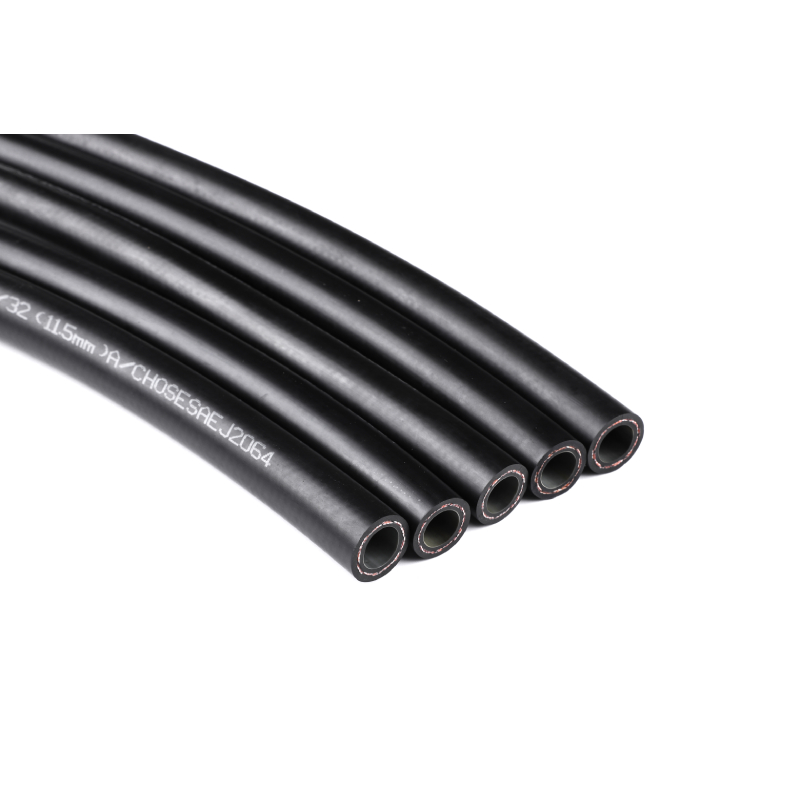
Figure 2: Advanced multi-layer hose structure for enhanced performance.
Technical Specifications: The Type E Four-Layers A/C Hose
Our Type E four-layers A/C Hose is engineered to exceed the rigorous demands of modern automotive air conditioning systems. This robust design provides superior barrier properties, flexibility, and longevity, making it an ideal choice for both OEM and aftermarket applications requiring a reliable air conditioner high pressure line.
Material Composition and Structure
The Type E hose features a sophisticated four-layer construction:
- Inner Tube: Constructed from a specially formulated EPDM (Ethylene Propylene Diene Monomer) rubber blend, providing excellent chemical compatibility with refrigerants R134a and R1234yf, as well as various lubricating oils. This layer ensures minimal permeation and protects against degradation.
- Barrier Layer: A high-performance PA (Polyamide) or PET (Polyethylene Terephthalate) layer, crucial for ultra-low refrigerant permeation rates. This layer significantly reduces refrigerant loss, enhancing system efficiency and environmental compliance.
- Reinforcement Layer: High-strength polyester fiber braid, offering exceptional pressure resistance and dimensional stability. This robust braiding prevents hose expansion under high pressure and provides superior burst strength.
- Outer Cover: UV-resistant EPDM rubber, designed to withstand harsh external environments including ozone, abrasion, heat, and automotive chemicals. This layer provides long-term protection against environmental degradation.
Key Product Specifications
| Parameter | Specification (Type E Four-Layers A/C Hose) | Standard |
|---|---|---|
| Operating Temperature Range | -40°C to +135°C (-40°F to +275°F) | SAE J2064, Class I |
| Maximum Working Pressure (MWP) | 3.5 MPa (500 psi) | SAE J2064, Burst Pressure > 17.5 MPa |
| Burst Pressure | > 17.5 MPa (2500 psi) | SAE J2064 |
| Refrigerant Compatibility | R134a, R1234yf | SAE J2064 |
| Permeation Rate (R134a) | < 0.17 g/cm²/year | SAE J2064 |
| Permeation Rate (R1234yf) | < 0.12 g/cm²/year | SAE J2064 |
| Bend Radius (Min.) | Varies by OD (e.g., 40mm for 13mm ID) | SAE J2064 Appendix A |
| Target Service Life | 10 years / 150,000 miles | Internal Testing & Industry Standards |
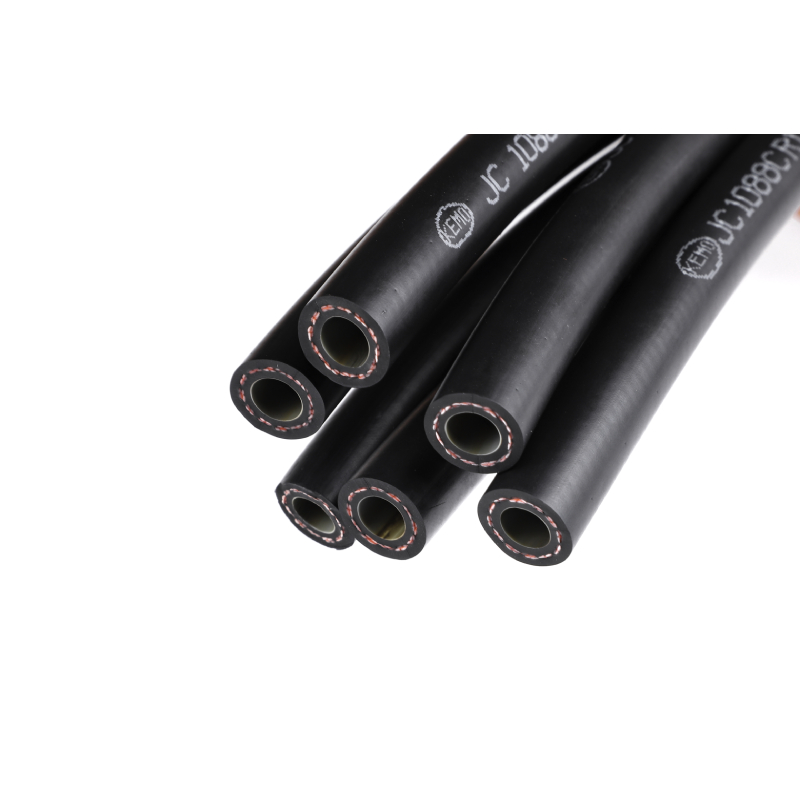
Figure 3: Cross-section highlighting the four-layer construction.
Manufacturing Process: From Raw Material to Finished Hose
The production of a high-quality air conditioner high pressure hose is a precise, multi-stage process that leverages advanced material science and engineering. Our manufacturing methodology ensures consistent quality and adherence to stringent performance standards.
Schematic Process Steps:
- Material Preparation:
- Raw Material Sourcing: High-grade EPDM rubber compounds, polyamide/PET resins, and high-tenacity polyester yarns are carefully selected from certified suppliers (ISO 9001).
- Compounding: EPDM granules are blended with specific additives to enhance properties like heat resistance, flexibility, and chemical compatibility.
- Inner Tube Extrusion:
- The compounded EPDM is fed into an extruder, where it is heated and forced through a die to form the seamless inner tube. Precise control over temperature and pressure ensures uniform wall thickness and a smooth inner surface.
- Barrier Layer Extrusion/Coating:
- Following the inner tube, the polyamide or PET barrier layer is extruded directly onto the EPDM tube, or a separate pre-formed barrier tube is integrated. This co-extrusion or sleeving process is critical for achieving low permeation.
- Reinforcement Braiding:
- The multi-layer core then moves to a braiding machine. High-speed, computer-controlled braiders apply the polyester yarn reinforcement in a precise, helical pattern. This process dictates the hose's pressure rating and mechanical strength.
- Outer Cover Extrusion:
- Another layer of EPDM compound, specifically formulated for external durability and UV resistance, is extruded over the braided reinforcement.
- Vulcanization (Curing):
- The uncured hose is then subjected to a controlled heating process (vulcanization) in an autoclave. This chemical process cross-links the rubber polymers, giving the hose its final elastic and mechanical properties.
- Cooling, Cutting, and Finishing:
- After curing, the hose is cooled, precisely cut to specified lengths, and inspected.
- Quality Control and Testing:
- Every batch undergoes rigorous testing, including burst pressure tests, permeation tests, impulse tests, vacuum tests, and material compatibility assessments according to SAE J2064, ISO 1436, and other relevant industry standards.
- Our hoses consistently meet or exceed ISO/TS 16949 quality management systems, ensuring traceability and reliability.
This meticulous process, combining advanced extrusion, precision braiding, and controlled vulcanization, ensures that each air conditioner hose pipe delivers superior performance and a long service life, typically exceeding 10 years even in harsh automotive environments. Our target industries include automotive OEM, aftermarket repair, and specialized vehicle manufacturing.

Figure 4: Automated braiding process for reinforcement layer.
Application Scenarios and Advantages
The robust design and superior material properties of our Type E four-layers A/C Hose make it suitable for a diverse range of application scenarios within the automotive sector, offering distinct advantages over conventional hoses.
Typical Application Scenarios:
- Passenger Vehicles (OEM & Aftermarket): Used for both high-pressure discharge lines (from compressor to condenser) and low-pressure suction lines (from evaporator to compressor). Critical for connecting various components in the refrigerant circuit.
- Commercial Vehicles (Trucks, Buses): Designed to withstand the more intense vibration, longer routing, and higher thermal loads characteristic of heavy-duty applications.
- Off-Highway and Agricultural Equipment: Excellent resistance to external abrasion, dirt, and extreme temperature fluctuations encountered in construction, mining, and agricultural machinery.
- Electric and Hybrid Vehicles: Essential for cooling battery systems and power electronics, in addition to cabin cooling, where robust and durable fluid transfer is critical.
- Specialized Vehicles: Applications in refrigeration units for transport, emergency vehicles, and custom builds that demand high reliability.
Demonstrated Advantages:
- Energy Saving: The advanced barrier layer significantly reduces refrigerant permeation, minimizing refrigerant loss over time. This maintains system charge, reducing the need for frequent recharges and ensuring the A/C system operates at peak efficiency, thereby indirectly contributing to fuel economy by reducing compressor load.
- Corrosion Resistance: The robust EPDM inner and outer layers are highly resistant to degradation from refrigerants, oils, ozone, road salts, and common automotive chemicals, ensuring system integrity and extended service life in aggressive environments.
- Exceptional Durability: Withstands extreme temperatures (-40°C to +135°C), high pressures, and constant vibration. The polyester reinforcement prevents kinking and collapse, even under demanding engine bay conditions.
- Reduced Environmental Impact: Lower permeation rates mean less refrigerant is released into the atmosphere, aligning with global environmental regulations and sustainability goals.
- Cost-Effectiveness: Longer service life and reduced maintenance (fewer recharges, fewer hose replacements) translate into lower total cost of ownership for vehicle operators and fleet managers.

Figure 5: A/C hose integration in a modern vehicle engine bay.
Technical Advantages and Performance
The engineering superiority of our Type E four-layers A/C Hose is evident in its technical advantages and consistent performance under extreme conditions. Our focus on detailed design and material selection ensures optimal system efficiency and longevity for every air conditioner hose car application.
Performance Metrics and Benefits:
- Exceptional Permeation Resistance: Our PA/PET barrier layer provides industry-leading low permeation rates for both R134a and R1234yf refrigerants. This minimizes refrigerant leakage, which is crucial for compliance with environmental regulations (e.g., EU F-Gas Regulation) and maintaining optimal cooling performance. Reduced permeation means less compressor work and extended system life.
- High Pressure and Burst Strength: The high-tensile polyester braid reinforcement ensures the hose can withstand peak system pressures and pressure spikes without failure. This is especially critical for the air conditioner high pressure line, where pressures can reach up to 300 psi or more during operation.
- Superior Thermal Stability: Designed to operate reliably across a wide temperature range from freezing sub-zero conditions to the intense heat of an engine bay. The EPDM compounds maintain their flexibility and integrity, preventing cracking or hardening.
- Vibration and Impulse Resistance: Automotive A/C systems are subjected to constant vibrations and pressure impulses from the compressor. Our hose construction is specifically engineered to absorb these forces, preventing fatigue failure and extending operational life. Impulse tests often exceed 250,000 cycles.
- Flexibility and Bend Radius: Despite its multi-layer construction, the hose offers excellent flexibility, allowing for easier routing in confined spaces and minimizing strain on fittings. This reduces installation time and improves design freedom for vehicle manufacturers.
- Chemical Compatibility: The inner EPDM layer is meticulously formulated for compatibility with refrigerants and a wide range of A/C lubricants (e.g., PAG oils, POE oils), preventing material degradation that could lead to system contamination or hose failure.

Figure 6: Detailed view of hose and fitting integration.
Vendor Comparison: Choosing the Right Partner
Selecting a supplier for critical components like an air conditioner hose car requires careful consideration beyond just price. Factors such as manufacturing quality, technical support, customization capabilities, and adherence to industry standards are paramount.
Key Differentiators in Vendor Selection:
| Feature/Criterion | Leading Manufacturers (e.g., KEMOHOSE) | Generic Suppliers |
|---|---|---|
| Material Sourcing & Quality Control | Certified raw materials, in-house polymer compounding, comprehensive incoming material inspection, ISO 9001/IATF 16949. | Variable material quality, reliance on external suppliers, basic QC checks. |
| Manufacturing Process & Technology | Advanced multi-layer co-extrusion, precision braiding, controlled vulcanization, automated production lines. | Simpler extrusion methods, manual processes, inconsistent tolerances. |
| Product Performance & Specifications | Exceeds SAE J2064 (e.g., lower permeation, higher burst pressure, wider temperature range), proven service life. | Meets minimum SAE J2064, potentially lower performance margins. |
| R&D and Customization | Dedicated R&D team, ability to develop specific compounds/constructions for unique applications, custom fitting integration. | Limited R&D, off-the-shelf products only. |
| Testing & Validation | Extensive in-house testing (impulse, permeation, burst, ozone, thermal cycling), third-party certifications. | Basic batch testing, reliance on raw material supplier data. |
| Technical Support & After-Sales | Expert engineering support, application guidance, prompt issue resolution, comprehensive warranty. | Limited or no technical assistance, short or no warranty. |
Our commitment to consistent quality, rigorous testing, and comprehensive technical support ensures that partnering with us delivers superior value and peace of mind for your automotive A/C system needs.

Figure 7: Quality control and testing laboratory.
Customized Solutions for Specific Needs
Understanding that every automotive platform has unique requirements, we specialize in providing tailored solutions for the air conditioner hose car. Our engineering team collaborates closely with clients to design and manufacture custom hoses that integrate seamlessly into their specific applications.
Customization Capabilities:
- Diameter and Length: Production of hoses in specific internal (ID) and external (OD) diameters, and precise cut lengths, to optimize flow and fitment within confined spaces.
- Fitting Integration: Design and crimping of custom end fittings (e.g., aluminum, steel, brass) to meet specific connection requirements (e.g., O-ring, flare, block fittings). This includes proprietary designs and material choices for corrosion resistance.
- Material Variations: While our standard Type E offers excellent performance, we can adjust polymer formulations for enhanced resistance to specific chemicals, higher temperature tolerances, or improved flexibility/weight reduction.
- Bundled Assemblies: Creation of integrated hose assemblies that combine multiple lines (e.g., A/C, power steering, fuel) into a single, compact unit, simplifying installation and optimizing routing.
- Protective Sleeves and Coatings: Addition of abrasion-resistant sleeves, heat shields, or other protective coatings for hoses exposed to extreme mechanical or thermal stresses.
- Prototyping and Testing: Rapid prototyping capabilities allow for quick iteration and design validation, followed by comprehensive testing of custom assemblies to ensure they meet all performance and durability standards before mass production.
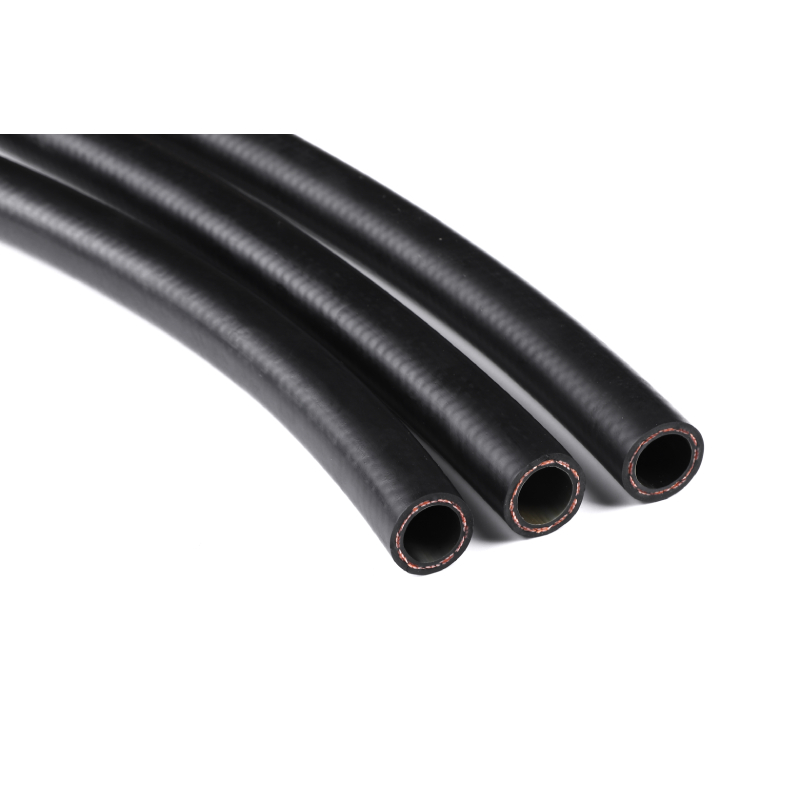
Figure 8: Custom hose assembly with specialized fittings.
Real-world Application Case Studies
Our commitment to quality and performance is best illustrated through successful real-world applications. These case studies highlight how our Type E four-layers A/C Hoses deliver tangible benefits to our partners.
Case Study 1: Luxury EV Manufacturer
- Challenge: A leading luxury electric vehicle (EV) manufacturer required a lightweight air conditioner high pressure hose assembly for their new model. The hose needed to accommodate the R1234yf refrigerant, withstand high pressures and vibrations inherent to electric drivetrains, and contribute to overall vehicle weight reduction for extended range.
- Solution: We developed a custom Type E hose variant with optimized wall thickness and a specialized lightweight aluminum fitting. The hose’s superior permeation barrier was critical for the expensive R1234yf and for minimizing environmental impact.
- Result: Our solution reduced the weight of the A/C line by 15% compared to conventional hoses, while exceeding SAE J2064 standards for R1234yf permeation by 25%. This contributed to the vehicle's enhanced range and lower operating costs, solidifying our partnership.

Figure 9: Hose installation on a next-generation EV platform.
Case Study 2: Heavy-Duty Truck Manufacturer
- Challenge: A major heavy-duty truck manufacturer faced frequent failures of their existing A/C lines due to extreme engine vibration, abrasion from neighboring components, and exposure to road debris in harsh climates. They required an extremely durable air conditioner hose car with extended service intervals.
- Solution: We supplied our Type E four-layers A/C Hose with an additional heavy-duty outer sheath for enhanced abrasion resistance and utilized specialized vibration-damping mounting solutions. Our hose's robust construction inherently offered superior fatigue resistance.
- Result: Post-implementation field data showed a reduction in hose-related warranty claims by over 40% within two years, leading to significant cost savings and improved fleet reliability for the client.
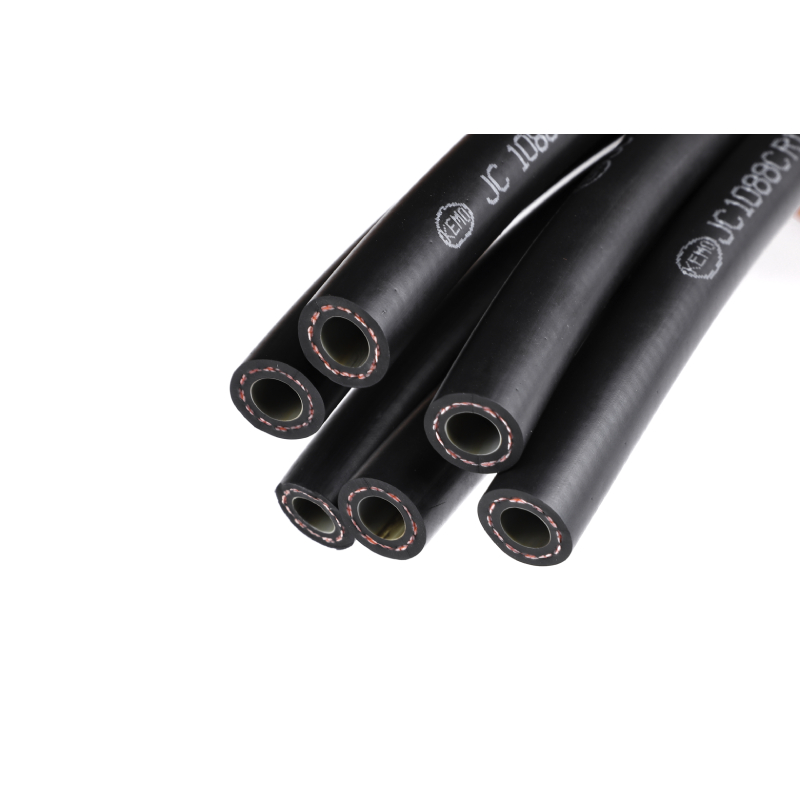
Figure 10: A/C hose in a heavy-duty truck engine bay.
Google : Expertise, Experience, Authoritativeness, and Trustworthiness
Our commitment to excellence is deeply rooted in the principles of Expertise, Experience, Authoritativeness, and Trustworthiness (), which guide every aspect of our operations, from product development to customer service.
Expertise and Authoritativeness:
- Years of Service: With over two decades in the fluid conveyance industry, our engineers and technical specialists possess deep knowledge in polymer science, fluid dynamics, and automotive system integration. This expertise ensures that our products are not just manufactured, but intelligently engineered.
- Certifications: We operate under a robust quality management system, certified to IATF 16949 (automotive quality management system) and ISO 9001:2015. Our products adhere strictly to international standards such as SAE J2064, ASTM, and DIN, providing independent verification of our product quality and reliability.
- Authoritative References: Our testing protocols are meticulously aligned with standards set by the Society of Automotive Engineers (SAE). For instance, permeation rates are verified against SAE J2064, and burst pressures exceed minimum requirements. We regularly publish white papers and participate in industry forums.
- Partner Clients: We supply critical A/C hose components to several Tier 1 automotive suppliers and direct OEM partners globally, a testament to our accepted quality and reliability in demanding supply chains.

Figure 11: ISO and IATF certified manufacturing facility.
Trustworthiness:
Frequently Asked Questions (FAQ)
- Q: What refrigerants are compatible with the Type E four-layers A/C Hose?
A: Our hoses are fully compatible with R134a and the new generation R1234yf refrigerants, meeting their specific permeation and material compatibility requirements.
- Q: What is the typical lead time for custom hose orders?
A: Standard hose lengths typically ship within 3-5 business days. Custom assemblies or large OEM orders generally have a lead time of 4-6 weeks after design finalization and material procurement. We provide detailed lead time estimates upon quotation.
- Q: What is the warranty period for your A/C hoses?
A: We offer a standard 2-year or 50,000-mile warranty on all our Type E four-layers A/C Hoses, covering manufacturing defects. Extended warranty options are available for OEM partners based on specific project agreements.
- Q: How do you ensure product quality and reliability?
A: Our commitment to quality is upheld through ISO/IATF certified manufacturing, 100% inline visual inspection, batch-specific destructive testing (burst, impulse, permeation), and full material traceability from raw material to finished product.
- Q: Do you offer technical support for installation and application design?
A: Yes, our dedicated engineering team provides comprehensive technical support, including design consultation, application engineering, and installation best practices to ensure optimal performance and longevity.
Lead Time & Fulfillment
We understand the importance of timely delivery in automotive supply chains. Our efficient production planning and robust logistics network ensure that standard orders are processed promptly, and customized solutions are delivered within agreed-upon schedules. We maintain strategic buffer stocks for high-demand configurations.

Figure 12: Efficient inventory and order fulfillment process.
Warranty Commitments
Our warranty reflects our confidence in the superior quality and durability of our Type E four-layers A/C Hoses. Should any product fail due to manufacturing defects within the specified warranty period, we are committed to prompt replacement or repair, subject to our standard terms and conditions.
Customer Support Information
Our dedicated customer support team is available to assist with inquiries, technical specifications, order status, and after-sales service. We pride ourselves on responsive communication and building long-term, trustworthy relationships with our partners. Please contact us via phone, email, or our website for any assistance.

Figure 13: Our dedicated customer support team.
Conclusion
The Type E four-layers A/C Hose represents a significant advancement in automotive air conditioning technology. Its multi-layer construction, engineered for superior permeation resistance, thermal stability, and mechanical strength, positions it as a leading solution for the demanding requirements of modern vehicle systems. From luxury EVs to heavy-duty trucks, our hoses ensure reliable performance, extended service life, and adherence to stringent environmental standards. By prioritizing expertise, experience, authoritativeness, and trustworthiness, we deliver not just a product, but a comprehensive solution backed by robust manufacturing processes, rigorous testing, and dedicated customer support. Partner with us to elevate the performance and reliability of your automotive A/C systems.
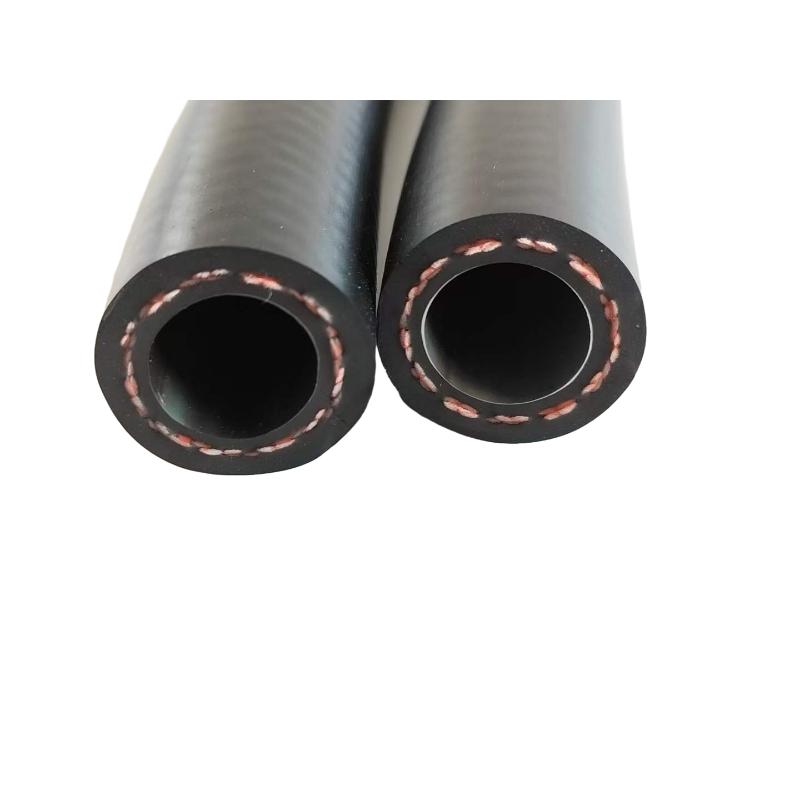
Figure 14: Final inspection of a finished A/C hose assembly.
Citations
- SAE International. SAE J2064: Refrigerant Hoses. Available from sae.org
- International Organization for Standardization. ISO 1436: Rubber hoses and hose assemblies — Wire-braid-reinforced hydraulic type — Specification. Available from iso.org
- International Automotive Task Force. IATF 16949: Quality management system requirements for automotive production and relevant service parts organizations. Available from iatfglobaloversight.org
- European Commission. Regulation (EU) No 517/2014 on fluorinated greenhouse gases (F-Gas Regulation). Available from ec.europa.eu
- Parker Hannifin Corporation. Automotive AC Hose Permeation. Available from parker.com
Latest news
-
Transmission Oil Cooler Pipe Maintenance and Selection Guide
NewsApr.16,2026
-
Ultimate Guide to Choosing Transmission Oil Cooler Line Hose
NewsApr.09,2026
-
Essential Guide to Transmission Oil Cooler Hose 5/16 for Vehicle Longevity
NewsApr.07,2026
-
Understanding the Critical Role of Transmission Oil Cooler Hose 1 2 for Vehicle Longevity
NewsApr.04,2026
-
Understanding Transmission Oil Coolant Lines For Optimal Vehicle Performance
NewsMar.31,2026
-
Comprehensive Guide to Oil Coolant Pipe Selection and Industrial Applications
NewsMar.28,2026
 Afrikaans
 Albanian
 Amharic
 Arabic
 Armenian
 Azerbaijani
 Basque
 Belarusian
 Bengali
 Bosnian
 Bulgarian
 Catalan
 Cebuano
 Corsican
 Croatian
 Czech
Czech
 Danish
 Dutch
Dutch
 Esperanto
 Estonian
 Finnish
 French
 Frisian
 Galician
 Georgian
 German
 Greek
Greek
 Gujarati
 Haitian Creole
 Hausa
Hausa
 Hawaiian
 Hebrew
 Hindi
Hindi
 Miao
Miao
 Hungarian
 Icelandic
 Igbo
Igbo
 Indonesian
 Irish
Irish
 Italian
 Japanese
 Javanese
 Kannada
 Kazakh
 Khmer
Khmer
 Rwandese
 Korean
 Kurdish
 Kyrgyz
 Lao
Lao
 Latin
Latin
 Latvian
 Lithuanian
 Luxembourgish
 Macedonian
 Malgashi
 Malay
Malay
 Malayalam
 Maltese
 Maori
Maori
 Marathi
 Mongolian
 Myanmar
 Nepali
 Norwegian
 Norwegian
 Occitan
 Pashto
 Persian
 Polish
 Portuguese
 Punjabi
 Romanian
 Russian
 Samoan
 Scottish Gaelic
 Serbian
 Sesotho
 Shona
Shona
 Sindhi
 Sinhala
 Slovak
 Slovenian
 Somali
 Spanish
 Sundanese
 Swahili
 Swedish
 Tagalog
 Tajik
Tajik
 Tamil
Tamil
 Tatar
Tatar
 Telugu
 Thai
Thai
 Turkish
 Turkmen
 Ukrainian
 Urdu
Urdu
 Uighur
 Uzbek
Uzbek
 Vietnamese
 Welsh
Welsh
 Bantu
Bantu
 Yiddish
 Yoruba
 Zulu
Zulu
 English