
Choosing the Right 1 2 Oil Cooler Hose for Optimal Engine Performance
Mar . 08, 2026 02:05 Back to list
Choosing the Right 1 2 Oil Cooler Hose for Optimal Engine Performance
Understanding and Choosing the Right 1 2 Oil Cooler Hose
Maintaining optimal engine temperature is crucial for performance and longevity, and a properly functioning oil cooler system is key. The 1 2 oil cooler hose plays a vital role in this system, transporting oil to and from the cooler. Selecting the right hose is essential for reliability and preventing costly engine damage. This article will explore the importance of oil cooler hoses, key considerations when choosing one, and how Kemohose offers high-quality solutions. Properly selected hoses ensure efficient cooling and extend engine life.
The Critical Role of a 1 2 Oil Cooler Hose
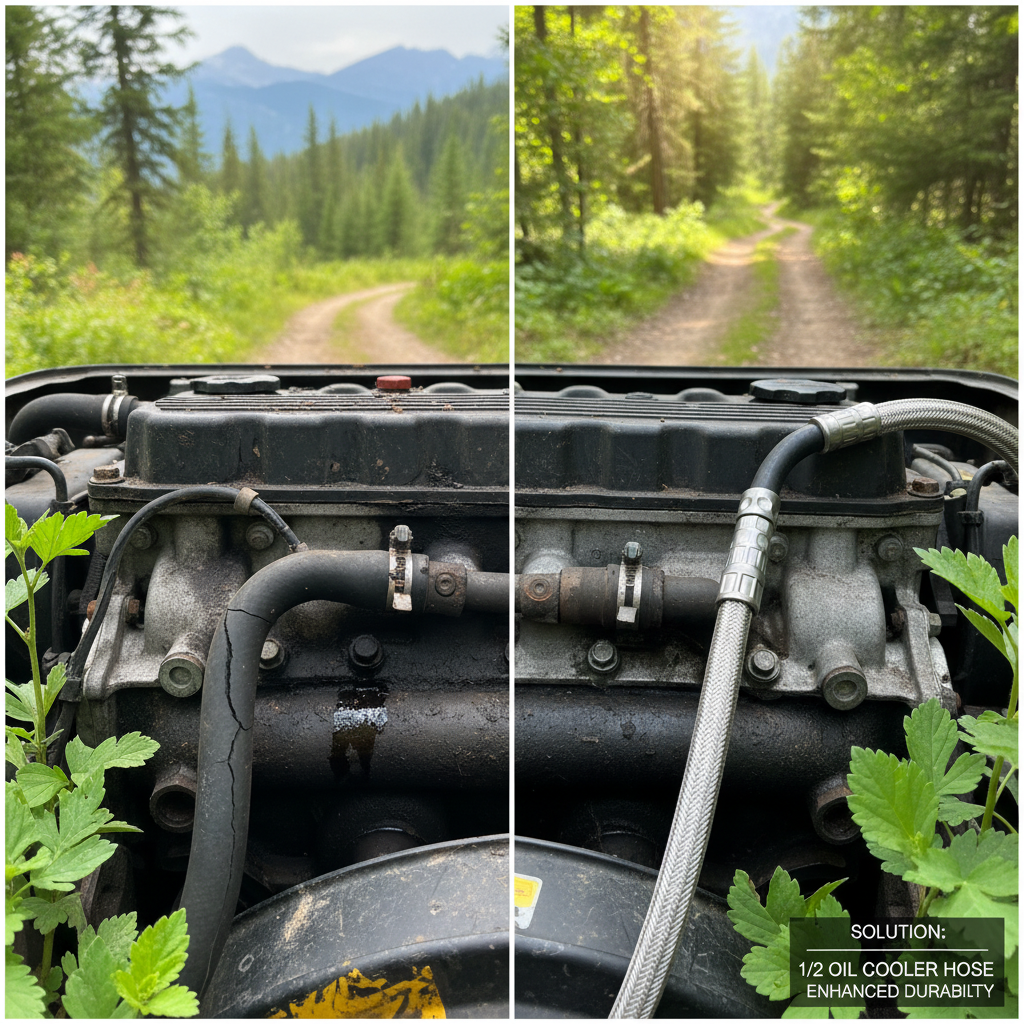
The 1 2 oil cooler hose is responsible for circulating engine oil to an external oil cooler, which dissipates heat. This is especially important in high-performance vehicles, turbocharged engines, or applications where the engine experiences heavy loads. A faulty or deteriorating hose can lead to oil leaks, reduced cooling efficiency, and potentially catastrophic engine failure. Signs of a failing hose include visible cracks, swelling, or leaks around the connections. Regular inspection of your oil cooler hose is a proactive maintenance step that can save you significant repair costs in the long run. Choosing a hose with robust construction is paramount for reliability.
Key Takeaway: A reliable 1 2 oil cooler hose is essential for maintaining optimal engine temperature, preventing damage, and ensuring longevity.
Factors to Consider When Selecting a 1 2 Oil Cooler Hose
Several factors should guide your choice of a 1 2 oil cooler hose. Material is crucial: options include rubber, silicone, and braided stainless steel. Rubber is cost-effective but less durable. Silicone offers excellent heat resistance and flexibility. Braided stainless steel provides the highest level of durability and burst resistance, ideal for high-pressure applications. Hose diameter and length must match your system's specifications. Finally, consider the hose’s pressure rating and compatibility with the type of oil being used. Kemohose provides hoses engineered to meet diverse requirements.
Key Considerations:
• Material (Rubber, Silicone, Braided Stainless Steel)
• Hose Diameter & Length
• Pressure Rating
• Oil Compatibility
1 2 Oil Cooler Hose Materials: A Detailed Comparison
Different materials offer varying levels of performance and durability. Understanding these differences is crucial for making the right choice. The following table provides a comprehensive comparison:
Why Choose Kemohose for Your 1 2 Oil Cooler Hose Needs?
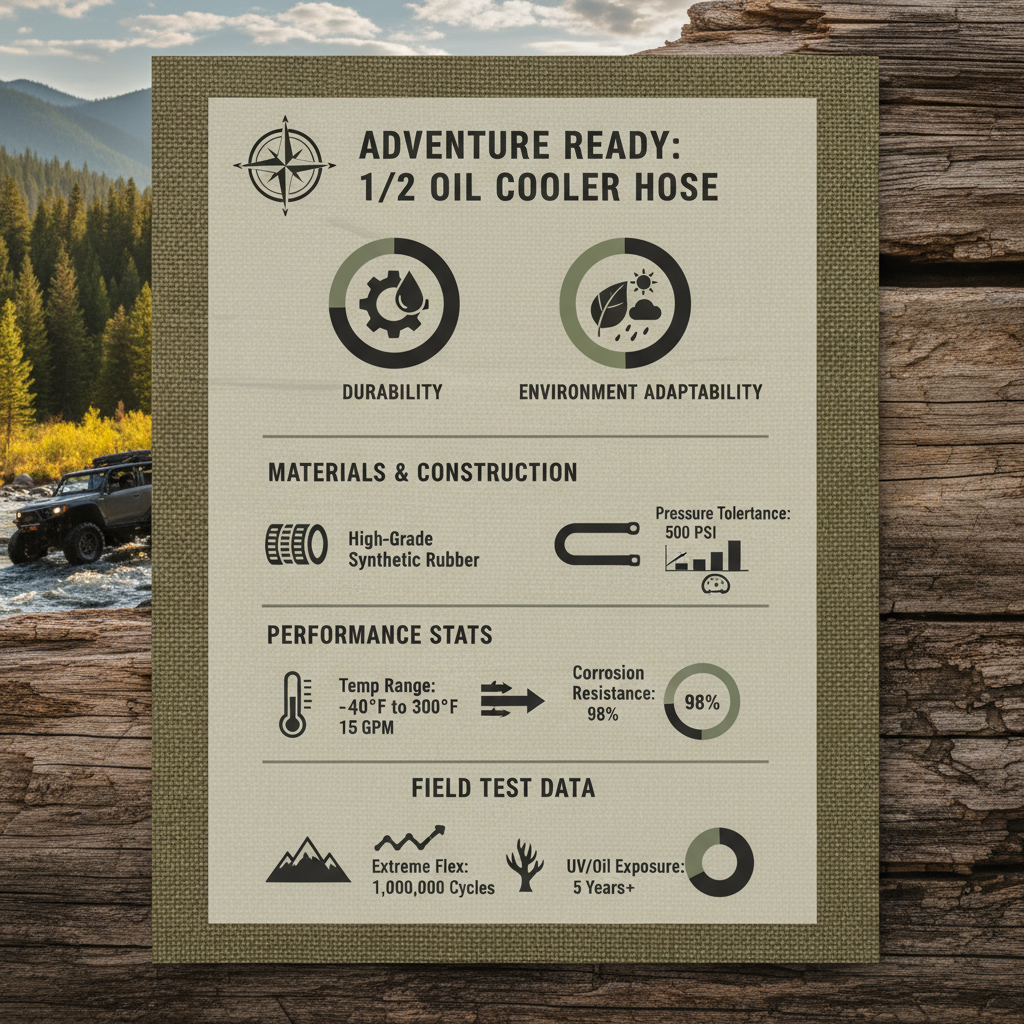
At Kemohose, we specialize in providing high-performance hoses for demanding applications. We offer a wide selection of 1 2 oil cooler hoses crafted from premium materials, including silicone and braided stainless steel. Our hoses are engineered for superior durability, heat resistance, and pressure handling. We also provide expert technical support to help you choose the right hose for your specific needs. Kemohose is committed to delivering quality and reliability.
Conclusion: Investing in a Quality Oil Cooler Hose
Choosing the right 1 2 oil cooler hose is a critical investment in the health and longevity of your engine. By considering material, pressure rating, and compatibility, you can ensure optimal cooling performance and prevent costly repairs. Kemohose provides the expertise and high-quality products you need to keep your engine running smoothly. Don’t compromise on quality – choose a hose built to last.
Frequently Asked Questions (FAQs)
How often should I replace my 1 2 oil cooler hose?
The replacement interval depends on the hose material and operating conditions. Rubber hoses should be inspected annually and replaced every 3-5 years, or sooner if cracks or leaks are detected. Silicone hoses can last longer, potentially 5-7 years, but should still be inspected regularly. Braided stainless steel hoses are the most durable, but should be inspected for damage to the braid. Proactive replacement is always recommended to prevent unexpected failures and potential engine damage. Kemohose offers hoses designed for extended life and performance.
What are the signs of a failing oil cooler hose?
Common signs include visible cracks or swelling in the hose, oil leaks around the connections, and a decrease in oil pressure. If you notice any of these symptoms, it’s crucial to inspect the hose immediately and replace it if necessary. Ignoring these signs can lead to engine overheating and severe damage. Regular visual inspections during routine maintenance can help catch problems early.
Can I repair a leaking oil cooler hose?
While temporary repairs may seem appealing, they are generally not recommended for oil cooler hoses. The hose is under constant pressure and heat, and a patch or temporary fix is unlikely to withstand these conditions. A complete hose replacement is the safest and most reliable solution. Attempting a repair could lead to a sudden and catastrophic failure, causing engine damage and potential safety hazards. Kemohose provides readily available replacements to minimize downtime.
What is the best material for a high-performance engine?
For high-performance engines, a braided stainless steel oil cooler hose is the best choice. It offers the highest level of durability, heat resistance, and burst pressure rating, ensuring reliable performance under extreme conditions. While more expensive than rubber or silicone, the added reliability and safety are well worth the investment. Silicone hoses are a good alternative if a slightly lower price point is desired, but they don't offer the same level of protection as stainless steel.
Latest news
-
Transmission Oil Cooler Pipe Maintenance and Selection Guide
NewsApr.16,2026
-
Ultimate Guide to Choosing Transmission Oil Cooler Line Hose
NewsApr.09,2026
-
Essential Guide to Transmission Oil Cooler Hose 5/16 for Vehicle Longevity
NewsApr.07,2026
-
Understanding the Critical Role of Transmission Oil Cooler Hose 1 2 for Vehicle Longevity
NewsApr.04,2026
-
Understanding Transmission Oil Coolant Lines For Optimal Vehicle Performance
NewsMar.31,2026
-
Comprehensive Guide to Oil Coolant Pipe Selection and Industrial Applications
NewsMar.28,2026
 Afrikaans
 Albanian
 Amharic
 Arabic
 Armenian
 Azerbaijani
 Basque
 Belarusian
 Bengali
 Bosnian
 Bulgarian
 Catalan
 Cebuano
 Corsican
 Croatian
 Czech
Czech
 Danish
 Dutch
Dutch
 Esperanto
 Estonian
 Finnish
 French
 Frisian
 Galician
 Georgian
 German
 Greek
Greek
 Gujarati
 Haitian Creole
 Hausa
Hausa
 Hawaiian
 Hebrew
 Hindi
Hindi
 Miao
Miao
 Hungarian
 Icelandic
 Igbo
Igbo
 Indonesian
 Irish
Irish
 Italian
 Japanese
 Javanese
 Kannada
 Kazakh
 Khmer
Khmer
 Rwandese
 Korean
 Kurdish
 Kyrgyz
 Lao
Lao
 Latin
Latin
 Latvian
 Lithuanian
 Luxembourgish
 Macedonian
 Malgashi
 Malay
Malay
 Malayalam
 Maltese
 Maori
Maori
 Marathi
 Mongolian
 Myanmar
 Nepali
 Norwegian
 Norwegian
 Occitan
 Pashto
 Persian
 Polish
 Portuguese
 Punjabi
 Romanian
 Russian
 Samoan
 Scottish Gaelic
 Serbian
 Sesotho
 Shona
Shona
 Sindhi
 Sinhala
 Slovak
 Slovenian
 Somali
 Spanish
 Sundanese
 Swahili
 Swedish
 Tagalog
 Tajik
Tajik
 Tamil
Tamil
 Tatar
Tatar
 Telugu
 Thai
Thai
 Turkish
 Turkmen
 Ukrainian
 Urdu
Urdu
 Uighur
 Uzbek
Uzbek
 Vietnamese
 Welsh
Welsh
 Bantu
Bantu
 Yiddish
 Yoruba
 Zulu
Zulu
 English